rifanmuazin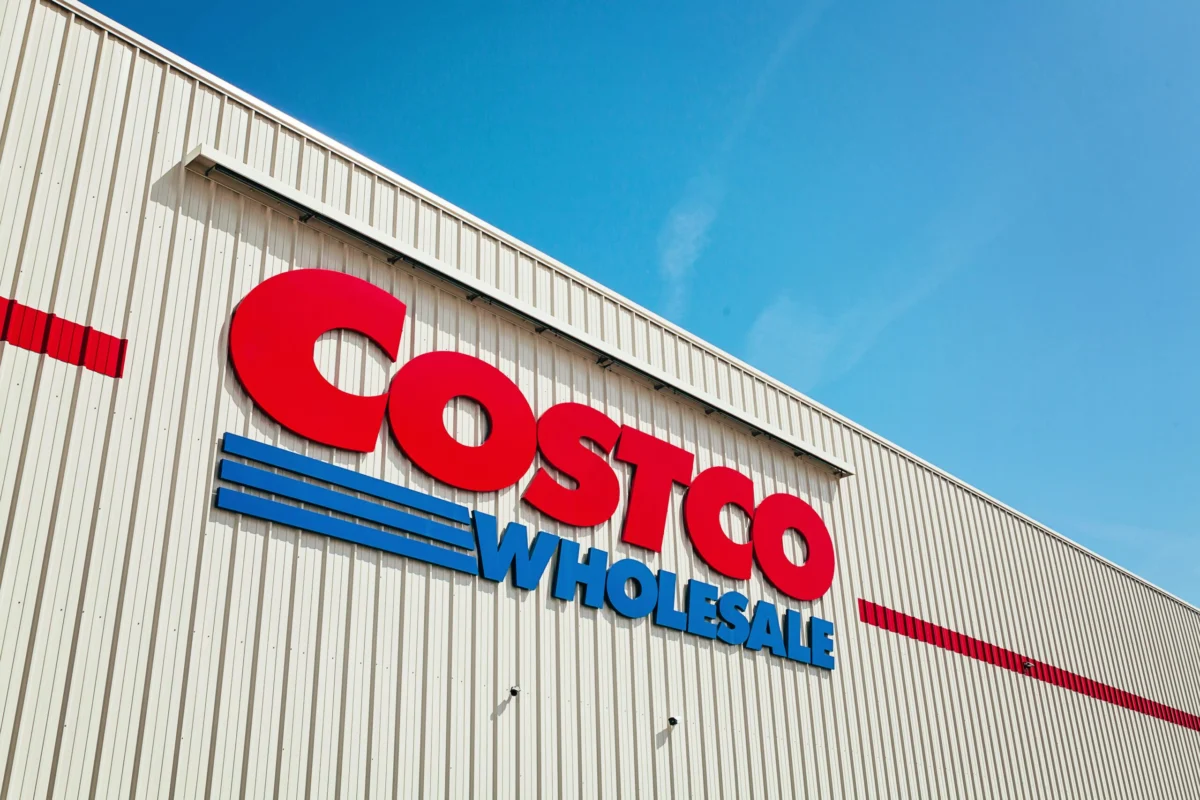
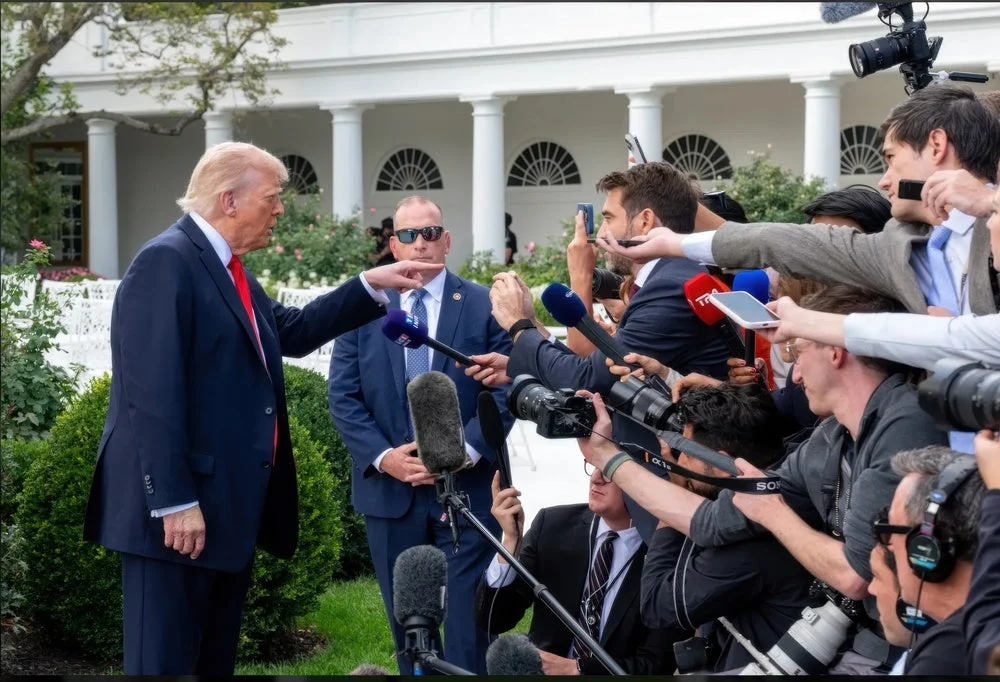
The landscape of retail pricing and supply chain management is undergoing a significant shift as tariff refunds, stemming from a landmark Supreme Court ruling, begin to materialize. For retailers who navigated the turbulent years of fluctuating tariffs between 2025 and 2026, this development presents a new strategic imperative. The initial wave of refunds, coupled with the pursuit of further reimbursements by major players like Walmart, is sparking discussions about potential price reductions for consumers. This seismic change is a direct consequence of a February ruling that declared President Donald Trump’s utilization of the 1977 International Emergency Economic Powers Act (IEEPA) to impose tariffs in 2025 as unlawful. While the White House has since pursued alternative tariff mechanisms on imported goods, the U.S. Customs and Border Protection (CBP) is now actively processing and issuing reimbursements.
A Flood of Refunds: The Scale of the Financial Repercussions
The financial implications of this legal victory are substantial. As of May 22, the CBP had disbursed approximately $20.6 billion in tariff-related refunds, according to a federal agency filing on May 26. This figure represents only a fraction of the total financial adjustment underway. Through CBP’s Consolidated Administration and Processing of Entries (CAPE) portal, which was launched on April 20, an estimated $85 billion in both potential and certified refunds have been accepted. This massive influx of capital is prompting a strategic re-evaluation among leading retailers, particularly concerning its impact on their financial outlooks and forward-looking planning.
Walmart Leads the Charge: Investing in the Customer Through Price
Among the most prominent retailers to address the potential impact of these refunds is Walmart, one of North America’s largest online merchants. During a May 21 earnings call discussing the company’s first-quarter financial results, John Rainey, Walmart’s Executive Vice President and Chief Financial Officer, articulated a clear strategic direction. While Walmart’s current financial guidance does not explicitly account for IEEPA tariff refunds, the company anticipates eligibility for funds that could represent “less than half of 1% of our U.S. annual sales.” Given Walmart’s reported U.S. sales of $483.0 billion for its 2026 fiscal year, this could translate to reimbursements exceeding $2.4 billion.
Rainey confirmed that Walmart was actively pursuing these refunds, underscoring the company’s proactive approach. Furthermore, he floated the possibility of price adjustments as a logical next step, citing “pressure on consumers from fuel prices” and the company’s success in “retention and share gains” as key drivers for such a strategy. His statement, “We think the single best return that we can have on $1 of capital right now is to invest in the customer and invest in price,” signals a commitment to passing on potential savings to consumers. This philosophy aligns with Walmart’s long-standing reputation as a price leader and its strategic focus on maintaining customer loyalty in a competitive market. Walmart’s position as the No. 2 retailer in the Digital Commerce 360 Top 2000 Database and No. 8 in the Global Online Marketplaces Database further amplifies the potential impact of its pricing strategies on the broader retail landscape.
E.l.f. Beauty: A Strategic Reinvestment in Growth
Walmart was not the only major retailer to highlight tariff refunds during recent earnings calls. E.l.f. Beauty, a prominent player in the beauty sector, also addressed the topic, signaling a similar intent to leverage these funds strategically. Mandy Fields, Senior Vice President and Chief Financial Officer at e.l.f. Beauty, informed investors that the company is “pursuing a refund on the IEEPA tariffs we paid last year, which stand at approximately $58.5 million.” While these refunds were not factored into the company’s financial outlook shared on the May 21 call, both Fields and CEO Tarang Amin outlined potential follow-up actions.
Amin elaborated on the company’s plans, stating, “And our plan on those one-time tariff refunds is really to go back and invest in value and accelerating unit growth.” This indicates a strategic decision to reinvest the recovered funds directly into initiatives aimed at enhancing customer value and driving sales volume. Fields further detailed the operational flow of these refunds, explaining, “So the way that we’re approaching that is as these refunds come through, we would flow through a portion through cost of goods for any inventory that has been sold through that carries those IEEPA tariffs. Anything remaining in inventory would go back into inventory and flow through as we sell through those items.” This measured approach ensures that the benefits of the refunds are gradually integrated into the company’s cost structure and ultimately reflected in product pricing as existing inventory is depleted. E.l.f. Beauty’s position at No. 328 in the Top 2000 database highlights its significant presence in the e-commerce space.
Costco Faces External Pressure and Internal Adjustments
In a different facet of the tariff refund narrative, Costco is currently navigating external pressure related to pricing, alongside its own internal adjustments. The warehouse club giant is actively working to dismiss a proposed class-action lawsuit that centers on the prices it charged prior to the Supreme Court’s February decision. Costco’s legal filing, dated May 18, argues that it “has received no tariff refunds yet and plaintiff’s theory of injury depends entirely on a series of uncertain future events.” The company further contends that even if refunds are received, the plaintiff, Matthew Stockov, “lacks standing to assert his claims, because he has suffered no harm.” This legal stance underscores Costco’s position that any potential benefits from tariff refunds should not be retroactively applied to past consumer purchases.
However, even before the Supreme Court ruling, Costco had signaled its intention to adjust prices in response to changing market conditions. Ron Vachris, President, CEO, and Director at Costco, stated during the company’s second-quarter earnings call on March 5, “During the second quarter, we lowered prices on key items such as eggs, cheese, coffee and some paper products as we saw lower inflation in these commodities.” He further added, “We will continue to be a pricing authority, and as some tariffs have been reduced, we are lowering prices on affected items such as certain textiles, bedding and cookware SKUs.” This proactive stance indicates that Costco is committed to reflecting cost savings, whether from commodity price drops or tariff reductions, in its pricing strategy. Vachris also pledged transparency regarding their efforts to secure refunds, promising to share updates on their status. Costco, ranked No. 7 in the Top 2000 database, is a significant force in the retail sector, and its pricing decisions have a considerable ripple effect.
The Broader Economic and Consumer Impact
The implications of these tariff refunds extend beyond the balance sheets of individual retailers. The potential for widespread price reductions could provide much-needed relief to consumers who have been grappling with persistent inflation across various goods and services. The strategic decisions of major retailers like Walmart and e.l.f. Beauty to reinvest these funds into pricing indicate a recognition of the consumer’s sensitivity to price points and the ongoing demand for value.
The legal precedent set by the Supreme Court’s ruling against the IEEPA tariffs is also significant. It reinforces the boundaries of executive authority in imposing trade measures and provides a clearer framework for future tariff-related disputes. The substantial volume of refunds being processed by CBP underscores the economic impact of these tariffs and the potential for significant financial adjustments within the business community.
The ongoing legal challenges, such as the one faced by Costco, highlight the complexities surrounding the distribution of these recovered funds and the potential for protracted legal battles. Retailers will need to carefully navigate these legal landscapes while simultaneously formulating strategies to capitalize on the financial windfalls.
As the refund process continues and retailers finalize their strategic responses, consumers may soon experience the tangible benefits of this legal and economic recalibration. The interplay between government policy, corporate strategy, and consumer economics is vividly illustrated by the ongoing developments surrounding these tariff reimbursements, promising a potentially more favorable pricing environment for shoppers in the near future. The ability of retailers to effectively manage these funds and translate them into consumer savings will be a key determinant of their competitive standing in the evolving retail landscape.