rifanmuazin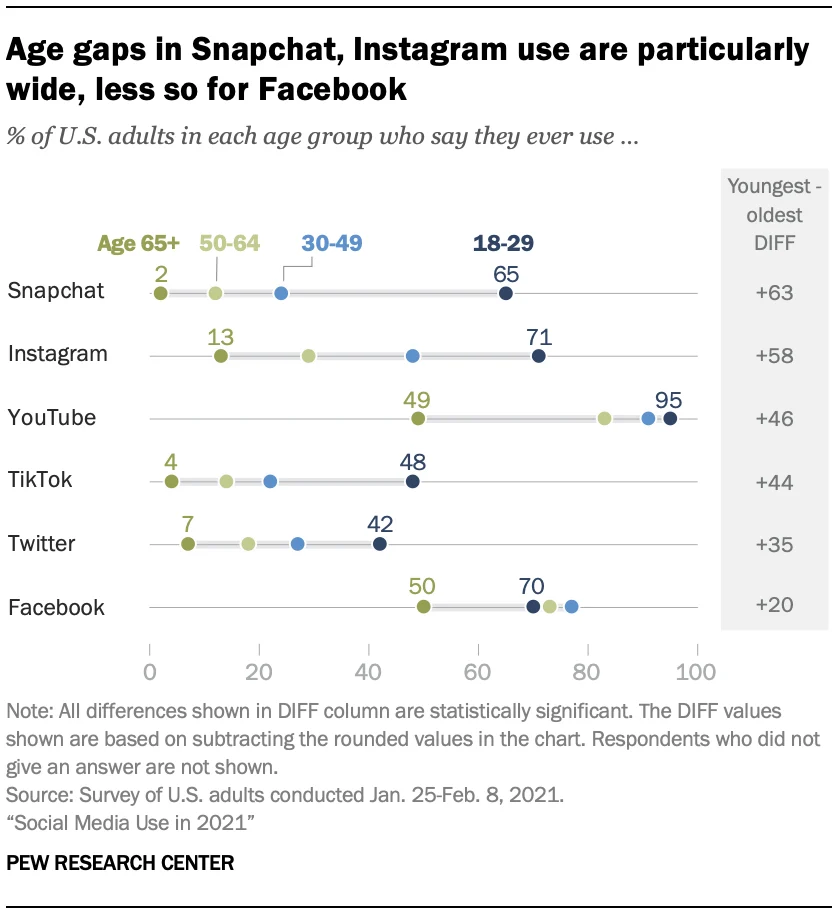
“Target” is a cornerstone of effective marketing strategy, a critical element in defining who a brand is speaking to. This crucial keyword encompasses various segmentation approaches, including behavioral, psychographic, demographic, and geographic targeting. While these methodologies are vital, a comprehensive marketing plan must also acknowledge and adapt to the distinct communication preferences and consumption habits of different generational cohorts. This series delves into the nuances of digital marketing across key generations: Gen Z (born 1995-2010), Millennials (1980-1994), Gen X (1960-1979), and Baby Boomers (1940-1959), aiming to equip marketers with the insights needed to reach these groups effectively with the right message and through the appropriate channels.
The initial focus of this series is on the youngest and most digitally immersed demographic: Generation Z. Often referred to as the “iGeneration” or “Zoomers,” this cohort represents a significant and evolving consumer force. As they increasingly enter the workforce and exert their purchasing power, understanding their unique characteristics is paramount for any brand seeking relevance.
The Genesis of Gen Z: Shaping a Digital-First Identity
Generation Z emerged into a world shaped by rapid technological advancement and a series of significant global events. They are the first generation to have grown up entirely within the digital age, with smartphones, the internet, and social media being integral parts of their upbringing. This ubiquitous digital exposure has profoundly influenced their worldview and consumer behavior.
Key formative experiences for Gen Z include:
- The Post-9/11 Era: Growing up in the shadow of global security concerns and geopolitical shifts has instilled a sense of realism and a heightened awareness of the world’s complexities.
- The Great Recession (2008): Witnessing the economic struggles of their parents and families during this period has fostered a pragmatic and financially cautious mindset. This experience often translates into a desire for value and a skepticism towards frivolous spending.
- The Rise of Social Media and Digital Platforms: From their early years, Gen Z has been immersed in platforms like YouTube, Instagram, TikTok, and Snapchat. This has cultivated a fluency in digital communication, a preference for visual content, and an expectation of instant information access.
- The COVID-19 Pandemic: As many Gen Zers entered high school, college, or the workforce, the global pandemic presented unprecedented challenges. This period further emphasized their adaptability, resilience, and reliance on digital tools for education, social connection, and entertainment.
These collective experiences have cultivated a generation that is often characterized as realistic, open-minded, pragmatic, and highly ethical. They are digital natives, comfortable navigating the online landscape, and possess a mobile-first approach to information consumption.

The Gen Z Mindset: Values, Skepticism, and Uniqueness
The defining characteristic of Gen Z is their unparalleled comfort and proficiency with digital technology. This is not merely about usage; it’s about an inherent understanding of how digital tools shape communication, information dissemination, and social interaction. This “digital-first” mentality permeates their approach to everything, including their consumption habits.
Gen Z consumers are known for:
- Pragmatism and Realism: Shaped by observing economic downturns and global uncertainties, they tend to be more grounded and less idealistic than previous generations. They prioritize practical solutions and tangible value.
- Open-mindedness and Inclusivity: Having grown up in a more diverse and interconnected world, Gen Z generally exhibits a strong sense of inclusivity and acceptance of different backgrounds, identities, and perspectives.
- Ethical Consumerism: Gen Z is deeply concerned with social and environmental issues. They are more likely to support brands that align with their values, demonstrating ethical sourcing, sustainability practices, and a commitment to social responsibility. This ethical compass significantly influences their purchasing decisions, making them highly discerning buyers.
- Skepticism Towards Traditional Advertising: Having been bombarded with advertisements across various digital platforms since childhood, Gen Z has developed a sophisticated ability to filter out inauthentic or overly promotional content. They are less swayed by overt sales pitches and more receptive to genuine, value-driven messaging.
- Short Attention Spans and Preference for Concise Content: The fast-paced nature of digital media has conditioned Gen Z to process information quickly. They prefer short-form video, visually appealing content, and direct, to-the-point messaging. Lengthy or convoluted advertisements are likely to be ignored.
- Valuing Uniqueness and Authenticity: Gen Z actively seeks to express their individuality and celebrates authenticity. They are drawn to brands that allow them to showcase their personality and that foster a sense of unique identity. This extends to their consumption of media, where user-generated content and influencer marketing often resonate more strongly than polished corporate messaging.
Gen Z Consumption Habits: Data-Driven Insights
Research into Gen Z consumption patterns reveals several key trends that marketers must acknowledge. A study by McKinsey & Company, for instance, highlights crucial aspects of how this generation approaches purchasing decisions. While the specific data points are not detailed in the provided text, the implication is that their consumption is heavily influenced by their values, digital fluency, and pragmatic outlook.
Generally, Gen Z’s consumption is characterized by:
- A Preference for Online Shopping: While not exclusively online, Gen Z is highly comfortable with e-commerce, often researching products extensively online before making a purchase, whether online or in-store.
- Influencer Marketing Impact: They are significantly influenced by social media influencers and content creators who they perceive as authentic and relatable. Recommendations from peers and trusted online personalities carry substantial weight.
- Value-Consciousness: Due to their pragmatic nature and the economic uncertainties they’ve witnessed, Gen Z seeks good value for their money. This doesn’t necessarily mean the cheapest option, but rather a product or service that offers quality and utility at a reasonable price point.
- Brand Loyalty Tied to Values: While they can be loyal to brands, this loyalty is often earned through demonstrated commitment to ethical practices, social responsibility, and authentic engagement, rather than simply through price or tradition.
- Demand for Personalization: Gen Z expects personalized experiences. They are more likely to engage with marketing that feels tailored to their interests and needs, leveraging data to deliver relevant content and offers.
Strategic Marketing to Generation Z: Platforms and Messaging
Understanding the Gen Z mindset and consumption habits is the first step; the next is to translate this knowledge into effective digital marketing strategies. This involves identifying the most impactful platforms and crafting messaging that resonates with their preferences.
Platforms to Reach Gen Z
Gen Z’s digital landscape is diverse, but certain platforms stand out for their engagement and reach:

- TikTok: This short-form video platform has become a cultural phenomenon and a primary hub for Gen Z content consumption and creation. Its algorithm-driven feed and emphasis on trends and creativity make it ideal for viral marketing campaigns and engaging challenges.
- Instagram: While its dominance among younger demographics has been challenged, Instagram remains a significant platform for Gen Z, particularly for visual content, stories, and influencer collaborations.
- YouTube: As the largest video-sharing platform, YouTube is a go-to for Gen Z for entertainment, education, and product reviews. Longer-form content, tutorials, and vlogs can effectively capture their attention.
- Snapchat: Known for its ephemeral messaging and augmented reality filters, Snapchat offers a more private and casual space for Gen Z to connect and share.
- Twitch: For gaming and esports enthusiasts within Gen Z, Twitch is a vital platform for live streaming, community engagement, and brand partnerships.
- Discord: This communication platform has gained significant traction among Gen Z for building communities around shared interests, gaming, and social interaction.
Marketers must consider the unique audience and content formats prevalent on each platform. A one-size-fits-all approach is unlikely to succeed. Data visualization, such as an age demographic breakdown across social media platforms, underscores the need for platform-specific strategies. For instance, while older generations might still heavily engage with Facebook, Gen Z’s activity is more concentrated on newer, more dynamic platforms.
Messaging That Speaks to Gen Z
Crafting effective messaging for Gen Z requires authenticity, conciseness, and a focus on value and impact. Based on their characteristics, successful messaging often includes:
- Authenticity and Transparency: Gen Z can easily detect inauthentic marketing. Brands should adopt a genuine voice, be transparent about their products and practices, and avoid overly polished or corporate-speak. User-generated content and behind-the-scenes glimpses often perform well.
- Value-Driven and Purpose-Oriented: Highlight how a product or service solves a problem, provides a benefit, or aligns with their values. Messaging that emphasizes sustainability, social impact, or ethical production resonates strongly.
- Short-Form and Visually Engaging: Prioritize concise, attention-grabbing content. Short videos, compelling imagery, and infographics are more likely to be consumed and shared than lengthy text-based advertisements.
- Interactive and Engaging: Encourage participation through polls, Q&As, contests, and challenges. Gen Z enjoys being part of the conversation and contributing to brand narratives.
- Humor and Relatability: While not universally true, many Gen Zers appreciate a sense of humor and content that reflects their everyday experiences and internet culture. However, humor must be used judiciously and authentically.
- Focus on Solutions, Not Just Features: Instead of listing product features, explain how the product or service will improve their lives, solve a problem, or help them achieve a goal.
- Micro-Influencer Collaborations: Partnering with micro-influencers who have a dedicated and engaged following within specific niches can offer a more authentic and cost-effective way to reach Gen Z segments.
Broader Implications and the Future of Marketing
The rise of Generation Z signals a fundamental shift in consumer behavior and marketing expectations. Brands that fail to adapt to their preferences risk becoming irrelevant. The emphasis on authenticity, ethical practices, and digital fluency will continue to shape marketing strategies across all industries.
The data-driven insights into Gen Z consumption highlight the need for:
- Agile Marketing Strategies: The digital landscape and Gen Z trends evolve rapidly. Marketers must be prepared to adapt their strategies quickly and continuously.
- Personalized Experiences at Scale: Leveraging data and technology to deliver personalized content and offers without compromising privacy is crucial.
- Community Building: Fostering a sense of community around a brand can create deeper engagement and loyalty.
- Ethical Brand Governance: Gen Z’s commitment to values means that brand ethics are no longer a secondary consideration but a core component of brand perception and success.
In conclusion, understanding Generation Z is not merely about targeting a demographic; it’s about comprehending a cultural evolution driven by technology, global events, and a unique set of values. By embracing authenticity, prioritizing ethical practices, and engaging through relevant digital channels with compelling messaging, brands can forge meaningful connections with this influential and dynamic generation, securing their place in the future marketplace.
For those seeking to refine their digital marketing strategies to effectively connect with the Gen Z audience, consulting with experienced teams specializing in digital marketing solutions can provide tailored guidance and actionable insights.