rifanmuazin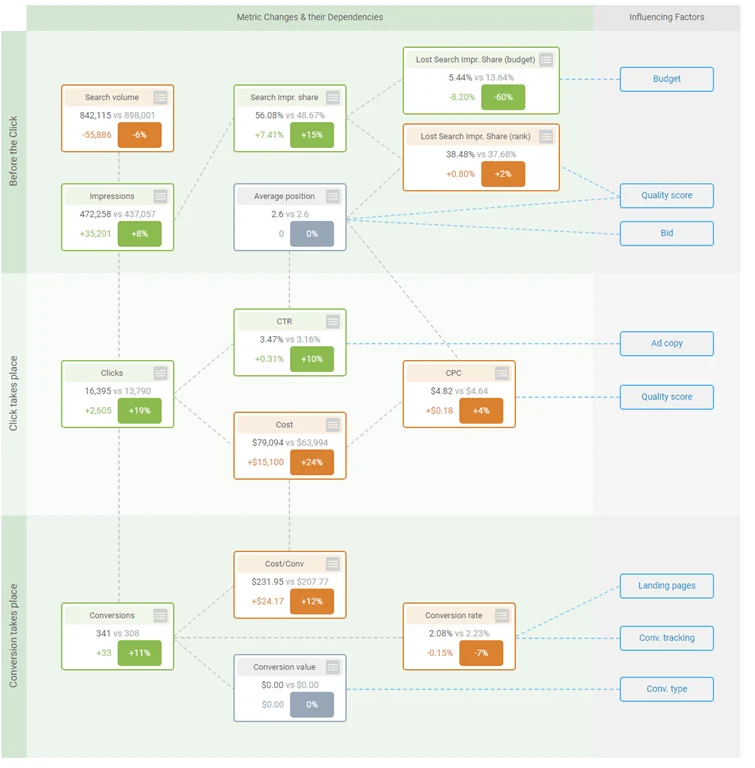
Adalysis, the award-winning PPC management software provider, has embarked on an extensive content series dedicated to the critical domain of Pay-Per-Click (PPC) Key Performance Indicator (KPI) monitoring. This in-depth exploration, running for several months, aims to equip digital marketers with the knowledge and tools necessary to effectively track, analyze, and optimize their PPC campaigns. The series, which has garnered significant readership, is being highlighted across industry platforms to ensure maximum reach and impact.
The initiative underscores Adalysis’ commitment to providing valuable insights and actionable strategies for PPC professionals navigating the complexities of the digital advertising landscape. With the ever-evolving nature of online advertising, a robust understanding of KPI monitoring is no longer a mere advantage but a fundamental necessity for achieving campaign success and maximizing return on investment (ROI).
Unpacking the Pillars of PPC KPI Monitoring
The Adalysis series delves into the multifaceted aspects of PPC KPI monitoring, moving beyond superficial metrics to explore the underlying drivers of performance. While the specific structure of the early parts of the series is not fully detailed in the provided content, the focus is clearly on establishing a foundational understanding of what constitutes effective KPI tracking. This involves identifying the most relevant metrics for different campaign objectives, understanding how these metrics interact, and establishing benchmarks for performance evaluation.
Industry reports consistently highlight the importance of data-driven decision-making in PPC. For instance, a recent study by Statista indicated that over 70% of digital marketers rely heavily on analytics to inform their campaign strategies. The Adalysis series directly addresses this need by providing a systematic approach to data interpretation. It aims to demystify complex data sets, enabling marketers to move from simply reporting numbers to understanding the “why” behind them.

A Chronological Approach to Performance Analysis
The series, as it unfolds, adopts a chronological and diagnostic approach to understanding PPC performance. A key upcoming installment, titled “KPI Monitoring & Diagnosis: Why Does the Number of Clicks You Receive Change Over Time?”, exemplifies this methodology. This particular article promises to tackle one of the most common and perplexing issues faced by PPC managers: fluctuations in click volume.
Understanding the reasons behind such shifts is crucial for proactive campaign management. These changes can be influenced by a myriad of factors, including:
- Seasonal Trends and Market Demand: Fluctuations in consumer interest and purchasing behavior tied to specific times of the year (e.g., holidays, back-to-school season) can significantly impact search volume and, consequently, clicks.
- Competitive Landscape: Increased competition from other advertisers bidding on the same keywords can lead to higher Cost-Per-Click (CPC) and potentially reduced impression share, impacting click volume. Conversely, a decrease in competition might lead to more affordable clicks and potentially higher volume.
- Algorithm Changes: Search engine algorithms are constantly updated. These changes can affect ad ranking, eligibility, and the visibility of ads, thereby influencing click-through rates (CTR) and overall clicks. For example, Google Ads’ algorithm updates, such as those related to ad relevance or quality score, can have a direct impact.
- Budgetary Constraints: Reaching daily or campaign budget caps can prematurely halt ad serving, directly reducing the potential number of clicks received within a given period.
- Targeting Adjustments: Changes to audience targeting, including demographics, interests, or location, can either expand or contract the potential reach of an ad campaign, leading to variations in click volume.
- Ad Copy and Creative Performance: The effectiveness of ad copy, headlines, and calls to action plays a vital role in attracting user attention and encouraging clicks. Poorly performing ads will naturally see fewer clicks.
- Landing Page Experience: While not directly impacting the number of clicks received, a poor landing page experience can lead to high bounce rates and low conversion rates, prompting advertisers to re-evaluate their targeting and ad messaging, which can indirectly influence click volume optimization.
- Search Query Changes: The actual terms users are searching for can evolve. If an advertiser’s keywords no longer align with emerging search queries, click volume may decline.
By dissecting these variables, Adalysis aims to empower marketers to not only identify these changes but also to accurately diagnose their root causes and implement appropriate corrective actions. This diagnostic capability is a cornerstone of effective PPC management, moving beyond reactive adjustments to a more strategic and predictive approach.
Visualizing the Depth of Analysis
To illustrate the comprehensive nature of their content, Adalysis has provided visual previews of the insights offered within the series. These images, though limited in their descriptive capacity, suggest a focus on data visualization and in-depth reporting.
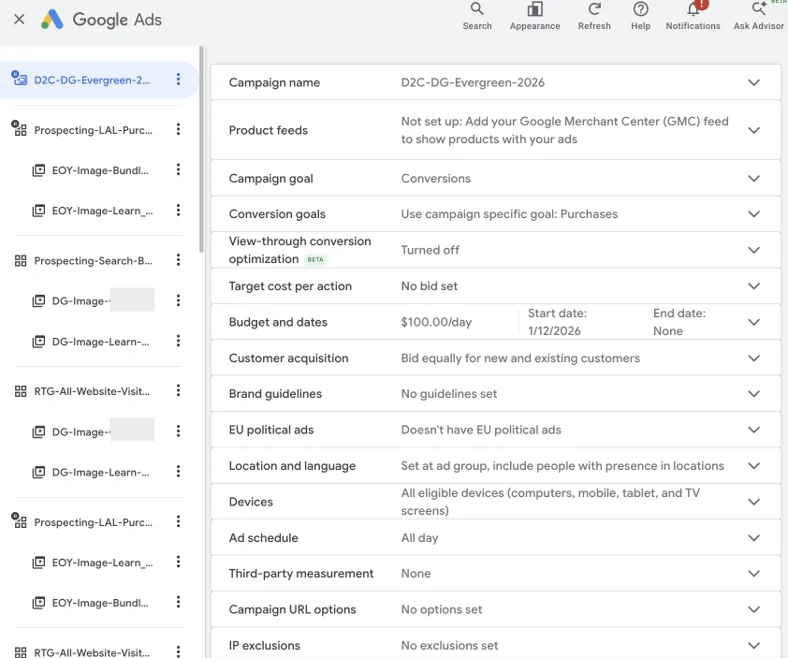
- The first image, seemingly an interface screenshot, might represent a dashboard or a reporting module within the Adalysis platform, highlighting key performance metrics and trend analysis. The presence of graphs and numerical data indicates a focus on quantifiable performance.
- The second image, also appearing to be a visual representation of data, could be showcasing comparative analysis or historical performance trends. The way data is presented visually is crucial for quick comprehension and identification of patterns.
- The third image, appearing as a more detailed chart or diagram, suggests a deeper dive into specific analytical tools or methodologies. The complexity hints at the technical depth of the series, moving beyond basic reporting to offer advanced diagnostic capabilities.
These visuals are intended to convey the practical, data-rich nature of the content, assuring readers that the series offers more than just theoretical advice. It promises tangible tools and techniques for understanding and improving PPC performance.

Background and Context: The Rise of Data-Driven Marketing
The emphasis on KPI monitoring by Adalysis is situated within a broader industry trend towards data-driven marketing. In the early days of PPC, success was often measured by simpler metrics like impressions and clicks. However, as the digital advertising ecosystem matured and competition intensified, the need for more sophisticated performance analysis became paramount.
The introduction of advanced analytics platforms and the increasing availability of granular data have transformed how marketers approach campaign optimization. Organizations that effectively leverage data to understand customer behavior, measure campaign effectiveness, and identify areas for improvement are consistently outperforming their less data-centric counterparts.
Adalysis, as a PPC management software, is at the forefront of this shift. By developing tools and creating educational content that facilitates deeper data analysis, the company is enabling its users to gain a competitive edge. The award-winning status of Adalysis further solidifies its position as a leader in this space, suggesting that its software and its content are recognized for their quality and efficacy.
The Broader Impact and Implications
The comprehensive series on PPC KPI monitoring by Adalysis has significant implications for the digital marketing industry.
- Enhanced Campaign Efficiency: By providing marketers with the tools and knowledge to understand performance fluctuations, the series will enable them to identify inefficiencies, optimize ad spend, and ultimately achieve higher ROI. This directly benefits businesses by ensuring their advertising budgets are utilized effectively.
- Democratization of Advanced Analytics: The accessibility of this series, likely free to the public, means that marketers of all levels, from small business owners to seasoned agency professionals, can gain access to sophisticated analytical insights. This helps to level the playing field in the competitive digital advertising landscape.
- Industry Best Practices: Adalysis’ commitment to educating the market on best practices in KPI monitoring contributes to the overall advancement of the PPC industry. As more professionals adopt these methods, the quality and effectiveness of PPC advertising will likely improve across the board.
- Innovation in PPC Management Software: The continuous development of such in-depth content by Adalysis suggests a proactive approach to understanding the evolving needs of PPC managers. This can, in turn, influence the development of future features and functionalities within PPC management software.
The series offers a clear call to action for interested parties: to explore the complete collection of articles on the Adalysis blog, specifically within the “PPC Management/Performance Analyzer” category, or to subscribe directly to the Adalysis blog for ongoing updates and insights. This proactive dissemination of knowledge highlights Adalysis’ dedication to fostering a more informed and effective digital advertising community. The series is a testament to the company’s belief that a deep understanding of performance data is the key to unlocking sustained success in the dynamic world of PPC advertising.