
 rifanmuazin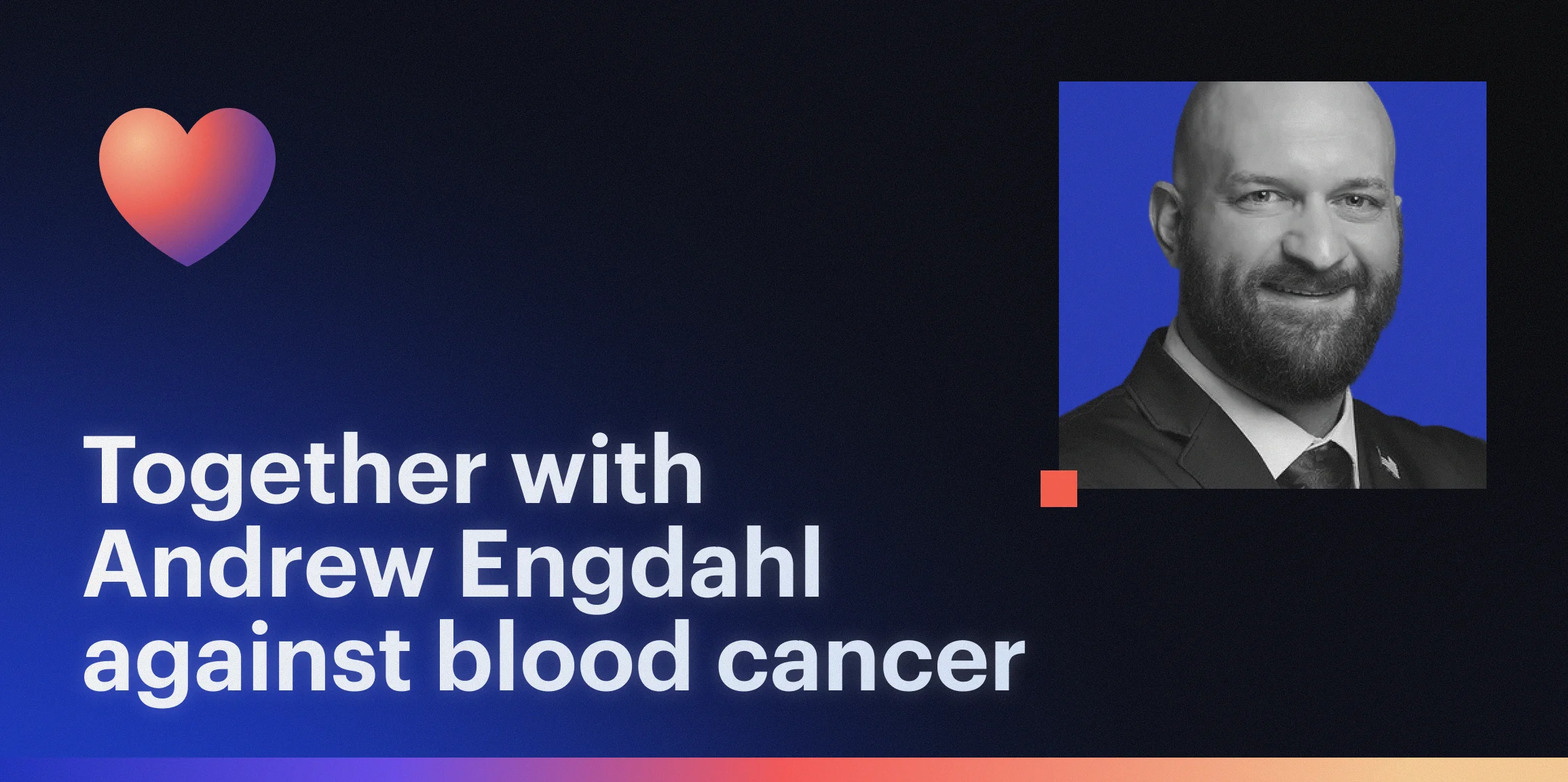
The intersection of corporate leadership and philanthropic advocacy has taken center stage at Instapage, a leading digital marketing landing page platform, as the company announces the nomination of its Head of Sales, Andrew Engdahl, for the prestigious Visionaries of the Year award. Organized by Blood Cancer United, the campaign recognizes influential leaders who leverage their professional networks and personal platforms to advance the fight against hematologic malignancies. Engdahl’s nomination is not merely a recognition of his professional success at Instapage, where he has been instrumental in securing major accounts and scaling the global sales division, but a testament to his survival and subsequent dedication to patient advocacy following a life-threatening battle with Stage 4 Non-Hodgkin’s Lymphoma.
The Visionaries of the Year campaign is a highly competitive philanthropic initiative that tasks community and business leaders with raising funds and awareness for blood cancer research and patient support services. For Engdahl, the campaign represents a formalization of a journey that began in 2022, transforming a personal medical crisis into a public mission to improve outcomes for those diagnosed with similar conditions. As he transitions from a survivor in remission to a vocal advocate, his efforts are being met with significant support from both the tech industry and the medical community.
A Chronology of Resilience: From Diagnosis to Remission
The narrative of Andrew Engdahl’s advocacy is inextricably linked to a rapid and harrowing medical timeline that began in the summer of 2022. At the time, Engdahl was a high-performing executive at Instapage, navigating the high-pressure environment of SaaS sales. What initially presented as routine physical discomfort—described as simple muscle tension—quickly escalated into a systemic health crisis. Upon seeking medical consultation, diagnostic imaging and blood work revealed a diagnosis of Stage 4 Non-Hodgkin’s Lymphoma, an advanced form of cancer that originates in the lymphatic system and, in Engdahl’s case, had spread significantly.
The severity of the diagnosis necessitated immediate and aggressive medical intervention. The malignancy had impacted his skeletal structure, leading to emergency major spinal surgery to stabilize his condition. This was followed by a grueling treatment regimen designed to eradicate the cancerous cells from his body and prevent a recurrence in the central nervous system. Over the course of several months, Engdahl underwent four lumbar punctures—a procedure used to deliver chemotherapy directly into the cerebrospinal fluid—and six comprehensive chemotherapy infusions.
The recovery process extended beyond the clinical setting. Following the completion of his primary treatments, Engdahl engaged in six months of intensive physical therapy and yoga to regain the mobility and strength lost during the surgery and systemic treatments. This period of rehabilitation was critical not only for his physical recovery but for his mental transition back into a leadership role. By 2024, Engdahl reached the milestone of nearly three years in remission, a period characterized by a renewed sense of purpose and a commitment to “paying it forward” to the medical and support systems that facilitated his recovery.
Understanding the Landscape of Blood Cancer
To understand the weight of Engdahl’s campaign, it is necessary to examine the broader context of blood cancers in the United States and globally. Leukemia, lymphoma, and myeloma are the primary types of blood cancer, and collectively, they account for a significant portion of cancer diagnoses annually. Non-Hodgkin’s Lymphoma (NHL), the specific disease Engdahl fought, is one of the most common cancers in the United States, accounting for about 4% of all cancers.
According to data from the American Cancer Society and the National Cancer Institute’s SEER program, approximately 80,620 people were diagnosed with NHL in 2024 alone. While the five-year relative survival rate for NHL has improved significantly due to advancements in immunotherapy and targeted treatments—currently standing at approximately 74%—the prognosis for Stage 4 patients remains more complex, requiring the kind of intensive, multi-modal treatment Engdahl experienced.
The research funded by organizations like Blood Cancer United is pivotal in developing these life-saving therapies. In the last decade, the FDA has approved dozens of new treatments for blood cancers, many of which were made possible through the fundraising efforts of philanthropic campaigns. Engdahl’s goal of raising $50,000 is aimed directly at these efforts, providing the necessary capital for clinical trials and the development of next-generation therapies that reduce the long-term side effects of treatment.
The Visionaries of the Year Campaign and Fundraising Objectives
The Visionaries of the Year initiative is designed to empower leaders to act as “visionaries” for a future without blood cancer. Candidates are selected based on their leadership qualities, their connection to the cause, and their ability to mobilize their communities. Engdahl officially launched his campaign on World Cancer Day, a global initiative led by the Union for International Cancer Control (UICC) to raise awareness and personal action.
Engdahl’s fundraising target of $50,000 is structured to support three primary pillars of the fight against cancer:
- Research: Funding scientists who are exploring the genetic and molecular drivers of blood cancer to develop more effective, less toxic treatments.
- Patient Support: Providing financial assistance and educational resources to families navigating the complexities of a cancer diagnosis, which can often be financially devastating.
- Advocacy: Working at the policy level to ensure that cancer patients have equitable access to care and that the healthcare system prioritizes oncology research.
In a statement regarding his motivation, Engdahl emphasized the sense of duty he feels toward the medical community and his peers. “I feel that I owe it to my physicians, my friends, family, and teammates, and all those affected by the scourge of blood cancer to pay it forward and make a difference while I still have the strength and ability to do so,” Engdahl noted. This sentiment reflects a growing trend of “survivor-leadership,” where individuals use their lived experience to drive corporate social responsibility (CSR) within their organizations.
Corporate Culture and the Role of Instapage
The support from Instapage highlights the importance of corporate culture in fostering resilience and community engagement. As Head of Sales, Engdahl is a central figure in the company’s executive structure. His ability to lead a global team while managing a recovery process has been cited by the company as an inspiration to his colleagues.
Industry analysts suggest that when leadership is transparent about personal challenges and advocacy, it can lead to higher levels of employee engagement and a stronger brand identity. Instapage’s decision to amplify Engdahl’s campaign aligns with modern ESG (Environmental, Social, and Governance) standards, which increasingly look at how companies support the health and well-being of their employees and contribute to broader societal challenges.
The company has utilized its internal and external communication channels to raise awareness for Engdahl’s campaign, encouraging donations through his dedicated campaign page. By integrating his story into the company’s narrative, Instapage is positioning itself as an organization that values the “whole person” rather than just professional output. This approach is particularly relevant in the tech sector, where burnout is common and the “human element” of leadership is often overlooked.
Broader Implications and the Future of Oncology Philanthropy
Engdahl’s campaign comes at a time when the philanthropic landscape is shifting. Traditional gala-based fundraising is increasingly being supplemented by peer-to-peer, digital-first campaigns that leverage social media and professional networks like LinkedIn. The success of a $50,000 goal depends heavily on the ability of the candidate to articulate a compelling “why,” and Engdahl’s survival story provides a powerful catalyst for donor engagement.
Furthermore, the focus on blood cancer research often has “spillover” benefits for other types of oncology. Historically, discoveries in blood cancer—such as the development of chemotherapy and more recently, CAR-T cell therapy—have paved the way for treatments in solid tumor cancers. Therefore, the funds raised by Engdahl’s campaign contribute to a broader scientific understanding of oncology that benefits the entire medical field.
As the campaign progresses, the impact of Engdahl’s work will be measured not just in dollars raised, but in the visibility he brings to the reality of being a “working survivor.” His journey highlights the necessity of early detection and the importance of a robust support system. For those currently facing a diagnosis, Engdahl serves as a tangible example of the possibility of returning to a high-functioning, impactful life after Stage 4 cancer.
Conclusion: A Vision for the Future
The nomination of Andrew Engdahl for Visionaries of the Year is a significant milestone for both the individual and the Instapage community. It marks the transition of a personal health battle into a collective effort to dismantle the barriers to effective cancer care. With nearly three years of remission behind him and a global sales team under his leadership, Engdahl is utilizing his platform to ensure that future patients have the same “second chance at life” that he received.
As the campaign moves toward its conclusion, the focus remains on the $50,000 goal and the tangible research it will fund. In the broader context of the tech industry, Engdahl’s advocacy serves as a reminder that the most impactful leadership often stems from a place of profound personal resilience and a genuine commitment to the welfare of others. The fight against blood cancer is ongoing, but through the efforts of survivors-turned-visionaries like Engdahl, the path toward a cure becomes increasingly clear.








