rifanmuazin
In an increasingly fragmented digital economy, the traditional model of siloed marketing departments—where social media, email, public relations, and affiliate programs operate independently—is rapidly becoming obsolete. Organizations are now pivoting toward a holistic marketing philosophy, a comprehensive approach that integrates every aspect of a business to deliver a singular, unified brand message. This strategic shift is not merely a trend in brand management but a fundamental requirement for companies seeking to scale their affiliate marketing programs and ensure long-term commercial viability. By aligning internal operations, relationship management, and societal responsibilities, businesses can create a seamless customer journey that fosters trust and maximizes lifetime value.
The evolution of marketing from a product-centric “4Ps” model (Product, Price, Place, Promotion) to a holistic framework marks a significant turning point in corporate strategy. Holistic marketing operates on the premise that “everything matters” in marketing. This means that a customer’s interaction with a customer service representative is just as vital to the brand image as a high-budget television commercial or a specialized affiliate blog post. When these touchpoints are synchronized, they reinforce a cohesive identity; when they are disjointed, they create “brand friction,” which often leads to consumer skepticism and lost revenue.
The Four Dimensions of a Holistic Marketing Framework
To implement this strategy effectively, industry analysts categorize holistic marketing into four primary dimensions: internal marketing, relationship marketing, integrated marketing, and societal marketing. Each dimension serves as a pillar that supports the overall brand architecture.
Internal Marketing and Organizational Alignment
Internal marketing focuses on the premise that employees are a company’s first customers. In a holistic model, it is essential that every staff member—from human resources to product development—understands the brand’s core values and vision. When employees are engaged and informed, their performance improves, and they become natural brand advocates. For affiliate managers, this means ensuring that the service providers and partners promoting the brand are equipped with the same depth of knowledge as internal staff. If the people selling the product do not believe in its value or understand its mission, the end consumer will inevitably sense the disconnect.
Relationship Marketing and Partner Ecosystems
Beyond simple transactions, relationship marketing prioritizes the cultivation of long-term, mutually beneficial connections. This dimension extends to customers, suppliers, wholesalers, and particularly affiliates. In the context of affiliate marketing, this involves moving away from a purely transactional “commission-per-click” mindset and toward a partnership model. By treating affiliates as brand ambassadors and keeping them informed of broader company goals, businesses can increase the quality of traffic and improve retention rates. Research indicates that increasing customer retention rates by just 5% can increase profits by 25% to 95%, underscoring the financial imperative of relationship-focused strategies.

Integrated Marketing and Messaging Consistency
Integrated marketing ensures that all communication channels—social media, SEO, paid advertising, and affiliate content—speak with one voice. This requires a synchronized marketing mix where the brand’s unique selling propositions (USPs) are consistent across the board. If an affiliate promotes a product as a “luxury solution” while a company’s own social media presents it as a “budget alternative,” the resulting confusion damages brand equity. Holistic marketing demands that logos, fonts, colors, and, most importantly, core values remain uniform across every platform.
Societal Marketing and Corporate Responsibility
Modern consumers, particularly Millennials and Gen Z, increasingly favor brands that demonstrate ethical practices and social responsibility. Societal marketing involves integrating philanthropy, sustainability, and community support into the business model. This not only enhances a company’s reputation but also provides affiliates with meaningful stories to share. When a company sponsors a local event or adopts a carbon-neutral policy, these actions serve as powerful PR tools that resonate with an audience’s values, building a deeper level of trust than traditional advertising ever could.
Chronology of Implementing a Holistic Strategy
The transition to a holistic marketing model is a multi-phase process that requires top-down commitment and rigorous data analysis.
- Objective Setting (Phase I): Organizations must define SMART (Specific, Measurable, Attainable, Relevant, and Time-bound) goals. These objectives must be shared across all departments to ensure that the sales team’s targets do not conflict with the marketing team’s brand-building efforts.
- Audience Intelligence (Phase II): Comprehensive market research is conducted to create detailed buyer personas. In a holistic model, these insights are shared with affiliates to help them target high-quality traffic.
- Cross-Departmental Synchronization (Phase III): Silos are broken down through regular inter-departmental meetings. For example, the customer service team provides feedback to the marketing team about common pain points, which are then addressed in affiliate educational materials and website copy.
- Data-Driven Optimization (Phase IV): Using advanced analytics, companies track the customer journey from the first affiliate touchpoint to the final checkout and subsequent post-purchase interactions. This data is used to refine the strategy in real-time.
Supporting Data: The Economic Impact of Brand Consistency
Statistical evidence highlights the tangible benefits of a unified marketing approach. According to industry reports from Marq (formerly Lucidpress), consistent brand presentation across all platforms can increase revenue by up to 33%. Furthermore, a study by McKinsey & Company revealed that companies with a strong focus on the “customer journey”—a hallmark of holistic marketing—see a 10% to 15% increase in revenue and a 20% increase in customer satisfaction.
In the affiliate sector, data shows that affiliates are 40% more likely to promote brands that provide clear, consistent marketing assets and demonstrate high conversion rates driven by a seamless user experience. When a brand’s holistic strategy is functioning correctly, the “snowball effect” takes hold: satisfied customers become repeat buyers, repeat buyers become brand advocates, and high-performing affiliates are attracted to the brand’s stability and professional image.
Case Study: Apple Inc.’s Holistic Excellence
Apple Inc. serves as a primary global benchmark for holistic marketing. The company’s success is not merely due to its technology but its ability to maintain an airtight brand ecosystem. Every touchpoint, from the minimalist aesthetic of its retail stores to the intuitive interface of its software, communicates a message of “simplicity and innovation.”
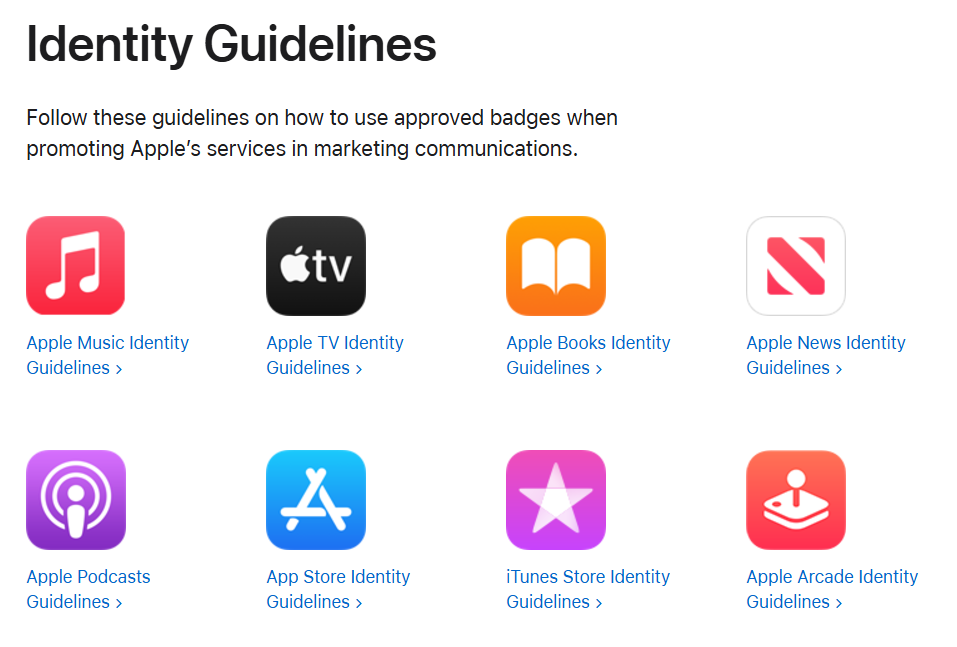
Apple’s internal marketing ensures that “Genius Bar” employees are deeply immersed in the brand’s culture, resulting in authentic customer interactions. Their “Apple Services Performance Partners Program” provides affiliates with strict guidelines and high-quality resources to ensure that external promotions do not dilute the brand’s premium image. Furthermore, Apple’s commitment to societal marketing—seen in its aggressive environmental goals and privacy-centric advertising—aligns its business operations with global consumer concerns, reinforcing loyalty across a diverse demographic.
The Future of Holistic Marketing: AI and Sustainability
As the digital landscape evolves, the integration of Artificial Intelligence (AI) and Machine Learning (ML) is expected to further enhance holistic strategies. These technologies allow for hyper-personalization, ensuring that the unified brand message is tailored to individual consumer preferences without losing its core identity. AI can bridge the gap between departments by providing a “single source of truth” for data, allowing marketing, sales, and operations to act on the same insights simultaneously.
Sustainability will also play a larger role in future holistic frameworks. As global regulations regarding carbon footprints and ethical sourcing tighten, companies that have already integrated societal marketing into their core strategy will be better positioned to navigate these changes. Affiliates, too, are increasingly vetting the brands they work with based on ethical standards, making corporate responsibility a key factor in partner acquisition and retention.
Broad Implications for the Marketplace
The adoption of holistic marketing represents a shift toward a more mature, ethical, and efficient marketplace. By viewing the business as a single entity rather than a collection of parts, companies can eliminate redundancies and optimize resource allocation. This approach reduces “marketing noise” for the consumer, providing a clear and enjoyable path from discovery to purchase.
For the affiliate marketing industry, the holistic approach elevates the profession. Affiliates are no longer seen as outsiders but as vital components of the marketing mix who require the same level of support and consistency as internal teams. This synergy not only drives immediate sales but also builds the brand equity necessary for sustainable growth in an era of intense competition.
In conclusion, holistic marketing is more than a tactical choice; it is a foundational philosophy. By prioritizing communication, teamwork, and a customer-centric worldview, businesses can ensure that their marketing efforts are not just loud, but resonant. In the complex journey of business growth, the holistic model provides the map and the compass, ensuring that every department, every partner, and every campaign moves in the same direction toward a shared vision of success.