rifanmuazin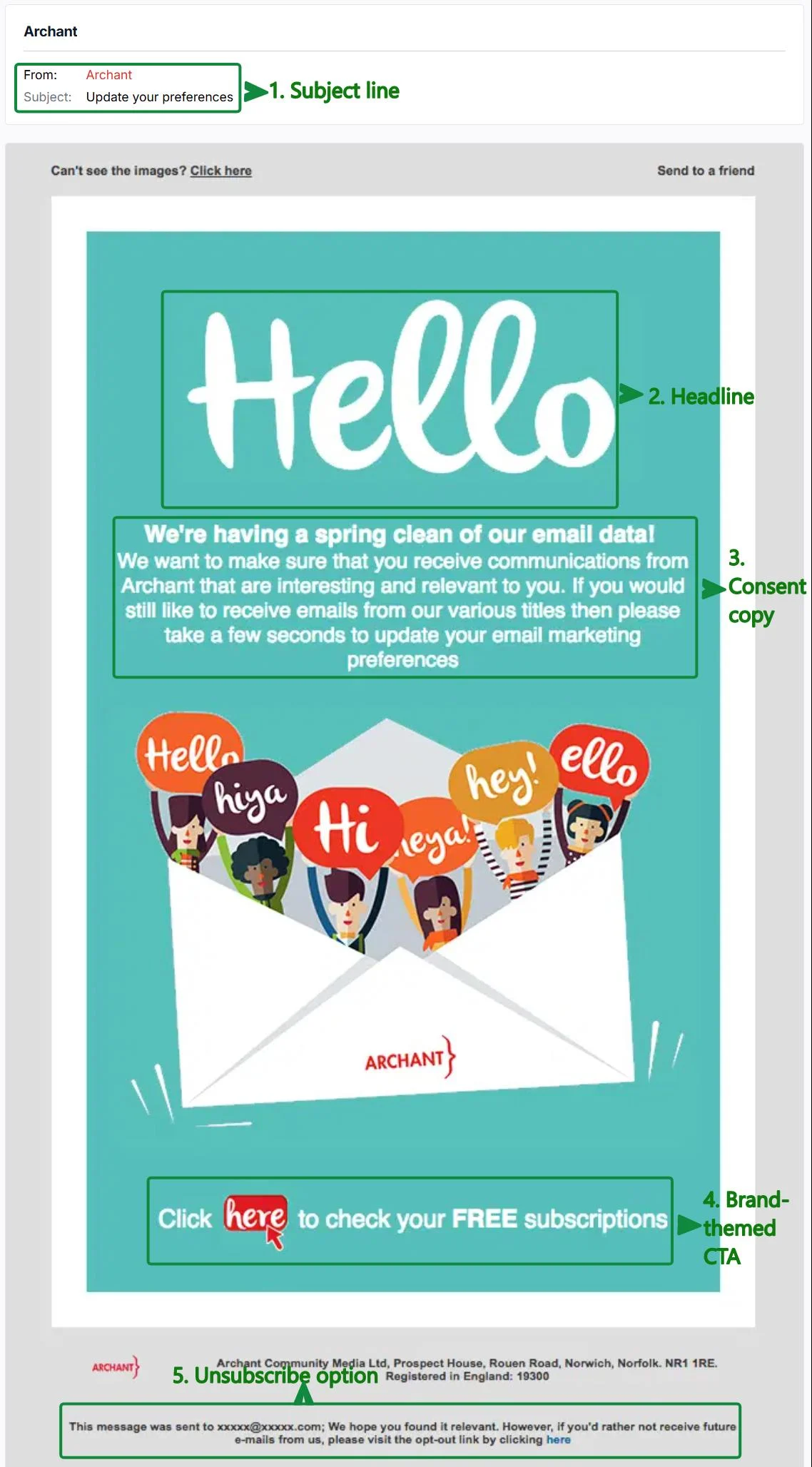
The Evolution of Email Marketing and the Rise of Consent
The trajectory of email marketing has undergone a profound transformation since its nascent stages. Initially characterized by unsolicited mass mailings, often referred to as “spam,” early email campaigns prioritized reach over relevance. However, this indiscriminate approach quickly led to diminishing returns, widespread consumer frustration, and severe deliverability issues as internet service providers (ISPs) implemented stringent filters. The advent of sophisticated analytics and a growing emphasis on customer experience catalyzed a paradigm shift towards permission-based marketing. Businesses began to understand that an engaged audience, even if smaller, yielded far greater value than a vast, uninterested one. This realization paved the way for opt-in strategies, where explicit consent became the bedrock of a healthy and profitable email program. The evolution reflects a broader societal movement towards greater data privacy and consumer autonomy, making permission not just a best practice, but a legal and ethical mandate.
Defining Opt-In: The Core of Permission-Based Marketing
At its essence, opt-in email marketing is a process where an individual actively and voluntarily grants permission to a brand to send them marketing communications. This direct agreement forms the basis of a respectful and effective marketing relationship, ensuring that messages are received by an audience that genuinely wants them. This consent is the crucial differentiator between a high-performing email list and one prone to neglect or being flagged as spam. Obtaining explicit permission translates directly into improved open rates, stronger engagement metrics, and fewer deliverability challenges, as ISPs favor senders whose emails are consistently opened and interacted with.
There are three primary forms of opt-in email marketing that businesses must understand:
- Single Opt-In: This is the most prevalent method, where a visitor enters their email address into a form and is immediately added to the mailing list. While convenient and low-friction, promoting rapid list growth, it carries the risk of including mistyped or fake addresses, potentially impacting list hygiene. It serves as an entry point for many initial opt-in strategies.
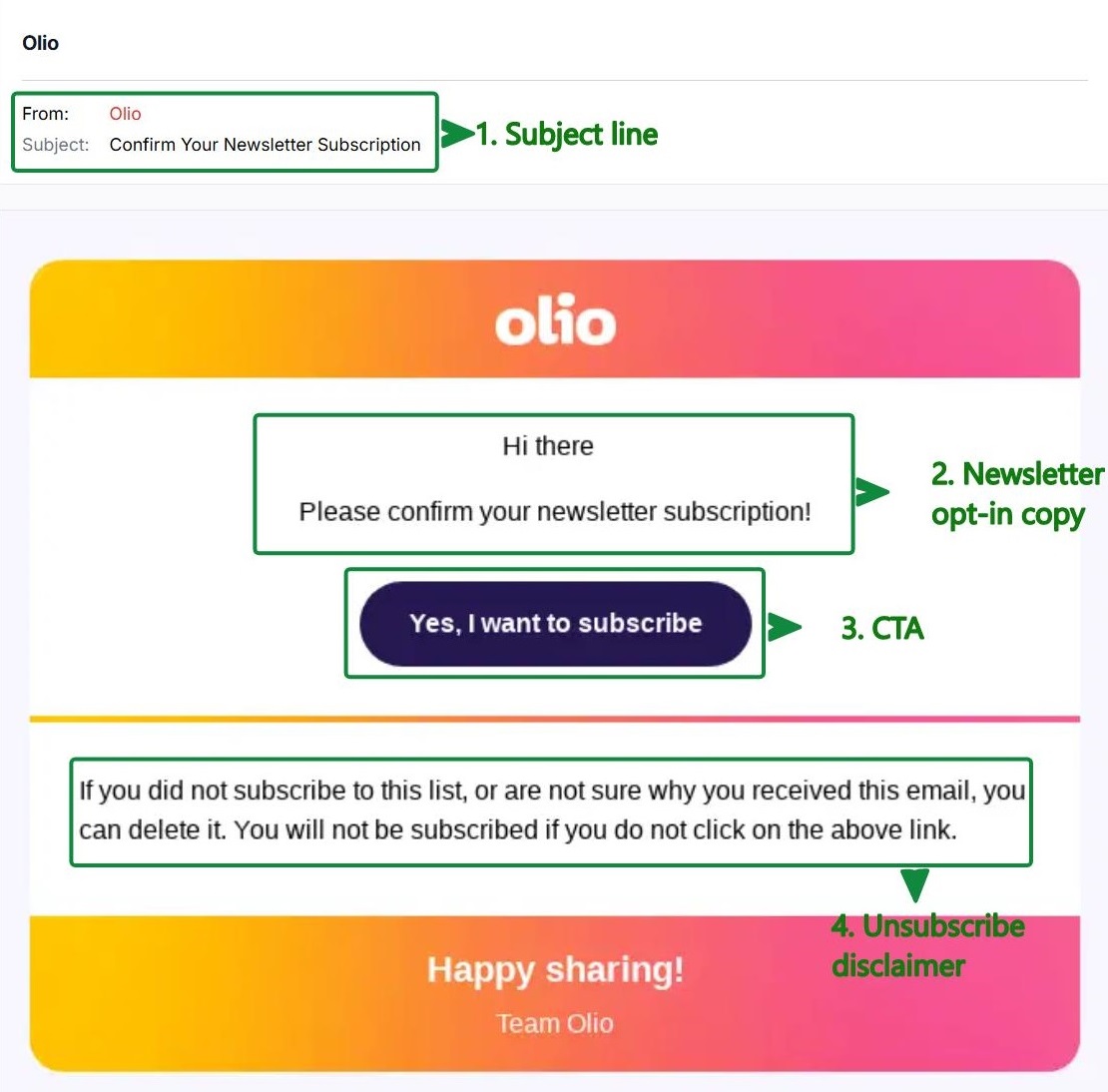
- Double Opt-In: Considered the “gold standard” in permission-based marketing, double opt-in requires subscribers to confirm their signup through a secondary verification step, typically by clicking a link in a confirmation email. This additional step rigorously filters out invalid addresses and bots, resulting in a smaller but significantly more engaged and higher-quality email list. This method is strongly recommended for its benefits to deliverability and subscriber quality. An example from Republic demonstrates this with a clear, concise confirmation email titled “Welcome to Republic” and a direct “Verify your email” call to action, free from distractions. Similarly, Olio’s newsletter opt-in confirmation reinforces trust by explicitly stating that subscription will not occur until the user clicks, preventing accidental sign-ups.
- Implied Opt-In: This occurs when a business relationship already exists, such as a recent purchase. While this allows for transactional or service-related emails, it generally does not extend to permission for marketing communications without explicit consent. Under stringent regulations like GDPR, implied consent alone is insufficient for sending promotional emails, highlighting a critical distinction between a customer relationship and marketing permission.
Navigating the Regulatory Landscape: GDPR, CAN-SPAM, and Beyond
The imperative for opt-in email marketing is not merely a strategic choice but a legal obligation in most major global markets. The past two decades have seen a significant tightening of data privacy laws, driven by increasing public concern over unsolicited communications and data misuse.
- The CAN-SPAM Act (Controlling the Assault of Non-Solicited Pornography And Marketing Act): Enacted in the United States in 2003, CAN-SPAM established national standards for the sending of commercial emails. While it doesn’t strictly require opt-in, it mandates several key provisions: clear identification of the sender, truthful subject lines, a physical postal address, and, crucially, a working opt-out mechanism in every commercial email. Businesses are legally bound to honor opt-out requests within 10 business days. Non-compliance carries severe penalties, with fines reaching up to $53,088 per violating email, underscoring the financial risks of ignoring these regulations.
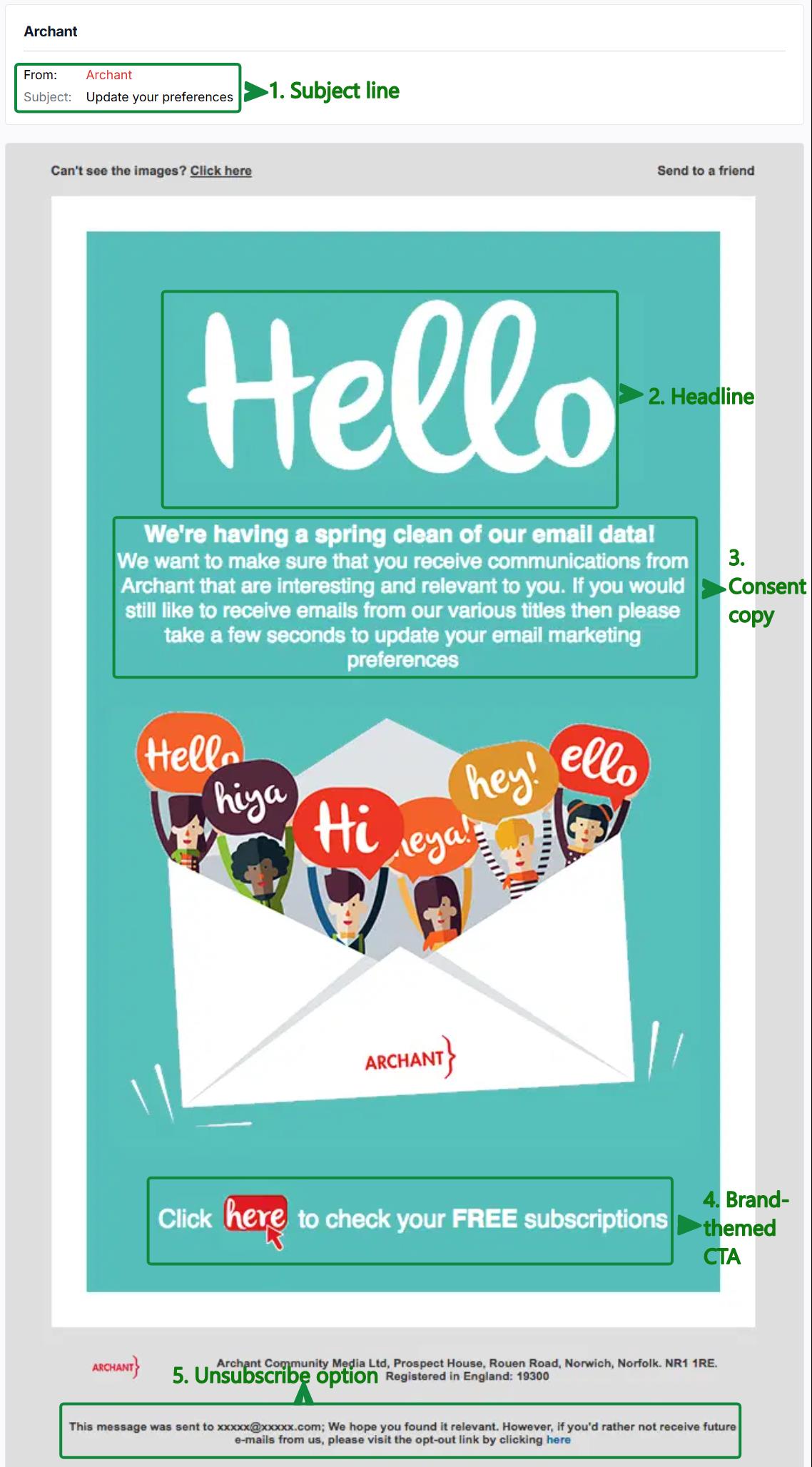
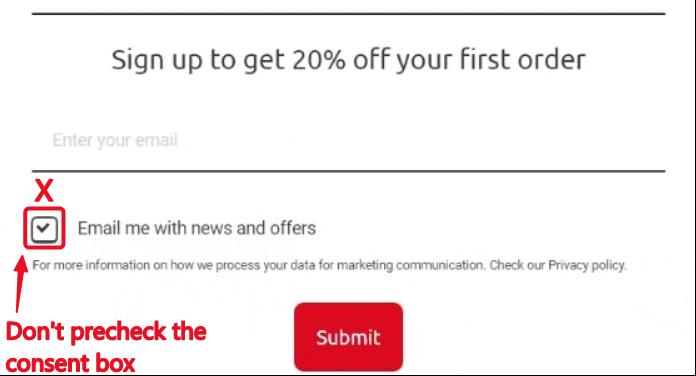
- The General Data Protection Regulation (GDPR): This landmark EU regulation, which came into effect in May 2018, revolutionized data privacy globally. GDPR applies to any business that processes the personal data of individuals residing in the European Union, regardless of where the business itself is located. It unequivocally demands explicit, clear, and unambiguous consent before any marketing emails can be sent. This means pre-checked boxes or vague statements are unacceptable. Violations of GDPR can result in astronomical fines, up to €20 million or four percent of a company’s global annual turnover, whichever is higher. For newsletters specifically, GDPR has made double opt-in effectively mandatory in several EU countries, a concept known as “newsletter double opt-in pflicht” in German-speaking markets. An example like Archant’s re-engagement email, which proactively asks existing subscribers to update their preferences, illustrates a strong GDPR-compliant double opt-in approach, demonstrating a commitment to consent.
- CASL (Canada’s Anti-Spam Legislation): Implemented in 2014, CASL is one of the strictest anti-spam laws globally. It requires explicit consent for all commercial electronic messages (CEMs) sent to or from Canada, with limited exceptions. Similar to GDPR, CASL imposes significant penalties for non-compliance.
The confluence of these regulations has created a complex yet critical legal framework that email marketers must navigate. Businesses operating internationally must adhere to the most stringent applicable laws, necessitating a robust, consent-first approach to email list building and management.
The Business Case for Opt-In: Beyond Compliance to Profitability
While regulatory compliance is a non-negotiable aspect of opt-in email marketing, the strategic benefits extend far beyond avoiding fines. An email list built on explicit consent is inherently more valuable. Engaged subscribers are more likely to open emails, click through to websites, and ultimately make purchases. This translates directly into higher conversion rates and a superior return on investment (ROI). Data from Omnisend customers, for instance, highlights an average return of $79 for every $1 spent on email marketing, showcasing the immense profitability of a well-managed, consent-based strategy.
Furthermore, a clean, engaged list significantly improves email deliverability. ISPs analyze various metrics, including open rates, click-through rates, and spam complaints, to assess a sender’s reputation. By sending emails only to those who have opted in, businesses reduce the likelihood of high bounce rates and spam reports, thereby protecting their sender reputation and ensuring their messages reach the inbox. Companies like To’ak Chocolate, an Omnisend client, have demonstrated this by attributing nearly 39.4% of their email revenue to automated campaigns that begin the moment a subscriber opts in, highlighting how initial offers set a positive tone for the entire customer relationship. The investment in building a permission-based list pays dividends in sustained customer loyalty and predictable revenue streams.
Crafting Effective Opt-In Mechanisms: Forms, Templates, and Best Practices
Creating high-converting opt-in forms is crucial for building a strong, consent-based email list. These forms are often the first direct interaction a potential subscriber has with a brand, making their design and messaging paramount.
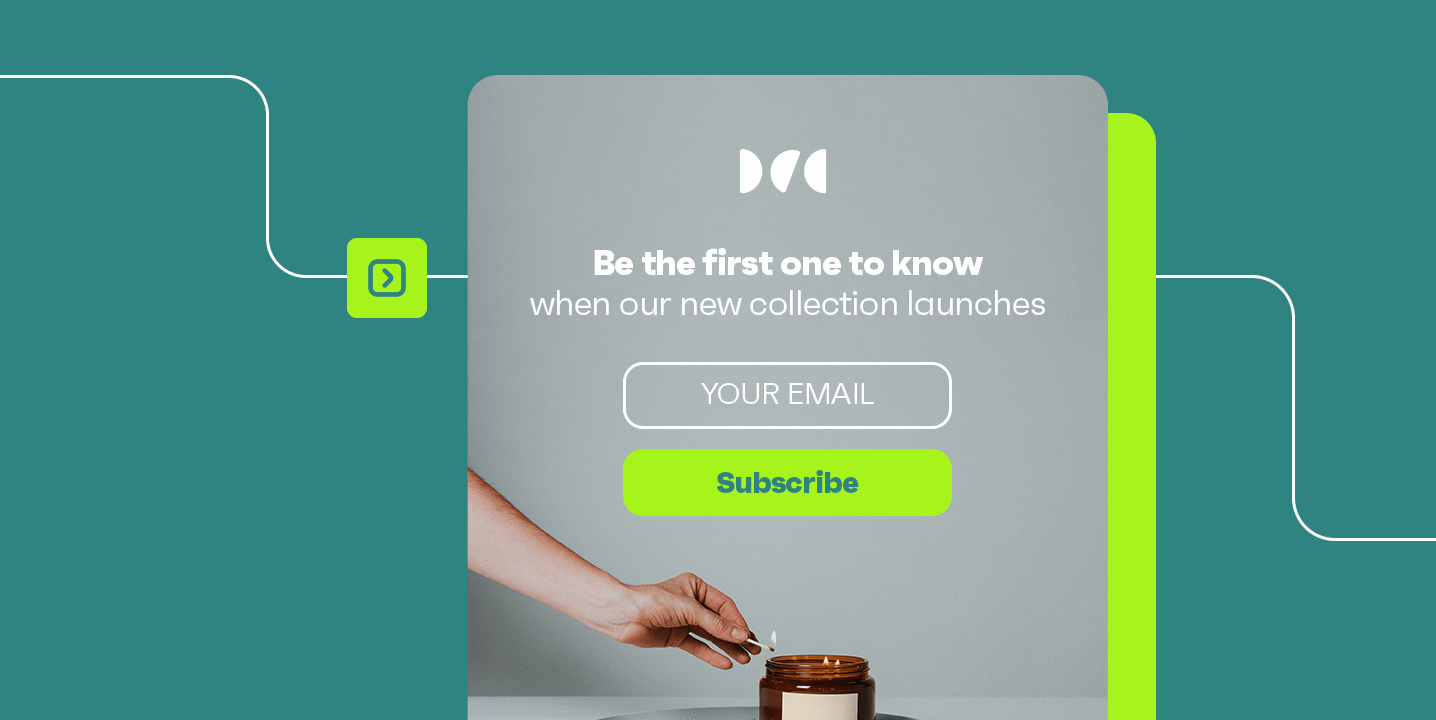
- Strategic Form Placement: Effective forms are positioned where visitors are most receptive. This includes exit-intent pop-ups (appearing when a user is about to leave the site), embedded forms in blog posts or footers, dedicated landing pages, and prominent placements on product or category pages. Hypebae, for example, strategically places a newsletter signup pop-up on its landing page, ensuring visibility without being overly intrusive.
- Simplicity is Key: The fewer fields a form requires, the higher its conversion rate. For initial sign-ups, an email address is often sufficient. Additional demographic information can be collected later through preference centers or progressive profiling within post-purchase flows. A clean design, as seen in many mobile opt-in forms, minimizes friction.
- Compelling Call to Action (CTA): Generic CTAs like “Submit” or “Sign Up” are less effective than action-oriented, benefit-driven alternatives. Phrases like “Get my 10% off,” “Count me in,” or “Spin to win” clearly articulate the value proposition, enticing users to complete the action. Glossier’s “Claim 15% off” CTA exemplifies this direct, benefit-led approach, leaving no ambiguity about the immediate reward.
- Eye-Catching Design: Forms should stand out while remaining consistent with brand aesthetics. Contrasting colors for CTA buttons, an uncluttered layout, and easy-to-read typography ensure the form captures attention without clashing with the overall website design. Visual elements, like those in Omnisend’s form builder, can significantly boost engagement.
- Build Trust with Social Proof: Demonstrating that others have already subscribed can reduce hesitation. Displaying subscriber counts, trust badges, or logos of reputable companies that use the product (as Trello does on its homepage by referencing its “community of millions”) builds credibility and encourages new sign-ups.
- Leverage A/B Testing: Continuous optimization is vital. While the average email opt-in rate hovers around 1.95%, top-performing stores achieve significantly higher rates through iterative testing. A/B testing different headlines, CTA copy, form placements, and incentive types can yield meaningful improvements in conversion rates. Platforms like Omnisend offer built-in A/B testing dashboards to analyze performance metrics like open rates, click rates, and sales for different form versions.
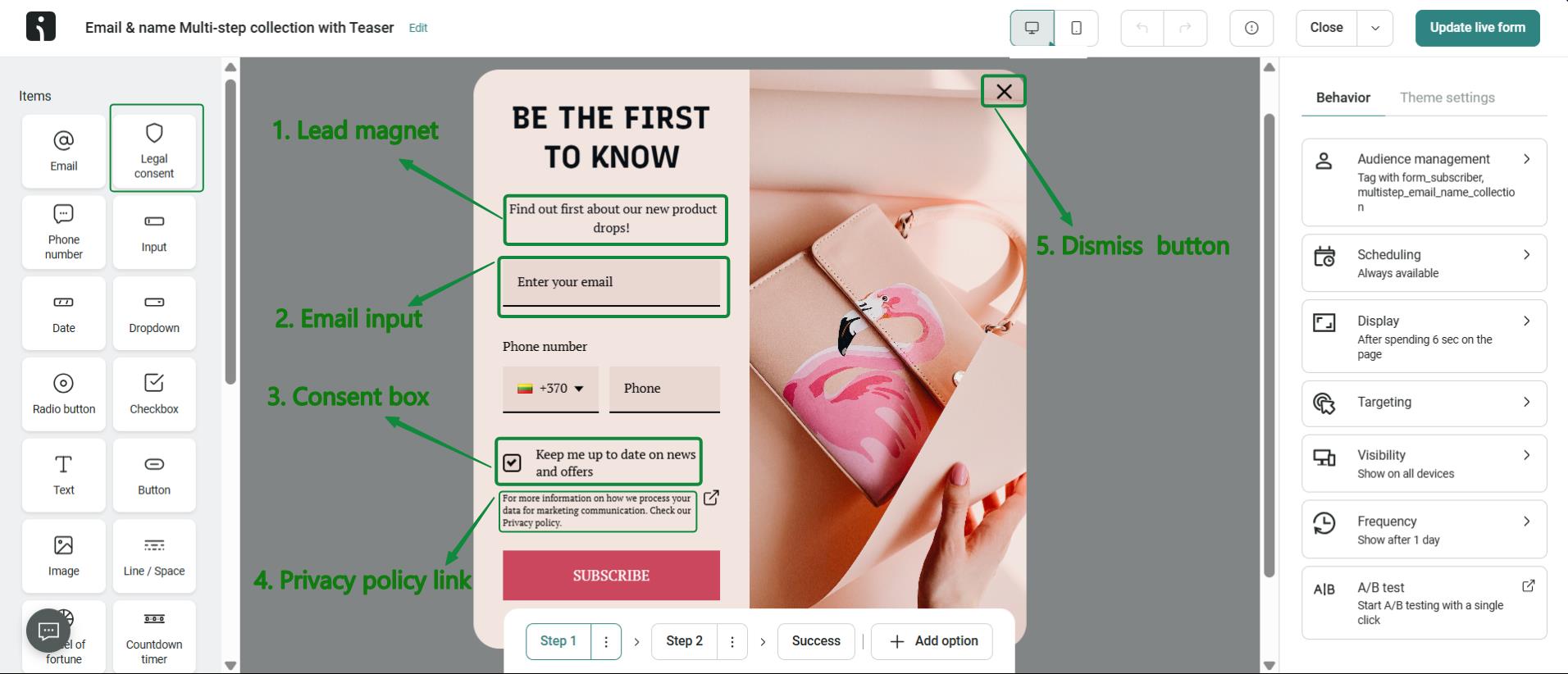
- Clear and Transparent Consent Language: The language used to obtain consent must be explicit. “Get weekly deals and new arrival alerts” is far more effective and compliant than a vague “Sign up for updates.” This transparency builds trust and aligns with regulatory requirements.
- Offer Value-Driven Sign-ups: People are more likely to share their email address if they perceive immediate value. This could be a discount, early access to new products, exclusive content, a free resource, or participation in a gamified experience like a “Wheel of Fortune” pop-up.
Managing the Opt-Out Process: Maintaining Trust and Compliance
The ability to easily opt out is as crucial as the initial opt-in. A clear unsubscribe link in every marketing email is a legal requirement under both CAN-SPAM and GDPR, and it also represents sound ethical practice. Subscribers who struggle to unsubscribe are more likely to mark emails as spam, which severely damages a sender’s reputation and negatively impacts deliverability far more than a clean unsubscribe ever would.
Best practices for handling opt-out requests include:
- Prominent Unsubscribe Link: The unsubscribe link should be easy to find and clearly labeled within every email.
- Instant Processing: Opt-out requests should be processed immediately or within the legally mandated timeframe (e.g., 10 business days under CAN-SPAM). Automated systems are essential for this.
- Preference Centers: Instead of a simple unsubscribe, offering a preference center allows subscribers to tailor the types of emails they receive or adjust frequency, potentially retaining them rather than losing them entirely.
- Confirmation of Opt-Out: Sending a brief confirmation email after an unsubscribe request provides assurance to the user and documents compliance.
- No Re-subscription without Consent: Once a user has opted out, they should not be re-added to any marketing list without explicit, fresh consent.
Platforms like Omnisend automatically process unsubscribe requests in real-time and ensure compliance with major regulations, relieving businesses of manual tracking and reducing legal risks.
The Role of Technology in Modern Opt-In Marketing
Modern email marketing platforms are indispensable tools for implementing and scaling successful opt-in strategies. They provide the infrastructure for compliant list building, automated engagement, and performance analysis. Features such as drag-and-drop form builders, pre-built opt-in confirmation email templates, advanced segmentation tools, and A/B testing capabilities empower businesses to execute sophisticated campaigns without requiring extensive technical expertise. Integration with e-commerce platforms like Shopify and WooCommerce ensures seamless data flow, allowing for highly personalized and relevant communications based on customer behavior. These technological solutions simplify the complexities of regulatory compliance, automate critical workflows, and provide the insights necessary for continuous optimization, making high-performing opt-in email marketing accessible to businesses of all sizes.
Conclusion: The Future of Relationship-Driven Email Marketing
Opt-in email marketing is not merely a fleeting trend but a foundational principle for sustainable business growth in the digital age. It represents a commitment to building genuine, respectful relationships with customers, grounded in transparency and trust. By prioritizing explicit consent, businesses not only comply with evolving privacy regulations but also cultivate highly engaged audiences that are more receptive to marketing messages and more likely to convert into loyal customers. The journey from initial sign-up to long-term advocacy is paved with value-driven content, personalized experiences, and a seamless, compliant communication flow. As the digital landscape continues to evolve, the principles of permission-based marketing will remain paramount, ensuring that every email sent contributes to both revenue generation and enduring brand reputation.