rifanmuazin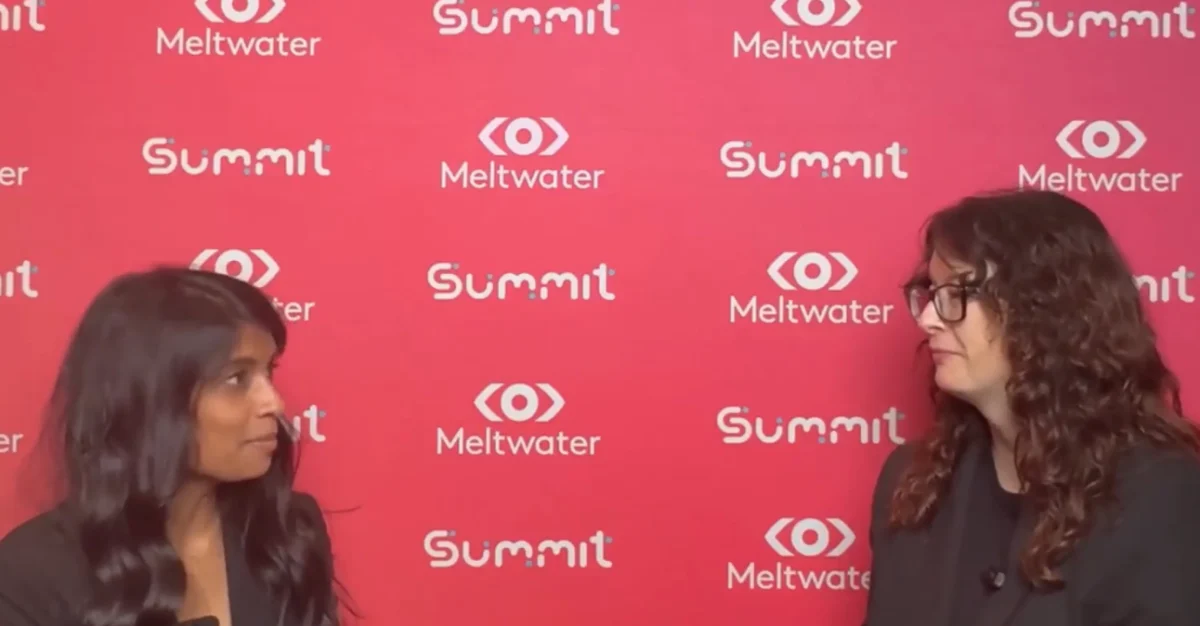
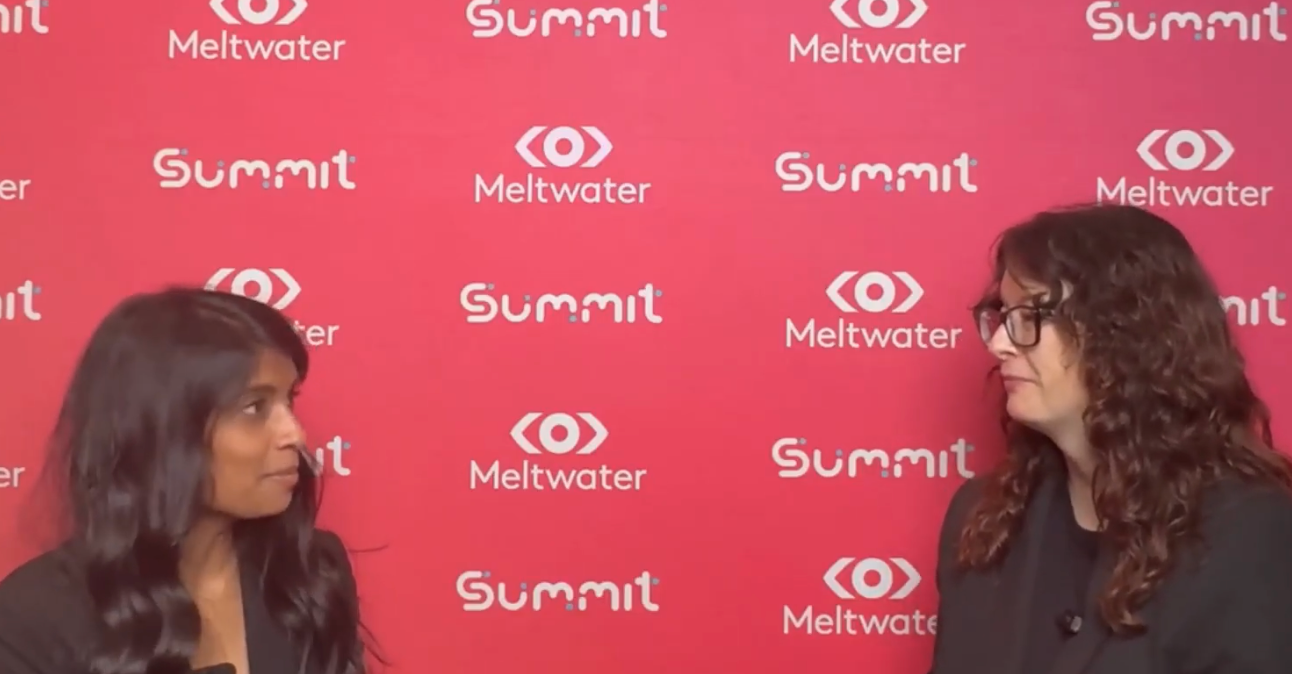
At the 2026 Meltwater Summit, a premier gathering for global communications and marketing professionals, Lonely Planet unveiled the inner workings of its ambitious new creator program, a strategic pivot that signals a departure from traditional campaign-based marketing toward a model of continuous, conversation-driven storytelling. Deepa Lakshmin, Director of Social Media at Lonely Planet, detailed how the heritage travel brand successfully launched a fully in-house network of 20 to 30 creators in March 2026, marking a significant evolution for a company that has transitioned from iconic paper guidebooks to a social-first digital powerhouse.
The program’s inception was characterized by an unconventional “working backwards” methodology, a technique often associated with high-growth tech companies but less common in traditional media. Lakshmin revealed that her team began the planning process over a year ago by drafting a “fake press release.” This document served as a north star, outlining a “blue sky” vision of what the program could achieve if financial and logistical constraints were removed. By envisioning the ideal announcement first, the team was able to reverse-engineer the operational steps, budget requirements, and talent acquisition strategies necessary to turn that vision into a reality.
The Strategic Shift: From Campaigns to Conversations
The launch of the Lonely Planet creator program comes at a time when the travel industry is grappling with the diminishing returns of one-off influencer activations. During her interview with Nicole Schuman, Managing Editor at PRNEWS, Lakshmin emphasized that the future of brand resonance lies in what she terms the “brand halo”—a lasting impression built through human connection rather than logo recognition.
“We didn’t call it a campaign because it wasn’t just a one-time thing in our mind,” Lakshmin explained. “We wanted to build something that had legs that we knew would last for a long time.” This philosophy reflects a broader industry trend where brands are seeking to move away from the “sea of sameness” that often characterizes sponsored content. By prioritizing “lived experience” and individual voices, Lonely Planet aims to foster a more authentic relationship with its audience, which currently spans multiple generations of travelers.
The decision to keep the program entirely in-house was a deliberate choice aimed at maintaining agility and ensuring brand alignment. While many organizations of Lonely Planet’s scale outsource creator management to external agencies, Lakshmin’s team opted for a “scrappy,” hands-on approach. This allows the social media team—comprising Lakshmin and two other full-time staff—to remain “in the weeds,” engaging directly with creators and responding to shifting platform algorithms in real-time.
Chronology of the Program’s Development
The journey from concept to global rollout spanned over fourteen months, reflecting a commitment to foundational stability over speed-to-market.
- Early 2025: The social media team identifies a gap in on-the-ground, visual storytelling. The “Working Backwards” process begins with the drafting of the “blue sky” press release.
- Mid-2025: Operationalizing the vision. The team begins the vetting process for creators, looking for individuals who align with Lonely Planet’s 50-year legacy of ethical and immersive travel.
- Late 2025: The pilot phase. Initial contracts are drafted, focusing on long-term partnerships rather than per-post deliverables.
- March 2026: Official launch. The program goes live with 20 to 30 creators stationed across every continent except Antarctica.
- May 2026: Deepa Lakshmin presents the program’s success and methodology at the Meltwater Summit, highlighting the volume of content—four to six social-first videos per creator annually.
Program Logistics and Global Footprint
The program is structured as a professionalized, paid collaboration network. Unlike the barter-based systems often found in travel marketing, Lonely Planet established “net new” annual contracts with its creators. This formalization ensures a reliable stream of high-quality content while providing creators with the financial stability to produce deeply researched stories.
The geographical diversity of the cohort is a cornerstone of the strategy. With creators positioned globally, the brand can offer “hyper-local” insights that a New York-based team could not replicate. These creators act as the brand’s eyes and ears on the ground, pitching ideas that reflect current local trends, hidden gems, and real-time travel conditions.
“They pitch their ideas to us and we’re able to help amplify them in a way that makes sense for the Lonely Planet brand,” Lakshmin said. This synergy combines Lonely Planet’s five decades of editorial wisdom with the creators’ contemporary understanding of social-first aesthetics and platform-specific storytelling.
Data-Driven Rationale and Industry Context
The pivot toward an in-house creator program is supported by shifting consumer behavior data. By 2026, social media has solidified its position as the primary source of travel inspiration for Gen Z and Millennials, surpassing traditional search engines and travel agencies.
According to industry reports, nearly 75% of travelers now use short-form video platforms like TikTok and Instagram Reels to plan their itineraries. Furthermore, the “creator economy” is estimated to be worth over $500 billion globally by 2027. For a legacy brand like Lonely Planet, staying relevant requires more than just digitizing its guidebooks; it requires inhabiting the platforms where travelers spend their time.
The “Brand Halo” concept discussed at the summit is also backed by psychological marketing data. Consumers are increasingly skeptical of polished corporate messaging, with studies showing that 86% of consumers say authenticity is a key factor when deciding which brands to support. By leveraging creators who have established trust with their own niche audiences, Lonely Planet effectively “borrows” that trust, integrating its brand into the daily social feeds of potential travelers in a non-intrusive way.
Official Responses and Strategic Advice
The reaction from the creator community has been “overwhelmingly positive,” according to Lakshmin. This success is attributed to the brand’s focus on mutual respect and conversation. Lakshmin noted that “you can’t have collaboration without conversation,” suggesting that the most successful brand-creator relationships are those that function as true partnerships rather than vendor-client transactions.
For PR and marketing teams looking to replicate this success, Lakshmin offered a blunt piece of advice: “Get off the deck and get on the platforms.” She argued that executives and strategists cannot effectively direct creator programs if they do not understand the native tools and nuances of the platforms they are targeting.
“You’ve got to actually be in the platform seeing how it’s done natively, understanding how those native tools work,” Lakshmin told PRNEWS. “If you don’t, it’s going to be really hard to then have that type of back-and-forth conversation and collaboration because you’re going to be not understanding where the creator is coming from.”
Broader Impact and Implications for the PR Industry
The Lonely Planet model serves as a case study for the “professionalization of influence.” By moving away from the “influencer” label in favor of “creators” and “advocates,” the brand is acknowledging that the value lies in the production quality and storytelling ability of the talent, not just their follower count.
This shift has several implications for the broader PR and communications landscape:
- The Rise of In-House Agencies: Lonely Planet’s success suggests that for brands where content is the product, in-house management may be superior to agency outsourcing. It allows for a deeper brand immersion that external partners may lack.
- Long-Term Contractual Stability: The move toward annual contracts indicates a maturation of the creator economy. Brands are looking for “brand ambassadors” who can grow with them, rather than temporary “billboards” for a single campaign.
- The Death of the “One-Size-Fits-All” Pitch: The requirement for personal storytelling means that PR teams must become more sophisticated in how they identify and pitch talent. The “sea of sameness” is no longer an option for brands that want to maintain a “halo” of authority.
- Integration of Journalism and Social Media: Lakshmin’s background as a journalist is a recurring theme in the program’s success. The application of journalistic standards—accuracy, local expertise, and narrative structure—to social media content is becoming a competitive advantage.
As Lonely Planet looks toward the future, the creator program is expected to evolve. While Antarctica remains the final frontier for the brand’s current creator network, the foundation laid in 2026 provides a scalable blueprint for global expansion. By treating the world as their product and conversation as their currency, Lonely Planet is not just surviving the digital age; it is actively shaping the future of travel media.