rifanmuazin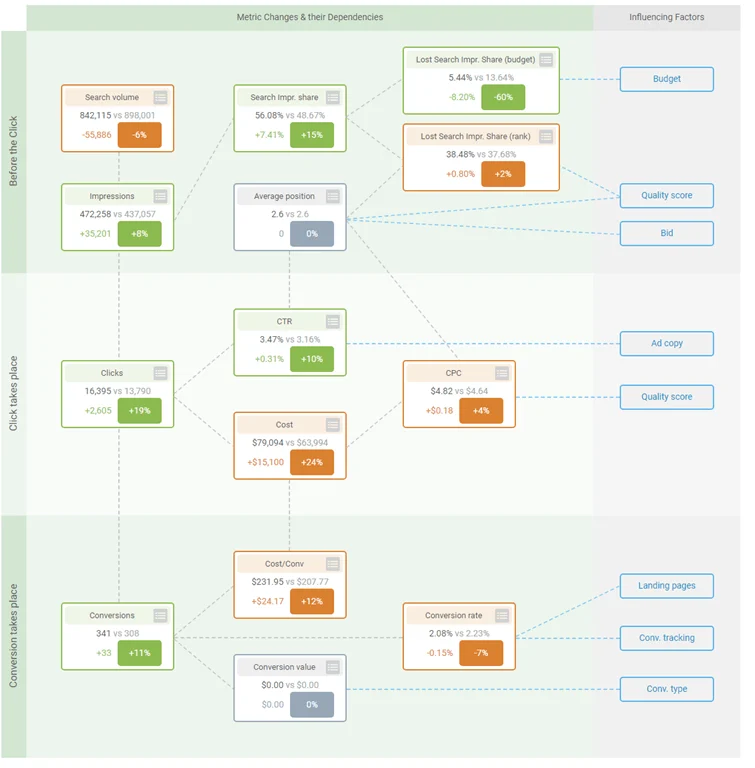
Adalysis, a recognized leader in award-winning Pay-Per-Click (PPC) management software, has unveiled an extensive and highly anticipated content series dedicated to the critical area of PPC Key Performance Indicator (KPI) monitoring. This multi-part initiative, developed over several months by Adalysis’s team of experts, aims to provide advertisers with a profound understanding of how to effectively track, analyze, and leverage PPC data to drive superior campaign performance. The series, which has already garnered significant readership, is being highlighted to ensure that industry professionals remain informed about this essential resource.
The Adalysis blog has become a go-to platform for digital marketing insights, and this new series represents a significant expansion of its educational offerings. The company’s commitment to empowering advertisers with actionable intelligence is evident in the depth and breadth of the topics covered. The series is designed to move beyond superficial metrics, delving into the nuanced factors that influence campaign success and providing frameworks for diagnosing and addressing performance fluctuations.
Unpacking the PPC KPI Monitoring Series
The series meticulously dissects the multifaceted world of PPC KPIs, offering a structured approach to understanding the metrics that matter most. While specific articles within the series were not fully detailed in the initial prompt, the overarching theme revolves around robust KPI monitoring and its direct impact on campaign effectiveness. This approach acknowledges that in the dynamic landscape of digital advertising, a static view of performance is insufficient. Advertisers must possess the tools and knowledge to continuously assess their campaigns against predefined goals and adapt their strategies in real-time.
The content aims to address a common challenge faced by many PPC managers: the sheer volume of data available and the difficulty in translating that data into meaningful insights. By focusing on KPIs, Adalysis guides users towards the most impactful metrics, helping them to cut through the noise and concentrate on what truly drives return on investment (ROI). This strategic focus is crucial for businesses of all sizes, from small enterprises seeking to maximize their limited advertising budgets to large corporations aiming for scalable growth and market dominance.
The Core Pillars of Effective PPC KPI Monitoring
Effective PPC KPI monitoring is not merely about observing numbers; it’s about understanding the underlying narratives those numbers tell. The Adalysis series likely explores several key pillars that form the foundation of a successful monitoring strategy:
- Defining Clear Objectives: Before any monitoring can begin, advertisers must establish specific, measurable, achievable, relevant, and time-bound (SMART) goals for their PPC campaigns. These objectives will dictate which KPIs are most relevant and how performance will be evaluated. Whether the goal is to increase brand awareness, drive website traffic, generate leads, or boost sales, the chosen KPIs must directly align with these aspirations.
- Selecting the Right KPIs: The series undoubtedly guides readers through the process of selecting the most pertinent KPIs for their specific campaign objectives and industry. Common PPC KPIs include:
- Click-Through Rate (CTR): The percentage of users who click on an ad after seeing it, indicating ad relevance and appeal.
- Cost Per Click (CPC): The average amount paid for each click on an ad, directly impacting budget efficiency.
- Conversion Rate (CR): The percentage of clicks that result in a desired action (e.g., purchase, form submission), measuring campaign effectiveness in achieving goals.
- Cost Per Acquisition (CPA) or Cost Per Lead (CPL): The average cost to acquire a customer or lead, a crucial metric for profitability.
- Return on Ad Spend (ROAS): The revenue generated for every dollar spent on advertising, a direct measure of profitability.
- Impression Share: The percentage of eligible impressions that an ad actually received, indicating reach and potential for growth.
- Quality Score: A Google Ads metric that estimates the quality of ads, keywords, and landing pages, influencing ad rank and CPC.
- Establishing Benchmarks and Baselines: To understand whether performance is improving or declining, it’s essential to establish benchmarks. This involves setting baseline performance metrics and understanding industry averages. The series likely emphasizes the importance of historical data analysis to identify trends and deviations.
- Implementing Robust Tracking Mechanisms: Accurate data collection is paramount. The Adalysis series would underscore the necessity of proper conversion tracking, tag implementation, and ensuring that all campaign data is being captured reliably across all platforms.
- Regular Reporting and Analysis: Consistent reporting and in-depth analysis are critical. This involves not just looking at the numbers but understanding the “why” behind them. The series likely provides methodologies for identifying trends, anomalies, and opportunities for optimization.
- Actionable Insights and Optimization: The ultimate goal of KPI monitoring is to drive informed decisions and actionable changes. The Adalysis content aims to equip advertisers with the ability to translate data insights into concrete optimization strategies, such as adjusting bids, refining targeting, improving ad copy, or optimizing landing pages.
A Look at the Featured Content: “KPI Monitoring & Diagnosis: Why Does the Number of Clicks You Receive Change Over Time?”
One of the highlighted upcoming topics, “KPI Monitoring & Diagnosis: Why Does the Number of Clicks You Receive Change Over Time?”, exemplifies the diagnostic and problem-solving approach Adalysis is taking with this series. Clicks are a foundational metric in PPC, and fluctuations in click volume can have significant ripple effects on other KPIs. Understanding the drivers behind these changes is crucial for maintaining campaign momentum.

Potential contributing factors to changes in click volume that the series might explore include:
- Seasonality and Trends: Demand for certain products or services can fluctuate based on time of year, holidays, or broader market trends. For example, a retailer selling swimwear will likely see a surge in clicks during the summer months.
- Competitive Landscape: Increased competition in an auction can lead to higher CPCs, potentially reducing available impressions and thus clicks within a fixed budget. Conversely, a competitor exiting the market could lead to increased impressions and clicks.
- Algorithm Updates: Search engine algorithms (like Google’s) are constantly evolving. These updates can impact ad ranking, ad visibility, and the overall user experience, thereby affecting click volume.
- Budget Allocation and Management: Insufficient budget can directly limit the number of impressions and clicks an ad can receive. Changes in budget allocation across different campaigns or ad groups can also lead to shifts in click volume.
- Keyword Performance: Changes in keyword search volume, competition for specific keywords, or the inclusion/exclusion of certain keywords can significantly impact click numbers.
- Ad Relevance and Quality: If ad copy becomes stale or less relevant to user search queries, CTR can decline, leading to fewer clicks. Similarly, a drop in Quality Score can negatively impact ad visibility.
- Targeting Precision: Broad targeting might initially capture a large audience, but refining targeting can lead to more qualified clicks. Conversely, overly restrictive targeting could limit reach and reduce clicks.
- Landing Page Experience: While not directly impacting the number of clicks, a poor landing page experience can lead to high bounce rates and a perception of low-quality traffic, which indirectly influences ad platform algorithms’ perception of an ad’s effectiveness and thus its visibility and click volume over time.
- Device and Audience Shifts: User behavior can shift across different devices (desktop, mobile, tablet) or demographic segments. Understanding these shifts is vital for maintaining optimal click performance.
By dissecting such questions, Adalysis empowers advertisers to move from simply observing a metric to actively diagnosing its causes and implementing targeted solutions.
The Adalysis Advantage: Software and Expertise Combined
The series is being published on the Adalysis blog, a platform that complements the company’s award-winning PPC management software. This synergy between educational content and sophisticated technology is a hallmark of Adalysis’s approach. The software is designed to automate many of the complex tasks associated with PPC management, from bid optimization and budget allocation to performance analysis and reporting.
The content series serves as a practical guide for users of the Adalysis platform, helping them to better understand the underlying principles and strategic thinking behind the software’s functionalities. For advertisers not yet using Adalysis, the series acts as a compelling demonstration of the company’s expertise and the value it provides in the competitive PPC landscape.
Background and Chronology of the Initiative
The development of this comprehensive series is a testament to Adalysis’s ongoing commitment to thought leadership and customer education. While a precise start date for the series’ conception isn’t provided, the statement indicates that “for the last few months, we’ve been writing a huge series.” This suggests a deliberate, phased approach to content creation, likely involving extensive research, expert consultation, and rigorous review to ensure accuracy and depth.
The intention to “add a reminder to the bgTheory blog” implies a strategic cross-promotion effort, aiming to reach a broader audience within the digital marketing community. This indicates a well-planned content strategy that leverages multiple channels to maximize reach and engagement.
The inclusion of placeholder bullet points in the original content (“Here’s the story so far: nn
- nn
“) suggests that the series is either ongoing or has a structured progression, with past articles serving as building blocks for future installments. The explicit mention of a direct link to the “entire series here” (https://adalysis.com/blog/category/ppc-management/performance-analyzer/) and a subscription option for the Adalysis blog (https://adalysis.com/subscribe-to-adalysis-blog/) further solidifies the commitment to making this valuable information accessible.

Visualizing the Depth of Analysis
The inclusion of images within the original prompt, described as showcasing the “in-depth we’re going,” provides a visual cue to the sophisticated nature of the content. While the images themselves were not rendered here, their description suggests they are likely screenshots or data visualizations from the Adalysis platform or related analytical tools. These visuals would serve to:
- Illustrate complex data: Graphs, charts, and dashboards can make intricate data sets more understandable and highlight key trends or outliers.
- Demonstrate platform capabilities: Screenshots of the Adalysis software would showcase how users can interact with their data and gain insights.
- Reinforce analytical approaches: Visual representations of data analysis methodologies can help readers grasp abstract concepts.
For instance, one image might depict a trend line of clicks over time, with annotations highlighting specific events or changes that influenced the volume. Another could be a dashboard showing various interconnected KPIs, illustrating how changes in one metric can affect others. A third might showcase a detailed breakdown of performance by audience segment or device, demonstrating the granularity of analysis possible.
Broader Impact and Implications for the PPC Industry
The launch of such an extensive series by a prominent PPC software provider like Adalysis carries significant implications for the broader digital advertising ecosystem:
- Elevating Industry Standards: By providing free, in-depth educational content, Adalysis contributes to raising the bar for PPC management practices across the industry. Advertisers who engage with this content are likely to adopt more sophisticated and data-driven strategies.
- Empowering Small and Medium-Sized Businesses (SMBs): SMBs often have limited resources and expertise in digital marketing. Accessible and comprehensive guides like this series can democratize advanced PPC knowledge, enabling smaller businesses to compete more effectively with larger enterprises.
- Driving Innovation in PPC Tools: The series highlights the critical functionalities and analytical needs of PPC professionals. This can indirectly influence the development of future PPC management tools and software features, pushing the industry towards greater efficiency and effectiveness.
- Fostering a Data-Driven Culture: As more advertisers gain a deeper understanding of KPI monitoring and data analysis, the industry will continue to shift towards a more data-driven culture, where decisions are based on empirical evidence rather than intuition.
- Enhancing Accountability and ROI: A strong emphasis on KPI monitoring naturally leads to greater accountability for campaign performance. Advertisers will be better equipped to demonstrate the ROI of their PPC investments to stakeholders.
Official Statements and Future Outlook
While direct quotes from Adalysis executives were not provided, the tone and scope of the announced series suggest a strategic imperative to solidify Adalysis’s position as a thought leader and a trusted partner in PPC management. The company’s commitment to producing high-quality, actionable content indicates a long-term vision focused on empowering its user base and contributing to the overall advancement of the digital advertising industry.
The ongoing nature of the series, as implied by the “story so far” section and the mention of upcoming topics, suggests a sustained effort to cover a wide range of PPC management challenges. Advertisers can anticipate further installments that will likely delve into other critical areas such as audience segmentation, bid strategies, ad creative optimization, and the integration of PPC with other marketing channels.
In conclusion, Adalysis’s extensive series on PPC KPI monitoring represents a significant contribution to the digital marketing knowledge base. By offering a deep dive into essential metrics and diagnostic methodologies, coupled with the power of their award-winning software, Adalysis is equipping advertisers with the tools and expertise needed to navigate the complexities of PPC and achieve sustainable, data-informed success. The series is a valuable resource for anyone looking to enhance their understanding and execution of Pay-Per-Click advertising strategies.