rifanmuazin
The evolution of global commerce has moved beyond fragmented advertising campaigns toward a unified corporate philosophy known as holistic marketing, a strategic approach that integrates all business departments to deliver a singular, cohesive brand message. In an era defined by hyper-competition and digital fragmentation, the necessity for a synchronized marketing front has become paramount for organizations seeking sustainable growth, particularly within the complex ecosystems of affiliate marketing and multi-channel distribution. By aligning internal operations, customer relations, societal impact, and integrated communications, businesses are now restructuring their entire operational frameworks to ensure that every touchpoint—from a customer service interaction to an affiliate partner’s social media post—reflects a consistent brand identity.
The Evolution of Marketing Integration: A Brief Chronology
The transition toward holistic marketing represents a significant shift from the traditional "siloed" approach that dominated the mid-20th century. Historically, marketing was treated as a series of independent functions: sales, advertising, and public relations operated with minimal cross-departmental communication.
In the 1990s, the concept of Integrated Marketing Communications (IMC) emerged, focusing on the need for consistent messaging across different media channels. However, as the digital revolution of the 2000s introduced a myriad of new touchpoints—including social media, search engines, and influencer networks—IMC proved insufficient on its own. By the 2010s, industry leaders and academic theorists, most notably Philip Kotler, began advocating for a "holistic" model. This model recognizes that a brand is not just what it says in an advertisement, but the sum of its internal culture, its treatment of partners, its ethical standing in society, and its long-term relationship with the consumer. Today, this approach is the gold standard for global enterprises navigating an environment where consumer trust is the most valuable currency.
The Four Dimensions of the Holistic Framework
To implement a holistic strategy, modern enterprises must address four distinct yet interconnected dimensions: internal marketing, relationship marketing, societal marketing, and integrated marketing.
Internal Marketing and Employee Advocacy
Internal marketing posits that employees are the "first customers" of a brand. This dimension involves ensuring that every member of the organization, from human resources to IT, understands and believes in the company’s vision. According to industry data, companies with highly engaged employees outperform their peers by 147% in earnings per share. When employees are aligned with the brand’s core values, they act as organic brand ambassadors. In the context of affiliate marketing, this internal clarity is vital; if the team managing the affiliate program does not fully grasp the brand’s unique selling propositions, they cannot effectively guide external partners to promote the products accurately.

Relationship Marketing and Lifetime Value
Moving away from transactional interactions, relationship marketing focuses on the long-term "Lifetime Value" (LTV) of a customer. It seeks to transform one-time buyers into loyal advocates. This dimension extends beyond the customer to include business partners, suppliers, and affiliates. By fostering deep, mutually beneficial relationships, businesses create a stable ecosystem that can withstand market volatility. Research indicates that increasing customer retention rates by just 5% can increase profits by 25% to 95%, underscoring the financial imperative of this holistic pillar.
Societal Marketing and Corporate Responsibility
Modern consumers, particularly Millennials and Gen Z, increasingly make purchasing decisions based on a company’s ethical stance. Societal marketing requires businesses to consider the well-being of society and the environment in their marketing operations. This includes ethical sourcing, community involvement, and transparency. By integrating social responsibility into the brand identity, companies build a reservoir of goodwill that enhances brand equity and mitigates the impact of potential PR crises.
Integrated Marketing and Messaging Consistency
Integrated marketing ensures that all communication channels—advertising, sales promotion, public relations, direct marketing, and digital media—work together as a unified force. The goal is to prevent "brand schizophrenia," where a product is portrayed as a luxury item in one channel but discounted aggressively in another. Consistency across these channels is estimated to increase revenue by up to 23%, as it builds the cognitive ease necessary for consumer decision-making.
The Critical Role of Holistic Marketing in Affiliate Program Growth
Affiliate marketing serves as a primary beneficiary of the holistic approach. Affiliates are third-party promoters who vouch for a brand’s credibility; however, they require a stable and consistent brand environment to be successful. A holistic strategy provides affiliates with a clear "brand book," consistent creatives, and a reliable customer journey that ensures the traffic they refer actually converts.
When a company adopts a customer-centric holistic model, it optimizes the entire funnel—from the initial click on an affiliate link to the final checkout and post-purchase support. High-tier affiliates are increasingly selective, often vetting brands for consistency and reputation before joining a program. A brand that demonstrates holistic health—strong reviews, ethical practices, and clear messaging—will naturally attract more influential partners, creating a "snowball effect" of performance-based growth.
Case Study: Apple Inc. as the Holistic Standard
Apple Inc. remains the most prominent example of holistic marketing execution. The company’s success is not attributed to a single product but to its seamless ecosystem and unified brand voice.
- Integrated Product Design: Every Apple device follows a consistent aesthetic and functional logic, ensuring the "Apple experience" is identical across hardware and software.
- Internal Alignment: Apple employees are trained to be experts not just in sales, but in the "Apple way" of problem-solving, creating a distinct retail environment.
- Societal Commitment: Apple’s public commitments to carbon neutrality and user privacy are not just PR stunts; they are integrated into their product development and marketing messaging.
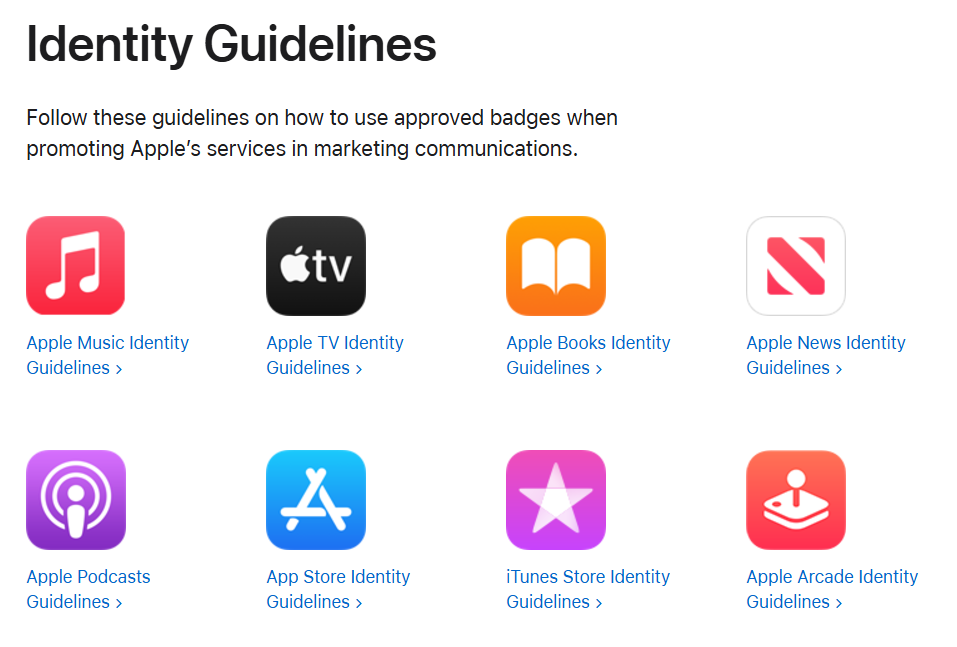
- Affiliate and Partner Management: Through programs like the Apple Services Performance Partners Program, the company provides strict guidelines and high-quality assets to ensure that even third-party promotions feel like official Apple communications.
By maintaining this level of control and consistency, Apple has moved beyond being a technology provider to becoming a lifestyle brand with unparalleled customer loyalty.
Supporting Data and Market Implications
Recent market analysis highlights the risks of failing to adopt a holistic approach. A study by Salesforce revealed that 73% of customers expect companies to understand their needs and expectations, yet many feel that departments do not share information, leading to a disjointed experience. Furthermore, 62% of consumers say they will stop buying from brands that do not demonstrate a commitment to sustainability or ethical practices.
The implications for business operations are clear:
- Operational Efficiency: Holistic marketing reduces waste by eliminating redundant campaigns and ensuring that all departments are working toward the same Key Performance Indicators (KPIs).
- Data-Driven Precision: By integrating data from sales, marketing, and customer service, businesses can create a "360-degree view" of the customer, allowing for highly personalized and effective marketing.
- Market Resilience: Brands with a holistic foundation are less susceptible to price wars, as their value proposition is built on trust and identity rather than just cost.
Implementation: A Strategic Roadmap
Building a holistic marketing strategy requires a top-down commitment to organizational change. The process typically involves:
- Goal Alignment (SMART Criteria): Establishing Specific, Measurable, Attainable, Relevant, and Time-bound goals that apply to the entire organization, not just the marketing team.
- Audience Intelligence: Utilizing advanced analytics to understand the nuances of the target demographic, then sharing these insights across all departments.
- Technological Integration: Adopting MarTech (Marketing Technology) stacks that allow for seamless data sharing between CRM (Customer Relationship Management) systems, affiliate platforms, and social media management tools.
- Continuous Optimization: Using A/B testing and customer feedback loops to refine the brand message and improve the customer journey in real-time.
The Future of the Holistic Landscape
As artificial intelligence and machine learning become more prevalent, the ability to execute holistic marketing at scale will increase. AI can ensure that personalized messages delivered to millions of individual consumers remain strictly within the bounds of the brand’s core identity. Additionally, the rise of "conscious consumerism" will make the societal marketing dimension even more critical.
The future of business belongs to those who can see the "bigger picture." In a world of infinite choice, consumers will gravitate toward brands that feel whole, honest, and consistent. Holistic marketing is no longer an optional strategy; it is the fundamental infrastructure upon which modern commercial success is built. Organizations that continue to operate in silos will likely find themselves obsolete, while those that embrace total integration will lead the next generation of global trade.