rifanmuazin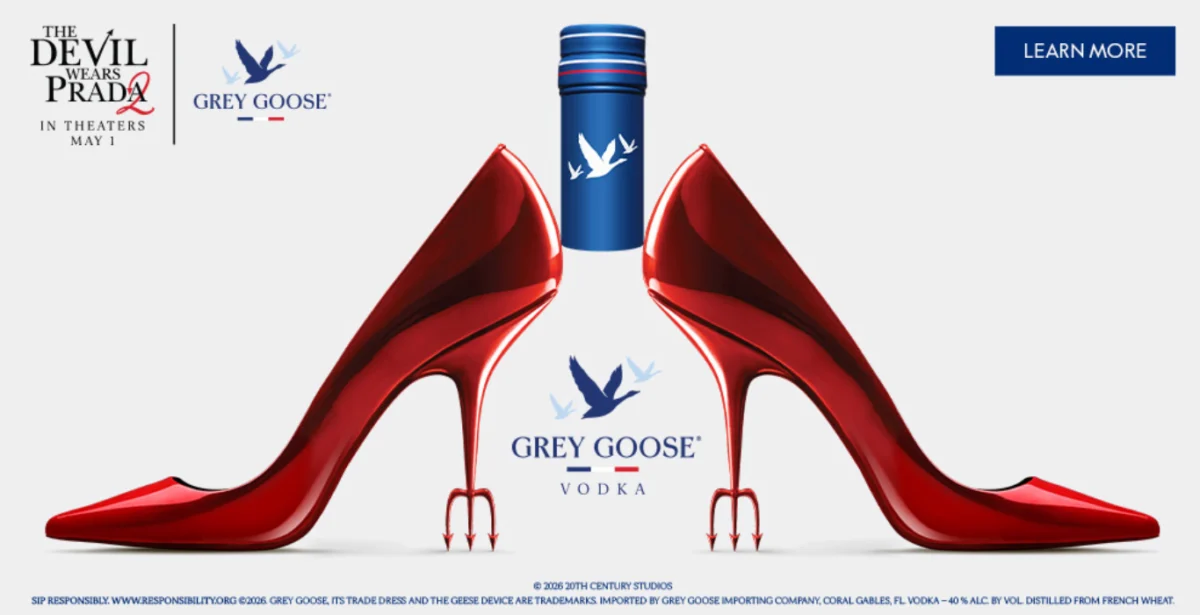
The landscape of modern corporate communications is currently undergoing a transformative shift, defined by a move toward hyper-curated brand ecosystems and a simultaneous struggle to bridge a widening trust gap with the American public. As evidenced by the high-stakes marketing machine behind the upcoming sequel to "The Devil Wears Prada," the infrastructure transparency efforts by Meta Platforms, and a sobering new report on disinformation from the Institute for Public Relations (IPR), the mandate for brands in 2026 is no longer just about visibility—it is about authenticity, accountability, and the active defense of truth.
The Return of Runway: A New Era of Curated Brand Partnerships
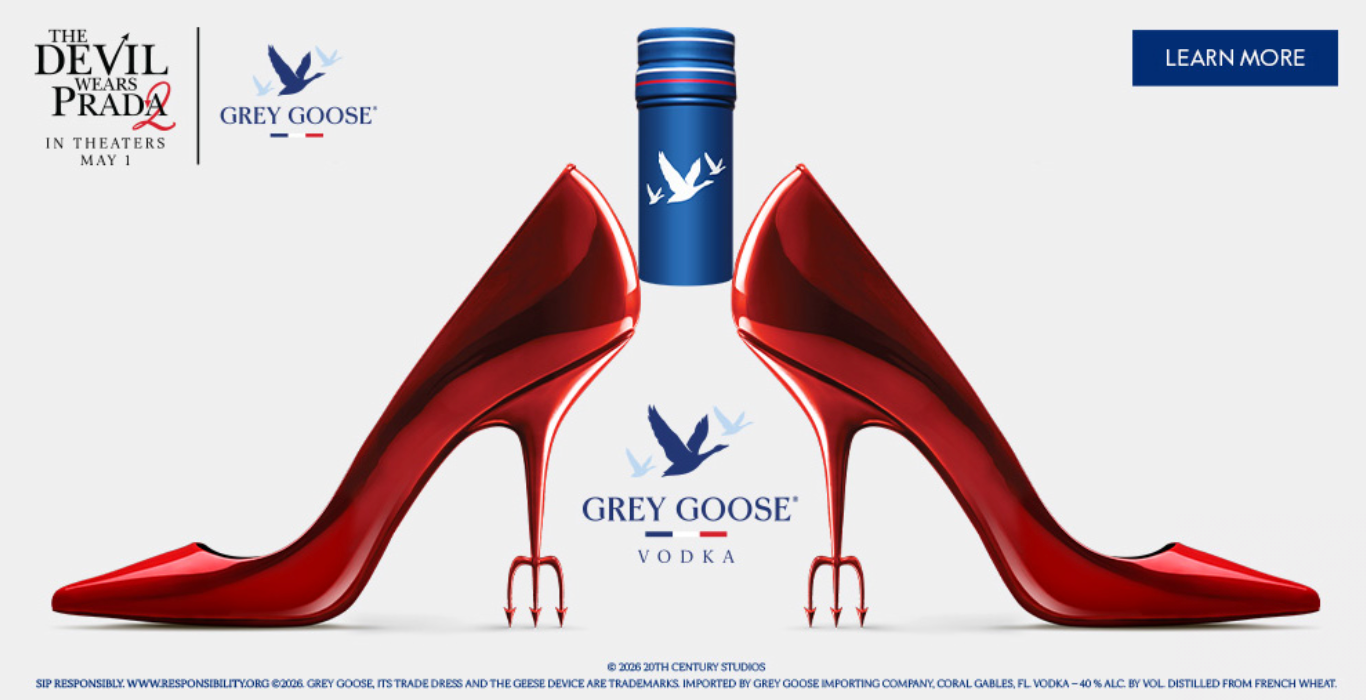
The original 2006 film "The Devil Wears Prada" did more than just satirize the fashion industry; it provided a lexicon for how high-fashion trends trickle down to the mass market. The famous "cerulean" monologue delivered by Meryl Streep’s Miranda Priestly remains a touchstone for marketing professionals, illustrating the invisible hand of industry influence. Two decades later, the sequel, "The Devil Wears Prada 2," is leveraging that legacy to create what Disney describes as the most ambitious brand marketing partnership program in the history of its studio.
On May 1, coinciding with the film’s release, Mars-owned M&M’s launched a limited-edition "All Cerulean" pack. This move signals a departure from traditional product placement toward a more integrated cultural moment. Unlike the recent marketing blitz for the film "Wicked," which utilized over 400 licensing partners ranging from high-end kitchenware to fast-food tie-ins, the strategy for "The Devil Wears Prada 2" is one of "intentional curation."
Disney’s Executive Vice President of Partnerships, Lylle Breier, noted that the studio intentionally limited the campaign to approximately 20 core brands. Each partner was selected to "own" a specific category, ensuring that the marketplace was not oversaturated. Official collaborators include a prestigious roster of global giants: L’Oréal Paris (beauty), Samsung Galaxy (technology), Mercedes-Benz (automotive), and Tiffany & Co. (jewelry). These are supplemented by licensing deals with retailers like Walmart and Old Navy, the latter of which saw a $49.99 replica of Miranda Priestly’s cerulean sweater sell out almost immediately after a promotional appearance on late-night television.
The financial logic behind this exclusivity is backed by data. Previous "tentpole" marketing campaigns have set a high bar for Media Impact Value (MIV). The 2023 "Barbie" movie’s collaboration with Zara generated an estimated $11 million in MIV, while the "Wicked" partnership with Ariana Grande’s r.e.m. beauty drove $15 million in value. By keeping the partner list lean for "Prada 2," Disney aims to maintain the "prestige" aura of the Runway brand while maximizing the ROI for each individual partner. Industry insiders noted that competition for these slots was fierce, with agencies like TRESemmé’s reportedly lobbying the studio as early as the fall of 2024 to secure the haircare category.
However, experts warn that the success of such campaigns hinges on authenticity. Cristian Gonzalez, Vice President and Head of Earned Media at RUTH, emphasizes that consumers are increasingly savvy. "More often than not, brands use these collaborations as entry points into culture," Gonzalez observed. "But the most impactful collaborations are ones where both entities co-create something that is truly impactful for their entire audience, not just those already watching the movie."
Meta’s Infrastructure Challenge: Transparency vs. Explanation
While Hollywood masters the art of the partnership, the technology sector is facing a more pragmatic crisis of public trust regarding physical infrastructure. Data centers, the backbone of the AI revolution, have become lightning rods for local opposition. A report from Data Center Watch indicates that in 2025 alone, local litigation and community resistance delayed or blocked over $156 billion in data center projects across the United States.
In response to this growing "NIMBY" (Not In My Backyard) sentiment, Meta Platforms recently launched a public relations offensive aimed at demystifying its operations. On April 28, the company published a detailed primer on its 32 owned-and-operated data centers, explaining the mechanics of cooling systems, server racks, and fiber-optic networking. This move toward transparency is timed with Meta’s aggressive expansion; the company has broken ground on 10 new AI-optimized facilities in the last two years, with major sites in Louisiana, Indiana, Texas, and Ohio expected to reach a capacity of 1 gigawatt (GW) each.
To put this in perspective, 1 GW is roughly equivalent to the output of a large nuclear power plant or enough to power 750,000 homes. The environmental and grid-load implications of such projects are the primary drivers of community pushback. To mitigate these concerns, Meta announced a groundbreaking partnership with Overview Energy to utilize space-based solar power. This technology involves satellites in geostationary orbit that capture solar energy and beam it down to Earth via near-infrared light. This allows ground-based solar farms to generate power 24/7, bypassing the limitations of nighttime and cloud cover. Additionally, a partnership with Noon Energy aims to provide 100 hours of long-duration energy storage using carbon-based technology.
Despite these technological leaps, communications experts suggest that Meta’s "transparency" may be more of an "explanation" than a true dialogue. Dan Rene, a strategic communications counselor, argues that simply explaining how a drill works does not alleviate the fear of the pain it might cause. "Proactively explaining infrastructure is a smart step," Rene said. "But transparency only works if it addresses the concerns people actually have: energy usage, environmental impact, and community disruption." The challenge for Meta and other big tech firms remains moving beyond technical facts to address the emotional and socio-economic anxieties of the communities they inhabit.
The Disinformation Trust Gap: A Mandate for PR Professionals
The third pillar of this week’s corporate communication landscape is perhaps the most daunting: the ongoing battle against disinformation. The Institute for Public Relations (IPR), in collaboration with Leger, released its sixth annual "Disinformation in Society" report, based on a survey of 2,000 U.S. adults. The findings reveal a significant "trust gap" that poses a direct challenge to the public relations and marketing industries.
According to the report, 76% of Americans believe that PR and marketing professionals have a moral and professional obligation to help combat disinformation. However, only 28% of respondents believe these professionals are actually doing so. This 48-point gap suggests that while the industry views itself as a guardian of brand reputation, the public views it with skepticism, if not outright distrust.
The study also highlighted a shifting landscape of trust in information sources. Local news remains the most trusted source of information for 62% of Americans, a stark contrast to social media platforms, which are viewed as the primary breeding grounds for false narratives. Interestingly, the public’s concern over AI-generated disinformation has seen a slight decline, dropping from 62% in 2024 to 58% in 2025. This suggests that the "novelty" of AI as a threat is wearing off, and the public is becoming more concerned with the fundamental lack of transparency and accountability in human-led communication strategies.
Tina McCorkindale, President and CEO of the IPR, argues that disinformation is no longer just a social issue—it is a critical business risk. "Communicators need to move from monitoring to action," McCorkindale stated. She identified three immediate steps for the industry: investing in internal and external media literacy programs, establishing clear protocols for identifying and debunking false narratives, and fostering a culture of radical transparency.
Analysis of Implications: The Future of Corporate Credibility
The convergence of these three narratives—the curated glamor of "Prada 2," the industrial expansion of Meta, and the IPR’s warnings on disinformation—points to a singular conclusion: the era of "passive" communication is over.
For brands like Disney and its partners, the lesson is that cultural relevance cannot be bought; it must be curated with a deep understanding of the audience’s intelligence. For infrastructure-heavy companies like Meta, the lesson is that technical explanations are no substitute for community engagement and genuine environmental stewardship. For the broader communications industry, the IPR report serves as a "call to arms."
As World Press Freedom Day approaches, the role of the PR professional is being redefined. They are no longer just "spin doctors" or "brand builders"; they are increasingly expected to be "truth-tellers" and "information navigators." In an age where a "cerulean" pack of M&M’s can capture the public imagination while a $156 billion data center project can be halted by a local lawsuit, the ability to build and maintain trust is the most valuable currency a corporation can possess.
The success of future corporate endeavors will not be measured by the size of their marketing budgets, but by their ability to close the gap between what they say and what the public perceives to be true. Whether it is through the lens of a fashion magazine or the data points of an energy report, the demand for authenticity is the new "cerulean"—it is everywhere, it is intentional, and it cannot be ignored.