rifanmuazin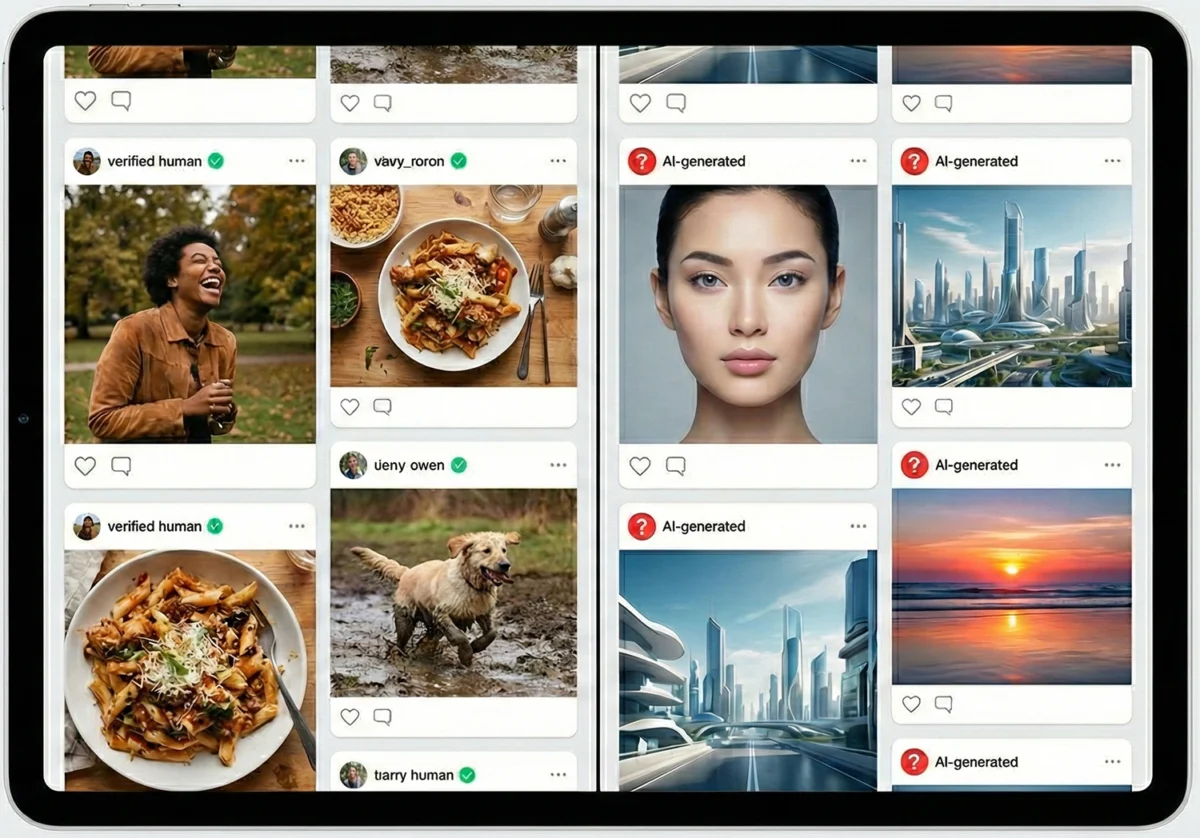
In an annual tradition that blends foresight with a touch of competitive spirit, e-commerce leaders Bill D’Alessandro and [Author’s Name, if known, otherwise use a placeholder like “a leading industry analyst”] have unveiled their collective predictions for the trajectory of the online retail landscape in 2026. This year’s forecast, which encompasses eleven key areas ranging from the transformative potential of artificial intelligence in advertising to the enduring impact of geopolitical trade policies and the shifting dynamics of consumer brands, is presented with a renewed commitment to accountability. To settle any disputes over accuracy, the pair has agreed to have their predictions evaluated by advanced AI models – Claude and Grok – at the close of 2026. The prognosticator deemed less accurate faces the ignominy of buying the victor a steak dinner, with a public feeding to underscore the competitive stakes.
The AI Revolution: From Precision Targeting to Telepathic Advertising
One of the most significant areas of focus for 2026 is the accelerating integration of Artificial Intelligence into the fabric of e-commerce operations. The predictions suggest that AI’s influence will extend far beyond algorithmic optimization, venturing into the realm of deeply personalized and predictive advertising. As articulated in the forecast, platforms like Meta already possess an intimate understanding of user interests, but the advent of AI-powered advertising from entities like OpenAI promises to elevate this to an unprecedented level.
"Meta knows your interests," the analysis states, highlighting the current state of data-driven marketing. "ChatGPT knows you’re afraid your business partner resents you, you’ve Googled ‘signs of burnout’ four times this month, and you’re one bad quarter away from seriously considering selling." This granular insight into consumer psychology and business challenges is poised to be weaponized for advertising purposes. The forecast posits that when OpenAI enters the advertising arena, the targeting will not merely be precise; it will feel "telepathic," implying an ability to anticipate needs and desires before they are consciously articulated. Early adopters of these advanced AI advertising tools are expected to gain a significant competitive advantage.
The broader implications for the advertising industry are substantial. Traditional demographic and interest-based targeting could become increasingly obsolete, replaced by AI models that can infer complex emotional states and predict purchasing behavior with remarkable accuracy. This shift necessitates a reevaluation of marketing strategies, with businesses needing to adapt to a landscape where advertising is not just seen but felt as a deeply personal intervention.
Geopolitical Currents: Tariffs and the Global Trade Landscape

Shifting from the digital frontier to the physical realities of global trade, the predictions address the persistent issue of tariffs, particularly those impacting trade with China. The forecast anticipates that tariffs will stabilize within a range of 30-50%, rather than escalating to higher levels. This projection is rooted in an analysis of prevailing economic conditions and political responses.
The report notes that rising inflation and softening economic growth are key factors influencing this outlook. Historical precedent suggests that political leaders, particularly those sensitive to market reactions, may temper protectionist policies when economic indicators are precarious. The observed market jitters earlier in the year, which led to a swift rollback of tariffs, serve as a cautionary tale. The prediction is that policymakers will be hesitant to impose further economic strain on an already fragile economy.
The sustained presence of tariffs, even at moderate levels, will continue to shape supply chain strategies for e-commerce businesses. Companies will need to factor these costs into their pricing models, explore diversification of sourcing, and potentially invest in nearshoring or reshoring initiatives to mitigate risks. The forecast implies a period of recalibration rather than a dramatic shift in trade policy, requiring businesses to build resilience into their operational frameworks.
The Enduring Power of AI: Beyond Advertising
The optimism surrounding Artificial Intelligence extends beyond advertising, with a specific prediction that the "AI bubble won’t pop in 2026." This assertion stands in contrast to prevailing market sentiment, which often expresses concern about overvaluation in the technology sector. To support this claim, the analysis points to fundamental economic indicators.
The current forward price-to-earnings (P/E) ratio of the NASDAQ is cited at approximately 27x, a figure significantly lower than the P/E ratio of over 100x observed during the dot-com bubble of the early 2000s. Furthermore, government investment in AI is estimated to be roughly five times greater than overall tech spending during that earlier period, adjusted for inflation. These comparative metrics suggest that the current AI boom is underpinned by more robust fundamentals and a broader range of applications, making it more sustainable.
The implications of AI’s continued growth are far-reaching. Beyond advertising, the forecast anticipates significant advancements in content creation and editing. "Video and audio editing will be largely automated at 7/10 quality," the report predicts. Tools like Descript are already demonstrating this capability, and by the end of 2026, it is expected that raw footage can be transformed into polished edits through AI, enabling "scrappy founders" to produce professional-quality content without the need for extensive production teams. This democratization of high-quality content creation will likely fuel a surge in user-generated content and empower smaller businesses to compete more effectively in the digital space.

The Erosion of Trust and the Quest for Authenticity
A concerning trend identified in the e-commerce landscape is the erosion of trust due to the proliferation of AI-generated content. The author shares a personal anecdote of encountering a significant volume of AI-generated videos on a newly created social media account, leading to a stark realization of the challenge. "Roughly a third of the videos in my feed looked AI-generated," the analysis reveals. This rapid decline in perceived authenticity is a critical issue for platforms and brands alike.
In response, the prediction is that "major platforms will start testing ‘verified human’ content badges." This initiative aims to provide users with a clear indicator of content authenticity, thereby rebuilding trust and fostering a more reliable online environment. Such a development could lead to a bifurcation of online content, with human-created and verified content commanding greater attention and credibility.
For businesses, this underscores the importance of transparency and authenticity in their marketing efforts. While AI can streamline content creation, maintaining a human touch and clearly identifying genuine interactions will become increasingly crucial for brand building and customer loyalty.
The Bifurcated Economy: K-Shaped Trends and Inflationary Pressures
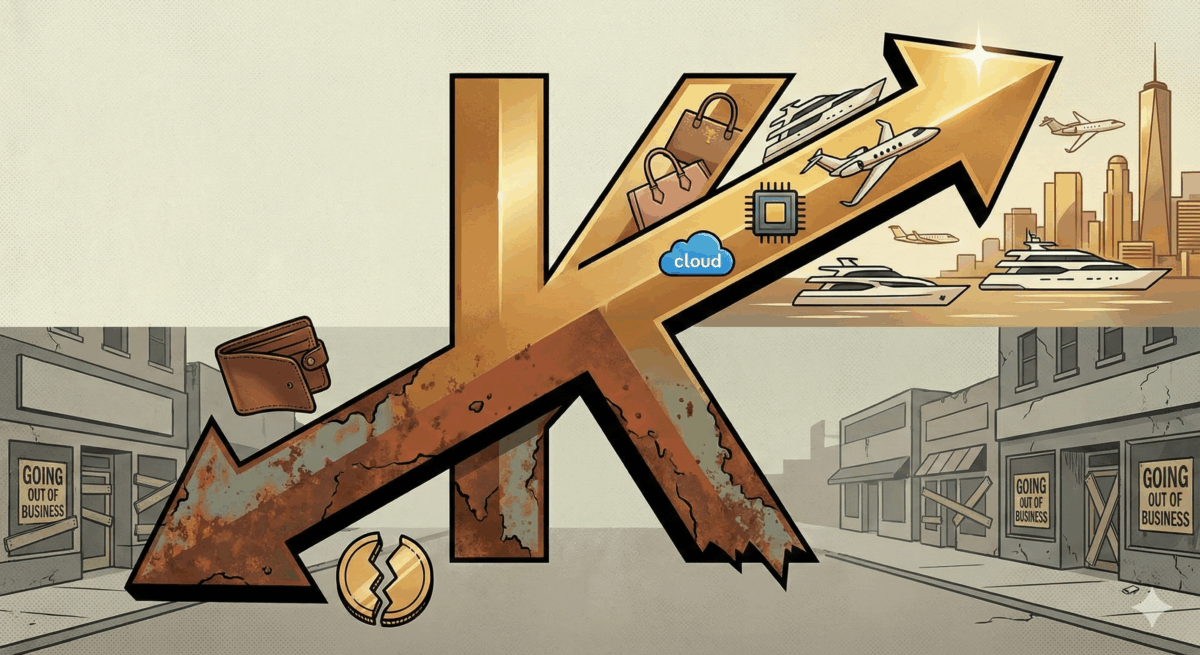
On the macroeconomic front, Bill D’Alessandro’s predictions highlight a growing economic divide, characterized as a "K-shaped economy." This model suggests that while segments of the market, particularly large technology companies and "Mag 7" stocks, will continue to experience significant growth (potentially exceeding 20%), the broader economy and the average consumer will face ongoing challenges.
This bifurcation has direct implications for e-commerce. The forecast advises businesses to strategically position themselves either "up-market selling to affluent consumers" or "down-market with sharp pricing on essentials," as the "middle is dangerous." This suggests a market segmentation where consumers are increasingly polarized in their spending habits, driven by economic security or financial constraints.

Compounding these trends is the persistent issue of inflation. D’Alessandro predicts that inflation will remain "north of 3% in 2026," attributing this to a lack of political will to reduce government spending and a continued reliance on deficit spending. This outlook suggests that inflationary pressures are not a short-term anomaly but a long-term challenge that will persist for the next decade. Businesses are therefore advised to strategically position their portfolios and operations for a sustained inflationary environment, which may involve adjusting pricing strategies, optimizing inventory management, and exploring cost-saving measures.
The Dominance of AI in Advertising and the Demise of Lifestyle Brands
The pervasive influence of AI is further emphasized by the prediction that "AI will completely take over Meta ads content." Evidence of this trend is already emerging, with proof-of-concept pipelines capable of generating "100 novel ads per day." These AI systems are designed to analyze customer reviews, leverage brand assets, and generate a continuous stream of visual and soon-to-be video content that can be directly launched through APIs. The year 2026 is seen as the turning point when this AI-driven advertising approach becomes mainstream.
This advancement has significant implications for brand marketing and customer acquisition costs. Businesses that can effectively harness AI for ad creation and optimization will likely gain a significant advantage in reaching and engaging target audiences. Conversely, those that lag behind in adopting these technologies may find it increasingly difficult to compete.
The forecast also delivers a stark assessment of the future for many e-commerce brands, particularly those in the "lifestyle" category. The prediction is that "the lifestyle brand is dead" unless it possesses "strong IP protection or a top 5-10% brand." The rationale behind this bold statement is that larger entities with AI-powered operational efficiencies will be able to outspend, out-test, and tolerate higher customer acquisition costs than smaller, independent businesses. This suggests a consolidation of market power, where only the most robust and differentiated brands will be able to thrive.
Mergers, Acquisitions, and the Shifting Investment Landscape
The economic landscape of 2026 is also expected to see a significant divergence in the mergers and acquisitions (M&A) market. The prediction is that M&A activity will be "gang busters at the high end and anemic at the low end." Data indicates a 19% year-over-year increase in deals exceeding $1 billion, while transactions in the small and mid-size range have seen an 18% decrease. This trend is expected to continue, with top-tier businesses commanding premium valuations, while typical e-commerce brands may struggle to find buyers or achieve favorable deal terms.
This outlook has implications for business owners considering exit strategies or seeking investment. The focus for investors is likely to shift towards larger, more established players with proven track records and significant market share. Smaller businesses may need to focus on achieving sustainable profitability and demonstrating strong growth potential to attract investment or facilitate a successful acquisition.
Cryptocurrency Outlook: Bitcoin’s Volatile Path
Finally, the predictions touch upon the cryptocurrency market, specifically Bitcoin. It is forecasted that Bitcoin will experience a dip below $70,000 in the first half of 2026, but will ultimately finish the year above $100,000. This projection is based on competing market forces: a struggling consumer economy is expected to dampen Bitcoin’s appeal as a risk asset, while persistent inflation is seen as bolstering its position as a store of value, often referred to as "digital gold." The anticipated volatility in the first half of the year is expected to give way to a recovery as the narrative around inflation strengthens.
Navigating the Future: Community and Continuous Learning
While these predictions offer a valuable glimpse into potential future trends, the authors emphasize that staying ahead in the dynamic e-commerce world requires more than just forecasting. They advocate for active engagement within a community of experienced entrepreneurs. The eComFuel community is presented as a vital resource, offering a platform for "a thousand seven and eight-figure store owners" to share insights on what is working, what is not, and what to anticipate in the evolving marketplace. This underscores the importance of collaborative learning and real-time adaptation in navigating the complexities of the digital economy.