admin
admin
The landscape of Business-to-Business (B2B) marketing is undergoing a profound transformation, with thought leadership at the epicenter of this shift. While the value of establishing expertise and authority remains a cornerstone belief for most B2B marketers, a significant gap exists between generating awareness and actively leveraging thought leadership to drive sustained customer engagement and revenue. Recent research, including the comprehensive "State of B2B Thought Leadership in 2026" study conducted by TopRank Marketing in partnership with Ascend2, underscores this critical disconnect. The study revealed that a staggering 97% of senior B2B marketers deem thought leadership essential for full-funnel success. However, less than half of these same professionals extend their thought leadership initiatives to effectively engage and retain customers post-purchase, signaling a missed opportunity for deeper impact and measurable return on investment.
In an era where marketing’s accountability for demonstrating tangible outcomes is more pronounced than ever, this chasm presents a crucial inflection point for B2B marketers. Traditionally, thought leadership has been primarily viewed as a brand-building exercise, aimed at elevating awareness and generating initial interest, before handing off prospects to demand generation and sales teams for conversion. This model, however, is becoming increasingly obsolete. The proliferation of readily available content, amplified by advancements in Artificial Intelligence (AI), has led to a commoditization of standard thought leadership formats. Consequently, much of this content struggles to differentiate itself beyond generic research reports and fails to provide sustained value across the entire customer lifecycle.
The evolving B2B buyer environment, marked by significant shifts in buyer behavior and the pervasive influence of AI on content discovery and creation, necessitates a re-architecting of thought leadership strategies. The traditional approach of targeting only senior-level decision-makers is no longer sufficient to build the requisite credibility, trust, and decision confidence among the broader, more fragmented buyer groups and their interconnected networks. As AI becomes adept at generating content that mimics thought leadership with remarkable speed, the sheer volume of undifferentiated material means that brands are increasingly blending into a homogenous mass, with few truly standing out. This reality compels a fundamental question: how can B2B marketers architect and activate thought leadership not just for initial visibility, but to consistently earn credibility with diverse buyer audiences, and crucially, to foster conditions for conversion throughout the entire buying journey, including post-sale retention and growth?
Best Answer Visibility: Meeting Buyers Where They Are
The journey of a B2B buyer begins long before direct engagement with a brand. In today’s digital ecosystem, potential customers are actively researching, posing questions into search engines like Google, prompting AI-powered conversational interfaces such as ChatGPT and Perplexity, and seeking peer recommendations within online communities like Slack and Reddit. For modern B2B brands to achieve visibility, and more importantly, to cultivate credibility and trust, they must be present with relevant answers in these very spaces, in the formats buyers prefer, and precisely when their questions arise.
Rand Fishkin, Co-founder & CEO of SparkToro and Alertwise, recently articulated this imperative on LinkedIn, stating, "If you’re not present in the places your audience pays attention, it’s all over." This sentiment highlights a critical distinction between promotion and attraction. Many B2B brands fall into the trap of creating thought leadership content centered around their own solutions or desired category narratives. While this content might resonate internally, it often fails to capture the attention of audiences actively seeking solutions to their problems. Promotional content, no matter how well-intentioned, can become invisible if it does not directly address the questions buyers are asking.
To effectively craft these crucial answers, a deep understanding of buyer inquiries is paramount. This involves a multi-faceted approach, integrating customer feedback, analyzing data from CRM systems and sales conversations, conducting in-depth SEO and query analysis, and leveraging AI-driven "question fan-out" techniques. The objective is to build a comprehensive inventory of the questions your ideal buyers are asking at each stage of their journey, articulated in their own language, rather than solely focusing on what the brand wishes to promote.
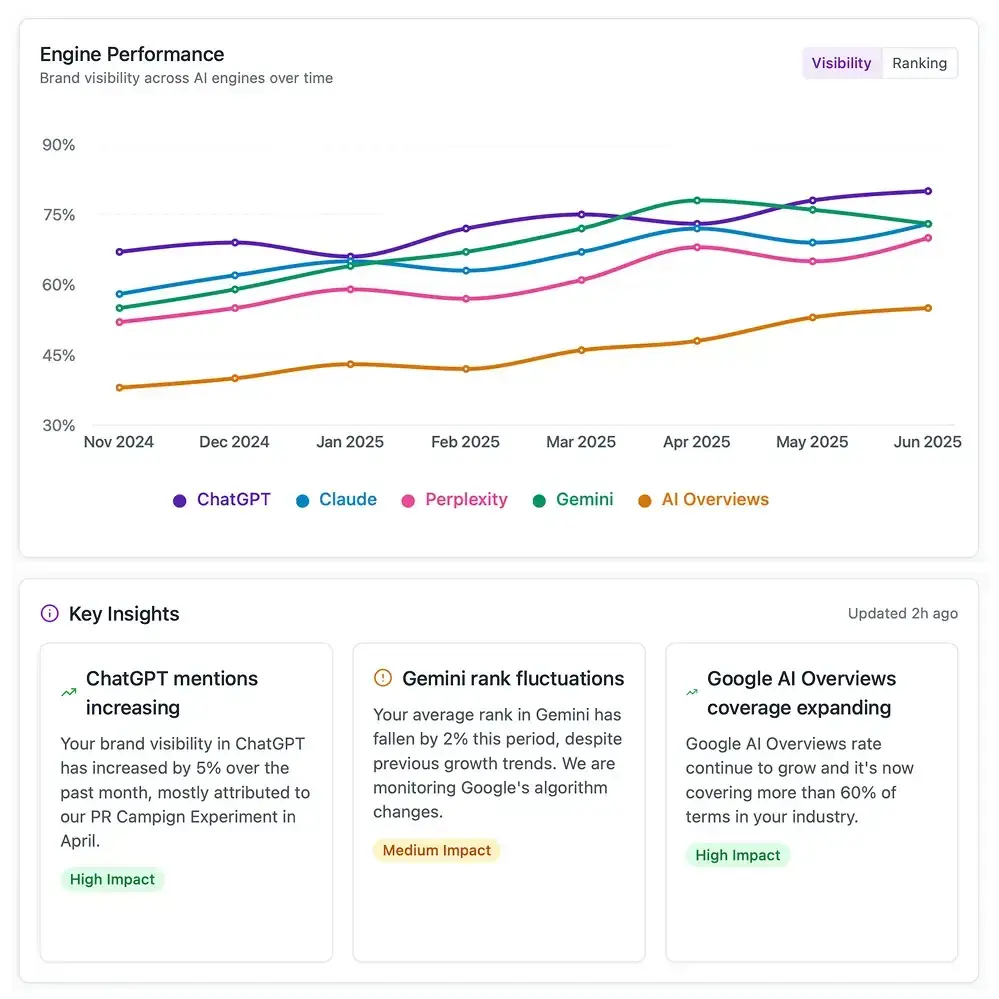
The "State of B2B Thought Leadership in 2026" study further supports this strategic shift, revealing that 40% of top-performing B2B brands are already incorporating Answer Engine Optimization (AEO) for AI search into their distribution strategies. Brands that successfully appear in AI-generated answers are those that have demonstrably earned trust signals through original research, expert validation, and a consistent publishing cadence on authoritative domains. In essence, visibility is the initial gateway, but credibility is the decisive factor in whether a potential buyer chooses to engage and remain.
Credibility: The Foundation of Trust Through Evidence and Validation
In 2026, B2B buyers are inherently skeptical. The relentless marketing barrage, coupled with the widespread dissemination of AI-generated content that, while technically accurate, often lacks practical utility, has cultivated a discerning audience. Buyers have experienced webinars masquerading as product demonstrations, industry trend articles thinly veiled as native advertisements, and a plethora of content created under the guise of thought leadership with a thinly veiled sales agenda. To truly build trust in this environment, mere strong opinions or contrarian viewpoints are insufficient.
The most credible thought leadership is characterized by substantive evidence and rigorous validation. This includes:
- Original Research: Groundbreaking studies that uncover new insights or challenge existing paradigms.
- Expert Validation: Endorsements and amplification from respected voices within the industry.
- Data-Driven Insights: Clearly presented and actionable findings derived from robust data analysis.
- Contrarian Perspectives with Data: Challenging conventional wisdom, but always supported by empirical evidence.
- Practical Application and Case Studies: Demonstrating how insights translate into real-world success.
Cindy Anderson, CMO at the IBM Institute for Business Value, eloquently defines brand thought leadership as, "Distinctive, evidence-based intelligence that gives leaders the insights they need to make better business decisions and the inspiration to act." This definition encapsulates the dual role of thought leadership: providing actionable intelligence and fostering the motivation to implement it.
Beyond presenting compelling evidence, the validation of research findings by respected industry influencers and their subsequent sharing with their own audiences significantly amplifies a brand’s credibility. When trusted voices lend their support, the reach and perceived authority extend far beyond what proprietary brand channels can achieve alone. The power of these data narratives lies not only in the data itself but in how it is communicated and amplified through these trusted networks.
Content Experiences: From Discovery to Lasting Memory and Action
Credibility, once established, can forge trust, creating a pivotal moment of opportunity for B2B brands. The critical question then becomes how the content experience capitalizes on this moment. The "State of B2B Thought Leadership in 2026" study found that 78% of B2B marketers agree that interactive and experiential content enhances repeat engagement. However, a significant disconnect persists, with only 33% regularly integrating such content into their campaigns. This gap between understanding what works and its consistent implementation represents a fertile ground for B2B marketers to innovate.
While standard content formats, such as well-structured articles, reports, and blog posts optimized for search and AI discovery, remain valuable, their ease of AI-assisted creation means they no longer guarantee differentiation. To truly stand out, the presentation of research insights is as crucial as the insights themselves. Powerful research can lose its impact if the audience struggles to discover it or lacks the motivation to consume it.

Experiential content, on the other hand, directly addresses evolving buyer expectations by offering:
- Interactive Tools and Calculators: Enabling buyers to personalize insights and explore potential outcomes.
- Webinars and Virtual Events: Providing live, engaging platforms for knowledge exchange and Q&A.
- Podcasts and Audio Content: Offering flexible and accessible ways for buyers to consume information on the go.
- Immersive Experiences (AR/VR): Though nascent in B2B, offering novel ways to visualize complex products or solutions.
- Gamification and Quizzes: Encouraging active participation and reinforcing learning through engaging formats.
These formats move beyond passive consumption, fostering deeper engagement and creating memorable experiences that solidify learning and drive action.
Conversion: Architecting for Informed, Inspired, and Influenced Decisions
Credible and widely distributed thought leadership cultivates brand affinity and builds buyer confidence. However, conversion—the ultimate goal—requires a carefully constructed content architecture that intentionally guides the buyer toward a decision. Thought leadership’s primary role is to inform and inspire, while demand and sales content is designed to convert. The connection between these two functions must be deliberate and integrated.
To bridge the gap between thought leadership and conversion while maintaining objectivity, marketers must meticulously consider the buyer’s information journey and their evolving expectations. This involves intentionally sequencing content topics, formats, and visibility channels according to the buyer’s stage in the journey. This strategic approach ensures that buyers receive the right information, in the right format, at the right time, fostering decision confidence.
Consider the complex buying committee often involved in enterprise software purchases. Each member, at various stages of the buying process, has unique information needs, preferred channels, and specific questions. An effective content architecture addresses these diverse requirements:
- Awareness Stage: Buyers may be encountering a problem for the first time. Content should focus on broad industry challenges and potential solutions, delivered through accessible channels like blog posts, social media, and broad-reaching webinars.
- Consideration Stage: Buyers are researching specific solutions and vendors. Content needs to demonstrate expertise and provide detailed insights into categories and capabilities, utilizing white papers, in-depth reports, and comparison guides.
- Decision Stage: Buyers are evaluating specific vendors and making final choices. Content must build confidence in the vendor’s offering, showcasing case studies, testimonials, product demos, and ROI calculators.
- Post-Purchase/Retention Stage: Buyers are seeking to maximize their investment and drive further value. Content should focus on best practices, advanced usage, product updates, and community engagement, fostering loyalty and advocacy.
Each asset within this architecture should build upon the credibility established by original research, be tailored for a specific audience and buying moment, and clearly articulate the next logical step for the buyer. The data powerfully supports this approach: according to "The ROI of Thought Leadership" by Cindy Anderson and Anthony Marshall, 87% of executives have made a purchase within 90 days of consuming thought leadership content. This critical window of opportunity is only accessible to brands that have intentionally built the conversion architecture to capture it.
Measurement: Closing the Loop from Insight to Impact
A B2B thought leadership program that cannot demonstrably prove its commercial impact is unlikely to sustain its budget or its strategic importance. The measurement challenge is particularly acute in B2B, given long buying cycles and the involvement of multi-stakeholder committees. The solution lies in developing a measurement framework that accounts for thought leadership’s comprehensive contribution across the entire buyer journey.
Three key measurement categories are essential for evaluating thought leadership effectiveness:
- Brand Health Signals: These metrics indicate whether thought leadership is actively building authority within the target market. Key indicators include branded search trends, share of voice in industry media, earned media mentions, and citation share in AI-generated answers. The latter is emerging as a particularly meaningful indicator of how consistently AI platforms, which buyers increasingly rely on, position a brand as a credible source.
- Engagement Depth Signals: These metrics gauge whether buyers are investing meaningful time and attention with the content. Metrics such as time on page, scroll depth, usage of interactive tools, webinar attendance, and podcast downloads are crucial. Superficial metrics like impressions offer little insight into the true impact of thought leadership.
- Commercial Contribution Signals: These metrics directly link thought leadership touchpoints to tangible business outcomes. This involves tagging thought leadership assets within CRM systems to track which accounts engaged with research prior to their initial sales conversations. Comparing win rates between accounts that interacted with thought leadership and those that did not provides a clear demonstration of its influence on revenue.
The financial implications of effective thought leadership are substantial. As highlighted in "The ROI of Thought Leadership," this strategic approach delivers an average ROI of 156%, a significant leap compared to the 9% ROI typically achieved by traditional marketing efforts. B2B brands that can effectively demonstrate this elevated impact are far more likely to secure the necessary budget to sustain and scale their thought leadership programs.
A System for B2B Thought Leadership: Best Answer Marketing
Visibility, credibility, and conversion are not isolated challenges; they are sequential outcomes of a unified and integrated effort. The Best Answer Marketing system, as developed by TopRank Marketing, serves as a powerful multiplier, transforming original research into a cohesive content marketing strategy. This system builds trust across diverse channels through content experiences that deliver tangible value throughout the buyer’s journey.
The core tenets of this system include:
- Listening: Understanding buyer needs and questions through continuous monitoring and analysis.
- Original Research and Influencer Trust: Anchoring content in proprietary data and leveraging the credibility of industry experts.
- Multi-channel Distribution: Reaching buyers across search engines, AI-powered discovery platforms, social media, traditional media, and community forums.
- Sequenced Content Experiences: Guiding buyers from initial awareness through to retention with tailored content at each stage.
- Outcome Measurement: Tracking and demonstrating impact across the entire customer lifecycle.
B2B brands that embrace this systematic approach are poised to realize the greatest returns from their thought leadership investments. By becoming "Best Answer Brands," they position themselves as indispensable resources for their target audiences, fostering enduring relationships and driving sustainable business growth.
For a deeper dive into building this integrated system, including comprehensive research data, strategic frameworks, and case studies from leading B2B brands, the "State of B2B Thought Leadership in 2026" report is now available.
At a recent industry gathering, Digital Summit in Tampa, the author presented on this very topic, offering a session titled "Full-Funnel Thought Leadership: Drive Brand, Demand, and Revenue Outcomes." This presentation addressed the challenges faced by B2B marketing teams in an uncertain economic climate, where an overemphasis on the small percentage of buyers actively in-market can lead to a deluge of low-quality content that lacks credibility and fails to engage. The session emphasized that B2B leaders are not seeking more content, but rather reliable answers from trusted sources. The presentation outlined how the Best Answer Marketing Framework empowers B2B brands to create a data-informed, multi-channel content experience system that builds trust and drives comprehensive, full-funnel results. Attendees learned strategies to:
- Align thought leadership with buyer intent and evolving search behaviors.
- Leverage original research and expert validation to build irrefutable credibility.
- Design interactive and experiential content that captivates and converts.
- Integrate thought leadership into sales enablement for enhanced buyer confidence.
- Measure and attribute thought leadership’s impact on brand, demand, and revenue.