admin
admin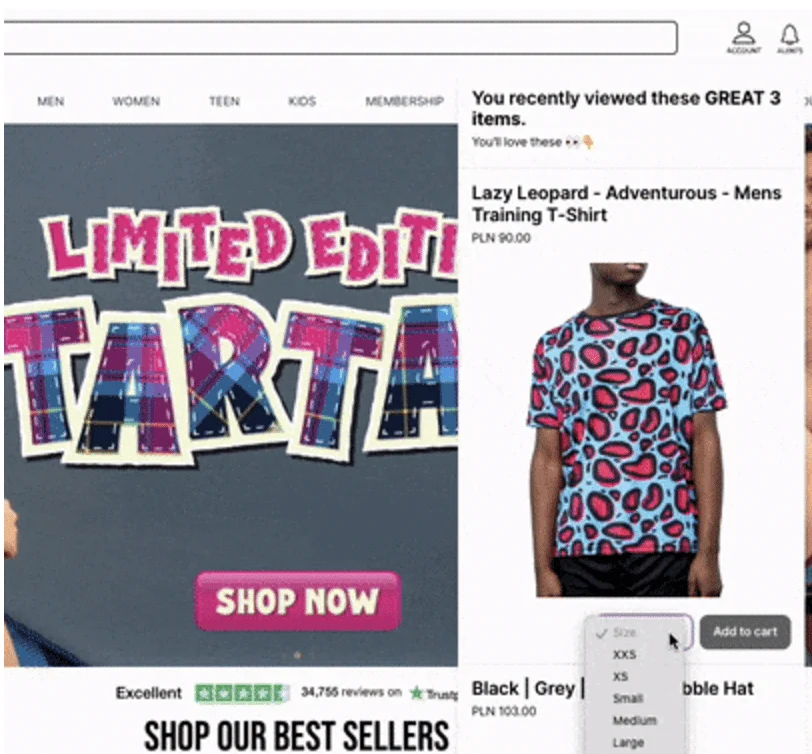
The global e-commerce landscape is currently undergoing a fundamental paradigm shift as businesses move away from static, one-size-fits-all marketing strategies toward hyper-personalized, data-driven ecosystems. At the heart of this evolution is the integration of Artificial Intelligence (AI) into Conversion Rate Optimization (CRO), a discipline traditionally defined by manual testing and human intuition. By leveraging machine learning algorithms and real-time data processing, companies are now able to anticipate user needs with a level of precision that was previously impossible. This technological leap is not merely about increasing sales; it represents a total restructuring of the customer journey, where every digital interaction is optimized to reduce friction and maximize value.
The Shift from Traditional to AI-Driven Optimization
For over two decades, Conversion Rate Optimization followed a predictable, albeit slow, trajectory. The process typically involved a "heuristic review"—where experts guessed which elements of a page might be confusing users—followed by sequential A/B testing. In this traditional model, a marketing team might test two different headlines over the course of a month, analyze the results, and then implement the winner. While effective, this method is increasingly viewed as inadequate in a market where consumer behavior changes in real-time.
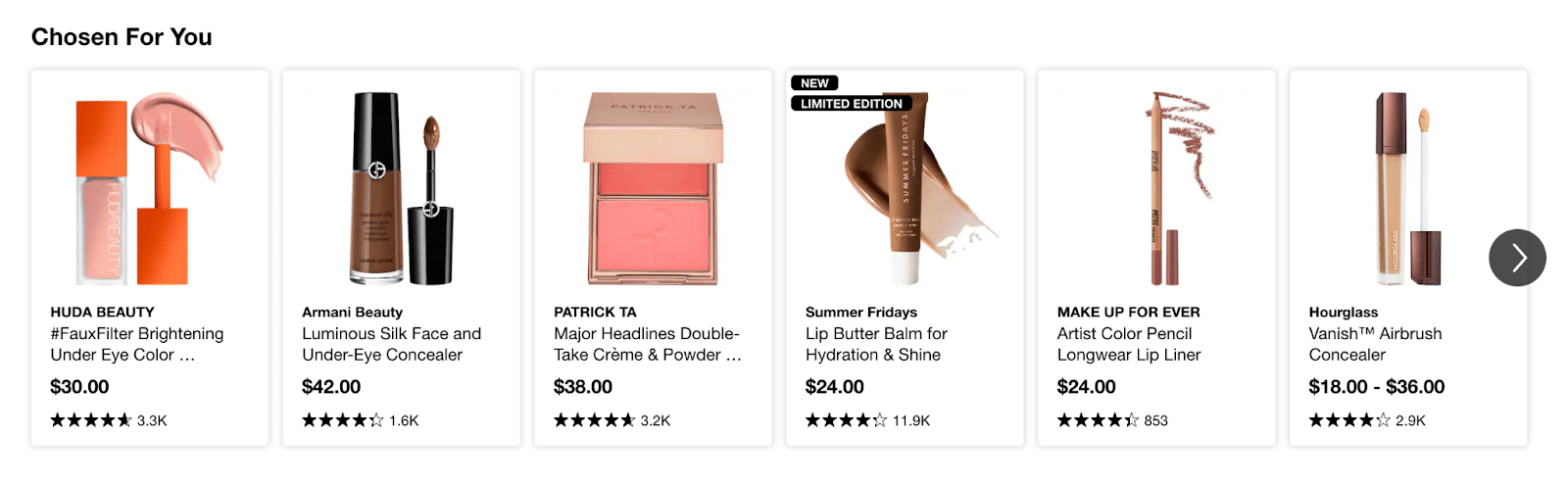
AI-driven CRO, conversely, operates on a principle of continuous learning. Rather than running tests in isolation, AI systems analyze massive datasets to identify patterns that are invisible to the human eye. These systems can process variables such as time of day, device type, geographic location, and past browsing history simultaneously to deliver a unique version of a website to every individual visitor. According to industry reports, the global AI in retail market was valued at approximately $5 billion in 2022 and is projected to reach over $31 billion by 2028, reflecting a massive influx of capital into automated optimization technologies.
Chronology of the CRO Evolution
To understand the current state of the market, it is necessary to examine the timeline of how digital optimization has matured:
- The Era of Analytics (2000–2010): The introduction of tools like Google Analytics allowed businesses to see where users were dropping off, but offered little insight into why.
- The Testing Boom (2010–2017): Platforms like Optimizely and VWO democratized A/B testing. Companies began focusing on "the funnel," but the process remained manual and labor-intensive.
- The Integration of Machine Learning (2018–2021): Early AI tools began appearing, offering basic product recommendations and automated heatmaps. Brands like Sephora started experimenting with Augmented Reality (AR) and AI-driven virtual assistants.
- The Generative and Predictive Era (2022–Present): With the rise of Large Language Models (LLMs) and sophisticated predictive analytics, AI can now write its own testing copy, design layouts, and predict which customers are likely to churn before they even leave the site.
Case Studies in Intelligent Personalization
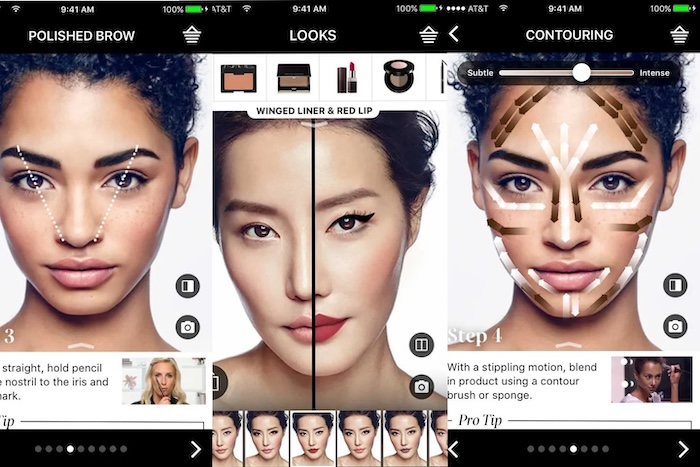
The practical application of AI in CRO is best observed through industry leaders who have successfully integrated these technologies into their core operations. Sephora, a pioneer in the beauty retail space, utilizes an AI-powered "Virtual Artist" tool. By allowing customers to virtually "try on" makeup through their mobile devices, the brand has significantly reduced the friction associated with buying cosmetics online—a category that traditionally required in-person testing. This use of AI does more than provide a novelty; it directly addresses the primary conversion barrier: uncertainty.
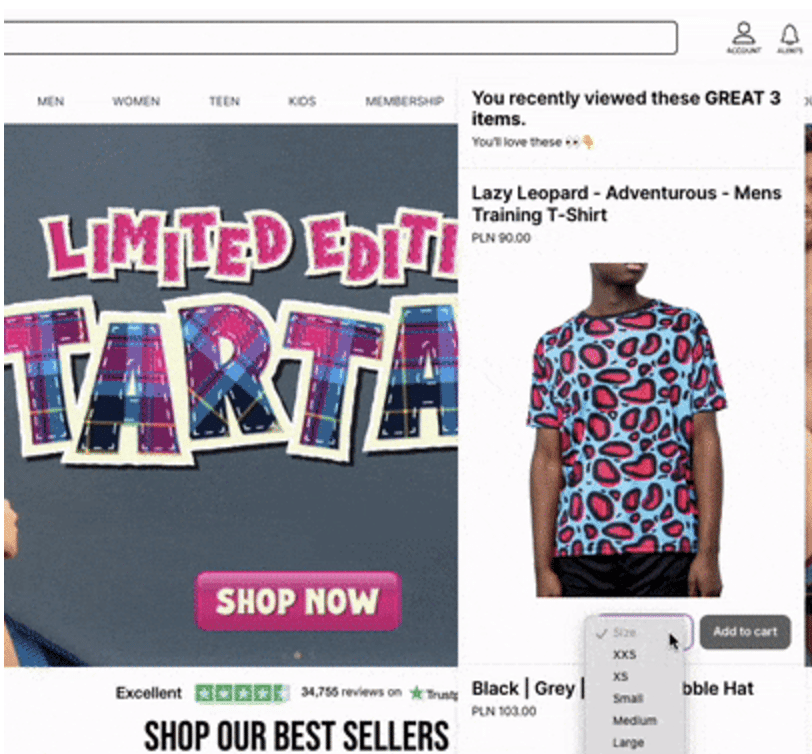
In the apparel sector, the UK-based brand OddBalls demonstrates the power of "nudge theory" powered by AI. Their system tracks visitor behavior and, after a user views a specific threshold of products, triggers a dynamic notification displaying a "Wishlist" of recently viewed items alongside tailored recommendations. This level of personalized engagement has been shown to increase revenue per visitor (RPV) by ensuring that the most relevant content is always front and center.
Similarly, Stitch Fix has revolutionized the subscription model by using an "Outcome-Conditional Model" (OCM). Their AI analyzes thousands of data points—from style preferences to feedback on previous shipments—to curate a personalized selection for each user. This predictive capability ensures that the items sent have the highest possible statistical probability of being purchased, thereby optimizing the conversion rate of every box shipped.
The Technical Toolkit: How AI Enhances the Conversion Funnel
The modern CRO specialist utilizes a suite of AI-powered tools that function as a force multiplier for their marketing efforts. These tools are categorized by their specific role in the user journey:
1. Personalization Engines and Dynamic Content
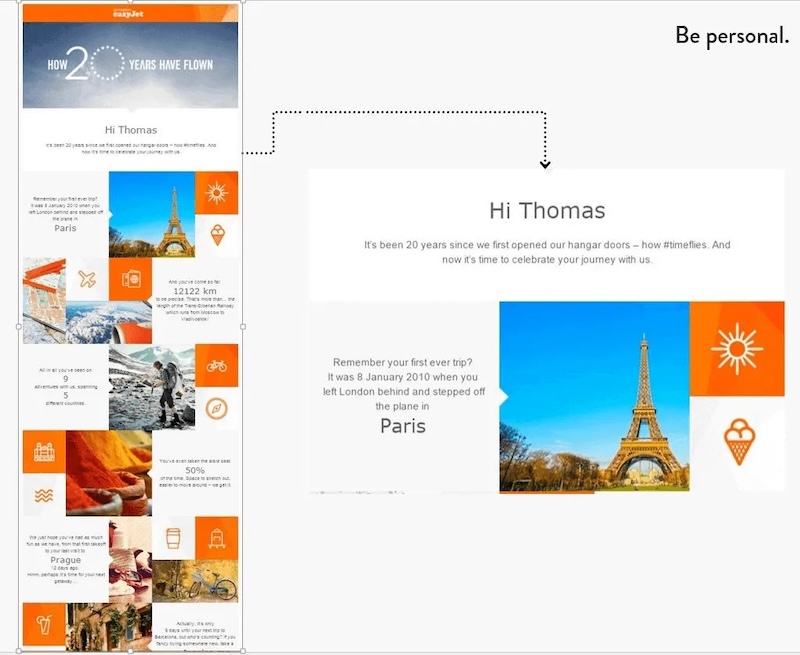
AI tools like Unbounce or Convert allow websites to change their content dynamically. For instance, if a user lands on a site from a cold climate, the AI might prioritize winter gear on the homepage, whereas a user from a tropical region would see swimwear. This ensures that the first touchpoint is always relevant to the user’s immediate context.
2. AI-Driven Chatbots and Natural Language Processing (NLP)
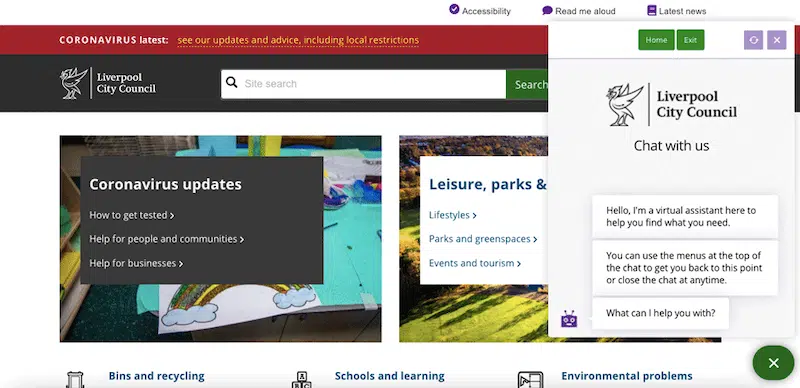
The evolution from "rule-based" bots to AI chatbots has been transformative. Tools like Intercom and Drift use NLP to understand the intent behind a user’s question. They can provide instant support, resolve queries about shipping or returns, and even suggest products based on the conversation. A notable example is the Liverpool City Council, which implemented an AI virtual assistant to handle complex queries regarding council taxes. The bot successfully replicated human-like support, resolving issues in real-time and freeing up human staff for more complex cases.
3. Predictive Analytics and Churn Prevention
Platforms such as HubSpot and Pendo use machine learning to identify "at-risk" users. If a customer’s behavior mimics that of previous users who abandoned their carts—such as hovering over the "exit" button or repeatedly clicking a non-functional element—the AI can trigger an immediate intervention. This might include a time-sensitive discount or a pop-up offering assistance, effectively "saving" the conversion.
4. Advanced Behavioral Mapping
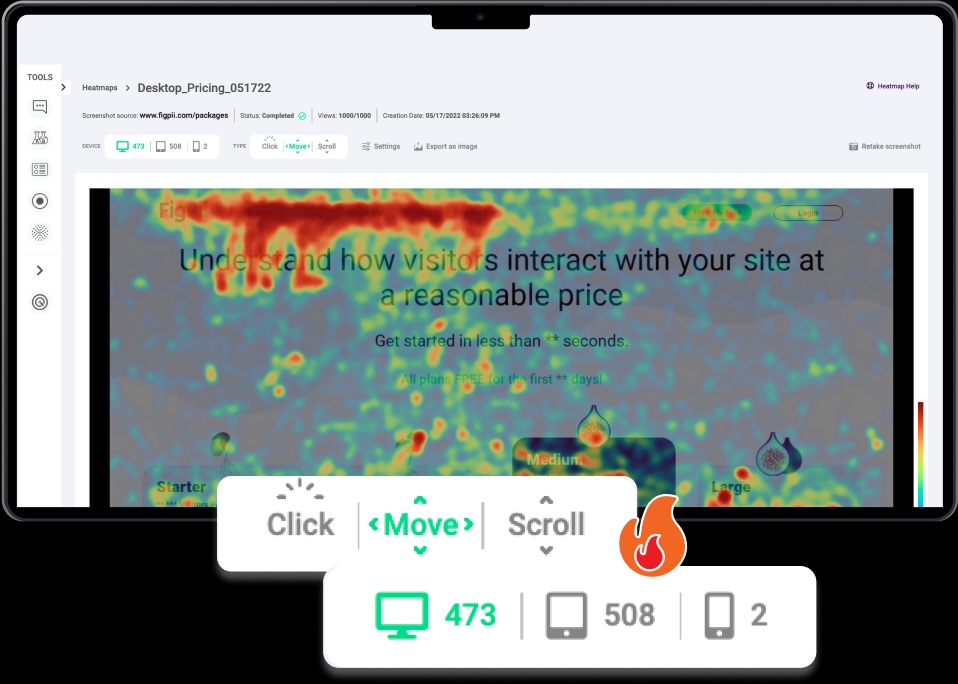
Traditional heatmaps show where people click. AI-enhanced heatmaps, such as those provided by FigPii or Crazy Egg, go further by analyzing the intent behind the movement. They can distinguish between a "rage click" (clicking out of frustration) and an "engagement click," providing marketers with a clear roadmap of where the user experience is failing.
Building a Data-Driven Culture and Industry Reactions
The implementation of AI in CRO is not merely a technical challenge but an organizational one. Industry analysts suggest that for AI to be effective, businesses must foster a "data-driven culture." This involves breaking down silos between marketing, IT, and customer service to ensure that data flows freely across the organization.
Chief Marketing Officers (CMOs) at leading Fortune 500 companies have expressed that the greatest value of AI is its ability to handle "bandwidth-heavy" tasks. By automating the analysis of large datasets, human strategists are free to focus on high-level creative direction and brand storytelling. "AI is not a replacement for the CRO strategist," noted one industry veteran. "It is a specialized tool that speeds up the generation of insights, allowing us to act on data while it is still fresh and relevant."
However, the rise of AI-driven data collection has also sparked reactions from privacy advocates. With the implementation of GDPR in Europe and CCPA in California, businesses are under increasing pressure to balance personalization with data ethics. The consensus among ethical marketers is that AI should be used to enhance the user experience, not to manipulate it. Transparency in how data is used to "tailor" the experience is becoming a key component of brand trust.
Broader Impact and the Future of the Digital Journey
As AI technology continues to mature, the distinction between "browsing" and "buying" will become increasingly blurred. We are moving toward a future of "zero-friction" commerce, where AI assistants may manage the entire purchasing process on behalf of the consumer.
The broader implications for the economy are significant. Smaller businesses that adopt AI-driven CRO tools can now compete with global giants by offering the same level of personalized service that was once the exclusive domain of companies with massive data science teams. This democratization of technology is likely to lead to a more diverse and competitive digital marketplace.
In conclusion, the integration of Artificial Intelligence into Conversion Rate Optimization marks the end of the "guesswork" era in digital marketing. By utilizing predictive modeling, real-time personalization, and automated behavioral analysis, brands can create seamless, intuitive experiences that resonate with users on an individual level. The future of CRO is not found in a single A/B test, but in the continuous, machine-led refinement of every digital touchpoint. As businesses continue to adapt, those who embrace these AI-driven strategies will likely see not only improved conversion rates but also deeper, more meaningful connections with their customers.