admin
admin
In an increasingly fragmented digital economy, the adoption of holistic marketing has transitioned from a theoretical preference to a commercial necessity for enterprises seeking to scale affiliate programs and secure long-term market relevance. Holistic marketing is defined as a business strategy that integrates every department and communication channel to ensure a unified brand message and a seamless customer experience. Unlike traditional marketing frameworks that often operate in silos—where social media, sales, and customer service teams function independently—the holistic approach posits that the business is a single entity. Every touchpoint, from an affiliate’s promotional link to a customer service interaction, contributes to the overarching perception of the brand. By aligning internal operations, relationship management, and societal responsibilities, organizations can create a coherent narrative that fosters trust and drives sustainable growth.
The Evolution of the Holistic Marketing Concept
The shift toward holistic marketing represents a significant departure from the traditional 4Ps (Product, Price, Place, Promotion) model that dominated the mid-20th century. As the internet decentralized information, the "silo" effect became a liability. In the early 2000s, marketing theorists, most notably Philip Kotler, began emphasizing the need for a more integrated framework. This evolution was driven by the rise of multi-channel consumer journeys. Today, a consumer may discover a product via an affiliate influencer, research it on a corporate website, and finalize the purchase through a mobile app.
The timeline of this evolution suggests that as consumer skepticism of traditional advertising rose, the demand for brand authenticity grew. In response, businesses began to realize that marketing could no longer be a department; it had to be a philosophy that permeated the entire organization. This historical context is vital for understanding why modern affiliate programs fail when they are treated as isolated revenue streams rather than integrated components of the brand’s ecosystem.
The Four Dimensions of Holistic Marketing
To implement a holistic strategy effectively, businesses must address four interconnected dimensions: internal marketing, relationship marketing, societal marketing, and integrated marketing. Each dimension serves as a pillar that supports the company’s broader strategic objectives.
Internal Marketing: The Employee as a Brand Ambassador
Internal marketing focuses on the premise that employees and service providers are the company’s first customers. If a team does not believe in the product or understand the corporate vision, they cannot effectively sell it to others. This dimension involves training and engaging staff across all departments—HR, operations, and IT—to ensure they are aligned with the brand’s core values. In the context of affiliate marketing, internal alignment ensures that the managers running the program are as knowledgeable and passionate as the product developers themselves. When employees are motivated and informed, their performance improves, leading to a more authentic brand representation in the marketplace.

Relationship Marketing: Beyond the Transaction
Relationship marketing shifts the focus from individual sales to the creation of long-term, mutually beneficial connections. This extends beyond the customer to include suppliers, wholesalers, and, critically, affiliate partners. In the affiliate marketing sector, treating affiliates as mere "traffic sources" is a tactical error. A holistic approach views them as brand ambassadors. By nurturing these relationships through transparent communication and fair compensation, businesses can increase the lifetime value of both the partner and the customers they refer. Data indicates that companies prioritizing relationship marketing see significantly higher retention rates, which is often more cost-effective than constant customer acquisition.
Societal Marketing: Ethics and Social Responsibility
Societal marketing requires a company to consider the ethical and social implications of its business practices. This dimension addresses the "triple bottom line": profit, people, and the planet. Modern consumers, particularly Millennials and Generation Z, increasingly gravitate toward brands that demonstrate social responsibility. Whether through charitable donations, environmental sustainability, or ethical labor practices, societal marketing builds a reservoir of goodwill. These initiatives also provide valuable content for PR and social media, creating a positive feedback loop that enhances brand reputation and consumer trust.
Integrated Marketing: The Power of Consistency
Integrated marketing ensures that all communication channels—advertising, public relations, direct marketing, and digital media—work in harmony. The message received on a social media platform must match the experience on the website and the tone of the affiliate’s promotional content. This consistency is the bedrock of brand identity. If one channel promotes a product as a luxury item while another emphasizes a discount-driven "cheap" image, the resulting cognitive dissonance can alienate potential buyers and damage brand equity.
Supporting Data and the Impact of Brand Consistency
Recent market analysis underscores the financial benefits of the holistic approach. According to industry research, consistent brand presentation across all platforms can increase revenue by up to 23%. Furthermore, a study by Lucidpress revealed that nearly 90% of consumers expect a brand to be consistent across all channels and platforms. In the affiliate marketing sector, this consistency is a primary driver of conversion rates.
Affiliates are risk-averse; they prefer to promote brands that have a clear identity and a high level of consumer trust. When a brand maintains a holistic presence, the "warm" traffic sent by an affiliate is more likely to convert because the landing page, the product description, and the brand’s social proof all align with the affiliate’s initial recommendation. Data-driven decision-making further enhances this process, allowing companies to use analytics to identify which touchpoints in the customer journey are most effective and where the messaging may be diverging.
Strategic Implementation: A Roadmap for Growth
Building a holistic marketing strategy is a meticulous process that requires clear objectives and cross-departmental cooperation. The following steps provide a framework for organizations looking to transition to this model:
- Establish SMART Goals: Objectives must be Specific, Measurable, Attainable, Relevant, and Time-bound. Whether the goal is to increase affiliate-driven revenue by 15% or to improve customer retention rates, having clear benchmarks ensures that all departments are moving in the same direction.
- Conduct Deep Audience Research: Understanding the target demographic’s preferences, pain points, and digital habits is essential. This data should be shared with affiliates to help them refine their targeting, ensuring that the traffic they generate is high-quality and relevant.
- Coordinate Inter-Departmental Efforts: Marketing teams should not work in isolation. Regular synchronization between the sales, customer service, and affiliate management teams ensures that everyone is aware of ongoing promotions and brand shifts.
- Optimize via Analytics: Holistic marketing is not a "set it and forget it" strategy. It requires constant monitoring of performance metrics. By analyzing customer feedback and conversion data, businesses can refine their messaging and resource allocation in real-time.
Case Study: The Apple Model of Holistic Excellence
Apple Inc. serves as a definitive example of holistic marketing in practice. The company’s success is not merely the result of innovative hardware but of a meticulously coordinated brand ecosystem. Apple’s internal marketing ensures that every Apple Store employee is an expert advocate for the brand’s vision of simplicity and elegance. Their integrated marketing ensures that a television commercial, a product box, and the user interface of an iPhone all share the same aesthetic and functional language.
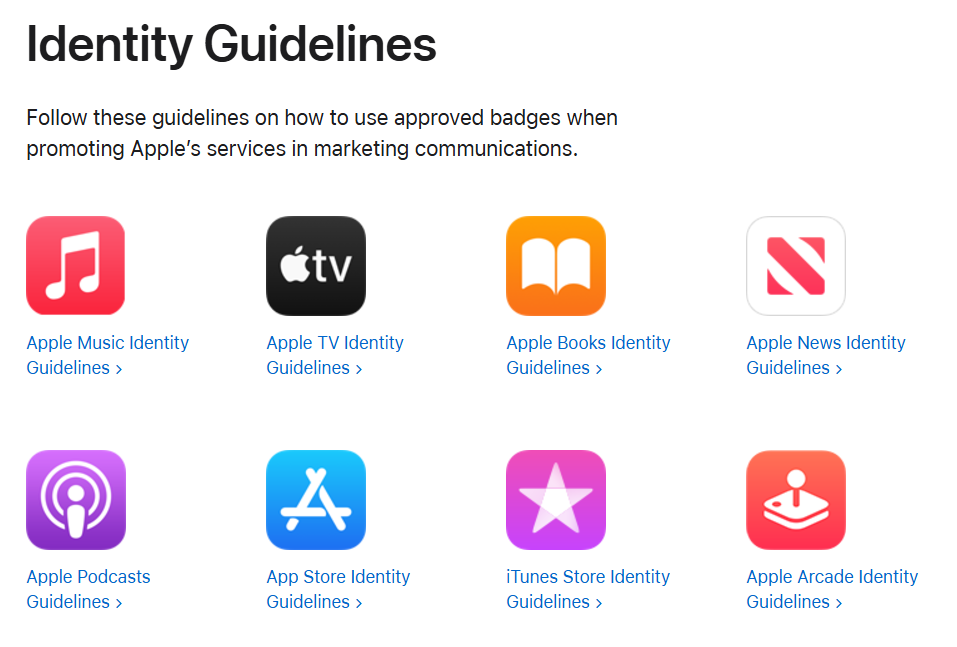
Furthermore, Apple’s "Services Performance Partners Program" provides affiliates with strict guidelines and high-quality assets to ensure that external promotions do not deviate from the brand’s identity. Apple also integrates societal marketing by highlighting its commitment to privacy, environmental sustainability, and education. This multi-dimensional approach has created a level of brand loyalty that few companies can replicate, proving that a holistic strategy is the key to market leadership.
Future Implications: AI, Sustainability, and the Evolving Marketplace
The future of holistic marketing will be shaped by rapid technological advancements and shifting societal values. Artificial Intelligence (AI) and machine learning are already enabling brands to deliver highly personalized experiences at scale, allowing for a more sophisticated version of integrated marketing. However, as automation increases, the need for human-centric "relationship marketing" will become even more critical to maintain authenticity.
Sustainability will also move from a "nice-to-have" feature to a core requirement for business survival. As global regulations regarding ESG (Environmental, Social, and Governance) reporting tighten, societal marketing will become deeply integrated into business operations. For affiliate programs, this means partners will increasingly look to collaborate with brands that have a verified positive impact on the world.
Conclusion: The Path to Prosperity
In conclusion, holistic marketing is not a fleeting trend but a fundamental shift in how business is conducted in the digital age. By viewing the organization as an interconnected whole, companies can deliver a consistent, value-driven experience that resonates with customers and empowers affiliates. The transition to a holistic model requires significant effort, open communication, and a willingness to break down long-standing departmental barriers. However, the rewards—increased brand equity, higher conversion rates, and sustainable business growth—far outweigh the initial challenges. For any company looking to thrive in a competitive landscape, the holistic path is the only viable route to long-term prosperity.