admin
admin
The integration of Artificial Intelligence into the communications landscape has transitioned from a speculative technological trend to a fundamental component of modern visibility engineering, yet industry experts maintain that human oversight remains the critical differentiator in high-stakes strategic outcomes. As organizations navigate an increasingly complex media environment, the PESO Model—an industry-standard framework encompassing Paid, Earned, Shared, and Owned media—is undergoing a seismic shift. While AI-driven tools now provide unprecedented capabilities in data processing, content repurposing, and real-time monitoring, a growing consensus among communication professionals suggests that the "human element" is more vital than ever to bridge the gap between algorithmic output and genuine audience trust.
The Transformation of the Communications Toolkit
The role of the communications professional has evolved from a traditional public relations practitioner to a "visibility engineer." This shift reflects a move away from simple media placement toward the strategic architecture of a brand’s entire digital and physical presence. In this new paradigm, AI serves as a high-velocity engine, capable of executing repetitive tasks with a level of efficiency that manual processes cannot match.
Historically, the introduction of AI into corporate environments was met with significant trepidation. In the early 2020s, concerns primarily centered on intellectual property (IP) protection and the security risks associated with inputting proprietary company data into open-source large language models (LLMs). However, by 2024 and 2025, the narrative shifted from risk mitigation to strategic adoption. The "automated phone tree" era of AI—characterized by rigid, unhelpful chatbots—has been replaced by sophisticated AI agents capable of comparing complex strategy documents, evaluating risk profiles, and surfacing solutions that human analysts might overlook due to cognitive bias or time constraints.
Chronology of AI Integration in Strategic Communication
The path to the current state of "hybrid visibility" can be categorized into four distinct phases:
- The Experimental Phase (2018–2021): Early adoption was limited to basic sentiment analysis and automated social media scheduling. AI was viewed as an auxiliary tool rather than a core strategic component.
- The Generative Explosion (2022–2023): The public release of advanced LLMs forced a rapid re-evaluation of content creation. Organizations began using AI for drafting press releases and generating social media copy, though quality and "hallucinations" remained significant hurdles.
- The Operational Integration Phase (2024–2025): AI began to be embedded directly into the PESO Model. Tools became specialized for media pitching, influencer vetting, and predictive performance analytics.
- The Strategic Maturity Phase (2026 and Beyond): The current era, where the distinction between "machine-made" and "human-led" is defined by judgment. AI handles the operational mechanics, while humans focus on the ethical, emotional, and political nuances of communication.
Applying AI Across the PESO Model Pillars
To understand the impact of automation, one must examine how AI interacts with each of the four pillars of the PESO Model. Each channel presents unique opportunities for scale and specific requirements for human intervention.
Owned Media: Content Repurposing at Scale
In the "Owned" category, AI serves as a force multiplier for content generation. A single high-quality white paper or podcast can be transformed into a dozen different formats—including LinkedIn carousels, email newsletters, and short-form video scripts—within minutes. This allows lean communication teams to maintain a consistent presence across multiple platforms without a proportional increase in headcount.
Earned Media: Real-Time Monitoring and Pitching
AI has revolutionized media relations by processing vast volumes of news data in near real-time. Modern tools can flag sentiment shifts before they become full-blown crises and identify journalists who have a genuine interest in specific topics based on their recent publication history. This moves the needle from "spray and pray" pitching to highly targeted, data-backed outreach.
Shared Media: Influencer Vetting and Community Management
The "Shared" channel, which includes social media and influencer partnerships, benefits from AI’s ability to detect fraudulent engagement and assess audience alignment. Before a contract is signed, AI can analyze years of an influencer’s content to ensure brand safety and authentic connection with the target demographic.
Paid Media: Predictive Performance
In the "Paid" arena, algorithms are optimized for efficiency. AI can predict how a specific piece of sponsored content is likely to perform based on historical data, allowing for the real-time adjustment of budgets and targeting parameters to maximize return on investment (ROI).
Supporting Data: The Efficiency Gap
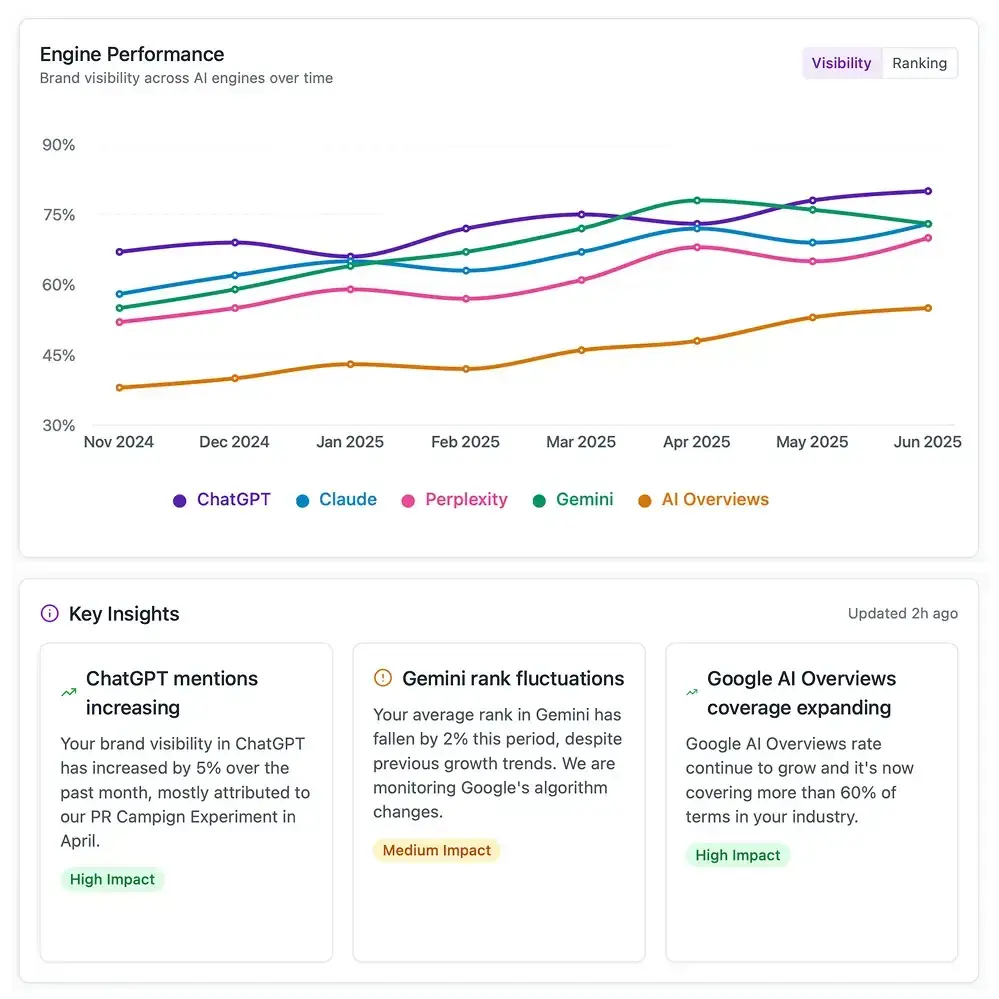
Recent industry surveys highlight the measurable impact of AI on the communications sector. According to data from various global PR associations, professionals utilizing AI-integrated workflows report a 30% to 40% reduction in time spent on administrative and operational tasks.
- Content Volume: Organizations leveraging AI for repurposing have seen a 50% increase in content output without increasing their creative budgets.
- Media Monitoring: AI-driven sentiment analysis is now 85% more accurate than the previous generation of keyword-based tools, allowing for more nuanced crisis management.
- The Trust Factor: Conversely, a 2025 consumer trust report indicates that 65% of audiences feel a growing skepticism toward content they perceive as "entirely synthetic," reinforcing the need for human-centered storytelling.
The Strategic Ceiling: Why AI Cannot Replace Judgment
Despite the technical prowess of AI, there is a definitive "ceiling" to what automation can achieve in visibility engineering. This limitation is rooted in the nature of algorithms themselves: they are retrospective. AI learns from the past, optimizing for patterns that have already occurred.
Emotional Undercurrents and Cultural Nuance
AI lacks the capacity to sense the "cultural zeitgeist" or the unspoken anxieties of a specific audience. While it can analyze behavioral data, it cannot feel the emotional subtext of a political shift or a social movement. A tone that was successful in the previous fiscal quarter may become tone-deaf overnight due to external events; a human communicator can pivot instinctively, whereas an algorithm may continue to optimize for a reality that no longer exists.
The Complexity of Organizational Politics
Strategic communication often involves navigating internal stakeholders, including skeptical C-suite executives, legal departments, and board members. AI cannot build the interpersonal relationships required to shepherd a controversial or bold communication strategy through a corporate hierarchy. The "boardroom outcome"—translating media results into business value—requires a level of persuasion and political acumen that remains exclusively human.
The Credibility Deficit
Trust is not a deliverable that can be programmed; it is the result of consistent, authentic interactions over time. As synthetic content saturates the digital space, the "human heartbeat" behind a brand becomes its most valuable asset. Credibility is built on lived experience and genuine perspective—elements that AI can mimic but never truly possess.
Industry Responses and Professional Implications
The shift toward a hybrid model has prompted varied reactions from industry leaders. Chief Marketing Officers (CMOs) are increasingly looking for "T-shaped" professionals—those who possess deep expertise in strategic storytelling but also have a broad understanding of how to leverage AI tools.
"The goal is not to produce the most content, but the most meaningful content," states one industry analyst. "We are seeing a move away from ‘vanity metrics’ like total impressions toward ‘impact metrics’ that measure trust and business alignment. AI gets us the data, but humans provide the ‘so what?’"
Education and training programs are also evolving. Certification in the PESO Model now frequently includes modules on "prompt engineering" and "AI ethics," ensuring that the next generation of visibility engineers knows how to use the "tutorial" of AI without losing the "feel" of the craft.
Broader Impact and Future Outlook
As we look toward the end of the decade, the relationship between AI and visibility engineering will likely settle into a collaborative rhythm. The concept of "Steve the Vacuum"—a metaphor for an efficient but occasionally fallible automated tool—remains apt. AI will continue to "vacuum the floors" of the communications industry, handling the operational "busywork" of monitoring, drafting, and scheduling.
This automation frees the professional to focus on high-level strategy:
- Deciding what is worth saying: Moving beyond noise to create genuine signals.
- Interpreting data: Understanding that a spike in engagement is not always a positive indicator of brand health.
- Ensuring scale serves trust: Monitoring whether increased visibility is eroding or building the brand’s long-term reputation.
The future of the PESO Model is not a choice between human and machine, but a synthesis of both. In an environment where algorithms evolve daily, the ability to respond to the present moment with human judgment is the only truly irreplaceable skill. The professional who can navigate this hybrid landscape—using AI to scale visibility while using human expertise to ground that visibility in trust—will be the one to define the next era of strategic communication. While AI is the world’s most sophisticated tutorial, the ability to translate media results into meaningful business outcomes remains a uniquely human endeavor.