admin
admin
The digital marketplace has undergone a fundamental shift in recent years, moving from a period of rapid, uninhibited expansion to a landscape defined by fierce competition and rising customer acquisition costs. In this environment, the Conversion Rate Optimization (CRO) audit has emerged not merely as a troubleshooting tool for underperforming websites, but as a critical strategic pillar for sustainable revenue growth. Industry experts increasingly liken a CRO audit to a medical health check-up; it is a proactive measure designed to identify underlying issues before they manifest as significant financial losses. While many businesses mistakenly wait for a crisis—such as a sudden spike in cart abandonment—to examine their funnels, the most successful e-commerce entities treat auditing as a recurring cycle. By systematically reviewing the user journey, organizations can uncover hidden revenue opportunities, refine the visitor experience, and ensure their digital strategy remains aligned with evolving consumer behaviors.
The Strategic Framework of a CRO Audit
A CRO audit is a comprehensive evaluation of an online store’s ability to turn visitors into customers. This process goes beyond aesthetic preferences, focusing instead on the technical and psychological triggers that influence a user’s decision to buy. The audit typically examines several key domains, including product page efficacy, checkout flow fluidity, site navigation, page load speed, and the accuracy of the underlying analytics setup. To be effective, an audit must follow a structured framework that bridges the gap between raw data and human behavior.
This framework is generally divided into two distinct but complementary phases: quantitative data collection and qualitative insight gathering. Quantitative data provides the "what"—the numerical evidence of where users are dropping off. Qualitative data provides the "why"—the emotional and functional reasons behind those departures. When combined, these two data sets allow brands to prioritize high-impact changes that offer the highest return on investment.
Phase One: The Quantitative Audit and the Role of GA4
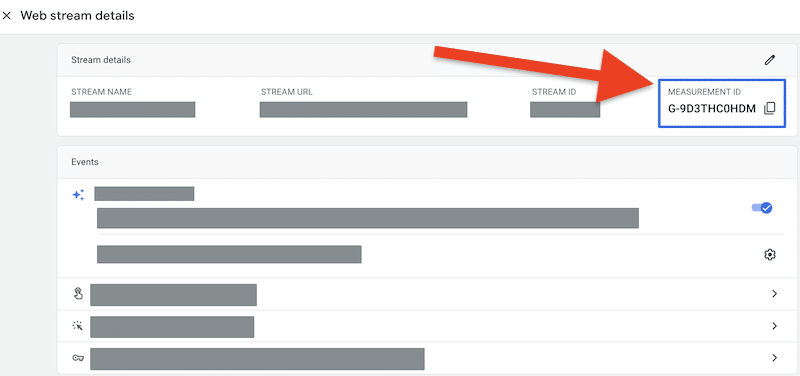
The foundation of any robust CRO audit is hard data. Without accurate tracking, a business is essentially operating in the dark. In the current analytics landscape, Google Analytics 4 (GA4) has become the industry standard for measuring user interaction. Unlike its predecessors, GA4 is built around "events," allowing marketers to track specific actions that signify progress through the sales funnel.
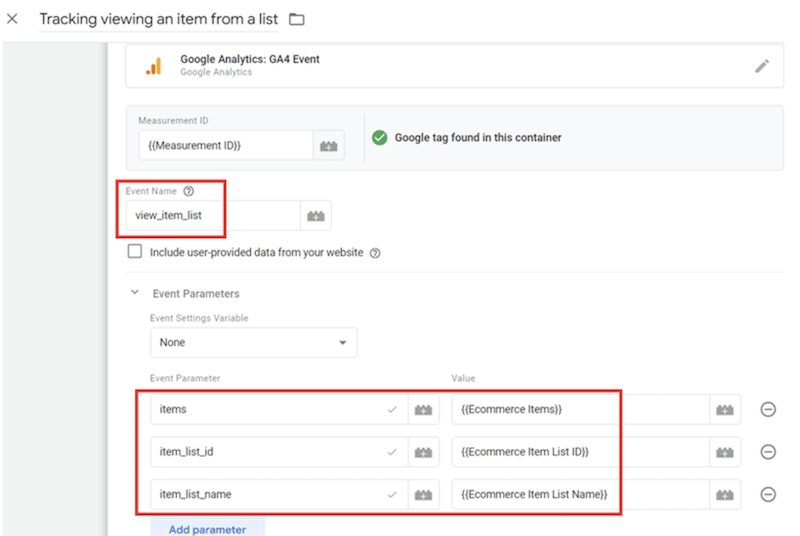
A professional-grade audit begins with a verification of the analytics setup. For e-commerce, four specific events are considered non-negotiable: "view_item," "add_to_cart," "begin_checkout," and "purchase." By monitoring the ratios between these events, auditors can pinpoint exactly where the "leaks" in the bucket occur. For instance, if a site sees high "view_item" numbers but a massive drop-off at "add_to_cart," the issue likely resides in the product description or pricing strategy. Conversely, a drop-off between "begin_checkout" and "purchase" usually points to technical friction or unexpected costs, such as high shipping fees.
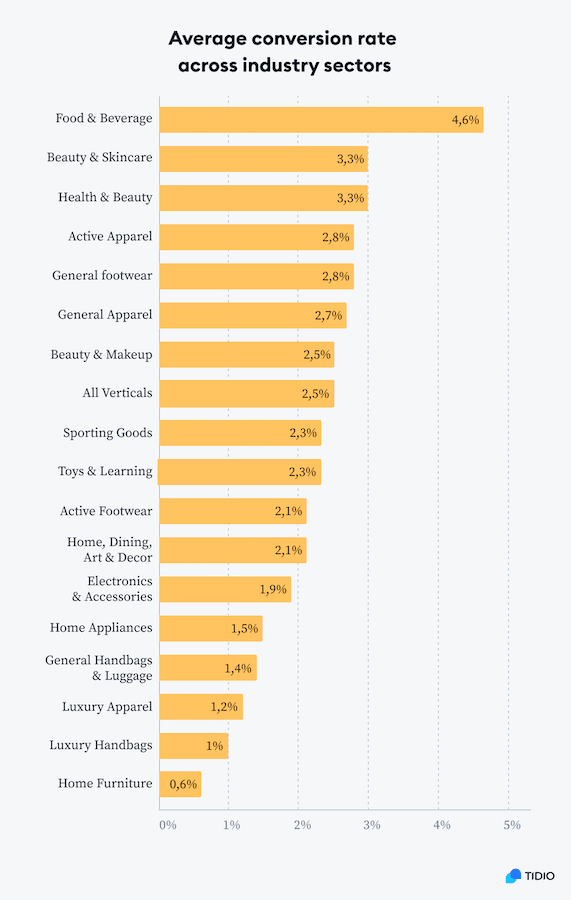
Furthermore, the audit must establish benchmarks. Conversion rates vary significantly across industry sectors. According to recent market data, the average conversion rate for food and beverage e-commerce sits at approximately 4.6%, while the home furniture sector averages a much lower 0.6%. Understanding where a site sits relative to its industry peers and its own historical performance is vital for setting realistic growth targets.
Technical Performance and Core Web Vitals
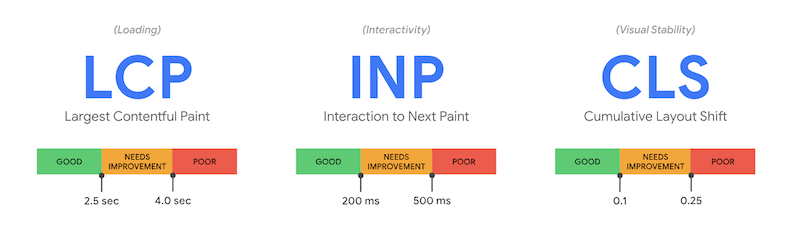
The quantitative phase also encompasses a deep dive into technical performance. In a world where a one-second delay in mobile load times can impact conversion rates by up to 20%, speed is a financial metric. Google’s "Core Web Vitals" provide a standardized way to measure this. Auditors focus on three primary metrics: Largest Contentful Paint (LCP), which measures loading performance; Interaction to Next Paint (INP), which measures responsiveness; and Cumulative Layout Shift (CLS), which measures visual stability.
Industry analysis suggests that sites meeting Google’s thresholds for these vitals see significantly lower bounce rates. A slow or unstable site creates a "cognitive load" for the user, leading to frustration and abandonment. Therefore, any CRO audit that ignores the technical infrastructure is incomplete. The goal is to ensure that the site is not just functional, but frictionless.
Phase Two: Qualitative Insights and Behavioral Mapping
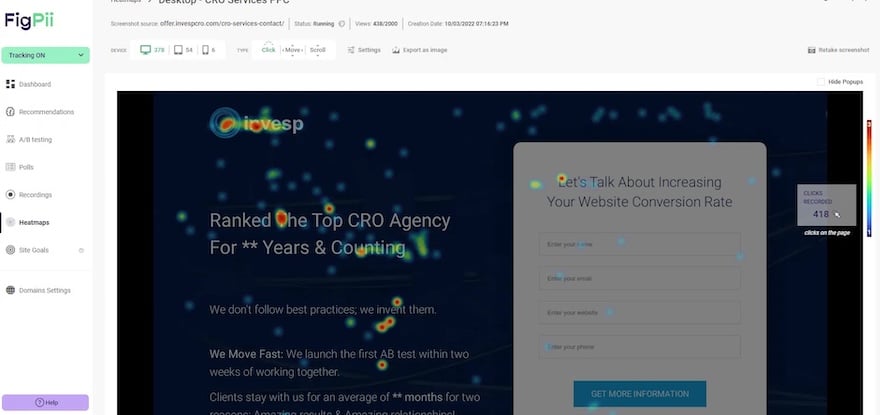
Once the "where" has been established through numbers, the audit shifts to the qualitative phase to understand the "why." This is where behavioral mapping tools—such as heatmaps, session replays, and scroll tracking—become invaluable.
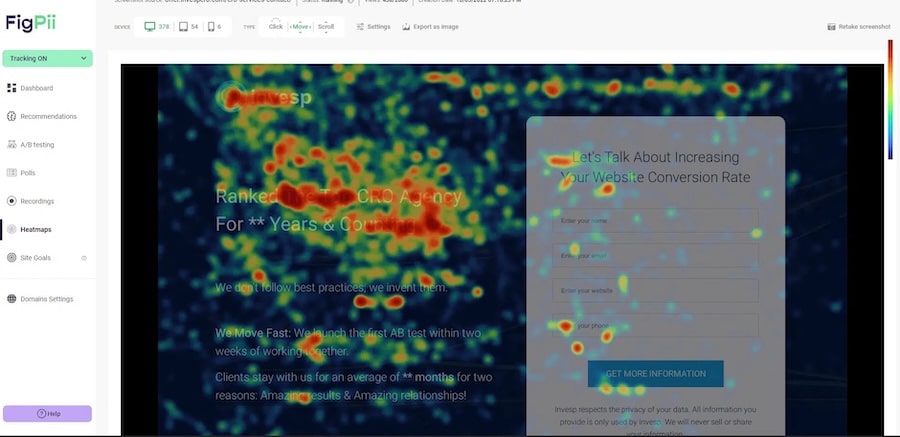
Heatmaps offer a visual representation of user engagement. Click heatmaps reveal which elements are capturing attention and which are being ignored. Often, audits reveal that users are clicking on non-linked text or images, indicating a design flaw that causes user frustration. Scroll maps show how far down a page a user travels. If a brand’s primary value proposition or social proof is located at the bottom of a page that only 10% of users reach, the audit will recommend moving those elements "above the fold."
Session replays provide an even more granular view, allowing auditors to watch real-time recordings of user journeys. These "movies" of user behavior can reveal "rage-clicking"—where a user clicks a button repeatedly because it isn’t responding—or "dead clicks," which are often symptoms of technical bugs that quantitative data might miss.
The Human Element: Surveys and User Testing
To fully round out the qualitative audit, direct user feedback is required. Exit-intent polls and post-purchase surveys provide a voice to the customer. A simple question such as, "What almost stopped you from buying today?" can yield insights that no software can replicate.
Furthermore, formal user testing remains a cornerstone of high-level auditing. The Nielsen Norman Group, a leader in the user experience field, has famously noted that testing with as few as five users can uncover up to 85% of usability issues. These tests involve asking participants to complete specific tasks, such as finding a specific item and proceeding to checkout, while thinking out loud. This process exposes the "friction points" in the navigation and layout that regular users might struggle with but never report.
Auditing the Product Page: The Stage of Decision
The product page is the most critical junction in the e-commerce journey. It is here that a visitor transitions into a lead or a customer. A thorough CRO audit examines four essential elements of the product page: imagery, descriptions, the call-to-action (CTA), and social proof.
Visuals are the primary driver of trust in e-commerce. An audit evaluates whether images are high-resolution, zoomable, and representative of the product from multiple angles. For products with variants, the images must be dynamically linked to the selection to avoid confusion.
The audit also scrutinizes the copy. Many e-commerce sites fall into the trap of using manufacturer-provided descriptions, which are often dry and feature-heavy. A successful audit recommends a shift toward benefit-driven copy. Using the "Apple approach"—connecting a technical feature (e.g., "1,000 songs in your pocket") to a direct user benefit—is a proven method for increasing desire.
Social proof, including reviews and ratings, must be prominently displayed. Research indicates that consumers are six times more likely to purchase a product if the page includes social media pictures or authentic user testimonials. An audit ensures these elements are placed strategically to alleviate "buyer’s remorse" before it even occurs.

The Cart Page: Minimizing Friction at the Finish Line
The final stage of the audit focuses on the cart and checkout pages. The objective here is singular: completion. A high-performing cart page must be clear, simple, and fast. The audit checks for distracting elements, such as unnecessary navigation links or aggressive upselling, that might lead a user away from the purchase.
Key questions during a cart audit include: Is the "Checkout" button the most prominent element on the page? Are shipping costs and return policies transparently displayed? Is there a "guest checkout" option? Data shows that forced account creation is one of the leading causes of cart abandonment. By removing these hurdles, brands can see immediate improvements in their conversion metrics.
Broader Implications and Long-term Impact
The impact of a regular CRO audit extends beyond immediate sales. In an era where digital advertising costs (CPC) continue to climb, improving the conversion rate is the most effective way to lower the cost per acquisition (CPA). If a site doubles its conversion rate from 1% to 2%, it effectively doubles the value of every dollar spent on advertising.
Furthermore, a CRO audit fosters a culture of data-driven decision-making. Instead of relying on the "highest-paid person’s opinion" (HiPPO), organizations begin to rely on observed user behavior and empirical evidence. This shift not only improves the website but also informs product development, customer service, and overall brand positioning.
In conclusion, a Conversion Rate Optimization audit is an essential diagnostic tool for any e-commerce business seeking long-term success. By combining rigorous quantitative analysis with deep qualitative insights, brands can transform their websites from static digital catalogs into high-performance sales engines. As the digital landscape continues to evolve, the ability to identify and remove friction from the customer journey will remain the primary differentiator between market leaders and those left behind. Regular auditing is no longer an option; it is the heartbeat of modern digital commerce.