admin
admin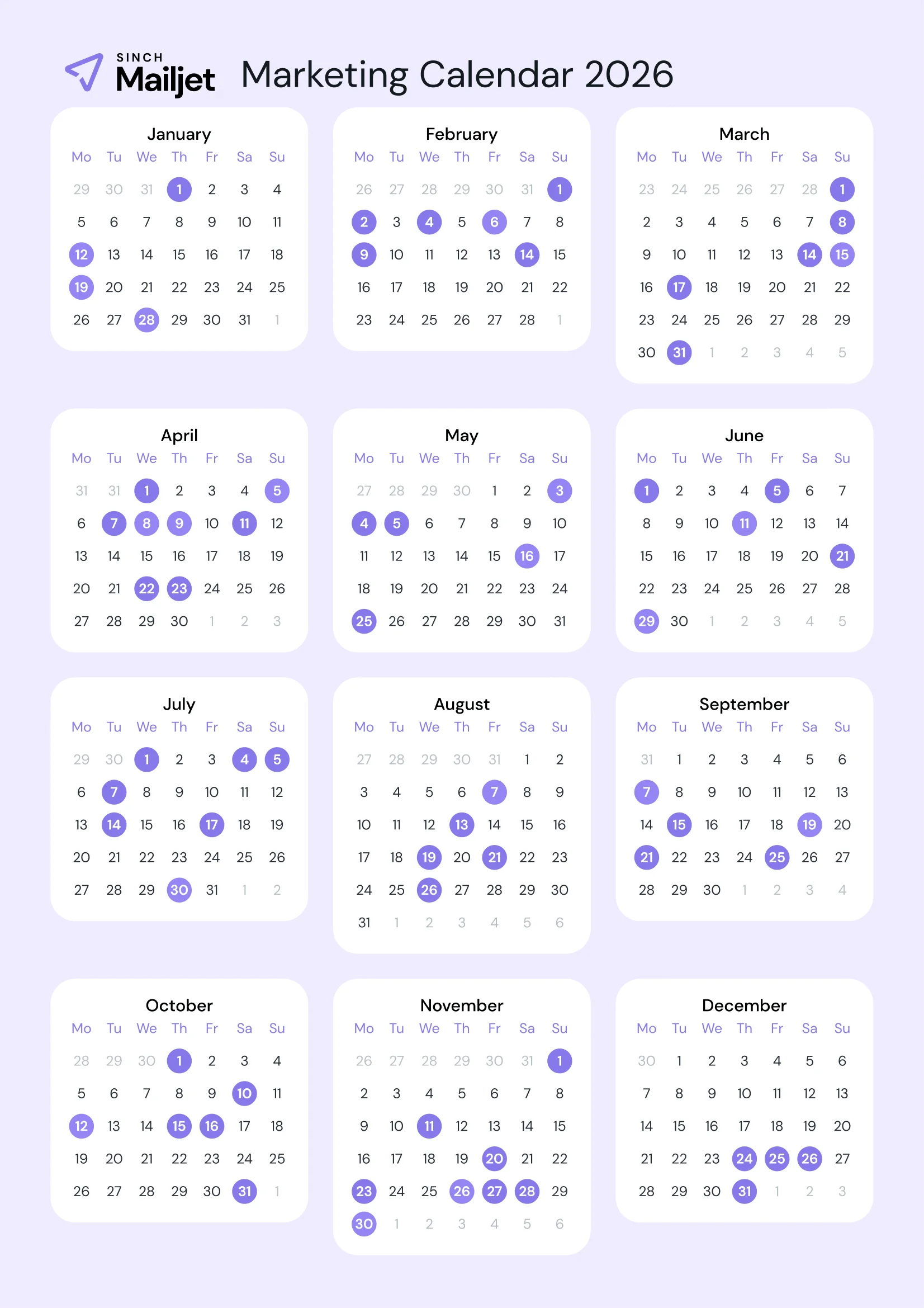
As the final weeks of 2025 draw to a close, marketers worldwide are already shifting their focus to the strategic landscape of 2026. The new year, with its inherent opportunities and challenges, demands meticulous planning to ensure campaigns resonate, engage, and ultimately drive business objectives. This article serves as a comprehensive guide, outlining the critical dates and strategic considerations that will shape successful marketing efforts throughout 2026, accompanied by an invaluable free 2026 Marketing Calendar resource.
The Strategic Imperative of a 2026 Marketing Calendar
While the execution of a marketing strategy might appear to be the most visible phase, industry experts consistently underscore that the true heavy lifting lies in the preliminary stages: defining clear goals, establishing actionable priorities, and meticulously planning every step. This proactive approach is not merely a best practice; it is a fundamental requirement for mitigating unforeseen challenges and maximizing return on investment in an increasingly dynamic market.
The contemporary marketing environment, characterized by rapid technological advancements, evolving consumer behaviors, and geopolitical shifts, necessitates an agile yet structured approach. A robust marketing calendar serves as the bedrock for this structure, providing a panoramic view of the year’s significant events, holidays, and promotional windows. This foresight allows brands to align their messaging, allocate resources effectively, and craft timely, relevant campaigns that cut through the noise. Without such a framework, marketing efforts risk becoming reactive, fragmented, and significantly less impactful.
Crafting a Robust Marketing Strategy and Plan
Developing an effective marketing strategy for 2026 begins with a series of introspective questions designed to clarify objectives and target audiences. Key inquiries include: What are our overarching business goals for 2026? Who is our primary target audience, and what are their evolving needs and preferences? What unique value proposition do we offer? How will we measure success?

The answers to these questions form the foundation upon which promotional strategies are built. It is paramount to identify key product launches, seasonal sales, or special deals around which marketing activities will coalesce. This decision-making process must be data-driven, aligning promotions with established business goals and key performance indicators (KPIs). Misaligned promotional strategies can significantly derail performance, underscoring the importance of strategic foresight.
For holiday and special day marketing campaigns, a phased approach is highly recommended. This typically involves:
- Pre-Campaign Planning (Discovery & Strategy): Identifying relevant dates, setting objectives, defining target segments, and conceptualizing creative themes. This phase often occurs months in advance for major holidays.
- Early Bird Promotion (Awareness & Tease): Launching initial communications to build anticipation, highlight upcoming offers, and encourage early engagement.
- Active Campaign (Conversion Focus): Implementing core promotional messages across chosen channels, driving traffic and conversions during the peak period.
- Last-Minute Push (Urgency & Reminder): Targeting undecided customers with final offers and emphasizing deadlines.
- Post-Campaign Analysis & Follow-up: Evaluating performance, gathering insights, and nurturing newly acquired leads or customers.
Leveraging Omnichannel Approaches for Maximum Reach
Once the core marketing strategy and promotional calendar are established, the next critical step involves disseminating messages effectively to the target audience. For special dates and promotional periods, an omnichannel strategy is widely regarded as the most effective approach. Omnichannel marketing, which integrates various customer touchpoints (e.g., in-store, online, social media, SMS, email) to provide a seamless and consistent brand experience, offers significant advantages. It allows for multi-faceted engagement, reinforcing messages and opening numerous opportunities for upselling and cross-selling.
While the temptation to utilize every available channel exists, a judicious selection is crucial. The choice of platform should align with the target audience’s preferences and the nature of the product or service. For instance, while visual platforms like TikTok might be ideal for youth-oriented fashion brands, more traditional B2B services might find greater traction on LinkedIn or through professional email marketing.
Email marketing consistently stands out as a high-ROI channel, often generating between $35 and $40 for every dollar spent, according to various industry reports (e.g., DMA Marketer Email Tracker). Its inherent capabilities for personalization, segmentation, and detailed analytics make it indispensable. Moreover, email messages reside in a contact’s inbox, providing a persistent reference point for promotional codes, store information, or product details, thereby extending the campaign’s shelf life. Integrating email with other channels like SMS marketing for time-sensitive alerts or social media for broader brand awareness creates a powerful, synergistic marketing ecosystem.
Tools for Organizing Your Marketing Calendar
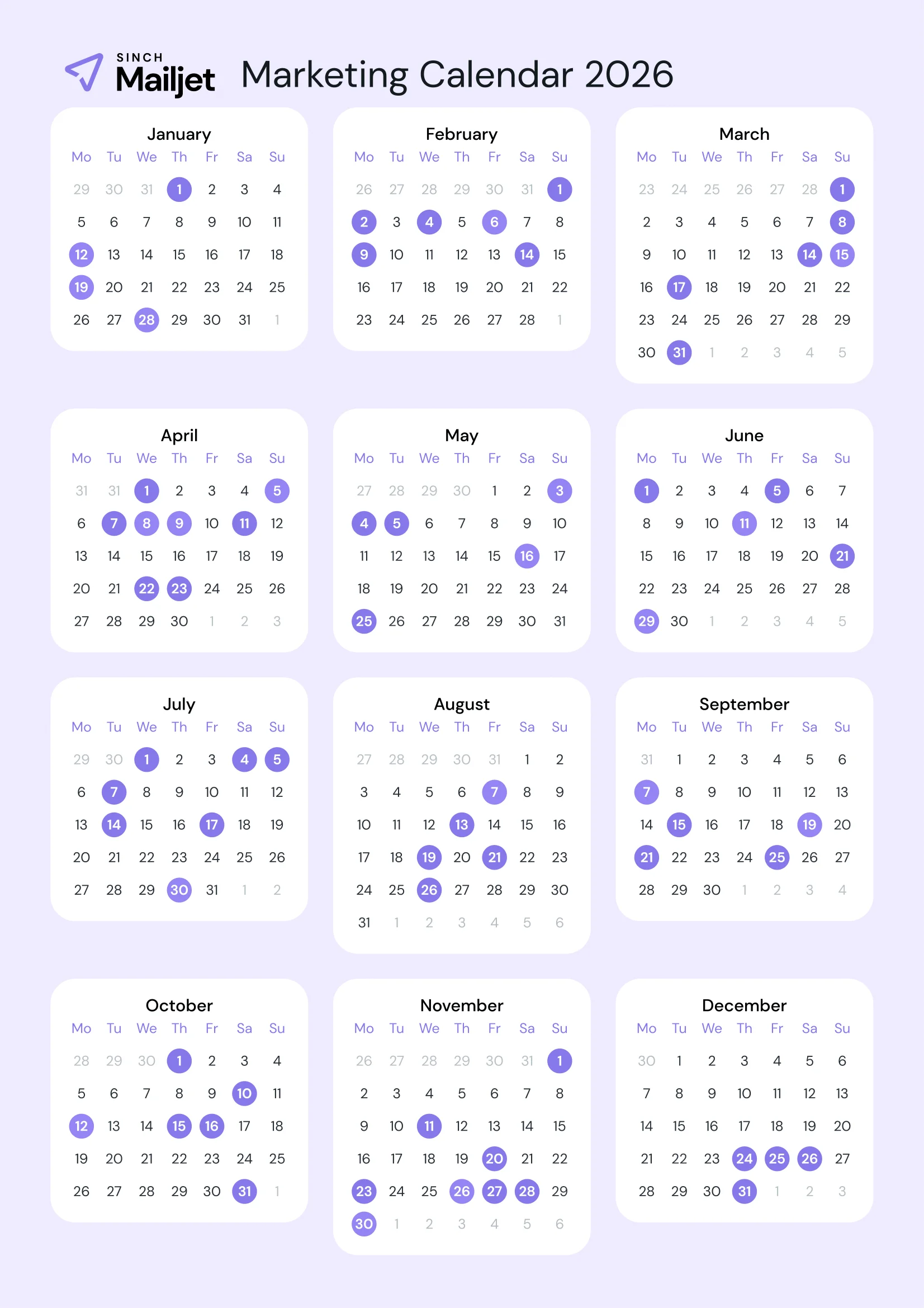
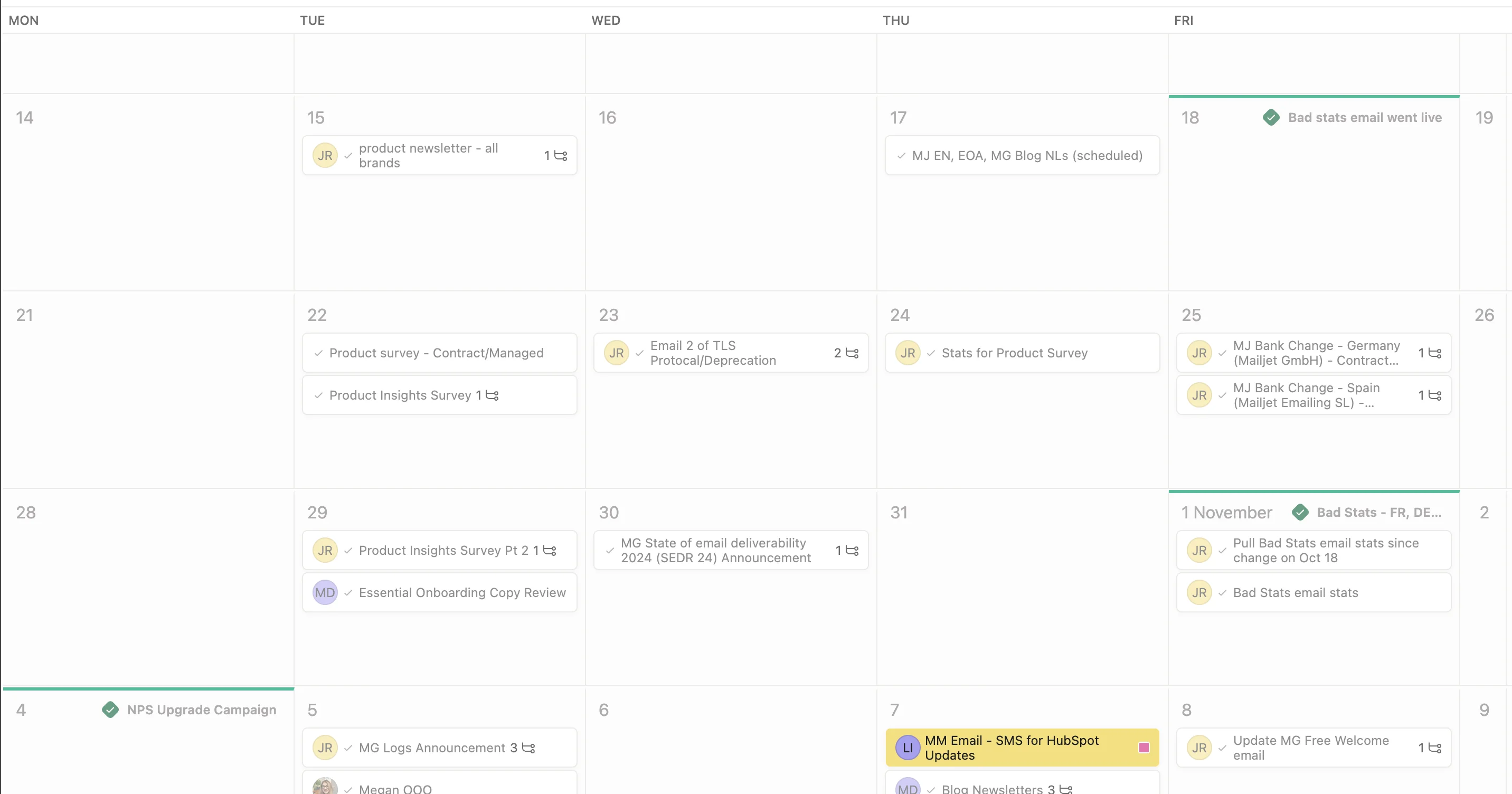
Managing the complexities of a year-long marketing calendar requires robust organizational and project management tools. Relying solely on memory or fragmented spreadsheets is a recipe for missed opportunities and operational inefficiencies. Essential tools include:
- Project Management Platforms (e.g., Asana, Trello, Monday.com): For tracking tasks, deadlines, team responsibilities, and campaign progress.
- CRM Systems (Customer Relationship Management): For segmenting audiences, managing customer data, and personalizing communications.
- Marketing Automation Platforms: For scheduling email campaigns, automating workflows, and personalizing customer journeys.
- Social Media Management Tools: For scheduling posts, monitoring engagement, and analyzing performance across various platforms.
- Content Calendars: Dedicated tools or modules within broader platforms for planning content creation, publication, and distribution.
- Analytics Dashboards: For real-time monitoring of campaign performance, allowing for agile adjustments.
These tools not only streamline workflow but also provide valuable data insights that inform future strategies, freeing up marketers to focus on creative development and strategic thinking rather than administrative oversight.
Key Dates in the 2026 Marketing Calendar: A Month-by-Month Breakdown
The year 2026 is punctuated by numerous cultural, commercial, and social events that offer unique marketing opportunities. A detailed understanding of these dates is crucial for proactive planning.
January: The Fresh Start
January is synonymous with new beginnings, resolutions, and the post-holiday reset. Marketers should capitalize on the collective desire for self-improvement and goal-setting. Campaigns focusing on health, wellness, financial planning, skill development, and organization are particularly effective. The traditional Winter Sales in many European countries also present opportunities for clearance and fresh stock promotions. Blue Monday, often cited as the most depressing day of the year, can be an occasion for brands to offer uplifting messages or self-care promotions.
- January 1: New Year’s Day (Happy New Year messages, fresh start promotions)
- January 6: Epiphany / Three Kings’ Day (European gift-giving, traditional celebrations)
- Mid-January (exact date varies): Blue Monday (wellness, self-care, mood-boosting offers)
- Throughout January: Winter Sales (clearance, new collections)
February: Love, Legacy, and Large Audiences
February packs a significant marketing punch with three major tentpoles: Black History Month, Valentine’s Day, and the Super Bowl. Consumer spending during this month is substantial. The National Retail Federation (NRF) reported that 2025 Valentine’s Day spending was projected to reach an estimated $27.8 billion, primarily on gifts like flowers, candy, and experiences. Super Bowl-related spending in 2025 was around $18.6 billion, with an average spend of $91.58 per person on food, decorations, and team apparel.
- February 1 – 28: Black History Month (corporate social responsibility, diversity, education)
- February 2: Groundhog Day (lighthearted, seasonal promotions)
- February 14: Valentine’s Day (romantic gifts, experiences, personalized offers)
- Early February (exact date varies): Super Bowl (food, beverages, sports merchandise, entertainment packages)
- Mid-February (exact date varies): Chinese New Year (cultural celebrations, gift-giving, particularly significant in Asian markets)
March: Empowerment and Cultural Celebrations
March celebrates women’s achievements and marks significant religious periods. Women’s History Month, culminating in International Women’s Day on March 8th, provides an opportunity for brands to highlight internal diversity, share inspiring stories, and support gender equality initiatives. Ramadan, beginning in early March in 2026, is a profoundly important period for 1.9 billion Muslims globally. Marketing during Ramadan requires cultural sensitivity, focusing on community, reflection, and gift-giving (especially for Eid al-Fitr, which follows). Other notable dates include World Wildlife Day (environmental messaging) and St. Patrick’s Day (festive, themed promotions).
- March 1 – 31: Women’s History Month (empowerment, D&I messaging)
- March 1: Start of Ramadan (cultural sensitivity, community, pre-Eid preparations)
- March 3: World Wildlife Day (environmental awareness, sustainable products)
- March 8: International Women’s Day (celebration of women, advocacy)
- March 17: St. Patrick’s Day (themed promotions, festive offers)
- March 31: International Transgender Day of Visibility (support, inclusivity)
April: Renewal and Reflection
April ushers in spring and, in 2026, features Easter, coinciding with the first full moon after the spring equinox. Easter offers opportunities for family-oriented promotions, seasonal treats, and "Easter egg hunts" within digital campaigns to boost engagement. April Fools’ Day can be used for lighthearted, humorous campaigns, while Earth Day on April 22nd is a critical date for promoting sustainability, eco-friendly products, and corporate environmental responsibility.
- April 1: April Fools’ Day (humorous content, playful campaigns)
- April 3: Good Friday (religious observance, start of Easter weekend)
- April 5: Easter Sunday (family celebrations, seasonal sales, chocolate, gifts)
- April 22: Earth Day (sustainability, eco-friendly initiatives)
- April 23: World Book Day (literary promotions, educational content)
May: Pop Culture and Parental Appreciation
May features a blend of pop culture phenomena and heartfelt appreciation for parents. Star Wars Day on May 4th ("May the Fourth be with you") is a massive social media event, allowing brands to tap into fandom with themed content and promotions. Mother’s Day, celebrated in many countries in May, is a significant retail event for gifts and experiences. However, marketers must approach this with sensitivity, offering opt-out options for subscribers who may find the day difficult due to personal loss. May Day (International Workers’ Day) is also observed globally.
- May 1: May Day / International Workers’ Day (acknowledgment of labor, some public holidays)
- May 4: Star Wars Day (pop culture engagement, themed promotions)
- Second Sunday in May (varies): Mother’s Day (gifts, experiences, emotional messaging; ensure opt-out option)
- Mid-May (exact date varies): Eurovision Song Contest (entertainment, international viewership, social media engagement)
June: Summer Kickoff and Inclusivity
As temperatures rise, June marks the unofficial start of summer and Pride Month. While summer often sees a dip in sales for some sectors due to vacations, it also presents opportunities to stand out. Marketers should adapt strategies to focus on travel, outdoor activities, and preparing for the upcoming academic year. June 1st kicks off Pride Month, a time for brands to authentically support LGBTQ+ communities through inclusive messaging and actions. Father’s Day (in the US and other countries) and the start of Wimbledon also provide promotional avenues.
- June 1 – 30: Pride Month (LGBTQ+ inclusivity, support, community engagement)
- Third Sunday in June (varies): Father’s Day (gifts, experiences, often tech or hobby-related)
- Late June: Start of Wimbledon (sports enthusiasm, themed promotions)
- June 21: Summer Solstice (seasonal promotions for summer products)
July: Mid-Year Momentum and Sporting Spectacles
July is deeply embedded in the holiday season for many, yet it’s also a month packed with high-profile sporting events. The Tour de France, the Wimbledon final, and the 2025 FIFA Club World Cup Final (carrying over into 2026) offer ample opportunities for engagement through shared national or international interests. The Fourth of July in the United States is a major patriotic and retail holiday, while Emoji Day provides a lighter, creative marketing angle.
- July 1: Start of Tour de France (sports-themed promotions)
- July 4: Independence Day (patriotic sales, summer events)
- Mid-July (varies): Wimbledon Final (sports commentary, related offers)
- July 17: World Emoji Day (creative, fun social media campaigns)
- Late July (varies): FIFA Club World Cup Final (global sports engagement)
August: Summer’s End and Back-to-School Anticipation
August often presents a slower pace for many businesses as summer peaks. However, it’s also a critical period for "back-to-school" marketing as families prepare for the academic year. Marketers can leverage this by targeting parents and students with offers on school supplies, electronics, and apparel. For those returning from vacation, August is an opportune time to re-engage with missed offers. Email segmentation, specifically targeting contacts who haven’t opened emails recently, can be highly effective in resurfacing summer promotions.
- Throughout August: Back-to-School preparations (school supplies, apparel, electronics)
- Mid-August: Summer clearance sales (preparing for autumn stock)
- August 19: World Photography Day (user-generated content campaigns)
September: The Second January
September often feels like a "second January" for many, signaling a return to routine, new goals, and projects after the summer break. This "back-to-school" sentiment extends beyond education, encompassing professional development, home improvements, and new lifestyle choices. Marketers should plan campaigns to re-engage customers with incentives like special promotions, sweepstakes, and exclusive offers. It’s also an ideal time to re-target customers who abandoned online carts during the summer lull. Labor Day in the US marks the unofficial end of summer, often accompanied by significant sales.
- First Monday in September: Labor Day (end-of-summer sales, appreciation for workers)
- Throughout September: Back-to-School (continued focus on academic and professional needs)
- September 22: Autumnal Equinox (seasonal shift, fall product launches)
- September 27: World Tourism Day (travel promotions, future planning)
October: The Spooky Season and Q4 Kickoff
October officially welcomes autumn and heralds the start of the crucial fourth quarter (Q4) – the most significant period for annual sales for many brands. Halloween dominates the month, offering creative opportunities for themed campaigns, spooky promotions, and engaging content. Beyond the fun, October is the strategic window for planning the overarching holiday strategy, allowing creative teams to fully embrace the festive spirit and prepare for the upcoming shopping frenzy.

- October 1: International Coffee Day (promotions for coffee-related products)
- October 4: World Animal Day (pet-related products, animal welfare causes)
- Second Monday in October: Indigenous Peoples’ Day / Thanksgiving (Canada) (cultural recognition, gratitude)
- October 31: Halloween (costumes, candy, themed parties, spooky promotions)
November: The Retail Powerhouse
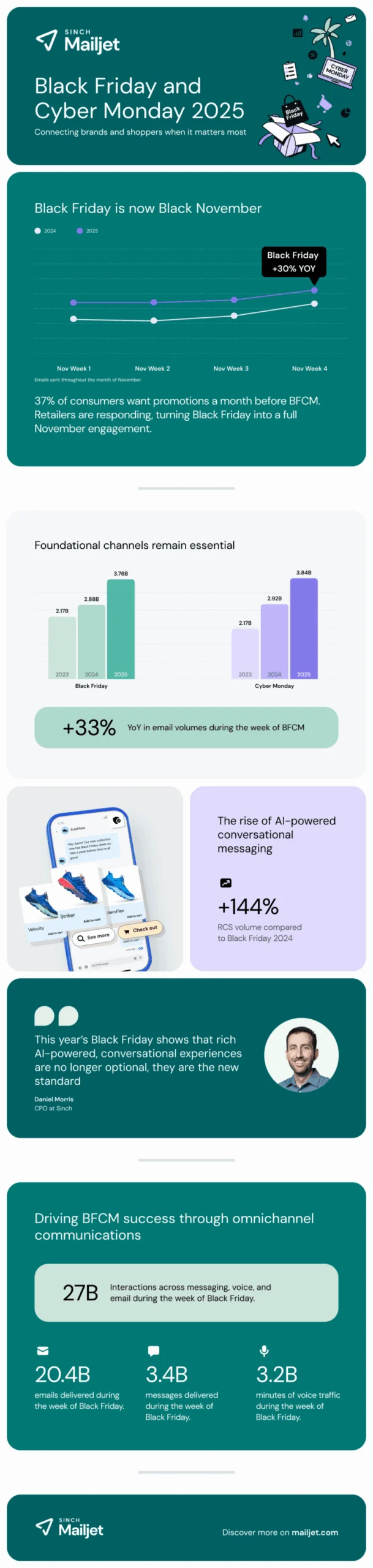
November is undeniably the strongest month for B2C sales, kicking off the official holiday gift-buying season. The period immediately following Thanksgiving is dominated by Black Friday, Small Business Saturday, and Cyber Monday – collectively known as Cyber Week. These dates are absolutely critical for marketers, marked in red on every calendar, and demand robust planning for special promotions and deep discounts. Giving Tuesday, following Cyber Monday, provides an opportunity for brands to engage in corporate social responsibility and promote charitable giving.
- November 1: World Vegan Day (plant-based products, sustainable living)
- November 11: Veterans Day (US) / Remembrance Day (Canada, UK) (respect, special offers for veterans)
- Fourth Thursday in November: Thanksgiving (gratitude, family focus, preparation for sales)
- Fourth Friday in November: Black Friday (massive sales, doorbusters, early holiday shopping)
- Fourth Saturday in November: Small Business Saturday (support for local businesses)
- Fourth Monday in November: Cyber Monday (online-exclusive deals, tech sales)
- First Tuesday after Thanksgiving: Giving Tuesday (charitable giving, CSR initiatives)
December: Festive Frenzy and Year-End Gratitude
December culminates the year in a festive flurry, centered around Christmas and New Year’s Eve. While the cold weather drives many consumers indoors, it fuels a surge in online shopping for last-minute gifts. This is the final opportunity to push Q4 sales with targeted holiday campaigns and offers. Beyond sales, December is also a time for expressing gratitude to customers, reflecting on the year, and fostering a sense of community. Creative campaigns, such as social media competitions (e.g., best Christmas tree decorations), personalized holiday newsletters, or festive team videos, can build brand loyalty and end the year on a high note.
- December 1: World AIDS Day (awareness, support)
- December 24: Christmas Eve (last-minute shopping, festive messages)
- December 25: Christmas Day (holiday greetings, post-Christmas sales anticipation)
- December 26: Boxing Day (major sales event in UK, Canada, Australia)
- December 31: New Year’s Eve (year-end reflections, future outlook, celebrations)
Building Your Own Marketing Calendar for 2026
Creating a comprehensive marketing calendar extends beyond merely listing dates. It involves a strategic integration of business objectives, target audience insights, and product release schedules. The following steps provide a structured approach:
- Define Your Annual Business Goals: Clearly articulate what you aim to achieve in 2026 (e.g., specific revenue targets, customer acquisition numbers, brand awareness metrics).
- Identify Key Product Launches and Promotions: Map out any new product releases, major sales events, or recurring promotions relevant to your business.
- Research Industry-Specific Events: Beyond general holidays, consider conferences, trade shows, or industry awareness days pertinent to your niche.
- Analyze Past Performance Data: Review 2025 campaign results to identify what worked, what didn’t, and areas for improvement. Leverage data to predict peak buying seasons for your audience.
- Segment Your Audience: Understand the diverse needs and preferences of your customer segments to tailor messages and offers effectively for different dates.
- Outline Key Dates for Each Month: Populate your calendar with the general holidays and specific events relevant to your strategy, as outlined above.
- Allocate Resources: Determine the budget, personnel, and tools required for each campaign.
- Develop Content Themes and Concepts: Brainstorm creative ideas, messaging angles, and visual elements for each key period.
- Plan Across Channels: Decide which marketing channels (email, social media, paid ads, blog, SMS, etc.) will be utilized for each campaign and how they will integrate.
- Establish KPIs for Each Campaign: Define specific, measurable, achievable, relevant, and time-bound metrics to track campaign success.
- Schedule Regular Reviews and Adjustments: Marketing is dynamic. Plan to regularly review calendar performance and make agile adjustments as needed throughout the year.
A meticulously planned marketing calendar for 2026 is not just a scheduling tool; it is a strategic blueprint that empowers brands to navigate the complexities of the market, connect meaningfully with their audience, and achieve their business aspirations. This proactive approach ensures that every marketing effort is intentional, timely, and aligned with overarching objectives, setting the stage for a truly impactful year.