admin
admin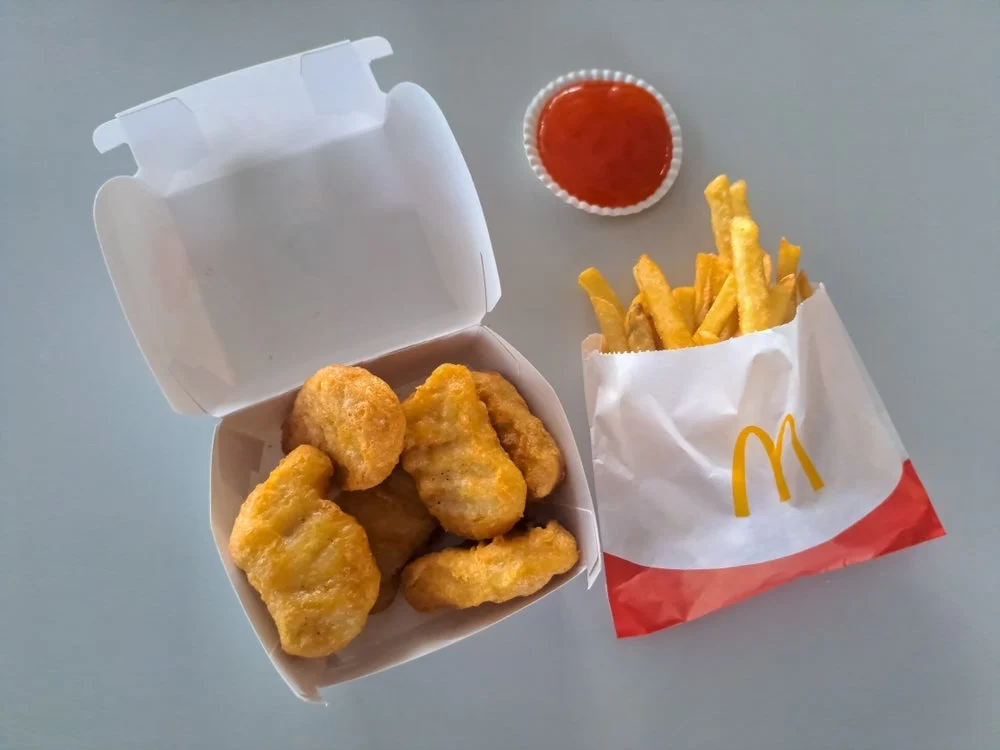
The landscape of corporate communications in 2026 continues to be defined by the unpredictable intersection of executive visibility, data-driven influence, and the sheer power of accidental viral moments. This week, three distinct narratives have emerged to illustrate the complexities of modern brand management. McDonald’s CEO Chris Kempczinski remains ensnared in a cycle of social media scrutiny following a series of eating-related gaffes; Onclusive has released its definitive 2026 Brand Influence Rank Report, highlighting a total dominance by the technology sector; and Nutella has achieved what marketers are calling the most successful unpaid product placement in history via a NASA lunar mission. Together, these events underscore a shift where the smallest gestures of a leader or the serendipitous drift of a product in zero gravity can outweigh multi-million-dollar advertising campaigns.
The McDonald’s CEO and the Perils of Executive Visibility
The challenges facing McDonald’s CEO Chris Kempczinski began in late February 2026, when the executive attempted to leverage social media to promote the chain’s newest menu addition, the Big Arch burger. In a video posted to Instagram, Kempczinski was seen performing a taste test designed to humanize the brand’s leadership and drive excitement for the premium offering. However, the attempt backfired when viewers focused not on the burger, but on the CEO’s eating habits. Kempczinski took what social media users described as a "hesitant, minute nibble," sparking a wave of mockery that transcended the platform.
The incident quickly became a tool for competitors. Executives at Wendy’s, Burger King, and Costco released their own "bite-sized" parodies, showcasing their leaders taking substantial, enthusiastic bites of their respective products. This competitive "newsjacking" turned a minor social media post into a broader narrative about corporate authenticity and the perceived disconnect between fast-food leadership and the products they sell.
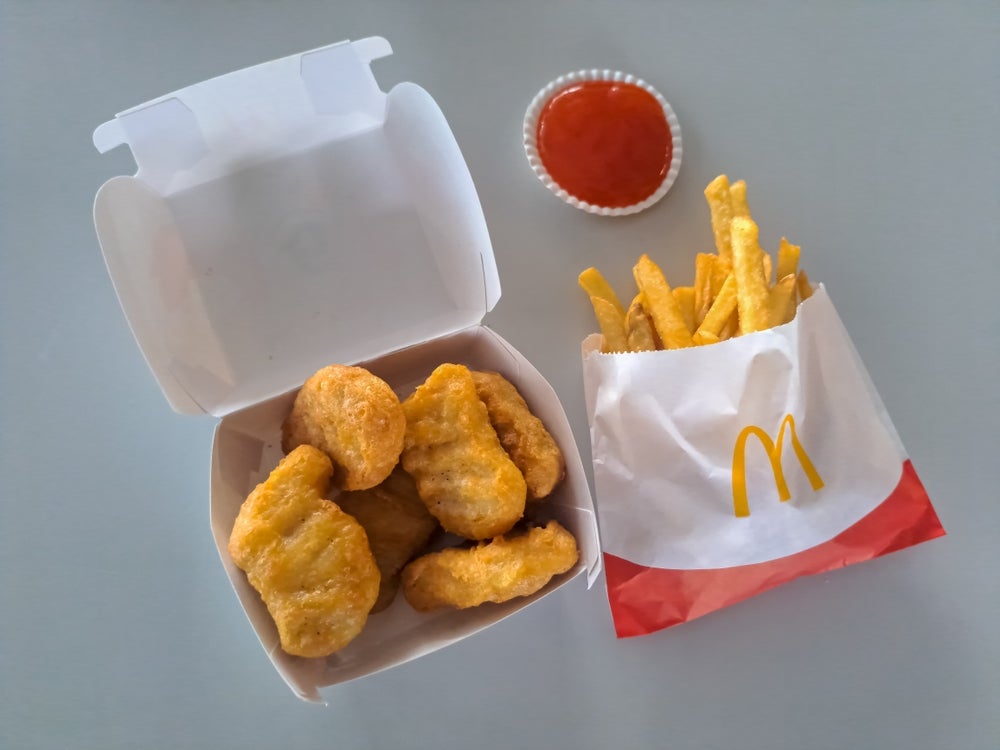
In an effort to reset the narrative, Kempczinski sat for an interview with the Wall Street Journal (WSJ) this week. The interview was intended to be a redemption moment, allowing the CEO to address the viral backlash with humor and poise. During the discussion, Kempczinski attributed his small bites to his upbringing, stating that his mother had strictly taught him never to speak with his mouth full. While a relatable anecdote, the subsequent visual demonstration failed to achieve its goal. Kempczinski bit into a Chicken McNugget on camera, prefacing the act by saying he was "looking forward to taking a nice bite."
Public reaction to the second video was equally critical. The TikTok clip of the encounter garnered over 540,000 views within hours, with users once again dissecting the mechanics of the bite. This "Nugget Implosion" highlights a growing risk in executive communications: when a leader becomes a meme, every subsequent action is viewed through a lens of skepticism and irony.
Strategic Analysis of Executive Presence
Communication experts suggest that the McDonald’s situation is a textbook case of the "microscope effect" that occurs when an executive is placed at the center of an aggressive social media strategy. Curtis Sparrer, Principal at Bospar, notes that by making Kempczinski so visible, the brand inadvertently invited scrutiny of his most basic behaviors. Sparrer argues that in a "deeply unserious" social media environment, the best response is often to lean into the absurdity rather than attempting to justify it through formal interviews.
One suggested strategy for McDonald’s is the "celebrity tour" approach. By pairing the CEO with professional competitive eaters or actors known for iconic eating scenes, the brand could pivot from being the butt of the joke to being a participant in the humor. Despite the mockery, some PR observers noted that Kempczinski’s lack of defensiveness in the WSJ interview served as a positive mark for his personal brand, suggesting a level of genuineness that might eventually win over critics if the brand can move past the specific "bite" narrative.
Onclusive 2026 Brand Influence Report: Tech’s Total Hegemony
While McDonald’s grapples with the nuances of viral sentiment, the Onclusive 2026 Brand Influence Rank Report provides a broader look at which companies are effectively shaping the global narrative. According to the report, YouTube has secured the top spot as the world’s most influential brand. The study, which measures a brand’s ability to generate media coverage, drive public conversation, and shape long-term narratives, reveals a significant trend: the total displacement of traditional industry giants by tech-first platforms.
For the first time in the report’s history, all ten of the top spots are held by digital or technology companies. This shift reflects the changing nature of media consumption, where platforms that host content (like YouTube and X) or provide infrastructure (like Nvidia and Apple) have become more influential than the companies producing the goods themselves.
The Rise of the "Influencer CEO"
A critical component of the Onclusive report is the ranking of CEO influence. The data suggests that a brand’s influence is now inextricably linked to the visibility of its leader. Elon Musk remains the most influential CEO globally, a position fueled by his multi-platform presence across Tesla, SpaceX, xAI, and X (formerly Twitter). Musk’s ability to drive stock prices and dominate news cycles with a single post remains unparalleled.
Ranking second is Sam Altman of OpenAI. Altman’s rise is attributed to the meteoric growth of Artificial Intelligence as a global topic of concern and interest. His frequent appearances at congressional hearings and international summits have positioned him as the de facto spokesperson for the AI era. Other notable figures in the top five include Mark Zuckerberg (Meta), whose "Year of Efficiency" narrative continues to resonate with investors, and Jensen Huang (Nvidia), whose leadership during the hardware boom has made him a household name in the tech sector.
Jennifer Roberts, Chief Marketing Officer at Onclusive, notes that influence in 2026 is defined by "sustained attention" rather than just market capitalization. She points out that while digital platforms have a built-in advantage in terms of visibility, this also subjects them to a "ceiling on sentiment." High visibility often correlates with high levels of public scrutiny, meaning that while these brands are influential, they are not always universally liked.
Nutella’s Interstellar Triumph: The Power of Earned Media
Perhaps the most remarkable PR story of the week occurred far above the Earth’s atmosphere. During a live broadcast from NASA’s Artemis II mission—the first crewed lunar flyby in over half a century—a jar of Nutella became an accidental global sensation. In a moment of unscripted zero-gravity physics, the hazelnut spread jar was seen floating through the spacecraft. The jar drifted slowly, rotating in a way that kept the label perfectly framed for the camera, providing a "hero shot" that would have cost millions to produce in a studio.
The clip immediately went viral, with social media users labeling it the "greatest free advert in history." The organic nature of the moment resonated with a public often cynical about paid product placements. Because it appeared in the context of a historic scientific mission, the product was imbued with a sense of wonder and adventure.
NASA’s Response and the Ethics of Product Placement
The viral success of the Nutella jar prompted immediate questions regarding NASA’s commercial partnerships. Historically, NASA has maintained a strict policy against endorsing specific commercial products. Bethany Stevens, NASA Press Secretary, was quick to clarify that the agency does not select crew meals based on brand partnerships. "This was not a product placement," Stevens stated, explaining that astronauts are often given a degree of choice in their personal snack rations, provided the packaging meets safety standards for spaceflight.
Despite the lack of an official partnership, Nutella’s parent company, Ferrero, moved quickly to capitalize on the moment. In a display of expert newsjacking, the brand’s official social media accounts shared the footage with the caption: "Honored to have traveled further than any spread in history. Taking spreading smiles to new heights."
Implications for Modern Earned Media
The Nutella incident serves as a powerful reminder for PR professionals that the most valuable media coverage is often unearned and unscripted. In an era of highly curated "influencer" content, authenticity remains the ultimate currency. The fact that an astronaut chose to bring Nutella to the moon speaks more to the brand’s cultural ubiquity than any traditional advertisement could.
For corporate communicators, the takeaway is the importance of active brand monitoring. Ferrero’s ability to respond within the same news cycle allowed them to "own" the moment without appearing to have manufactured it. This balance of serendipity and strategic response is becoming the gold standard for brand engagement in 2026.
Conclusion: The Convergence of Data, Personality, and Serendipity
The events of this week illustrate the three pillars of modern PR: the volatility of executive personality (McDonald’s), the dominance of data-driven digital influence (Onclusive/YouTube), and the power of serendipitous earned media (Nutella). As the McDonald’s CEO continues to navigate the pitfalls of viral mockery, he may find lessons in the tech sector’s command of the narrative or in Nutella’s ability to simply "float" into a win.
In a world where AI search algorithms and social media sentiment can redefine a brand overnight, the role of the PR professional has shifted from being a gatekeeper of information to a navigator of cultural moments. Whether through managing a CEO’s eating habits or celebrating a jar of spread in space, the goal remains the same: capturing and sustaining the public’s attention in an increasingly fragmented media landscape.