admin
admin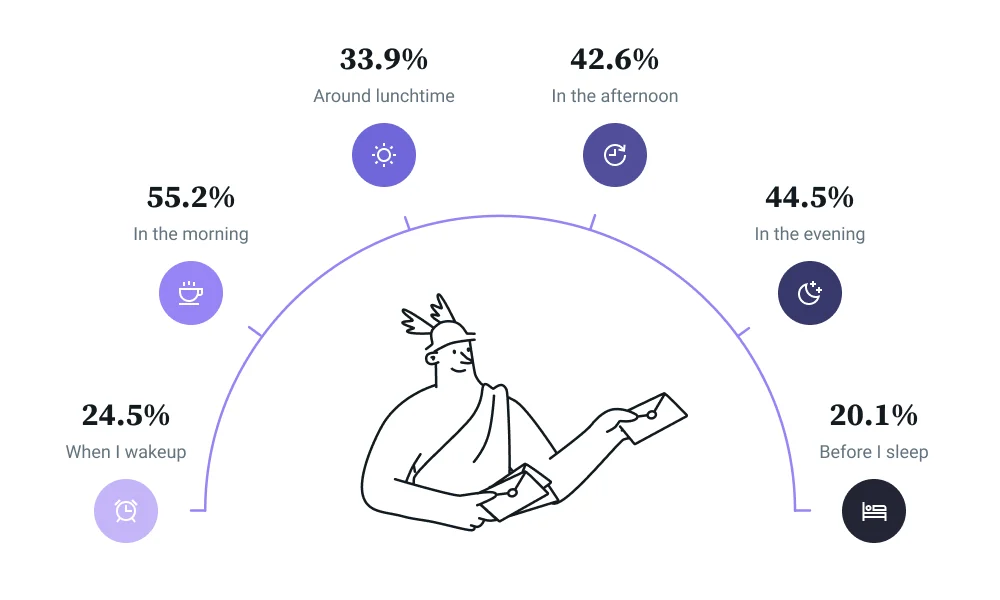
For email marketers navigating the crowded digital landscape, the perennial question of "What’s the best time to send my newsletter?" remains paramount. The precise moment an email lands in a subscriber’s inbox can significantly influence its visibility, open rates, and crucial click-through rates (CTR). As of December 16, 2025, industry research and evolving consumer behaviors underscore that while general guidelines exist, a truly effective email marketing strategy demands a nuanced, data-driven approach that transcends simplistic recommendations. The goal is not merely to send an email, but to deliver it at a moment when the recipient is most receptive, capable, and willing to engage with its content.
The Evolving Landscape of Email Consumption
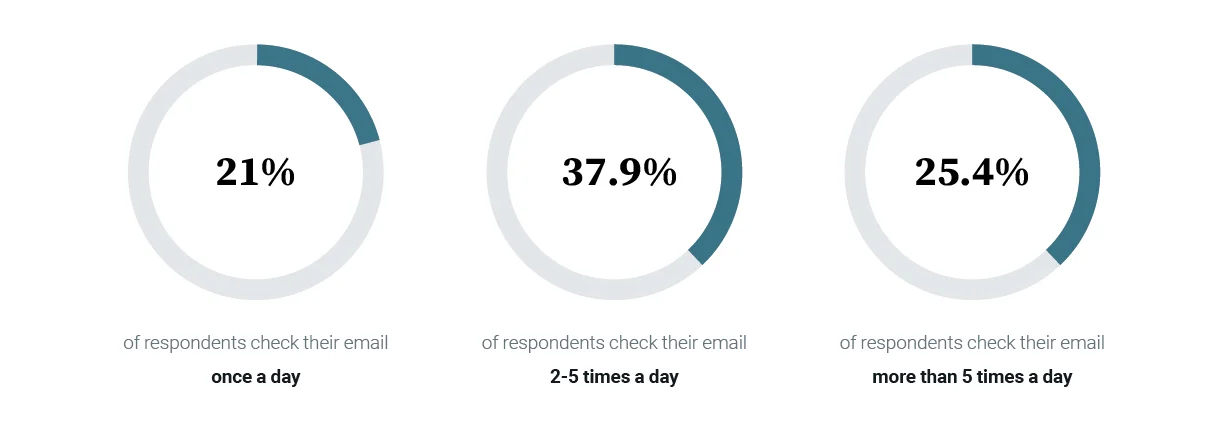
The proliferation of smartphones and ubiquitous internet access has dramatically altered how individuals interact with their email. What was once a desktop-centric activity is now fragmented across devices and moments throughout the day. This shift presents both challenges and opportunities for marketers. On one hand, it means users are checking their inboxes more frequently; according to a 2024 Email Engagement Report, 63.3% of users interact with their personal mailboxes at various points daily. On the other hand, this constant connectivity doesn’t always equate to active engagement. A quick glance on a commute might register an open, but a deeper interaction, such as clicking a link or making a purchase, often requires a dedicated moment of attention. This distinction highlights why timing is not just about visibility, but about aligning with a subscriber’s capacity to act.
Beyond the "9 AM to 12 PM" Simplification
While a common piece of advice suggests sending emails between 9 AM and 12 PM, this generalization overlooks critical factors. The effectiveness of any send time is deeply rooted in audience behavior, geographical location, and the nature of the content itself. Marketers must move beyond broad strokes and delve into granular data to uncover their unique optimal windows.
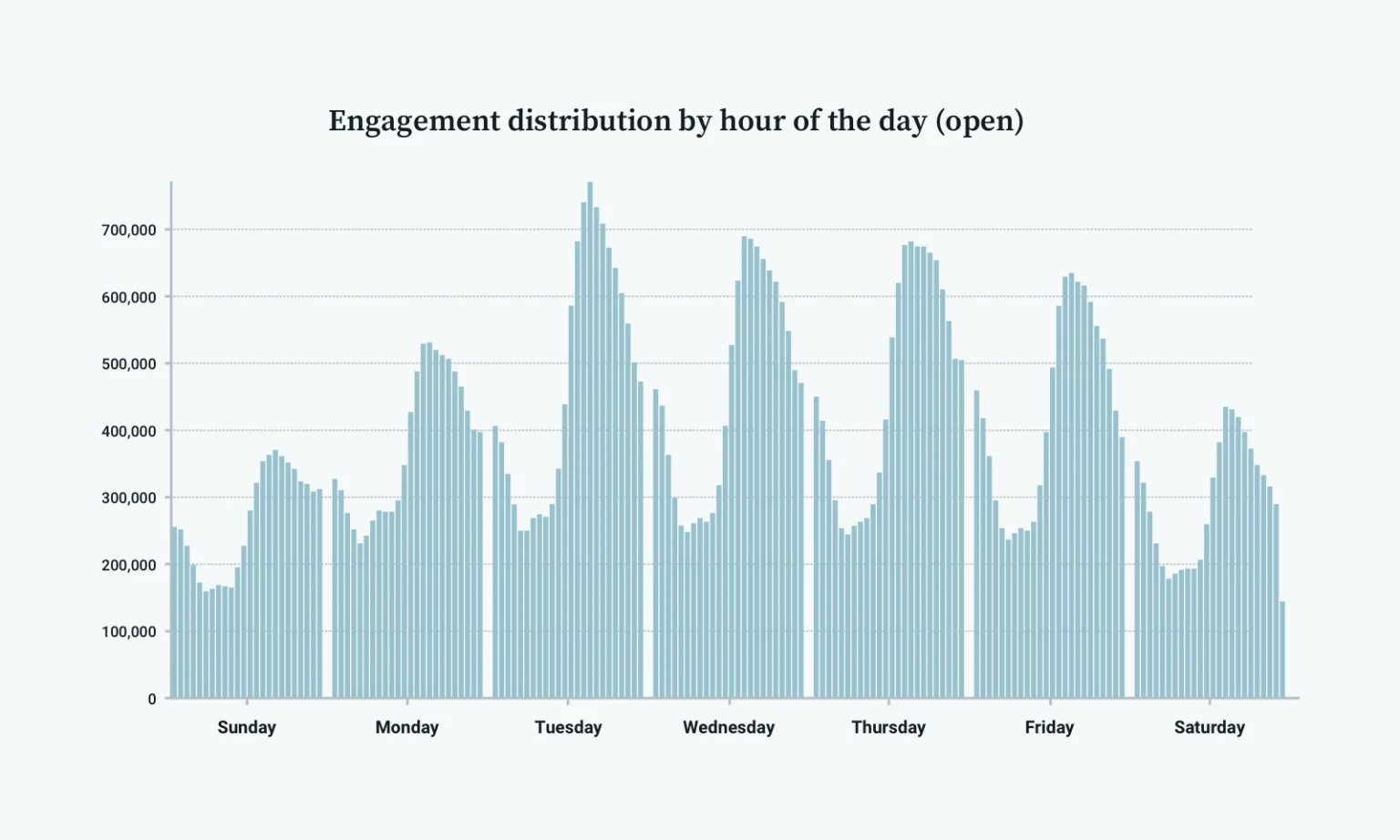
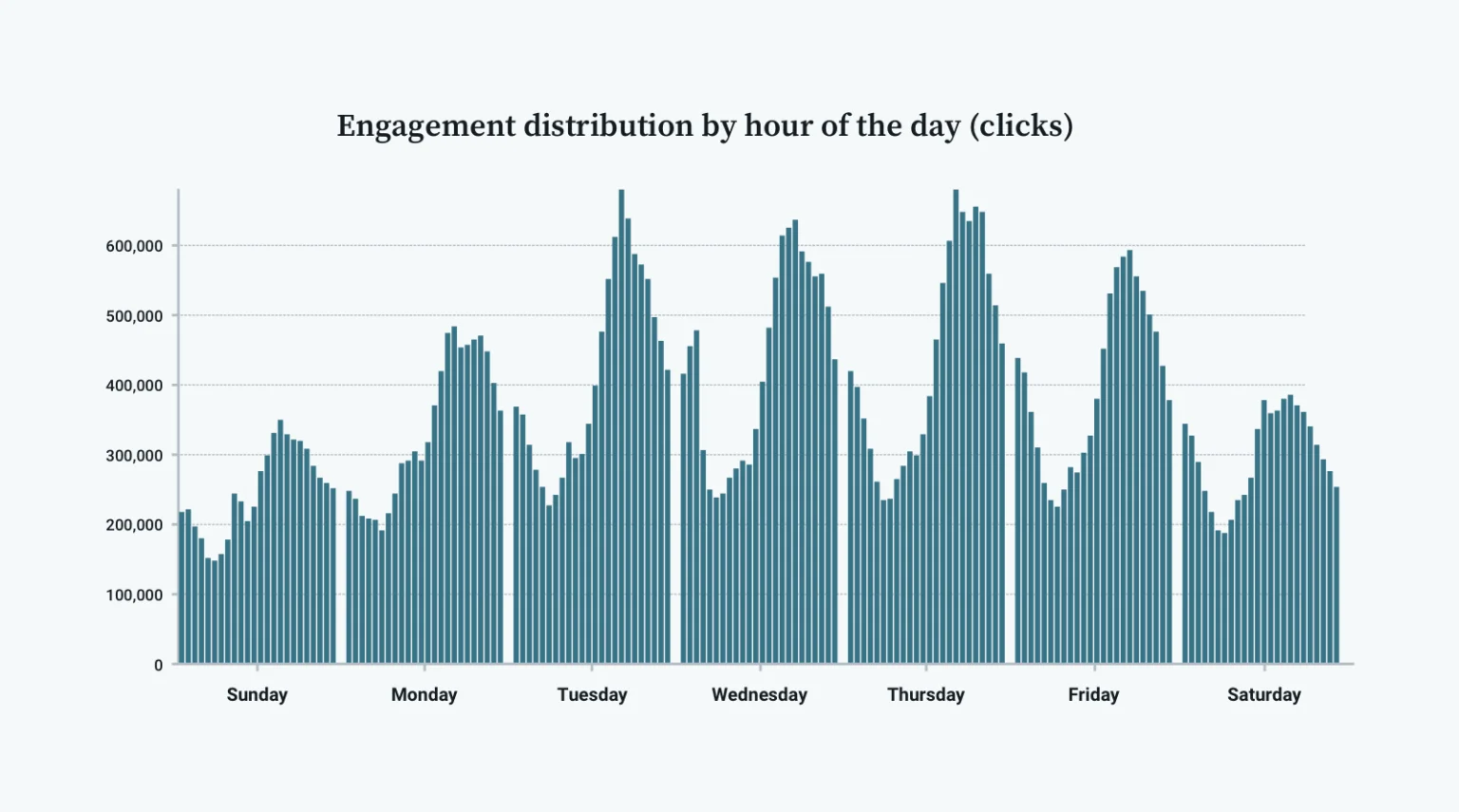
Recent analysis conducted by Sinch Mailgun, leveraging billions of emails sent by its customers, provides a global perspective on engagement patterns. This extensive study revealed that 15:00 Coordinated Universal Time (UTC) consistently demonstrates the highest engagement in terms of click-to-open ratios. However, a crucial caveat accompanies this finding: 15:00 UTC translates differently across time zones. For instance, during summer, 15:00 UTC corresponds to 11 AM Eastern Standard Time (EST). This necessity for time zone conversion underscores the importance of localizing send times to resonate with diverse subscriber bases. The Mailgun data visually demonstrates peaks in both open and click rates around this UTC timeframe, suggesting a global sweet spot that, when localized, can unlock significant engagement.
Geographical and Cultural Nuances in Email Habits
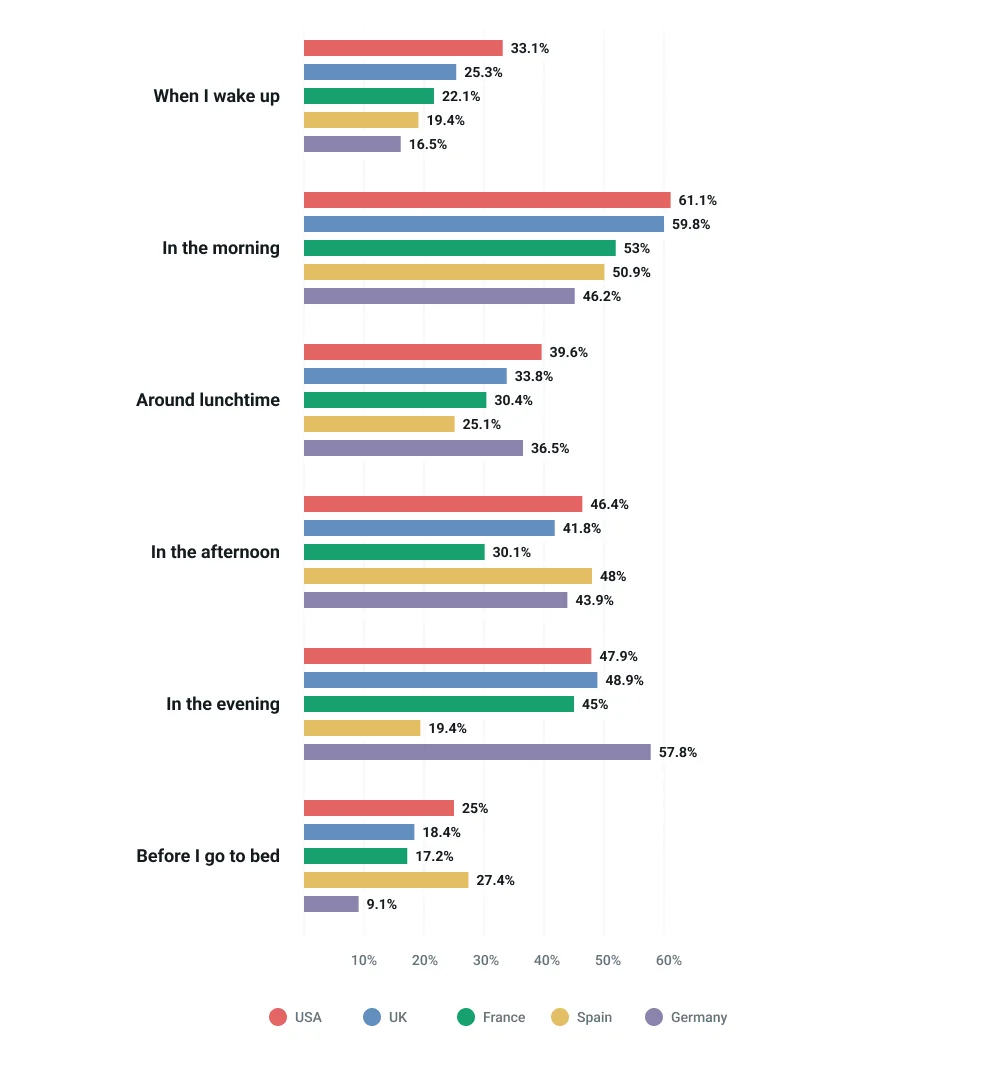
Email engagement is not uniform across the globe; it is significantly influenced by cultural practices and daily routines. The 2024 Email Engagement Report highlights fundamental differences in email habits across various countries. For example, German customers exhibit a strong propensity to open emails in the early evening, with 57.8% engaging during this period. In stark contrast, only 19.4% of Spanish recipients open emails at the same time. Conversely, 27.4% of Spanish participants reported checking emails late in the evening before bed, a time when only 9.1% of Germans are likely to be attentive.
These disparities emphasize the critical need for audience segmentation based on geographical location. A one-size-fits-all global send time can lead to missed opportunities in specific markets. Marketers must invest in understanding the unique email consumption patterns of their target countries and tailor their schedules accordingly. This granular approach, facilitated by robust email marketing platforms, allows for campaigns to be delivered when they are most likely to capture attention within each regional context.
The Weekly Rhythm: Identifying Peak Engagement Days
Beyond the hour of the day, the day of the week also plays a pivotal role in email campaign performance. Industry data consistently points to certain days as more conducive to engagement than others, though exceptions and strategic considerations apply.
Optimal Days for Email Campaigns:
The Sinch Mailgun study reinforces the long-held industry belief that Tuesdays through Thursdays generally yield the highest open and click-through rates. Midweek appears to be a sweet spot, with recipients often settled into their work routines but not yet mentally checked out for the upcoming weekend. While Tuesday and Thursday show slightly higher engagement, Wednesday remains a strong contender, offering a robust second option. For marketers planning multiple sends within a week, a Tuesday-Thursday combination is often recommended to avoid overwhelming subscribers with back-to-back emails, which could lead to reduced engagement for subsequent messages.
Strategic Considerations for Fridays:
Historically, Fridays have been viewed with skepticism for email sends due to the perceived "weekend anticipation" effect. However, recent data suggests that Fridays should not be entirely disregarded. While not as strong as midweek, Friday often outperforms Monday in terms of open and click rates. Furthermore, sending on a Friday could offer a strategic advantage: fewer emails are typically sent on this day, potentially reducing inbox competition and increasing the visibility of your message. This can be particularly effective for content that aligns with weekend activities or leisure.
Days to Generally Avoid (and Exceptions):
According to research, Saturdays and Sundays consistently rank as the worst days for email engagement. Most individuals are preoccupied with personal activities, family time, or errands, rendering marketing emails a low priority. The general rule of thumb is to avoid weekend sends unless the content is specifically designed for leisure consumption (e.g., weekend deals, entertainment guides) and aligns with a target audience known to engage during off-hours.
Monday’s Challenge:
Mondays also present a challenge. While people are back at their desks, they are often overwhelmed by the influx of emails accumulated over the weekend and focused on planning their week. Our research indicates that Friday significantly outperforms Monday in engagement metrics. The "Monday blues" effect, coupled with a cluttered inbox, makes it a less ideal day for capturing immediate attention and driving clicks.
Consistency and Adaptability:
For regular newsletters and promotional emails, establishing a consistent send day each week builds trust and anticipation among subscribers. However, this consistency should not be rigid. During holidays or special events, flexibility is key. Adjusting the send time or day to avoid peak holiday email traffic or to align with specific event timelines can significantly improve open rates, even if it deviates from the usual schedule. An unopened email, regardless of its consistent timing, offers no value.
B2B vs. B2C: Divergent Email Consumption Patterns
The distinction between Business-to-Business (B2B) and Business-to-Consumer (B2C) audiences is fundamental when determining optimal email send times. Professionals interact with their work inboxes differently than consumers engage with personal accounts.
B2B Email Dynamics:
B2B email engagement is largely tied to the typical workday. Professionals are most likely to check business emails during office hours.
- Optimal Times: Mid-morning (9 AM – 11 AM) and early afternoon (1 PM – 3 PM) on weekdays, particularly Tuesday, Wednesday, and Thursday. These times often align with breaks in meetings or dedicated work blocks when individuals process their inboxes.
- Content Type: B2B emails often deliver informational content, industry insights, product updates, or thought leadership. Recipients are typically seeking information that aids their professional roles.
- Avoid: Weekends and late evenings are generally poor for B2B sends, as professionals are disengaged from work. Early mornings can also be less effective if individuals prioritize urgent tasks before delving into marketing communications.
B2C Email Dynamics:
B2C email engagement is more varied and often extends beyond traditional work hours, influenced by personal routines, mobile usage, and leisure time.
- Optimal Times: Late morning (10 AM – 12 PM) and early evening (5 PM – 7 PM) can perform well. The late morning captures individuals checking personal emails before lunch or during a work break. Early evening often aligns with winding down after work or during commutes, when people catch up on personal communications.
- Content Type: B2C emails typically include promotions, transactional updates, lifestyle content, or entertainment. Engagement is driven by personal interest and immediate utility.
- Consider: Depending on the product or service, late evening or even early morning (before the workday begins) can be effective for some B2C audiences, especially for highly mobile users. Weekends can also be viable for leisure-oriented content, provided it’s lighthearted and relevant to weekend activities.
The path to email engagement report highlights that a large percentage of users check personal emails more than once a day, underscoring the fragmented nature of B2C consumption. Marketers must ask critical questions: What kind of product or service is being promoted? What is the user’s typical routine? Are they working professionals or primarily consumers? Understanding these nuances through marketing personas is crucial for tailoring B2B and B2C strategies.
The Strategic Imperative: Why Email Sending Time Matters
After investing significant effort into crafting compelling copy, designing engaging layouts, and perfecting calls-to-action, overlooking the importance of send time is a critical misstep. The email inbox is a fiercely competitive environment. Emails positioned at the top of the inbox typically garner higher engagement rates, explaining why timing is a strategic imperative for any email marketing campaign.
Optimizing send times offers a multitude of benefits:
- Increased Open Rates: Delivering an email when a subscriber is most likely to check their inbox significantly boosts the chance of it being opened.
- Higher Click-Through Rates (CTR): An open is just the first step. Proper timing ensures the recipient has the mental capacity and time to read the content and act on the CTAs.
- Improved Deliverability and Sender Reputation: High engagement signals to email service providers (ESPs) that your emails are valuable, leading to better deliverability and a stronger sender reputation. Conversely, consistently low engagement can flag your emails as unwanted, potentially leading to them being sent to spam folders.
- Enhanced Customer Experience: Receiving relevant content at a convenient time contributes to a positive customer experience, fostering brand loyalty and reducing unsubscribe rates.
- Maximized Return on Investment (ROI): Higher engagement translates directly into more conversions, sales, and ultimately, a better return on your email marketing investment.
As one industry report eloquently puts it, "86.4% of respondents say having time to read an email is an important factor in determining whether to open it." This statistic underscores that mere presence in the inbox is insufficient; the recipient must also have the availability and inclination to engage meaningfully.
Methodology for Optimization: Data, Testing, and Iteration
Determining the absolute "best" time to send emails is not a static endeavor; it’s an ongoing process of data analysis, hypothesis testing, and continuous refinement. While global and industry benchmarks provide a starting point, the most accurate insights come from a marketer’s own audience data.
Leveraging Existing Data:
Most email service providers (ESPs) offer comprehensive analytics dashboards. Marketers should delve into these statistics to identify past engagement patterns.
- Identify Peak Activity Days: Review historical data to see which days of the week consistently show the highest open and click rates for your campaigns.
- Hourly Breakdown: For these high-performing days, examine the hourly breakdown of engagement. This will pinpoint the specific hours when your audience is most active. For Mailjet users, the platform’s Statistics dashboard provides these granular insights, allowing for a clear visualization of audience engagement by hour.
The Power of A/B Testing:
A/B testing (also known as split testing) is indispensable for empirically determining optimal send times. This scientific approach involves sending different versions of a campaign to segmented portions of your subscriber list and comparing their performance.
- Time-Based A/B Tests: To identify the best hourly window, send the same newsletter to a portion of your list at 10 AM, another portion at 1 PM, and a third at 9 PM over successive weeks. Analyze which segment yielded the highest open and click rates.
- Day-Based A/B Tests: Similarly, test different days of the week. For instance, send identical campaigns to distinct segments on a Tuesday versus a Thursday, or a Friday versus a Wednesday.
- Audience Segmentation: A/B testing can be even more effective when combined with audience segmentation. Test different send times for specific geographical segments, demographic groups, or engagement tiers within your list. This allows for hyper-targeted optimization.
Continuous Improvement:
Email marketing is dynamic. Consumer habits evolve, new trends emerge, and your audience itself changes over time. Therefore, the process of optimizing send times should be continuous. Regular review of analytics, coupled with periodic A/B tests, ensures that your strategy remains aligned with current audience behavior.
Advanced Considerations: Personalization and AI
The future of email timing optimization leans heavily towards advanced personalization and artificial intelligence. Modern ESPs are increasingly integrating AI-powered features that can dynamically determine the "perfect" send time for each individual subscriber based on their unique past engagement patterns. This goes beyond simple time zone adjustments, taking into account individual daily routines and content preferences. While currently more prevalent in enterprise-level solutions, these capabilities are gradually becoming more accessible, promising even greater precision in email delivery.
Conclusion
In the complex ecosystem of digital marketing, the timing of email campaigns stands as a critical determinant of success. There is no universal "best" time; instead, effectiveness hinges on a deep understanding of your specific audience, the nature of your business (B2B or B2C), and the content you deliver. By moving beyond conventional wisdom and embracing a data-driven approach – leveraging internal analytics, conducting rigorous A/B tests, and adapting to global and cultural nuances – marketers can unlock significantly higher engagement rates. Ultimately, delivering the right message to the right person at the right time is the cornerstone of an impactful email marketing strategy, ensuring that carefully crafted content not only reaches the inbox but also captures attention and drives action.