admin
admin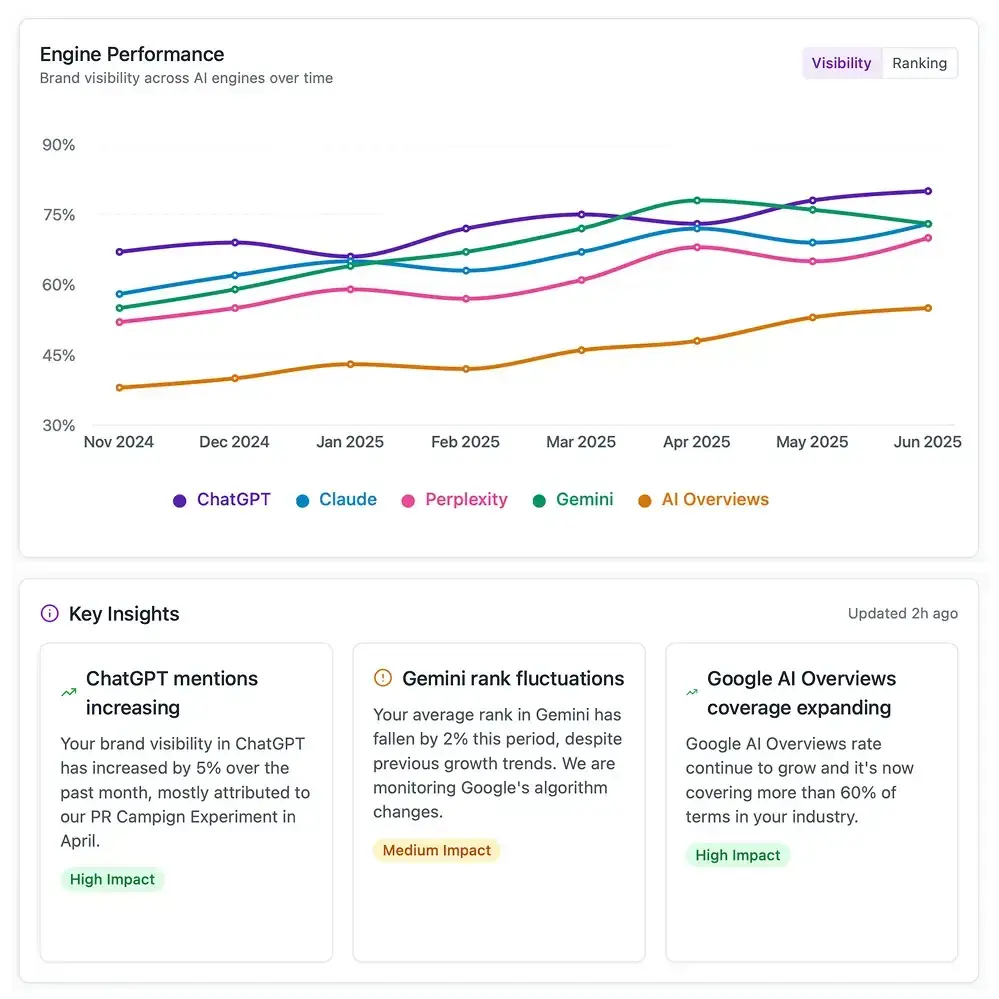
The landscape of digital discovery is undergoing a profound transformation, spearheaded by the rapid ascent of artificial intelligence. For Software-as-a-Service (SaaS) companies, this shift is not merely an evolution but a fundamental reordering of how prospective buyers find, evaluate, and ultimately choose solutions. While a robust SEO (Search Engine Optimization) strategy remains foundational, the emergence of AEO (Answer Engine Optimization) necessitates a distinct and urgent adaptation. This new paradigm dictates that visibility no longer solely equates to website clicks; instead, it means being accurately understood, summarized, and recommended by AI-driven systems directly within the search interface.
The Paradigm Shift: From SEO to AEO
For decades, SEO has been the cornerstone of online visibility, focusing on optimizing content to rank highly in traditional search results, thereby driving clicks to a website. The goal was to appear prominently on Google’s first page, leading users to a brand’s owned digital properties. However, the advent of sophisticated generative AI models and their integration into search engines – exemplified by Google’s AI Overviews, ChatGPT, Gemini, and Perplexity – has introduced a new dynamic. These AI-powered answer engines are designed to provide direct, synthesized answers to complex queries, often obviating the need for a user to click through to an external website. This phenomenon has been particularly impactful in the SaaS sector, where buyer behavior has changed disproportionately compared to other industries.
Previously, a buyer’s journey involved extensive clicking through numerous search results, comparing features across various vendor websites. Today, AI can condense this research, providing a curated summary of options, comparisons, and recommendations based on vast amounts of online information. This means that for SaaS brands, it’s no longer sufficient to simply rank; their product’s capabilities, brand expertise, and unique selling propositions must be intelligible and accurately represented by these AI systems, especially during the crucial discovery and consideration phases of the buying cycle.
Why AEO is Imperative for SaaS Companies
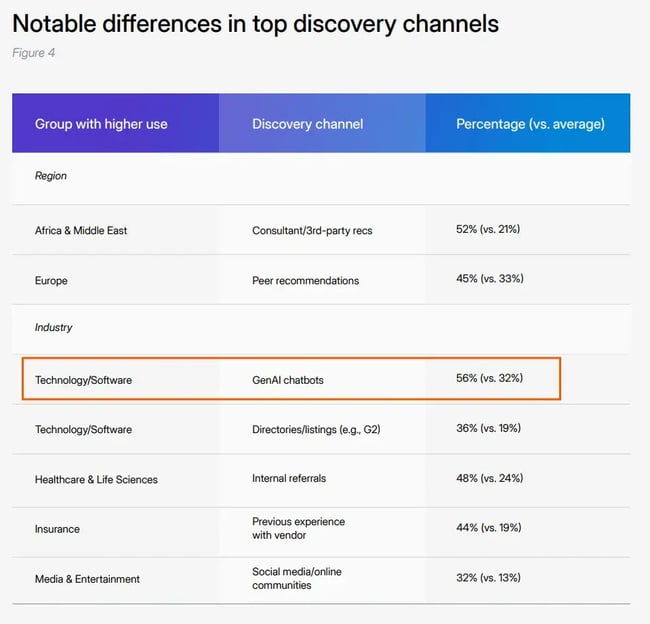
The urgency for SaaS companies to embrace AEO is underscored by recent industry research. A study by Responsive, titled "Inside the Buyer’s Mind," revealed a significant shift in B2B buyer behavior. While 33% of B2B buyers begin vendor discovery using traditional web search, a comparable 32% now initiate this process with generative AI chatbots. However, when the focus narrows specifically to SaaS buyers, the trend becomes even more pronounced: a staggering 56% now start their vendor research directly on generative AI tools. This data highlights a critical vulnerability for SaaS brands that fail to adapt: if their offerings are not discoverable and accurately represented within AI search, they risk being entirely overlooked during the earliest and most formative stages of a buyer’s journey.
Unlike traditional search engines that present a list of links, AI answer engines act as intelligent intermediaries. They synthesize information, compare product attributes, analyze user reviews, and surface recommendations directly within the AI interface. This means that if a SaaS brand is not cited or accurately summarized by an AI, it effectively ceases to exist for a significant portion of potential buyers as they form their initial vendor shortlists. Companies are effectively "out of the race" before evaluations or trials even begin, representing a substantial loss of opportunity.
Strategic Imperatives for SaaS AEO
To navigate this evolving landscape, SaaS teams must implement a multi-faceted AEO strategy that not only complements traditional SEO but also specifically targets AI-driven discovery. The following strategies are critical for increasing the likelihood of a brand being surfaced, referenced, and trusted by answer engines at high-intent moments.

1. Optimize for Early-Stage Visibility that Fuels Evaluation:
The buyer’s journey often begins with learning and exploration. For SaaS, this means understanding how AI interprets and associates products with specific problems, use cases, and desired outcomes. McKinsey’s research supports this, showing that 70% of AI-powered search users still engage in top-of-funnel questions to understand a category, brand, product, or service.
Practically, this involves:
- Comprehensive Problem/Solution Mapping: Creating detailed content that clearly articulates the problems your SaaS solves and how your product provides a unique solution.
- Extensive Use Case Documentation: Developing rich content around specific scenarios and industries where your product excels, demonstrating its applicability.
- Outcome-Oriented Messaging: Framing content around the tangible benefits and results users can expect, rather than just features.
These early queries are foundational. They shape how AI search engines perceive the market, which vendors they link to particular use cases, and which products are consistently deemed "relevant" as the customer lifecycle progresses. For SaaS buyers, vendor lists are formed early, typically starting with a longlist of around eight potential solutions before narrowing down to three or four for deeper evaluation. Optimizing for early-stage AEO ensures that your product is clearly associated with the right problems and outcomes in AI-generated answers, significantly increasing the chances of being carried forward into evaluation-stage queries.
2. Optimize for Evaluation-Stage Questions, Not Just Problem Awareness:
Once a buyer understands their problem, their focus shifts to evaluating solutions. At this stage, they compare options, validate claims, and assess the fit for their specific needs. SaaS teams must address these needs in a manner that is digestible for AI. Many evaluation queries will be answered directly by AI, without requiring a click to the brand’s site. Without visibility at this critical stage, a product is unlikely to make a buyer’s shortlist.
To optimize for evaluation-stage questions:
- Detailed Feature and Benefit Pages: Clearly outline product features, explain their benefits, and provide concrete examples of how they solve specific pain points.
- Transparent Pricing and Packaging: Make pricing models, tiers, and inclusions explicitly clear. If pricing is hidden, AI systems may struggle to provide accurate information, potentially pulling from less reliable sources.
- Integration and Compatibility Guides: Document all integrations, APIs, and compatibility requirements, addressing common questions about how your SaaS fits into existing tech stacks.
- Direct Competitor Comparisons: Create dedicated comparison pages that objectively highlight your product’s strengths against competitors, providing AI with structured data for comparative analysis.
Important Note: Unanswered evaluation-stage questions by a brand will be addressed by other sources, which may not accurately reflect the product’s positioning or advantages. This makes proactive content creation at this stage paramount.
3. Get Serious About PR, Third-Party Validation, and Credibility Signals:
AI-driven answer engines place significant weight on independent, third-party sources to establish credibility and trustworthiness when evaluating SaaS products. While first-party content establishes relevance, external validation infers authority and reduces bias.
Strategies include:
- Proactive Public Relations: Secure coverage in reputable industry publications, tech blogs, and news outlets. Consistent mentions reinforce brand recognition and credibility for AI systems.
- Engage with Industry Analysts: Seek inclusion and favorable positioning in analyst reports (e.g., Gartner Magic Quadrant, Forrester Wave). These reports are often highly trusted by AI.
- Prioritize Customer Reviews and Testimonials: Actively encourage and manage customer reviews on platforms like G2, Capterra, and TrustRadius. AI frequently synthesizes these reviews for product comparisons.
- Develop Partner Content: Collaborate with integration partners, resellers, or complementary service providers to create joint content that mentions your product.
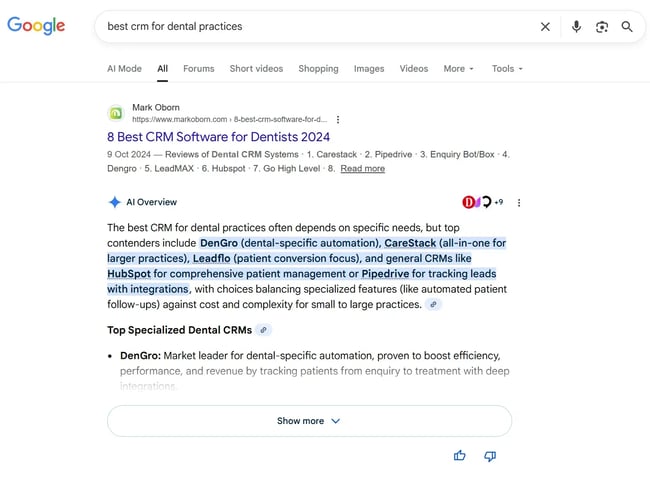
When multiple independent sources describe a SaaS product in similar, positive terms, AI systems gain confidence in summarizing and positioning the brand. PR coverage, analyst insights, reviews, and partner content help answer engines validate claims, resolve ambiguity, and assess trustworthiness. This is especially crucial for comparison, "best for," and alternative-style queries, where AI is less likely to rely solely on a brand’s self-description. A compelling example is CareStack, a CRM for dental practices. Despite ranking mid-page two in traditional Google search results for "best crm for dental practices," it achieved a prominent position in AI Overviews, demonstrating the power of strong third-party validation and niche relevance in the AI search environment.
4. Get Hyper-Targeted:
AEO rewards specificity. Users are increasingly employing AI tools to ask highly detailed, context-rich questions, moving beyond generic queries to situational ones tailored to their industry, role, constraints, or specific use case. Broadly positioned SaaS content struggles to compete in this environment because it lacks the necessary contextual signals.
To achieve hyper-targeting:
- Develop Industry-Specific Content Hubs: Create dedicated sections or content clusters for particular industries (e.g., "CRM for Healthcare," "Project Management for Construction").
- Role-Based Solution Guides: Produce content tailored to specific job roles within an organization (e.g., "Marketing Automation for CMOs," "HR Software for Small Business Owners").
- Detailed Use-Case Scenarios: Illustrate specific, granular ways your product solves niche problems (e.g., "Automating Invoice Processing for SaaS Companies").
- Address Specific Constraints/Challenges: Create content that speaks to unique budgetary, technical, or regulatory constraints that particular segments face.
This hyper-targeted approach enhances relevance, making content far more likely to be surfaced, summarized, and recommended when buyers ask niche or contextual questions. The CareStack example reiterates this point: its clear alignment with a specific audience ("dental practices") made it a strong match for the query, proving that relevance and specificity can trump general organic ranking in AI-driven answers.
5. Structure Content for AI Extraction, Summarization, and Citation:
Even the most valuable content will be overlooked by AI if it’s not structured in a way that facilitates easy extraction and summarization. Clarity and scannability are paramount.
Key structural considerations:
- Clear Headings and Subheadings (H1, H2, H3): Use descriptive headings that accurately reflect the content of each section, allowing AI to quickly grasp the document’s hierarchy and key topics.
- Concise Paragraphs and Bulleted Lists: Break down complex information into easily digestible chunks. Bullet points are particularly effective for presenting features, benefits, or steps in a process.
- Executive Summaries/Key Takeaways: Provide brief overviews at the beginning or end of longer pieces, summarizing the main points for quick comprehension by AI.
- FAQs Sections: Directly address common questions in a Q&A format, making it simple for AI to extract direct answers.
- Semantic Triples: As practiced by HubSpot, explicitly define relationships between subjects, objects, and predicates (e.g., "HubSpot’s AEO grader [subject] is a tool [predicate] that AEO specialists use to review brand sentiment [object] in AI search tools."). This advanced technique provides explicit contextual signals for AI.
When information is easy for AI systems to summarize accurately, the brand is more likely to be cited during discovery and evaluation queries, increasing visibility at moments that influence shortlisting and trials.

6. Implement a Well-Structured Schema Markup:
Schema markup is a standardized format for structured data embedded in a webpage’s HTML. It helps search engines, and critically, AI systems, understand the context and meaning of a page’s content by adding a layer of explicit semantic information.
Tactics for schema implementation:
- Product Schema: Detail product name, description, features, pricing, and reviews.
- Organization Schema: Provide official company information, contact details, and social profiles.
- FAQPage Schema: Mark up question-and-answer pairs within your content.
- HowTo Schema: Structure step-by-step instructions.
- Review/AggregateRating Schema: Highlight customer ratings and reviews.
Schema has long been beneficial for traditional SEO, but its role in AI visibility has become even more critical, particularly for Google’s AI Overviews. Research by Molly Nogami and Ben Tannenbaum demonstrated that pages with well-implemented schema consistently appeared in AI Overviews and performed better in traditional search, while pages with poor or absent schema rarely appeared in AI Overviews. This underscores schema as a fundamental component of any robust AEO strategy.
Measuring AEO Success: Beyond Traditional Metrics
Tracking AEO success requires a fundamental shift in mindset. Traditional SEO metrics like clicks and impressions, while still relevant, no longer tell the full story. Instead, AEO demands a focus on AI visibility, brand uplift, and ultimately, revenue.
1. Inclusion and Visibility in AI Answers:
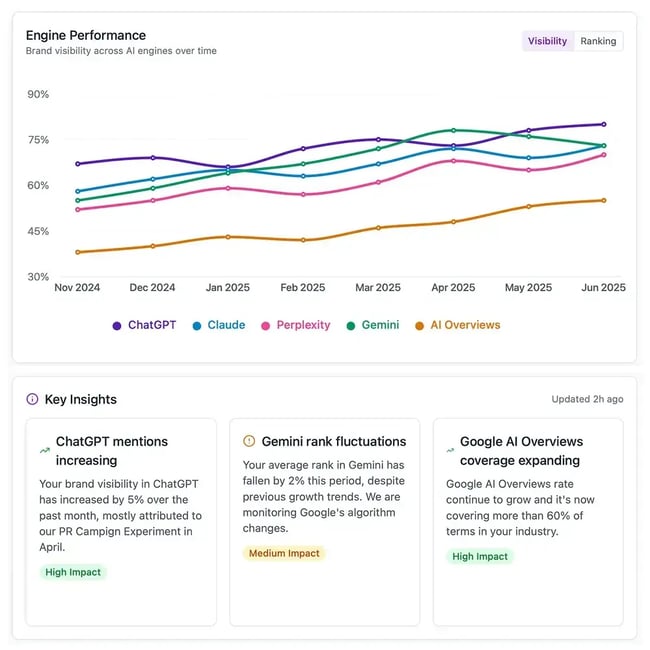
The most basic indicator of AEO effectiveness is whether a brand appears in the AI-generated answers buyers see. This is about presence, positioning, and context within the AI summary, often more important than a page’s organic ranking.
- Manual Spot Checks: Regularly query AI tools with relevant keywords and observe if your brand is cited.
- Specialized AEO Tools: Utilize platforms like XFunnel to monitor brand mentions across various AI environments.
- Contextual Analysis: Evaluate how your brand is described by AI—is the sentiment positive, neutral, or negative? Is the information accurate?
2. Trial Signups Influenced by AI Referrals:
Trial signups are a clear signal of intent. AEO should contribute to this, not just as a last-click source, but as an influential touchpoint.
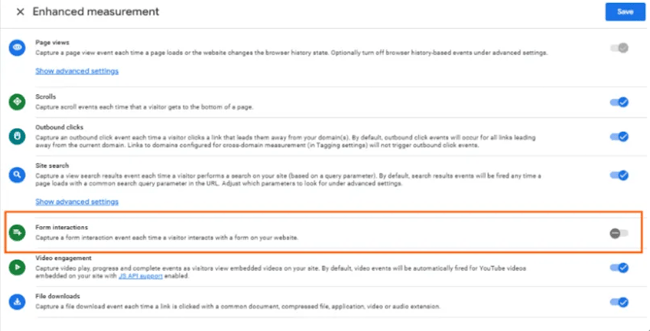
- Monitor Referral Traffic from AI Tools: Use Google Analytics 4 (GA4) to identify sessions and trial starts originating from AI platforms (ChatGPT, Perplexity, Gemini). Set up event tracking for key conversions like button clicks, trial requests, or form submissions.
- Assisted-Conversion Reporting in GA4: Recognize that AI often acts as an "assist channel." Use GA4’s multi-touch attribution and segment overlap reports to understand how AI-driven sessions contribute to conversions later in the funnel, even if not the final touchpoint. This helps quantify AI’s influence on introducing qualified users who convert via other channels.
3. Branded Demand Lift:
When a brand is frequently mentioned in AI-generated answers, prospects may later search for the brand directly. An increase in branded search volume indicates that AI discovery has successfully introduced and imprinted the brand in the buyer’s mind.
- Track Branded Search Volume: Monitor branded keywords and branded-plus-competitor searches in Google Search Console and other SEO tools.
- Analyze Direct Traffic: An increase in direct website visits can also signal brand recognition established through AI.
4. Trial-to-Paid Conversion Rate for AI-Influenced Users:
Ultimately, sales and recurring revenue are paramount. Measuring whether AI-influenced users convert into paying customers is the true quantifier of AEO effectiveness.
- Segment Users: Differentiate users who engaged with your brand via AI from those who came through other channels.
- Track Conversion Rates: Compare the trial-to-paid conversion rates for AI-influenced users against the overall average.
5. Customer Lifetime Value (CLV) for AI-Influenced Users:
Beyond initial conversion, the long-term value of a customer is crucial for SaaS. Tracking CLV for AI-influenced users helps determine if AEO is attracting higher-quality, better-fit customers.
- Long-Term Cohort Analysis: Analyze the retention rates, upsell potential, and overall revenue generated by customers whose journey included AI discovery.
- Compare CLV: Benchmark the CLV of AI-influenced customers against those acquired through traditional channels to validate AEO’s impact on customer quality.
Essential AEO Tools for SaaS Marketing Teams
Several tools are emerging to support SaaS companies in their AEO endeavors:
- Xfunnel: This platform is purpose-built for measuring AI search visibility and performance across various large language models and AI answer engines. It tracks how often a brand is surfaced, cited, or referenced in tools like ChatGPT, Google AI Overviews, Gemini, and Perplexity, offering insights into sentiment, citation context, and competitive positioning.
- HubSpot’s AEO Grader: A quick diagnostic tool that evaluates a brand’s visibility, sentiment, and consistency in AI-generated answers. It helps identify gaps that might limit discovery or misrepresent positioning, providing a fast way to spot misalignment before it impacts trials or pipeline.
- Semrush: A comprehensive SEO and AEO platform that has integrated AI visibility and prompt monitoring features into its robust suite of tools. While a premium tool, its AEO improvement recommendations and prompt tracking capabilities are highly regarded.
- Google Analytics 4 (GA4): As the source of first-party truth, GA4 is indispensable. While it doesn’t directly measure AI visibility, it tracks what happens after AI-driven discovery, providing critical data on trial starts, form submissions, assisted conversions, and revenue events. It helps ground AEO efforts in tangible business outcomes.
Getting Started: Operationalizing AEO
The shift to AEO is not a distant future; it is already shaping the SaaS industry and redefining how buyers search, discover, evaluate, and shortlist products. The successful SaaS companies of tomorrow are those that proactively adapt their existing SEO foundations for AI-driven discovery, strategically invest in evaluation-stage visibility, cultivate third-party credibility, structure their content for optimal AI extraction, and adopt new metrics to measure success through trials, pipeline, and revenue.
The single most critical takeaway is that AEO must be operationalized. This means seamlessly integrating visibility tools like XFunnel with diagnostic platforms like HubSpot’s AEO Grader, continually grounding strategic decisions in first-party data from GA4, and relentlessly aligning content, public relations, and overall brand positioning with the evolving ways buyers interact with AI search and make their purchasing decisions. The future of SaaS growth is inextricably linked to mastering Answer Engine Optimization.