admin
admin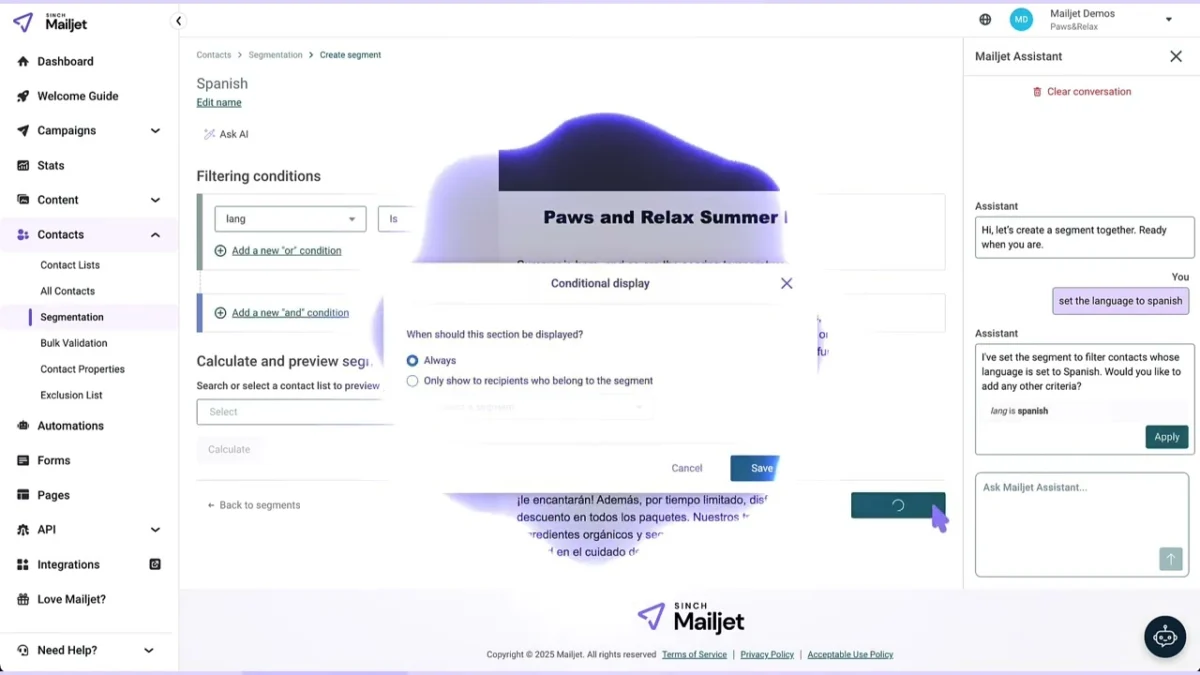
The landscape of digital communication has undergone a profound transformation in 2024 and 2025, solidifying change as the only constant for email marketers and senders worldwide. Inbox providers introduced stringent new authentication rules, artificial intelligence rapidly integrated into email workflows, and consumer expectations evolved at a pace that challenged many brands to adapt. As the industry looks ahead to 2026, email is poised to enter a new era, characterized by intelligent inboxes, predictive AI, and an intensified focus on building and maintaining trust.
At Sinch Mailjet, a comprehensive analysis of the evolving email ecosystem, encompassing sender behaviors, industry data, and broader communication trends, underpins a set of seven data-backed predictions for email marketers and senders to monitor in 2026. These insights offer a roadmap for proactive strategies to remain competitive and effective.
The Enduring Power of Email in a Crowded Digital Sphere
Despite the rising prominence of competing communication channels such as chat applications and AI assistants, email steadfastly maintains its position as one of the most powerful and widely used communication platforms globally. Projections from Statista indicate that the number of global email users is expected to reach between 4.7 and 4.8 billion by the close of 2026, with the daily volume of emails sent anticipated to hit approximately 392 billion. This remarkable scale underscores email’s foundational role in both personal and professional digital interactions.
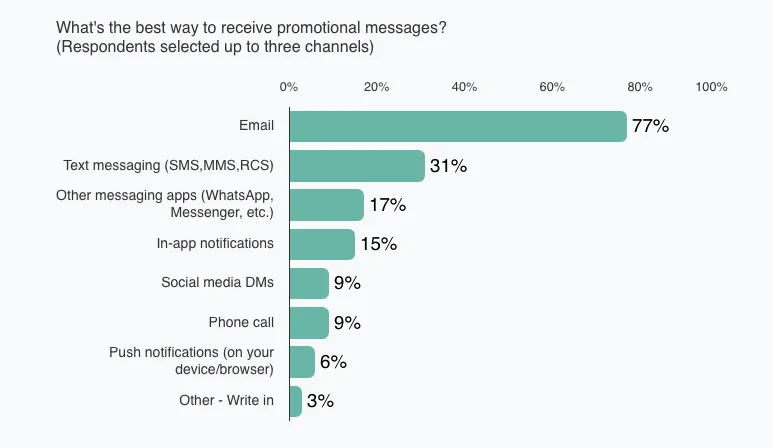
Further reinforcing this sentiment, Sinch’s "The State of Customer Communications Report," published earlier this year, revealed compelling consumer preferences. A global survey asked consumers to select up to three channels through which they preferred to receive promotional messages from brands. Email emerged as the overwhelming favorite, chosen by nearly 77% of respondents. This data highlights email’s continued efficacy as a direct marketing tool, consistently outperforming newer, more ephemeral channels.
The resilience of email can be attributed to several factors, including its ubiquitous nature, its asynchronous communication style, and its established role as a central hub for digital identity. Unlike social media platforms, which often operate on proprietary algorithms and can be subject to rapid shifts in user engagement or policy, email offers a direct line of communication, largely controlled by the sender and recipient. This stability, coupled with its proven return on investment (ROI), ensures that while inboxes may evolve, adapt, and become more sophisticated to meet consumer needs, email itself is not facing obsolescence. Marketers and senders who embrace this evolution will be best positioned for success.
Key Predictions for Email Marketing in 2026
1. Intelligent Inboxes Reshape Delivery and Discovery
The era of generic, one-size-fits-all email campaigns is definitively over. For years, marketers relied on rudimentary personalization tactics, such as addressing subscribers by their first name or segmenting lists into broad categories. While these were initial steps towards relevance, the current landscape of crowded inboxes and heightened customer expectations demands a far more sophisticated approach. Basic email personalization is no longer sufficient to cut through the digital noise.
A significant paradigm shift is already in motion. By 2026, major inbox providers like Google, Apple, and Microsoft will act as increasingly intelligent gatekeepers. Their advanced systems, powered by machine learning and behavioral analytics, will exert greater influence over which messages are prioritized, summarized, or directed to secondary tabs. The competition for prime inbox placement is intensifying, and the rules of engagement are being rewritten.
To secure and maintain a coveted spot in the primary inbox, senders must consistently deliver demonstrable value. This necessitates a strategic move beyond mass promotions, leveraging granular data to craft truly relevant experiences that anticipate customer needs and preferences. Sinch research indicates that 42% of consumers expect personalized promotions, and nearly 30% expect brands to utilize their purchase history to deliver more pertinent messages. For marketers, this translates into a critical imperative: relevance becomes the new deliverability. If an email lacks behavioral targeting, timeliness, or genuine utility, it risks being filtered into less visible tabs or, worse, silently ignored, impacting sender reputation and future deliverability.
Action for 2026: Marketers must transition their strategy from a "send to many" mindset to a "send to the right person at the right moment." Deep engagement metrics, such as clicks, conversions, and replies, will gain precedence over raw email volume. Investing in sophisticated analytics and dynamic content capabilities will be crucial.
2. AI-Driven Personalization Becomes Standard, Not Innovative

Mailjet’s 2025 report already underscored the growing reliance on artificial intelligence to accelerate campaign production, refine segmentation, and enhance content personalization. In 2026, these AI applications are set to become mainstream, transforming from cutting-edge innovation to standard operational practice.
Illustrating this trend, Mailjet recently introduced its open-source MCP Server, a critical bridge enabling conversational-AI tools to connect directly and securely with Mailjet’s API. This innovation eliminates the need for manual dashboard exports or complex SQL/data-analysis scripts to derive insights. Marketers can now interact with their data using plain language queries, asking questions like: "Show me the open and click-through rates of our last campaign by country," or "Which segment had the highest unsubscribe rate last month?" The system provides immediate, actionable answers, democratizing access to complex analytics.
AI’s role in email marketing extends beyond analytics, encompassing various aspects of campaign creation and optimization:
- Hyper-specific Performance Analysis: AI can delve deeper than traditional open and click rates, providing granular insights. For example, a query could be: "Show me the top 5 countries by open rate for my last campaign. Also, what was the bounce rate for Gmail addresses?"
- Automated Content and Template Management: AI can assist in content planning and template selection. Marketers can ask: "Pull up all my newsletter templates in the ‘Monthly Digest’ category. I want to reuse the one from last month," to streamline design processes.
- Workflow Monitoring and Optimization: AI offers real-time oversight of automated email sequences. A query like: "What’s the open rate for the third email in my ‘New User Onboarding’ workflow? Show me the stats for the last 7 days," helps identify and address drop-off points efficiently.
This evolution is not about sending more emails, but rather about crafting smarter emails that are meticulously tailor-made for each recipient, fostering a deeper sense of connection and relevance.
Action for 2026: An audit of existing technology stacks is imperative. Tools incapable of supporting behavioral segmentation, dynamic content generation, or AI-powered optimization will put brands at a significant disadvantage. Investment in advanced marketing automation and AI integration platforms is essential.
3. Authentication and Trust Signals Become Non-Negotiable
The stringent new inbox rules introduced by Google, Yahoo, and other leading providers have elevated email authentication from a mere "best practice" to an absolute "bare minimum," particularly for bulk email senders in 2025-2026. Protocols such as SPF (Sender Policy Framework), DKIM (DomainKeys Identified Mail), and DMARC (Domain-based Message Authentication, Reporting & Conformance) now form the indispensable identity layer that verifies a sender’s legitimacy and confirms that messages have not been tampered with in transit.
Despite the critical importance of these protocols, adoption remains inconsistent. Mailjet’s "Road to Inbox 2025" report revealed that while 66.2% of senders utilize both SPF and DKIM, over 25% are uncertain about their authentication status, and only approximately 53.8% have a DMARC policy in place, with many still operating at the non-enforcing "p=none" level. As inbox providers continue to tighten requirements, this gap represents a substantial risk to deliverability and sender reputation.
For 2026, authentication will determine not only whether an email reaches the inbox but also how providers rank, filter, or flag messages. Stronger DMARC enforcement (quarantine/reject policies), consistent alignment of authentication across all sending domains, and a robust, positive domain reputation will become baseline expectations. This increased emphasis on authentication is a direct response to the escalating threat of phishing, spoofing, and other cybercrimes that leverage email to defraud users.
Authentication also serves as the gateway to advanced trust signals, such as BIMI (Brand Indicators for Message Identification). BIMI allows brands to display their verified, official logo directly in the inbox, but only after DMARC is properly enforced at an "enforce" policy. In an environment of rising user skepticism and sophisticated fraud attempts, authenticated identity transforms from a mere technical specification into a core pillar of brand trust. Moreover, authentication directly supports other emerging email trends for 2026, particularly AI-driven personalization and dynamic content. These advanced, data-informed experiences are only effective if messages reliably reach the inbox, and inbox placement increasingly depends on technical trust alongside engagement. With smarter inboxes evaluating sender reputation, identity, domain alignment, and user behavior holistically, authentication becomes an integral component of a comprehensive deliverability profile. For senders adopting lifecycle automation, predictive content, or micro-segmentation, robust authentication ensures these strategic efforts are not undermined before the email even has a chance to be seen.
Action for 2026: Proactive measures are critical. Review and strengthen domain authentication configurations, enable full DMARC alignment, and maintain meticulous email list hygiene to minimize bounces and complaints.
4. Email Becomes Part of a Unified Omnichannel Conversation
In 2026, email will increasingly function not as an isolated channel, but as an integral component of a broader, unified omnichannel marketing strategy. It will serve as a central node within a web of communication touchpoints, including SMS, chat/messaging platforms, in-app notifications, and more. By positioning email as the strategic backbone of this integrated approach, brands can effectively reach customers across multiple preferred channels and construct complementary touchpoints around that core interaction.
The tangible value of an integrated strategy becomes evident in enhanced engagement and customer experience. When channels are seamlessly connected and data flows effortlessly between them – for instance, when a user clicks an email link, browses a website, and subsequently receives a timely SMS or in-app reminder – the company transcends simple message pushing. Instead, it orchestrates a cohesive and responsive customer journey. This interconnected approach ensures that every interaction feels informed and personalized, reflecting a holistic understanding of the customer’s path.
For marketers, this shift necessitates moving from an "email-first" mentality to a "customer-journey-first" approach. Marketing flows should be designed so that email triggers, such as welcome messages, promotional newsletters, and transactional information, are merely one leg of an expansive journey. SMS or push notifications can be layered on for time-sensitive alerts; chat or in-app messaging can be deployed for support or re-engagement. Crucially, customer data – including preferences, behavior, and status – must be shared consistently across all channels to ensure every interaction is relevant and contextually appropriate.
Action for 2026: Prioritize quality over quantity in messaging. Develop programs that deliver fewer but significantly more impactful messages, informed by customer behavior, lifecycle stage, and intent. Map out comprehensive customer lifecycle journeys across all channels, not just email, ensuring consistent brand messaging and fluid transitions between touchpoints.
5. Email Design Becomes Lighter, Greener, and More Interactive
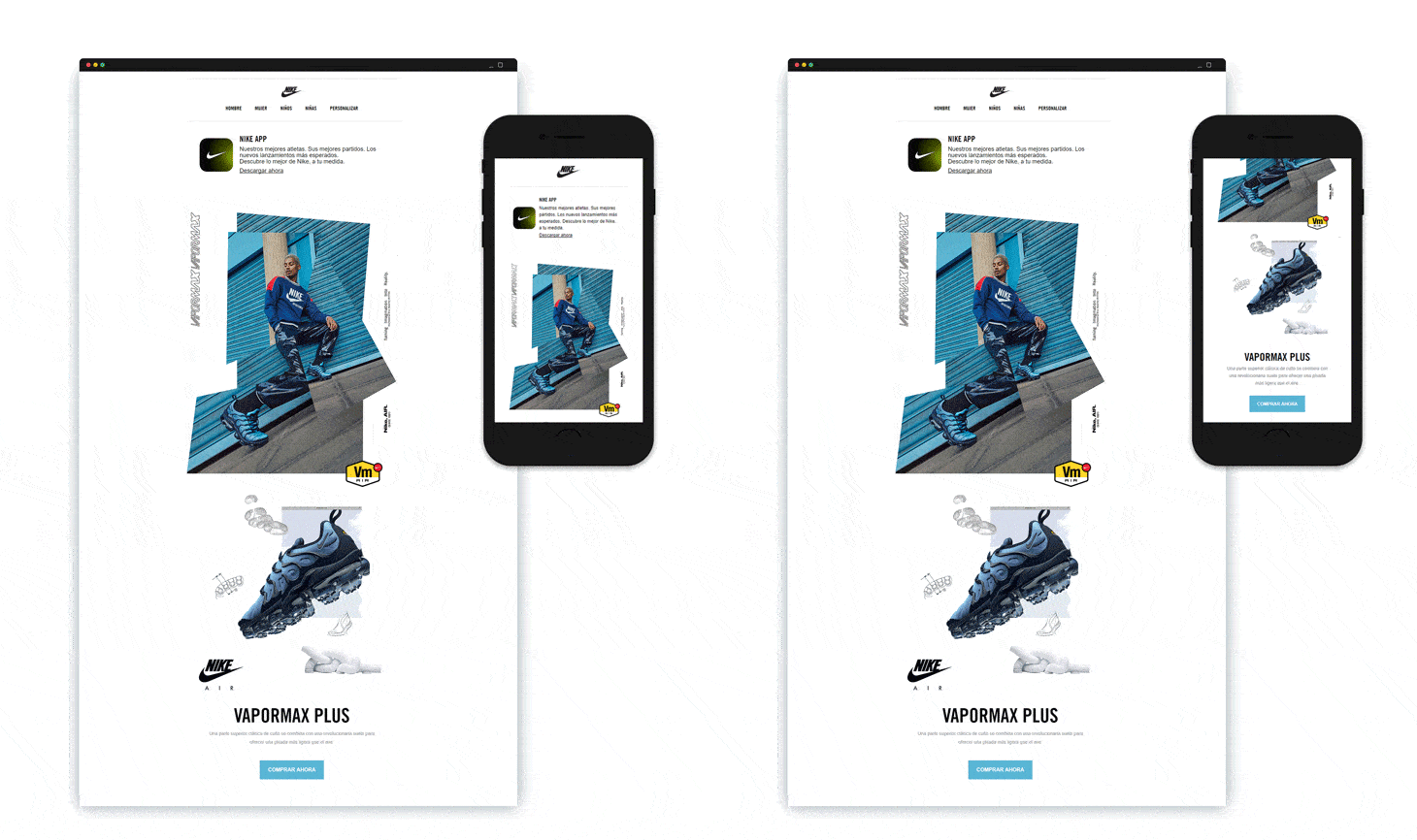
Email design in 2026 is undergoing a decisive shift towards lighter, faster, and more sustainable user experiences. Historically, heavy emails laden with oversized images or bloated HTML code have resulted in slow load times, impaired deliverability, and created friction for mobile users. The emerging best practice champions a minimalist, mobile-first approach: meticulously optimized image sizes, streamlined code, balanced text-to-image ratios, and layouts that prioritize clarity and user experience over excessive decoration.
These leaner email builds not only enhance rendering consistency across various inbox providers but also significantly reduce the environmental footprint associated with each send. This "greener" aspect is becoming an increasingly important consideration for brands committed to operating more consciously and aligning with global sustainability goals. The carbon footprint of digital communications, often overlooked, contributes to energy consumption and data storage, making efficient design a responsible choice.
Sustainability is intrinsically linked with accessibility. Lighter emails are inherently more accessible, but 2026 design trends will push further. This includes ensuring strong color contrast, providing meaningful alt-text for all images, maintaining clear content structures, and offering reliable dark-mode support. This focus is partly driven by regulations such as the European Accessibility Act (EAA), which came into effect in June 2025, mandating businesses to remove accessibility barriers in digital experiences. However, beyond compliance, these practices represent good design principles, making each message more inclusive for every subscriber, regardless of whether they use assistive technology, have low-bandwidth connections, or open emails on older devices. Cleaner design and optimized assets reduce cognitive load, ensure rapid loading times, and meet the rising expectations of both users and mailbox providers. While interactive email technologies like AMP for Email exist, their adoption remains niche, and the primary focus will be on accessible, lightweight HTML and CSS.
Action for 2026: Adopt modular design systems that promote reusability and efficiency. Ensure every element of email content is meticulously optimized for speed, accessibility, and clarity across all devices and client environments. Regular testing of email rendering and accessibility compliance will be crucial.
6. The KPIs That Matter Will Shift
The reliability of open rates as a primary performance metric has already diminished significantly due to privacy enhancements, most notably Apple’s Mail Privacy Protection (MPP). Intelligent inboxes will further accelerate this shift away from open rates. Instead, marketers are increasingly concentrating on measurable actions that genuinely reflect an email’s value, such as click-through rates (CTR), time spent reading the email, and downstream conversions. These metrics offer a more accurate representation of engagement and directly correlate with how mailbox providers evaluate sender reputation, making them vital for both performance reporting and sustained deliverability.
Another pivotal shift anticipated is the growing importance of quality-of-engagement metrics – behaviors that unequivocally demonstrate genuine subscriber satisfaction. Positive signals, including consistent engagement, safe-listing of the sender, and intentional folder movement (e.g., moving an email from promotions to the primary inbox), will carry more weight than ever. Conversely, negative signals such as rapid deletions, consistent ignore patterns, and, critically, spam complaints, can rapidly degrade a sender’s reputation and impact future deliverability.
Jonathan Campbell, VP Product Messaging at Sinch, aptly articulates this paradigm shift: "We must move away from the traditional marketing math of ‘send a million messages and hope that 10% get opened.’ This transactional view must be replaced by relationship building through valuable, prompt-based discussion." This quote encapsulates the essence of the evolving KPI landscape, emphasizing meaningful interactions over volume.
Finally, Key Performance Indicators (KPIs) directly linked to list health and infrastructure reliability are becoming paramount. Bounce rates, spam complaint ratios, email authentication pass rates (SPF/DKIM/DMARC), and domain-level reputation data are no longer relegated to technical afterthoughts; they are now recognized as core business indicators. Advanced senders are integrating new diagnostic KPIs such as inbox placement rates, proactive blocklist monitoring, and segmentation-level engagement performance to gain a more holistic and granular understanding of how mailbox providers perceive their email programs.
Action for 2026: Reconstruct reporting dashboards to prioritize actionable engagement metrics. Modern email success is defined not merely by who opens an email, but by who takes meaningful action and subsequently returns. Focus on metrics that demonstrate customer loyalty and value.
7. Ethical Data Use and Transparent Consent Define Brand Reputation
In the increasingly saturated and often suspicious environment of today’s inboxes, earning and retaining subscriber trust is more challenging than ever. Audiences are on high alert, constantly bombarded by sophisticated spam and phishing attempts. This heightened caution means that even legitimate marketing emails are frequently met with initial skepticism. Indeed, Mailjet’s research reveals a significant challenge: 53% of consumers have received a legitimate email from a brand that they initially perceived as fraudulent. This widespread mistrust poses a substantial obstacle to both deliverability and engagement. If subscribers do not trust the authenticity of a message, they are unlikely to open or interact with it.
By 2026, the most successful email programs will be those that actively make trust visible and transparent. The focus will evolve from merely reaching the inbox to unequivocally proving one’s right to be there. This necessitates mastering two crucial elements: ensuring every email is visibly authentic and guaranteeing that the entire customer journey is secure, private, and seamless.
Firstly, brands will need to provide instant, visual proof of their email’s legitimacy. For email marketers and senders, this extends beyond a recognizable "From" name to embracing sender authentication technologies that offer a tangible, visual impact. This is precisely where BIMI (Brand Indicators for Message Identification), built upon the foundational enforcement of DMARC, becomes indispensable. BIMI enables brands to display their official, verified logo directly alongside their message in the subscriber’s inbox. This acts as a powerful, immediate visual cue – a verified checkmark – that distinguishes legitimate brand communications from potential fakes. It is the most impactful way to show, rather than merely state, that a message is authentic and trustworthy. The process of obtaining a Verified Mark Certificate (VMC) for BIMI adds an additional layer of security and verification, reinforcing brand identity.
Secondly, ethical data use and transparent consent practices will become non-negotiable pillars of brand reputation. With the proliferation of data privacy regulations globally (such as GDPR, CCPA, LGPD, etc.), consumers are more aware and protective of their personal information. Brands must demonstrate unwavering commitment to collecting, storing, and using data responsibly. This includes clear, unambiguous consent mechanisms, easy-to-understand privacy policies, and robust data governance frameworks. A brand’s reputation will be increasingly intertwined with its perceived integrity in handling customer data. Trust, once lost, is incredibly difficult to regain, making transparent data practices a critical component of customer loyalty and long-term brand equity.
Action for 2026: Position your email program as a benchmark for privacy, transparency, and respect for subscriber data. Proactive adoption of visible trust signals like BIMI and rigorous adherence to data protection principles will yield significant dividends in both deliverability and customer loyalty.
What’s Next in 2026?
The accelerating pace of change in email marketing can feel overwhelming, with continuous adaptations required for new technologies, evolving regulations, and dynamic subscriber expectations. However, success in this environment does not demand an immediate, complete overhaul. Instead, the most effective email programs in 2026 will be characterized by continuous testing, thoughtful experimentation, and a persistent willingness to innovate.
With the right tools and trusted expertise, navigating these evolving trends becomes significantly more manageable. Sinch Mailjet’s collaborative, creator-friendly platform is specifically designed to empower marketers to operate faster and smarter. From constructing accessible, high-impact templates to responsibly managing audience data and optimizing performance with clarity, Mailjet’s tools streamline the process. Whether the goal is to enhance deliverability, integrate AI-powered workflows, or scale omnichannel customer journeys, these platforms facilitate the creation of campaigns that truly resonate and reliably reach the intended inbox.
The Sinch Mailjet team is deeply committed to supporting senders through the complexities of the evolving email landscape. By exploring their blog, delving into available resources, and subscribing to their newsletter, marketers can stay informed and ahead of the critical insights shaping the future of email communication. The journey ahead requires adaptability, strategic foresight, and a steadfast commitment to delivering value and trust in every interaction.