admin
admin
In the dynamic realm of digital marketing, the bedrock of successful strategies, particularly in Search Engine Optimization (SEO), lies in the unwavering power of data. As business owners and marketing professionals, relying on intuition alone is a perilous gamble that can lead to significant financial losses. Conversely, decisions grounded in solid data, validated through rigorous testing, have the potential to fundamentally transform a business’s trajectory, driving unprecedented growth. This principle underpins the critical practice of SEO A/B testing, a methodical approach to refining online presence by isolating variables and measuring their impact on organic search performance.
SEO A/B testing, in essence, is the process of systematically altering specific elements of a webpage—such as title tags, meta descriptions, or content structure—in isolation. The objective is to quantitatively assess how these changes influence a website’s organic search traffic. This iterative methodology allows marketers to discern which strategies are yielding positive results and which are falling short, thereby optimizing their SEO efforts. While Google’s algorithm remains a complex and evolving entity, and its updates are frequent, SEO A/B testing, when implemented within a robust framework with precise tracking, can be an invaluable asset. It offers a tangible pathway to increasing website traffic, enhancing conversion rates, and ultimately, boosting revenue. This article delves into five straightforward yet conclusive SEO A/B tests that businesses can implement immediately to elevate their online visibility and attract a greater volume of targeted visitors.
Understanding the Mechanics of SEO A/B Testing
At its core, SEO A/B testing is a scientific method applied to digital marketing. It involves presenting two versions of a webpage, A (the control) and B (the variant), to different segments of your audience simultaneously. The goal is to determine which version performs better against predefined key performance indicators (KPIs), most commonly organic search traffic, click-through rates (CTR), and conversion rates. This controlled experimentation is crucial because it isolates the impact of a single change, removing the ambiguity that often surrounds the effectiveness of various SEO tactics.

The inherent challenge in SEO A/B testing lies in the nature of search engine algorithms. Google’s constant refinement of its ranking factors and the sheer volume of data it processes mean that results are not always immediate. Furthermore, external factors such as seasonality, competitor activity, and algorithm updates can introduce noise into the data. However, with careful planning, execution, and analysis, SEO A/B testing can provide profound insights into what resonates with both search engines and users. It moves beyond theoretical best practices to uncover what truly drives superior rankings and increased traffic for a specific website.
Five Essential SEO A/B Tests for Immediate Implementation
While general SEO knowledge provides a valuable foundation, these five A/B tests offer a practical pathway to uncovering unique performance drivers for your website. They bridge the gap between theory and tangible results, empowering businesses to make data-backed decisions that directly impact their bottom line.
1. Title Tag Variation: The First Impression Matters
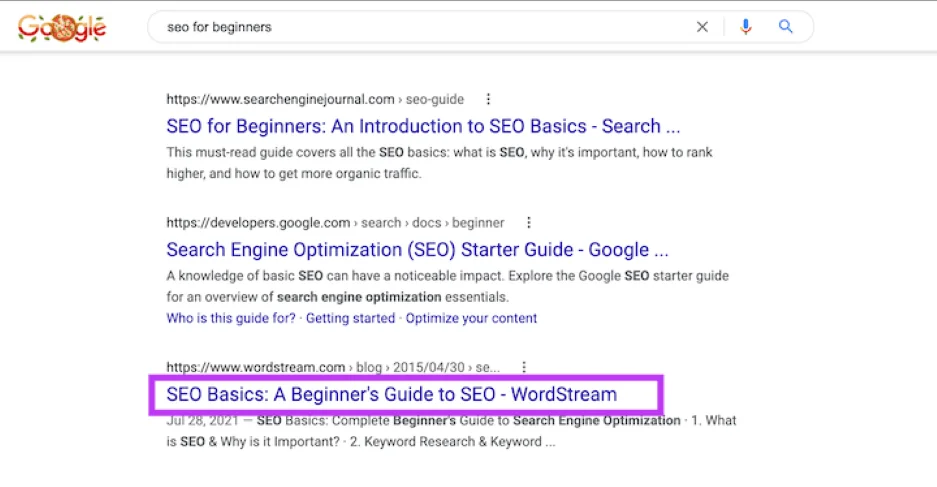
The title tag is arguably the most critical on-page SEO element, serving as the primary headline in search engine results pages (SERPs). Its influence on CTR is profound; a compelling title can entice users to click, while a lackluster one can deter them, even if the page ranks highly. Recent studies have underscored the significant impact of title tags on user engagement. For instance, analysis of millions of Google search results has indicated a strong correlation between the position of a page in the SERPs and its CTR. While pages ranking lower naturally receive fewer clicks due to their placement, an unengaging title tag can drastically diminish CTR, irrespective of rank. Conversely, a well-crafted title can act as a powerful differentiator, nudging users to select your page over competitors, thereby driving traffic through both improved ranking and superior click-through performance.
Implementing a Title Tag A/B Test:
To conduct an effective title tag A/B test, the following steps are recommended:
- Group Selection: Identify a cohort of semantically related pages that receive sufficient organic traffic to yield statistically significant results. This could include product pages, blog posts, category pages, or pillar pages. The key is to select pages with similar content themes and user intent.
- Statistical Grouping: Divide these selected pages into two statistically similar groups: a control group (Group A) and a variant group (Group B). Ensure both groups have comparable traffic volumes, keyword rankings, and historical performance to minimize confounding variables.
- Title Tag Variation: The core of this test involves modifying only the title tags for the pages in the variant group. For example, if the control group’s title tag for a specific product page is "Blue Widget – [Your Brand Name]," the variant group’s title might be tested with variations like "Shop Durable Blue Widgets Online | Best Price – [Your Brand Name]" or "Introducing the Revolutionary Blue Widget: Solve [Problem] Today – [Your Brand Name]." The new title should continue to target the primary keyword while aiming for increased clarity, benefit-driven language, or a sense of urgency.
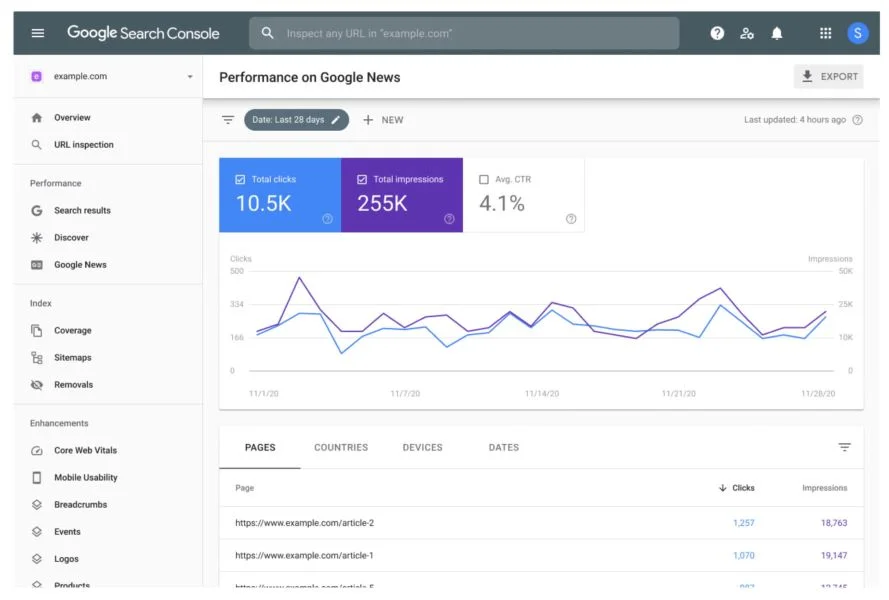
- Performance Measurement: Allow a minimum of two to four weeks for data collection. SEO performance improvements take time to materialize. The primary metrics to monitor are CTR, impressions, and clicks, which can be effectively tracked using Google Search Console. While GA4 provides valuable post-click data, Search Console is the definitive source for pre-click metrics that directly reflect title tag effectiveness.
- Iteration and Analysis: Compare the CTR and click data between the control and variant groups. Analyze which title tag variations resonated most effectively. Consider potential influencing factors such as seasonality, changes in search volume, or fluctuations in rankings. Based on these insights, decide whether to roll out successful title tag strategies to other relevant pages on your website. It’s important to note that Google occasionally rewrites title tags, which can introduce minor discrepancies in test data.
2. AI Overview Content Optimization: Navigating the New SERP Landscape
The advent of Google’s AI Overviews (formerly AI-Generated Experiences) has fundamentally altered the search engine results page (SERP). These AI-powered summaries synthesize information from multiple sources to provide direct answers at the top of the page, often bypassing traditional organic listings. This presents both a challenge and an opportunity for businesses. Without optimization for AI Overviews, websites risk losing visibility, even for top-ranking positions. However, strategic optimization can lead to immense exposure at the apex of the SERP, with the potential to capture clicks directly from the summary.
Implementing an AI Overview Content Optimization Test:
To adapt to this evolving landscape, businesses can conduct the following test:
- Page and Query Set Selection: Begin by selecting a group of pages that target similar search intents and have relatively stable organic traffic and rankings within the top 20. Similar to the title tag test, divide these pages into a control group and a variant group, aiming for at least 20-30 URLs in each for robust data.
- Structured Content Enhancements (Variant Group): For the variant group, implement specific content modifications designed to appeal to AI Overviews. This includes:
- Clear, Concise Answers: Ensure the content directly addresses common questions related to the target keywords.
- Structured Data: Implement relevant schema markup (e.g., FAQ schema, How-to schema) to help Google understand the content’s structure and intent.
- Numbered or Bulleted Lists: Organize information into easily digestible lists.
- Key Facts and Statistics: Incorporate verifiable data points.
- Expert Quotes or Citations: Add credibility through authoritative endorsements.
- Performance Monitoring: Utilize Google Search Console to monitor key metrics. Specifically, observe whether the variant group pages are appearing more frequently in AI Overviews. Track improvements in CTR compared to the control group and note any significant shifts in rankings or overall traffic. Given the widespread integration of AI Overviews, this test can yield substantial returns by ensuring your content is discoverable in this prominent new SERP feature.
3. Internal Link Placement: Building Topical Authority from Within
While external links often garner attention for their role in building domain authority, internal links are frequently overlooked, yet they are indispensable for establishing topical authority and achieving strong search rankings. A well-structured internal linking strategy, utilizing relevant anchor text, guides both users and search engine crawlers through your website’s content, reinforcing thematic relevance. The absence of such a strategy can hinder your ability to dominate specific subject areas in search results.
Implementing an Internal Link Placement Test:
The methodology for testing internal link placement mirrors previous A/B tests:
- Group Formation: Assemble a group of pages with consistent traffic and ranking profiles and divide them into control and variant groups.
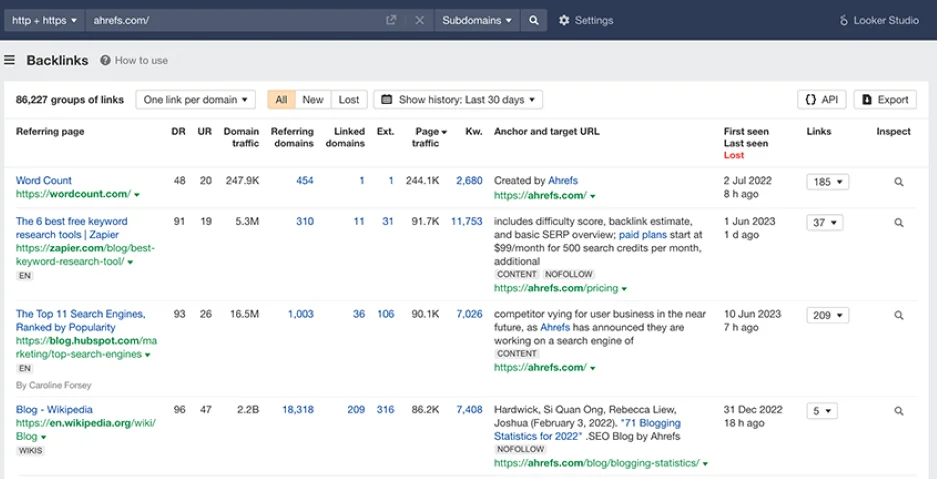
- Strategic Linking (Variant Group): For the variant group, strategically add internal links pointing to these pages from high-authority or contextually relevant pages on your website. Identifying high-authority pages can be achieved by sorting your site’s pages by their Domain Rating (DR) or URL Rating (UR) using SEO tools like Ahrefs or SEMrush. Aim to incorporate three to five new internal links per variant page.
- Anchor Text Optimization: Ensure the anchor text used for these internal links is keyword-rich and sounds natural within the context of the linking content. This provides clear signals to search engines about the linked page’s topic.
- Timing and Measurement: After implementing the links, wait another two to four weeks. Monitor changes in rankings and click-through rates for the variant pages. A noticeable improvement suggests that the strategic placement and optimization of internal links have positively impacted your site’s authority and visibility for those topics.
4. Content Length and Depth: The Nuances of Comprehensive Information
Search engines prioritize relevance and completeness, but longer content is not inherently superior. However, in-depth, comprehensive content often correlates with higher rankings because it tends to be more authoritative and valuable to the user. Google’s emphasis on quality and credibility means that pages offering a thorough exploration of a topic are more likely to be rewarded. Identifying pages with thin content or areas where more depth could be beneficial presents a prime opportunity for an A/B test.

Implementing a Content Length and Depth Test:
This test focuses on enhancing the informational value of your pages:
- Page Selection: Choose a set of evergreen blog posts that are currently on the shorter side in terms of word count (e.g., under 1,500 words). If your site already features robust content, consider this test for further optimization.
- Content Expansion (Variant Group): In the variant group, expand the content by adding elements such as Frequently Asked Questions (FAQs), relevant visuals (infographics, charts, images), and expert quotes. Introduce new sections that target ancillary keywords with search volume. Incorporate data visualizations, statistics, and any other elements that can enhance user engagement and provide a more complete picture of the topic. The overarching principle is to elevate the quality and comprehensiveness of the content.
- Analysis Period: After a two to four-week waiting period, monitor impressions and clicks in Google Search Console. An increase in these metrics for the enhanced content suggests that providing greater depth and quality has a positive impact on your site’s performance.
5. Schema Markup Implementation: Enhancing Search Visibility with Structured Data
Schema markup, or structured data, is a technical SEO element that can significantly boost a website’s visibility and CTR in SERPs by enabling rich results. While often perceived as complex, its implementation can unlock advanced search features like star ratings, recipe cards, and FAQ dropdowns, making your listings more prominent and informative.
Implementing a Schema Markup A/B Test:
- Page Suitability: Select a group of pages that would benefit from schema markup and are structurally sound enough to support it. This includes product pages, how-to guides, service pages, and recipes.
- Schema Type Identification: Determine the most appropriate schema types for your chosen pages from schema.org. Common types include Product, FAQPage, HowTo, Article, and LocalBusiness.
- Implementation Methods: Schema markup can be implemented in several ways:
- Manual JSON-LD: The most flexible method involves creating markup in JSON-LD format and embedding it in the
<head>or<body>of the page. - CMS Plugins: For platforms like WordPress, plugins such as Yoast SEO, Rank Math, or Schema Pro simplify schema implementation. Shopify offers theme modifications or apps like Smart SEO. Wix and Squarespace provide limited built-in support but allow custom code blocks.
- Google Tag Manager (GTM): For larger websites or teams with limited development resources, schema can be added via an HTML tag in GTM, set to fire across relevant pages.
- Manual JSON-LD: The most flexible method involves creating markup in JSON-LD format and embedding it in the
- Result Monitoring: Assess the impact by monitoring standard Search Console metrics. Crucially, observe whether Google begins displaying rich features associated with your schema markup directly in the SERPs and if there’s a corresponding spike in CTR due to these enhancements.
Turning Insights into Traffic Through Data-Driven SEO
SEO A/B testing is not an exclusive strategy for enterprise-level organizations; it is an exceptionally effective method for small and medium-sized businesses (SMBs) to grow their organic traffic with confidence. By systematically testing elements like title tags, internal linking strategies, content depth, and schema markup, businesses can pinpoint precisely what drives performance for their unique online presence. More importantly, these tests empower data-informed decision-making, moving away from subjective opinions and towards quantifiable results.
Initiating with a single test, meticulously monitoring its outcomes, and iterating based on observed successes is a proven approach. This disciplined methodology ensures that marketing investments are aligned with what demonstrably works, leading to sustained and scalable growth in organic traffic and ultimately, business success. The journey to optimizing SEO performance is ongoing, and embracing data-driven experimentation is the most reliable path forward.