admin
admin
The integration of Artificial Intelligence (AI) into content creation workflows presents a paradigm shift for businesses, promising increased efficiency and scalability. However, a common pitfall emerges: AI tools, unlike human team members who naturally absorb a brand’s personality through immersion, require explicit and detailed guidance. Simply prompting an AI with a generic request like "write in a conversational tone" falls short, often resulting in bland, overly formal, or inaccurate outputs. The solution lies in developing a bespoke brand voice and tone guide specifically engineered for AI interaction. This comprehensive document acts as an AI’s cheat sheet, meticulously outlining brand voice, preferred terminology, and desired content sentiment, thereby significantly reducing post-generation editing time and elevating content quality.
The Genesis of AI-Specific Brand Guidelines
Many organizations possess existing brand style guides, often compiled for human designers and marketers. These typically encompass logo specifications, color palettes, and rudimentary notes on brand voice. While adequate for human interpretation, these guides lack the granular detail and explicit instruction that AI algorithms demand. A human writer can infer nuance from "our tone is friendly and approachable," translating it into shorter sentences, contractions, and occasional humor. An AI, however, processes such instructions literally, defaulting to its pre-programmed patterns, which frequently lean towards generic and uninspired language, often incorporating phrases like "in today’s digital landscape."
The critical difference is the AI’s inability to grasp implicit context or infer meaning. To bridge this gap, an AI-ready brand voice guide must be more specific, example-driven, and actionable. Instead of abstract descriptions, it needs to visually and textually demonstrate what constitutes on-brand and off-brand content. The proposed solution is a "voice and tone snapshot"—a distilled, two-to-three-page document that hones in on the most critical, implementable elements of a comprehensive brand guide. This focused document becomes the indispensable reference for every AI writing session, enabling the rapid generation of high-quality blog posts, emails, social media updates, and other marketing collateral.
Deconstructing the AI Brand Voice Guide: Key Components
Developing an effective AI brand voice guide necessitates a structured approach, focusing on actionable elements that AI can readily process. The following sections outline the essential components, enriched with practical examples to facilitate their implementation.

1. Core Voice Attributes with Precise Definitions
Adjectives alone are insufficient for AI. Each voice attribute must be meticulously defined to provide concrete operational parameters. Instead of stating "our voice is conversational," a more effective instruction would be: "Conversational means we write as if explaining a concept to a trusted friend over coffee, employing clear language and avoiding the formality of a corporate presentation." Similarly, "Authoritative" should be defined as "Authoritative means we substantiate claims with specific data, research, and real-world examples, rather than relying on vague assertions." This detailed definition equips the AI with a clear mental model, contrasting with the ambiguity of simple adjectives.
2. Articulating Your Brand’s Personality Through Personification
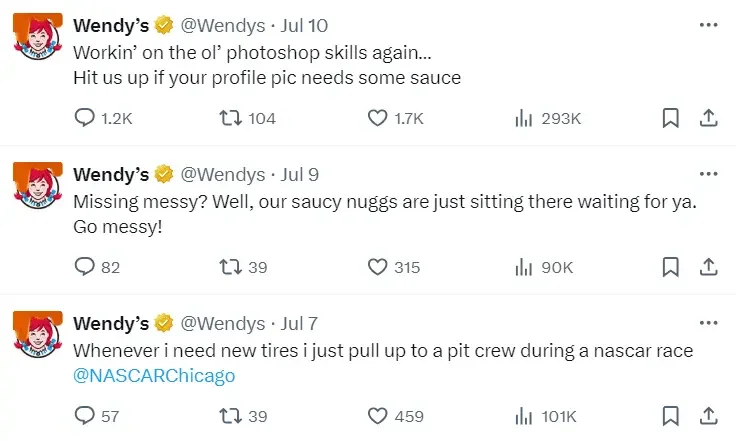
Assigning a human persona to a brand can be a powerful tool for AI training. This exercise, often seen as a subjective branding practice, provides AI with a consistent framework for word choice, humor, and formality. Consider Wendy’s iconic use of a playful, slang-infused Twitter persona. This consistent voice across platforms creates a recognizable brand personality that is fun, approachable, and laid-back.
For a neighborhood bakery, the persona might be: "We are the enthusiastic friend who has just pulled a perfect sourdough loaf from the oven and is eager to share the joy. We are warm, passionate about our craft, and decidedly unpretentious." For an accounting firm, it could be: "We are the calm, reassuring advisor who demystifies complex tax regulations, making them feel manageable. We communicate with clarity, offer reassurance, and respect our clients’ time." This personification helps the AI understand the emotional and stylistic underpinnings of the brand.
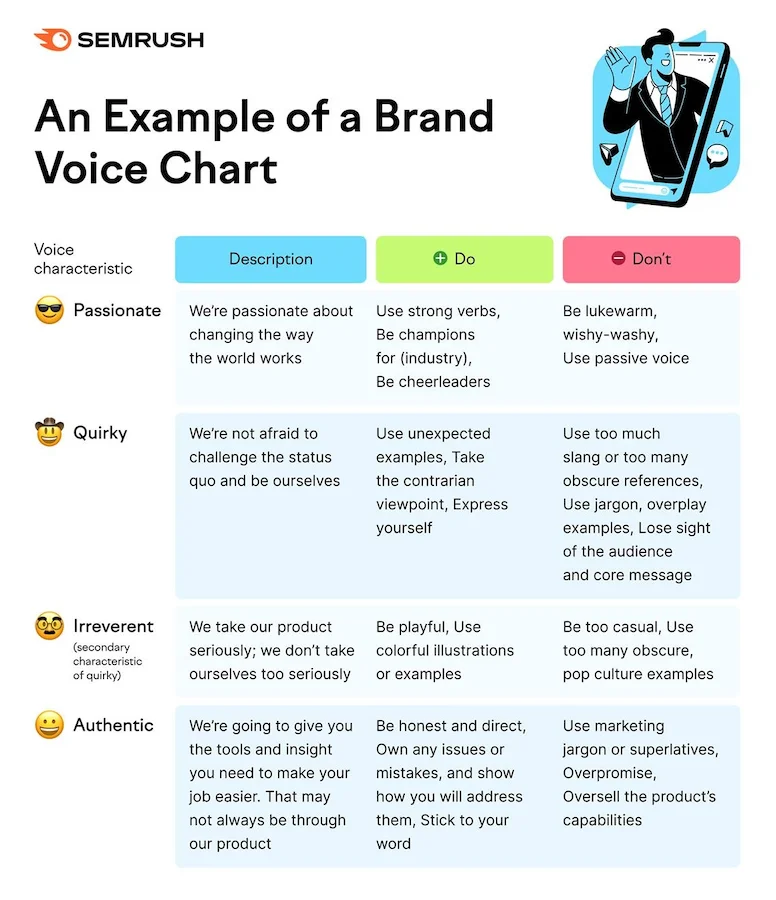
3. The Power of "Do This, Not That" Examples
This section is arguably the most crucial for effective AI training. AI learns optimally from direct comparisons, enabling it to discern the difference between on-brand and off-brand communication. This involves creating explicit contrasts:
-
On-Brand Examples:
- "We use active voice predominantly, making our content direct and engaging."
- "We incorporate industry-specific terminology where it adds clarity and value for our expert audience."
- "Our calls to action are clear, benefit-driven, and placed strategically to guide the reader."
-
Off-Brand Examples:
- "Avoid passive voice; it often makes sentences wordy and less impactful."
- "Refrain from using overly technical jargon that might alienate a broader audience, unless specifically explaining a concept."
- "Generic calls to action like ‘Learn More’ are less effective than ‘Discover Your Savings Today’."
These side-by-side comparisons provide AI with tangible benchmarks, demonstrating precisely what constitutes appropriate and inappropriate content for the brand.
4. Sentence Structure and Formatting Preferences
Subtle stylistic choices significantly impact how a brand’s voice is perceived. While humans often intuit these preferences, AI requires explicit direction. Guidelines should cover:
- Sentence Length: Preferring shorter, punchier sentences for engagement, or longer, more descriptive sentences for detailed explanations.
- Punctuation: Specifying the preferred use of em dashes versus parentheses, or the judicious use of exclamation points.
- Contractions: Encouraging the use of contractions (e.g., "it’s," "you’re") to foster a more informal and approachable tone, or advising against them for a more formal presentation.
- Formatting: Guidelines on bullet points, numbered lists, and paragraph breaks to enhance readability and visual appeal.
5. Articulating Core Themes and Points of View
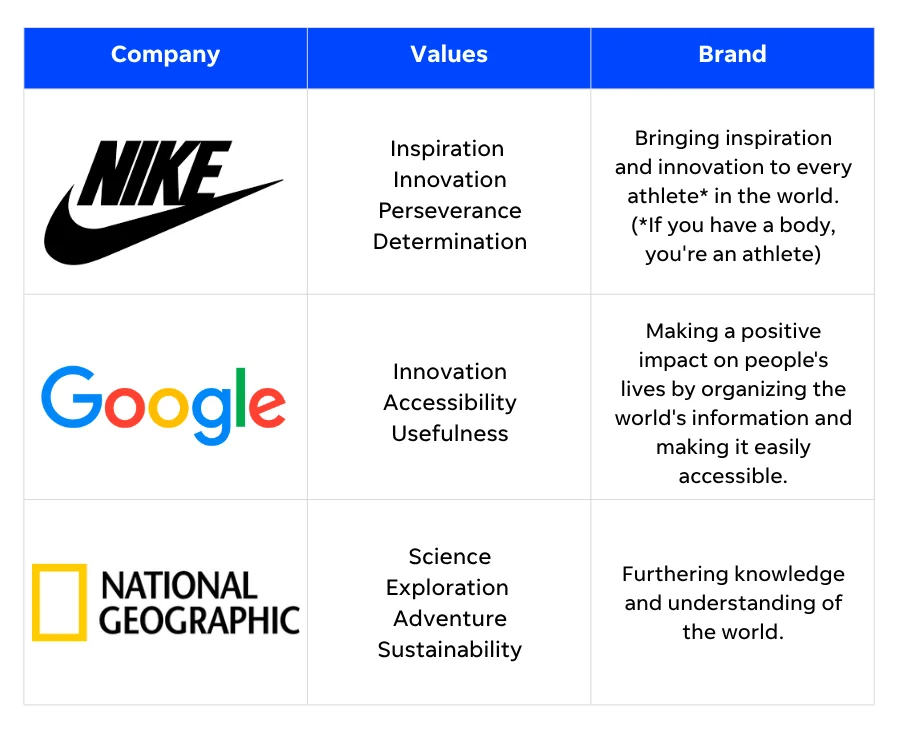
Brands often possess a set of underlying themes and beliefs that permeate their content. Documenting these provides AI with a consistent perspective, preventing the generation of wishy-washy or fence-sitting content. For instance, Nike consistently champions determination and athletic achievement, while Google emphasizes innovation and accessibility.
For a small marketing agency, these themes might be: "We believe small businesses deserve sophisticated marketing strategies akin to larger corporations," and "We champion clarity and simplicity, cutting through the noise of overly complex marketing advice." A local gym’s themes could include: "Consistency in fitness yields superior long-term results," and "Wellness should be integrated seamlessly into daily life, not imposed upon it." Highlighting industry debates where the brand takes a definitive stance further enriches the AI’s ability to write with authentic conviction.
6. Language Guidelines: Vocabulary and Jargon Management
This section addresses specific vocabulary and stylistic choices. It includes:
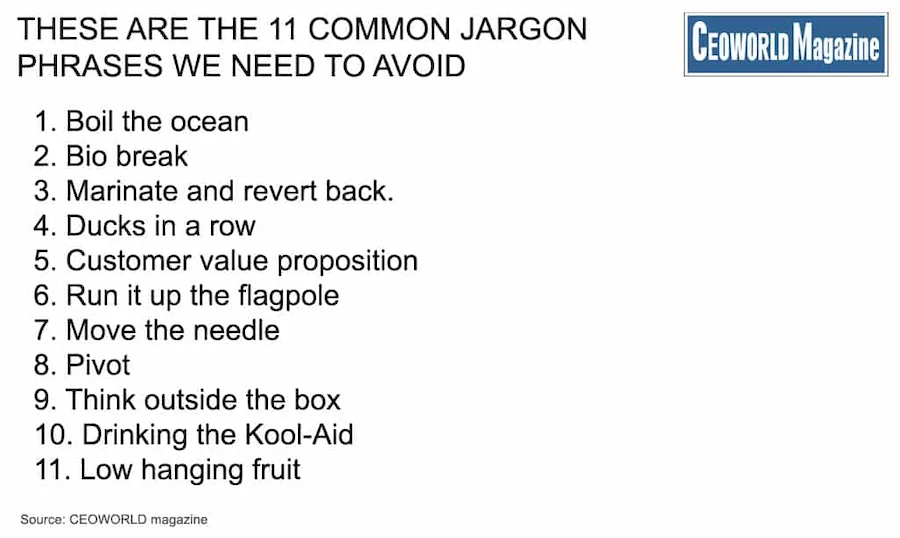
- Preferred Terminology: Specifying preferred terms (e.g., "sales representative" over "salesman") and terms to avoid (e.g., discriminatory or outdated language).
- Industry Jargon: Categorizing industry terms into three buckets:
- Always Use: Essential technical terms that are understood by the target audience.
- Use Sparingly/Explain: Terms that might be unfamiliar or require context.
- Never Use: Jargon that is exclusionary, outdated, or misleading.
This granular approach ensures linguistic consistency and avoids misinterpretations.
7. Content Structure Preferences
Defining preferred content structures enhances the effectiveness and readability of AI-generated output, particularly for formats like blog posts, emails, and landing pages. Guidelines might include:
- Introduction: Requiring a hook that clearly states the post’s value proposition.
- Body Paragraphs: Encouraging concise paragraphs with clear topic sentences.
- Headings and Subheadings: Specifying their use for scannability and logical flow.
- Conclusion: Mandating a summary of key takeaways and a clear call to action.
- Visual Elements: Guidelines on incorporating images, charts, or videos where appropriate.
8. Hard Boundaries: The "Never Do This" List
Explicitly stating non-negotiables is critical. AI tools are surprisingly adept at adhering to clearly defined prohibitions. Examples include:
- Never make unsubstantiated claims.
- Do not use overly casual slang or profanity.
- Avoid comparing our services directly to competitors without explicit approval.
- Never use scare tactics or fear-based marketing.
- Refrain from making medical or legal claims without disclaimers.
This list preempts common AI errors and ensures adherence to brand ethics and compliance standards.
9. Comprehensive Comparison Examples
The ultimate training tool involves presenting AI with full-length comparative examples. This involves crafting two to three distinct paragraphs, each clearly labeled:
- Example 1: Ideal Brand Voice: A paragraph demonstrating the desired tone, style, and messaging.
- Example 2: Less Ideal (but acceptable) Voice: A paragraph that is functionally correct but lacks the full brand resonance.
- Example 3: Off-Brand Voice: A paragraph that clearly deviates from the brand’s standards.
This direct comparison provides the AI with a powerful reference point for calibration, far more effective than abstract descriptions.
10. Audience Context: Precision in Targeting
Defining the target audience with extreme specificity is paramount. Instead of "small business owners," aim for details like: "Owners of local service-based businesses (plumbers, electricians, landscapers) with 5-25 employees. They are time-poor, skeptical of marketing hype, and seek practical, actionable advice they can implement immediately."
Furthermore, specify what the audience already knows (to avoid over-explaining basics) and what they need from the content (e.g., tactical "how-to" advice versus high-level strategy, specific tool recommendations versus general frameworks). This granular audience understanding ensures that AI-generated content resonates deeply.
Implementing the AI Brand Voice Guide: Practical Strategies
Creating the guide is the first step; effectively integrating it into AI workflows is where true value is unlocked.
Uploading and Explicit Referencing
Most advanced AI platforms allow document uploads. However, simply attaching the guide is insufficient. Explicitly instruct the AI to utilize it. A prompt like, "I have uploaded our brand voice and tone guide. Please review it thoroughly and then draft a series of social media posts about [topic], adhering strictly to the principles outlined within," significantly improves output quality.
Building a Library of Exemplary Content
Beyond the style guide, a curated library of the brand’s strongest content serves as an invaluable training resource. This collection of 10-15 pieces—blog posts, emails, social captions, landing pages—should exemplify the brand voice at its peak. Selecting content that performed well with the target audience and accurately reflects desired brand representation ensures AI learns from the best.
For brands lacking a formal guide, reverse-engineering one from top-performing content is an effective shortcut. Uploading these pieces and prompting the AI to "Analyze the voice, structure, and style of these examples, then summarize the key patterns into actionable brand voice guidelines" can yield impressive results.
Front-Loading Contextual Information
Before initiating any content generation task, provide the AI with as much relevant background as possible. This can include detailed audience profiles, analyses of competitor content to differentiate from, or proprietary internal knowledge such as customer research, case study data, or product documentation. The more specific and unique the input, the more differentiated the output will be. Generic inputs invariably lead to generic results.
Embracing the Living Document Approach
An AI brand voice guide should not be a static artifact. As brands evolve, audiences shift, and insights into AI tool performance are gained, the guide must adapt. Regular maintenance is key:
- Periodic Reviews: Schedule quarterly or bi-annual reviews to update definitions, add new examples, and refine existing sections based on emerging best practices and brand shifts.
- Feedback Loops: Establish a process for collecting feedback from teams using AI-generated content to identify areas for improvement in the guide.
- Content Performance Analysis: Analyze the performance of AI-generated content. If certain styles or phrases are consistently underperforming or require extensive editing, update the guide accordingly.
The Bottom Line: Specificity is the Cornerstone of Effective AI Content
AI writing tools offer significant utility, capable of producing robust content with minimal post-generation refinement. However, their effectiveness is directly proportional to the context they receive. The fundamental principle for achieving AI-generated content that authentically reflects a brand’s voice lies in specificity. Rather than a vague directive like "be conversational," the AI needs to be shown precisely what "conversational" entails for that specific brand, supported by tangible examples. Defining abstract adjectives through practical application, such as illustrating what "authoritative" means in terms of evidence and language, transforms AI output from generic to genuinely branded.
The initial investment in creating a comprehensive AI brand voice guide yields substantial returns. Every blog post, email, social media update, and landing page produced with AI tools will benefit from this foundational guidance, leading to demonstrably higher quality content and a significant reduction in editing time.
AI Brand Guidelines Checklist: A Practical Framework
To facilitate the creation of an AI-ready brand voice guide, the following checklist encapsulates the essential elements:
- [ ] Core Voice Attributes Defined: Each adjective is accompanied by a clear, operational definition.
- [ ] Brand Persona Articulated: A relatable human persona is described.
- [ ] "Do This, Not That" Examples: Concrete comparisons illustrating on-brand vs. off-brand content.
- [ ] Sentence Structure and Formatting Preferences: Clear guidelines on length, punctuation, contractions, and formatting.
- [ ] Key Themes and Points of View: Documented core beliefs and perspectives.
- [ ] Language Guidelines: Preferred terminology, vocabulary, and jargon management.
- [ ] Content Structure Preferences: Defined structures for various content formats.
- [ ] Hard Boundaries ("Never Do This" List): Explicit prohibitions for AI.
- [ ] Full Comparison Examples: Two to three complete paragraphs showcasing ideal, acceptable, and off-brand styles.
- [ ] Precise Audience Context: Detailed descriptions of target demographics, knowledge levels, and needs.
Maximizing AI’s Potential with a Tailored Brand Guideline
The dedication invested in developing a robust AI brand voice guide directly translates into a more efficient and effective content creation process. By providing AI tools with the precise context they need, businesses can ensure that generated content authentically represents their brand, rather than forcing the brand to conform to generic AI outputs. The ultimate goal is to harness AI’s power to serve the brand’s unique identity and objectives, transforming it from a potential source of frustration into a potent strategic asset.