admin
admin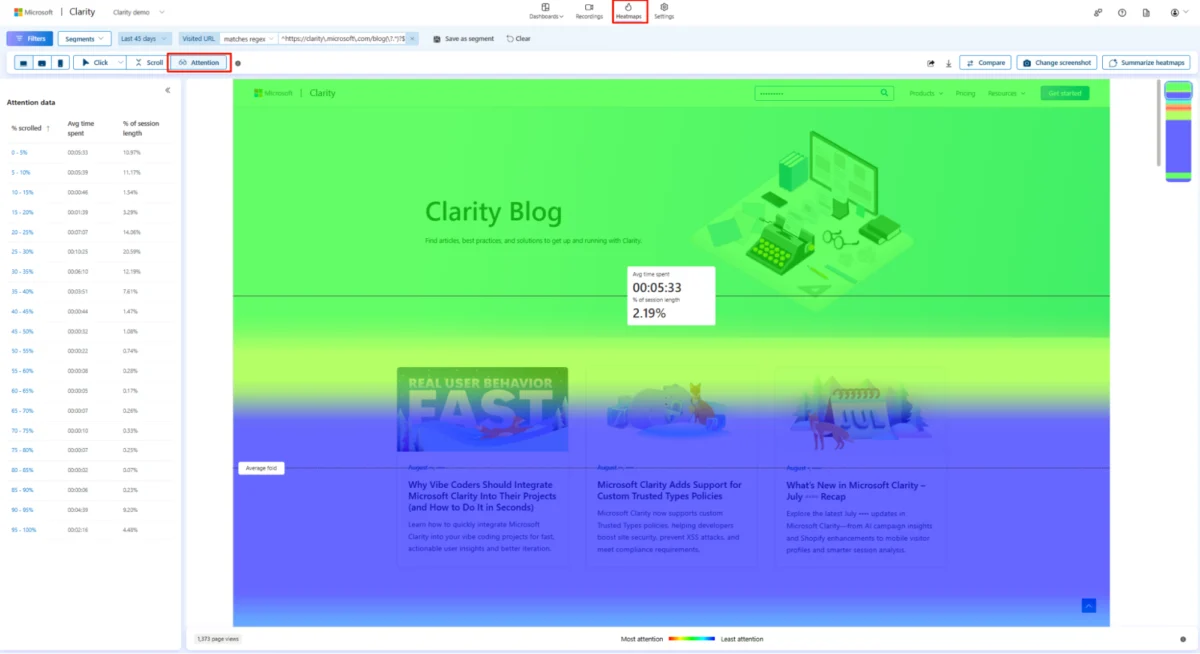
The global digital economy has reached a critical juncture where user experience (UX) is no longer a secondary consideration but a primary driver of revenue and brand loyalty. As organizations increasingly prioritize conversion rate optimization (CRO), the market for behavioral analytics tools has bifurcated into two distinct philosophies: the all-in-one actionable platform and the high-volume free diagnostic tool. This evolution is best exemplified by the ongoing competition between Crazy Egg, a pioneer in the visual analytics space, and Microsoft Clarity, a powerful disruptive force backed by the infrastructure of a global tech giant. Understanding the nuances between these two platforms is essential for digital marketers, product managers, and developers seeking to bridge the gap between seeing user behavior and influencing it.
The Evolution of Behavioral Analytics: A Historical Context
To understand the current state of Crazy Egg and Microsoft Clarity, one must look at the timeline of the visual analytics industry. Crazy Egg was founded in 2005 by Hiten Shah and Neil Patel, emerging at a time when web analytics were largely restricted to the tabular data provided by early iterations of Google Analytics. Crazy Egg introduced the "Confetti" map, a revolutionary way to segment click data that allowed marketers to see not just where users clicked, but who those users were based on referral source, device, and other variables.
For fifteen years, Crazy Egg dominated the mid-market and enterprise sectors by expanding its feature set to include A/B testing and surveys. However, the landscape shifted in late 2020 when Microsoft launched Clarity. Microsoft’s entry into the market was disruptive because it offered unlimited session recordings and heatmaps entirely for free, without the sampling limitations typical of "freemium" models. This move forced a re-evaluation of the value proposition for paid UX tools, pushing established players like Crazy Egg to innovate beyond simple data visualization and into the realm of integrated conversion workflows.
Technical Breakdown: Heatmapping and Data Segmentation
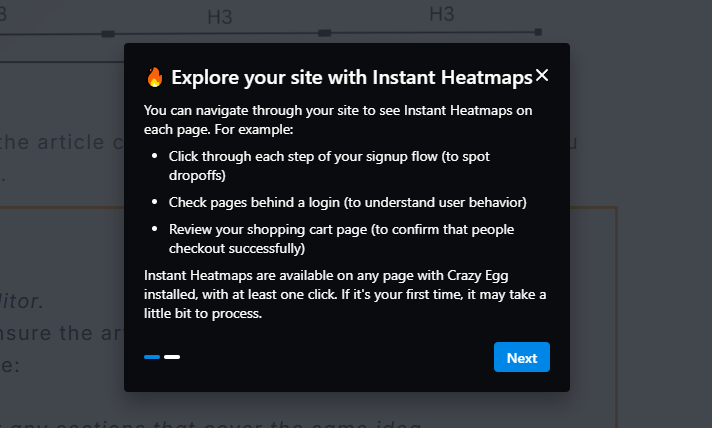
At the core of both platforms is the heatmap, a visual representation of user engagement. While both tools offer five distinct map types, the underlying utility varies significantly based on the user’s need for data granularity.
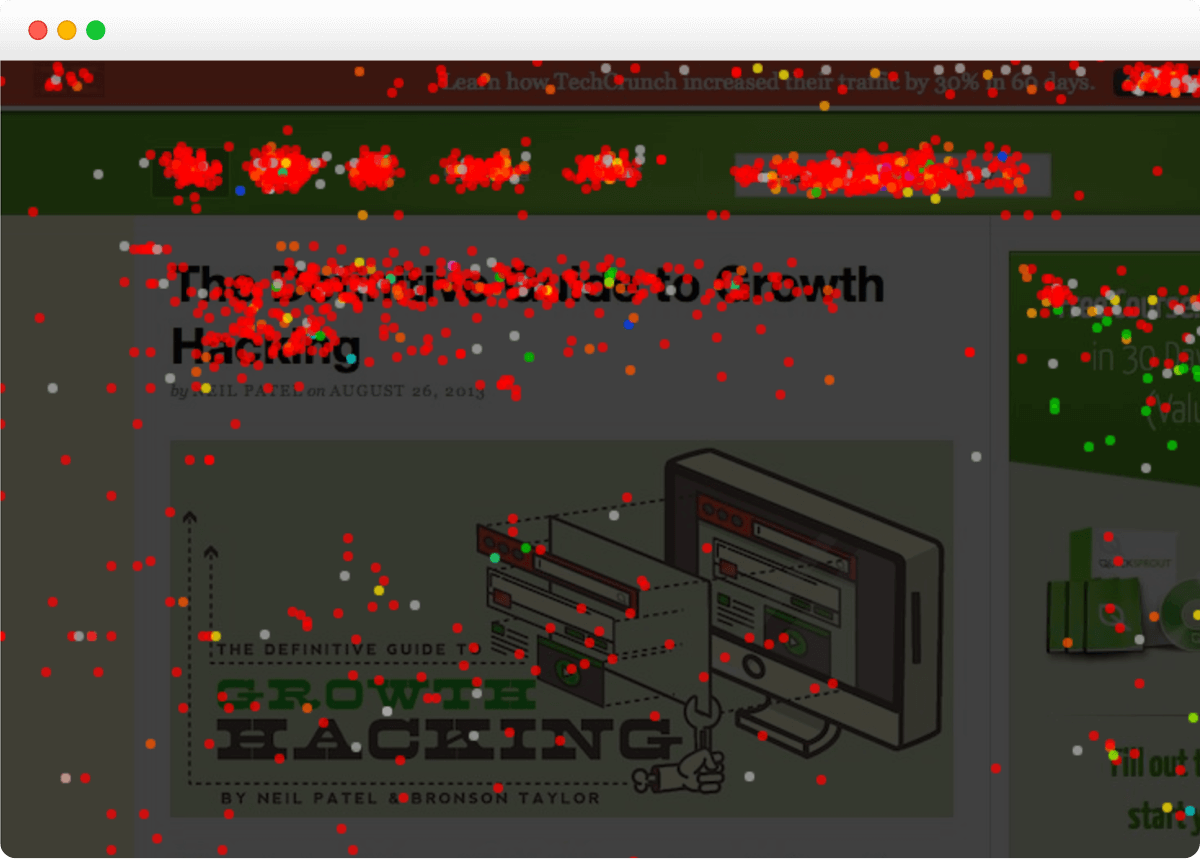
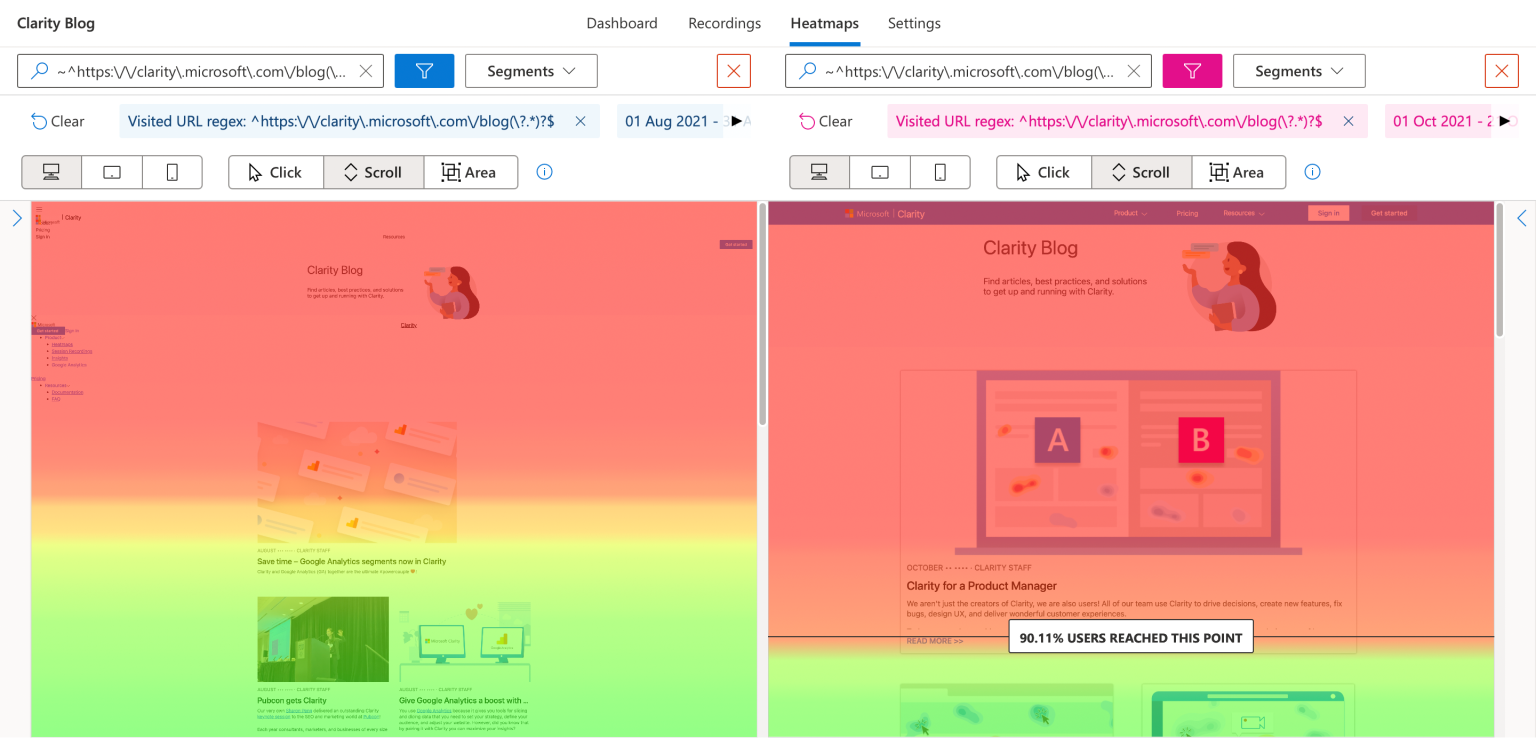
Crazy Egg’s technical edge lies in its proprietary Confetti Map. Unlike standard heatmaps that show aggregate "hot spots," the Confetti Map allows users to filter every individual click by over 20 variables on a single view. For instance, a marketing manager can distinguish between clicks generated by a specific Facebook campaign versus organic search traffic without leaving the heatmap interface. This level of segmentation is critical for identifying "high-intent" behaviors that lead to conversions.
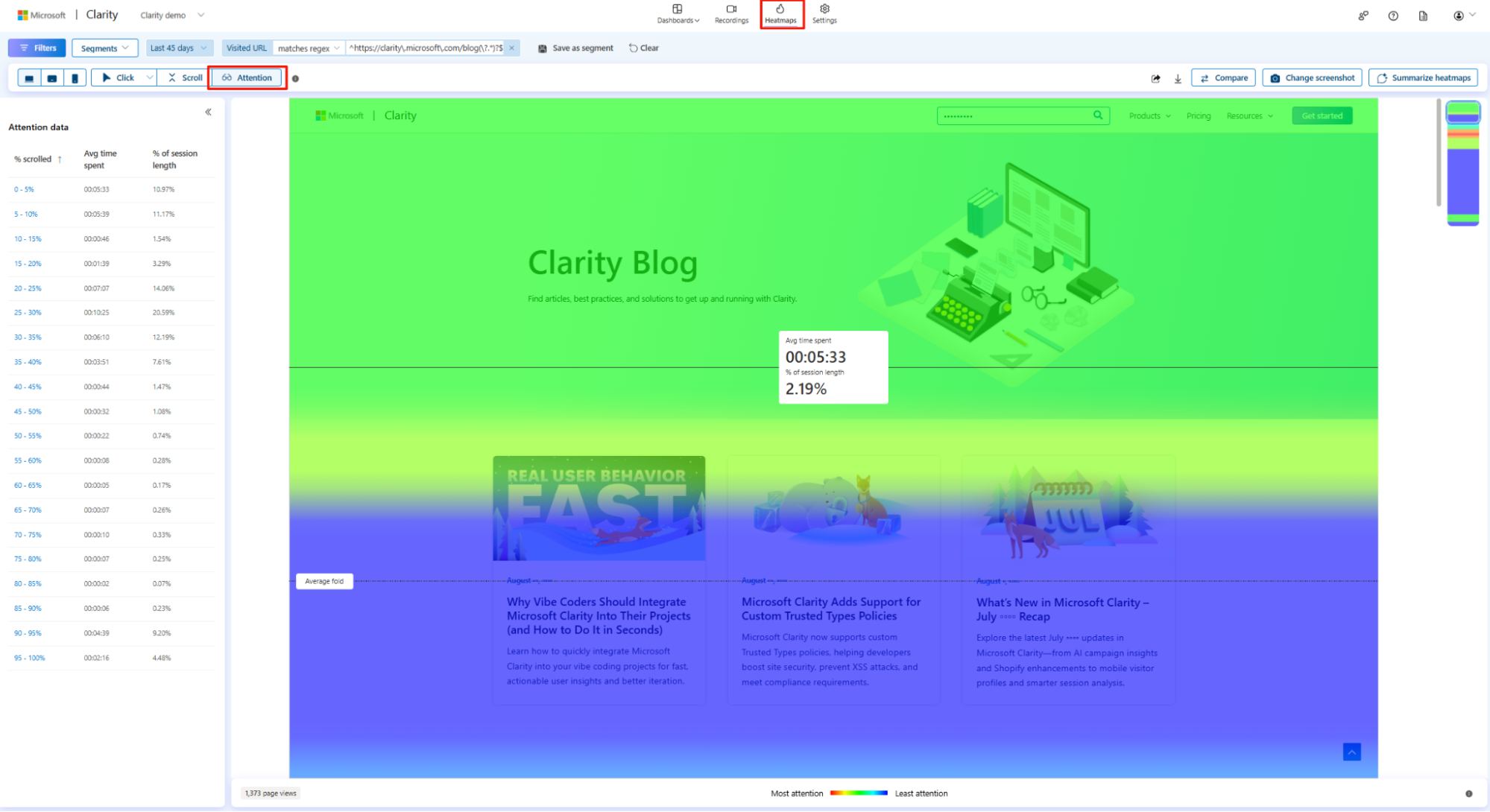
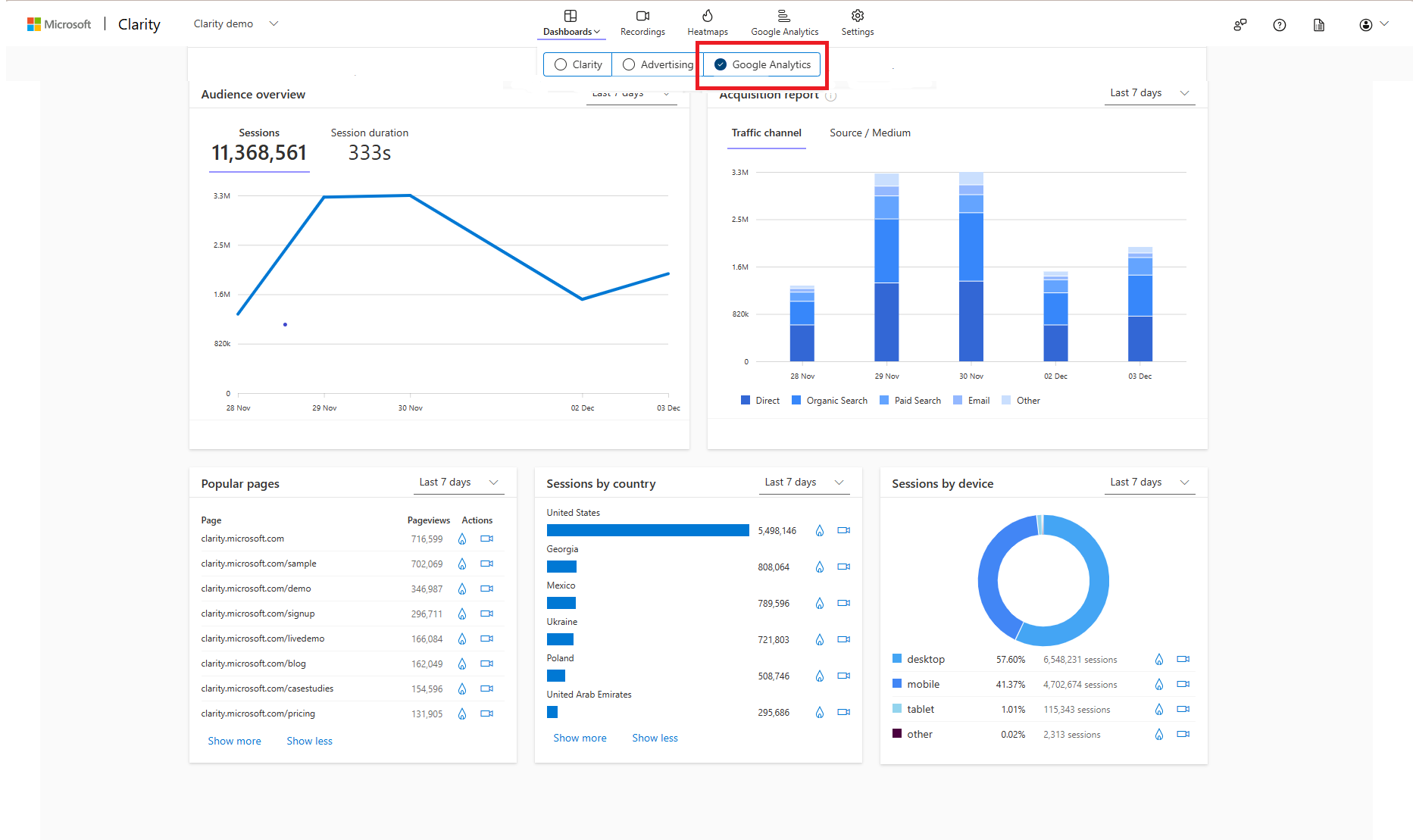
Microsoft Clarity, conversely, focuses on "Attention Maps" and "Engagement Depth." While it lacks the per-click segmentation of the Confetti Map, it excels at showing how far users scroll and where they spend the most time. Clarity’s integration with Google Analytics 4 (GA4) allows users to import segments directly, though the analysis remains largely aggregate. For a high-traffic news site or a blog, Clarity’s attention maps provide a superior view of content consumption patterns.
Session Recordings: Volume vs. Retention
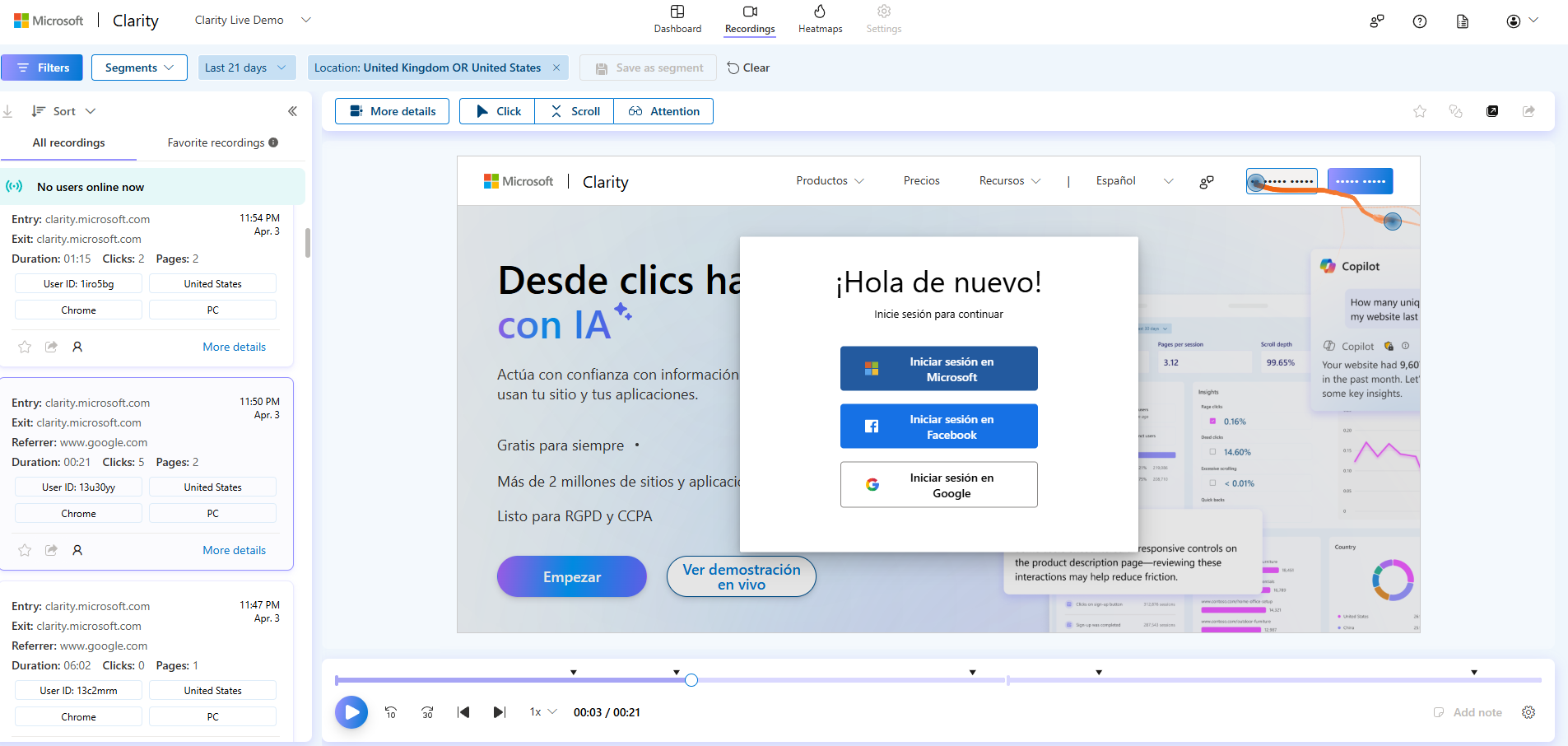
The debate between volume and retention is central to the choice between these two platforms. Microsoft Clarity offers a staggering 100,000 sessions per day with no sampling. For enterprise-level websites with millions of monthly visitors, this ensures that even the rarest edge cases are captured. However, Clarity’s standard data retention is limited to 30 days. This creates a "short-term diagnostic" environment where teams must act quickly or lose the historical context of a specific user journey.
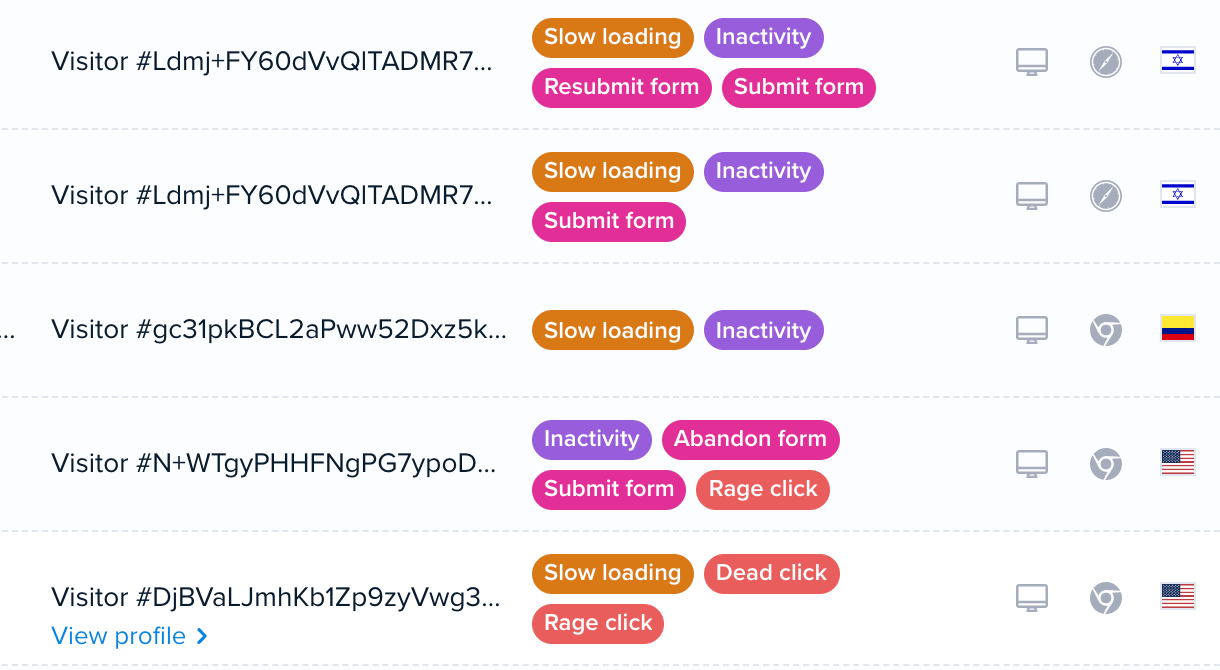
Crazy Egg adopts a more surgical approach. While it caps recordings based on the subscription tier (ranging from 50 to 10,000 per month), it offers significantly longer retention periods—up to two years on higher-tier plans. This longevity is vital for businesses with long sales cycles or seasonal fluctuations, such as B2B SaaS companies or e-commerce retailers preparing for annual events like Black Friday. Furthermore, Crazy Egg’s recordings are automatically tagged with behavioral signals (rage clicks, dead clicks) and e-commerce events (add-to-cart), allowing for faster filtering through smaller, more relevant datasets.
Error Tracking and Developer Workflows
A significant point of divergence is how each tool handles technical errors. In the modern DevOps environment, the ability to bridge the gap between a marketing observation and a developer fix is a major competitive advantage.
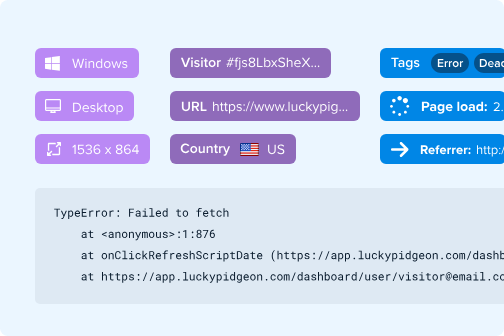
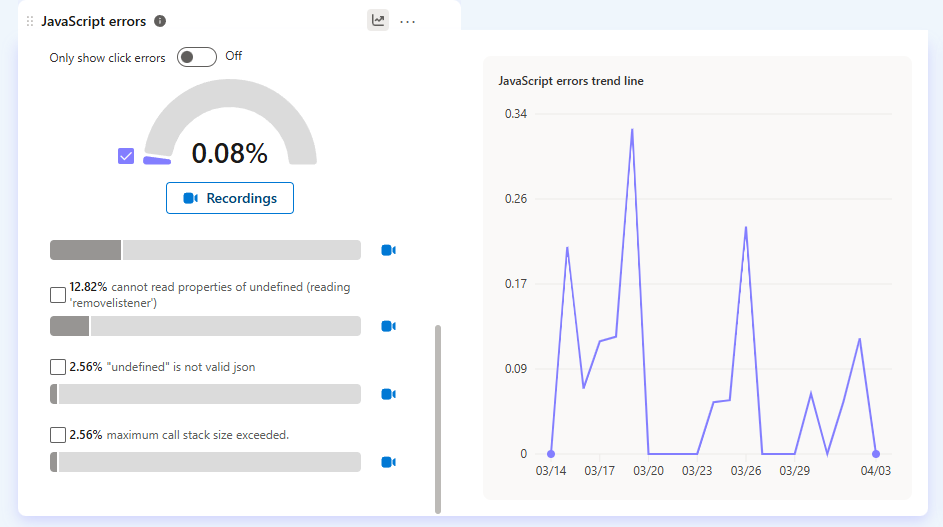
Microsoft Clarity provides a JavaScript (JS) error panel that gives a high-level overview of error rates and trends. It is an excellent tool for "red-flagging" issues as they arise. However, it lacks the technical depth required for deep debugging. Crazy Egg’s Error Tracking feature is designed for a triage workflow. It provides full stack traces, device-specific metadata, and browser versioning. Most importantly, it links every error directly to the session recording of the visitor who experienced it. This allows developers to see exactly what the user was doing at the moment of the crash, effectively eliminating the "could not reproduce" response that often stalls technical fixes.
The AI Frontier: Copilot vs. Proactive Insights
Both Microsoft and Crazy Egg have integrated Artificial Intelligence to help users make sense of vast quantities of behavioral data. Microsoft Clarity utilizes "Copilot," a natural language processing tool that generates summaries of session recordings. This is particularly useful for teams who do not have the time to watch hundreds of hours of video. It provides a conversational interface where users can ask questions like, "Why are users dropping off the checkout page?"
Crazy Egg’s AI takes a more proactive approach, running automatically across heatmaps, surveys, and web analytics. Rather than just summarizing, it seeks to identify anomalies and opportunities for improvement. Additionally, Crazy Egg allows users to export heatmap data directly into external LLMs like ChatGPT or Gemini for custom analysis. This open-ecosystem approach appeals to data scientists who want to run their own proprietary prompts against their UX data.
Conversion Funnels and the ROI of "What Happens Next"
The most significant distinction between the two tools is their philosophy on conversion. Microsoft Clarity is primarily a "discovery" tool. It shows you what is happening on your site. If a funnel shows a 40% drop-off on the pricing page, Clarity helps you see the "why" through recordings.
Crazy Egg is an "action" tool. It includes a native A/B testing suite with a visual editor, allowing users to create and launch experiments without writing code. If a Crazy Egg funnel reveals a drop-off, the user can immediately launch an A/B test to try a new headline or button color, or trigger a survey to ask the visitor why they are leaving. This integrated loop—analyze, test, and ask—is the hallmark of a Conversion Rate Optimization (CRO) platform. Clarity users, by contrast, must integrate with third-party tools like Optimizely or AB Tasty to achieve the same result, often incurring significant additional costs.
Economic Implications and Market Positioning
From a budgetary perspective, the choice appears straightforward but is nuanced upon closer inspection. Microsoft Clarity is 100% free, funded by Microsoft’s desire to gather aggregate web data to improve its broader ecosystem, including the Bing search engine and Azure cloud services. This makes it the undisputed choice for startups, non-profits, and hobbyists.
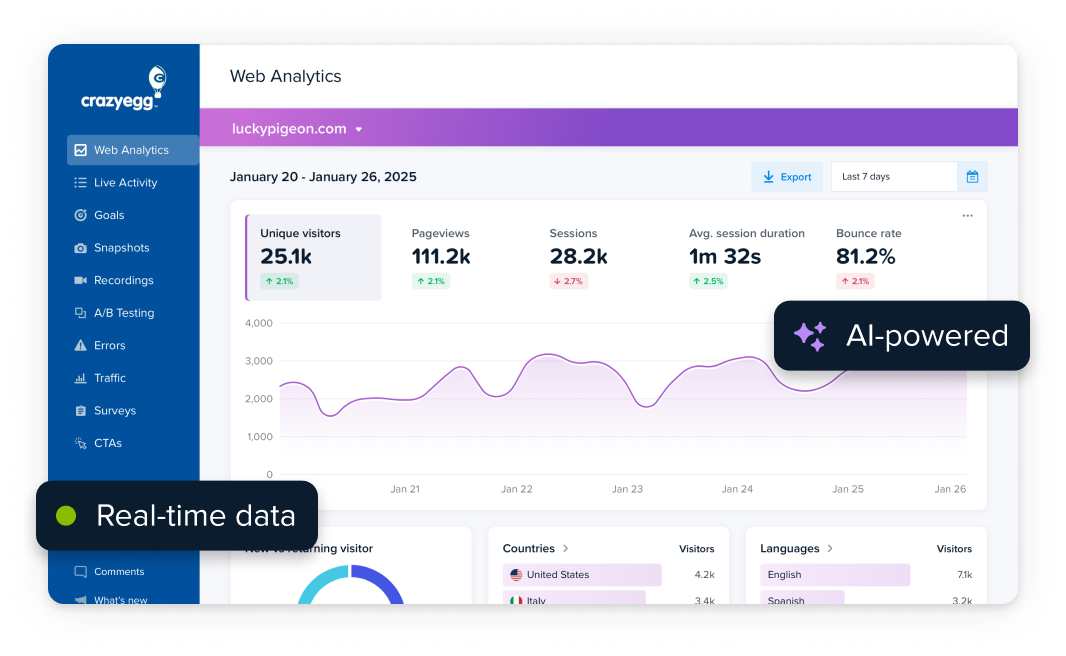
Crazy Egg operates on a SaaS subscription model, starting at $29 per month. While this represents an additional cost, proponents argue that the "all-in-one" nature of the tool actually saves money. By consolidating heatmaps, recordings, A/B testing, surveys, and error tracking into a single subscription, companies can avoid "tool bloat" and the technical debt associated with managing multiple tracking scripts.
Industry analysts suggest that the choice often comes down to the "cost of time." A free tool that requires three other paid integrations to be actionable may eventually become more expensive than a single paid tool that provides a streamlined workflow.
Conclusion: Aligning Tool Selection with Business Goals
The decision between Crazy Egg and Microsoft Clarity should be dictated by the organization’s maturity and specific objectives. For organizations that require a robust, enterprise-grade debugging and conversion workflow, Crazy Egg remains the industry standard. Its ability to not only identify friction points but also provide the tools to fix and test them makes it an indispensable asset for growth-focused teams.
For organizations that are just beginning their UX journey or those with extremely high traffic volumes and limited budgets, Microsoft Clarity offers an unparalleled entry point. It provides a high-level view of user behavior that was previously locked behind expensive enterprise paywalls.
Ultimately, the competition between these two platforms has benefited the end-user. As Microsoft pushes the boundaries of what can be offered for free, Crazy Egg continues to push the boundaries of what an integrated optimization platform can achieve. In the modern web environment, where every click is a data point and every bounce is a lost opportunity, having the right lens through which to view user behavior is the difference between stagnation and digital excellence.