rifanmuazin
The distinct timing of Mother’s Day observances across the globe presents a unique strategic advantage for email marketers. While the United Kingdom celebrates Mothering Sunday in mid-March, often aligned with the Christian tradition of Lent, the United States and much of Western Europe commemorate Mother’s Day in May. This two-month differential offers a valuable preview window, allowing marketers targeting May celebrations to analyze the successes and missteps of their UK counterparts. In an increasingly complex digital landscape, characterized by evolving inbox dynamics, the rise of artificial intelligence in content curation, and persistent economic pressures, adapting and refining campaign strategies is paramount. This analysis reviews critical tactics gleaned from early-year campaigns, offering actionable insights for those preparing for the May rush.
The Historical Tapestry of Mother’s Day and Its Marketing Evolution
Mother’s Day, in its various forms, has a rich and diverse history. In the United Kingdom, "Mothering Sunday" dates back to the 16th century, a Christian holiday where people would visit their "mother church." Over time, it evolved to become a day for children, particularly those in service, to visit their mothers, bringing gifts and flowers. This tradition, falling on the fourth Sunday of Lent, naturally shifts its date each year. Conversely, the modern American Mother’s Day originated in the early 20th century through the efforts of Anna Jarvis, who sought to honor her own mother and advocate for a day dedicated to all mothers. President Woodrow Wilson officially recognized it in 1914, establishing it as the second Sunday in May. This divergence in dates has long created a logistical challenge and opportunity for global marketers.

Historically, holiday marketing relied heavily on traditional media and direct mail. With the advent of the internet, email marketing rapidly became a cornerstone, offering direct access to consumers. The strategies employed have continually adapted, from basic promotional blasts to sophisticated, personalized campaigns. The COVID-19 pandemic further accelerated shifts, introducing a heightened sense of empathy and sensitivity into marketing communications, particularly around emotionally charged holidays like Mother’s Day. This era saw a proliferation of opt-out options for sensitive content, a practice that, while well-intentioned, has since warranted re-evaluation.
Strategic Imperatives for May Mother’s Day Campaigns
Leveraging the insights from the UK’s earlier observance, marketers can fine-tune their approaches across several key areas:
1. Rethinking Opt-Out Sensitivity: Towards Comprehensive Preference Centers

The pandemic-era surge in "do you want to hear from us?" emails for sensitive events like Mother’s Day, while initially appropriate, has evolved into a potentially counterproductive standard. While empathy remains crucial, these explicit opt-out prompts can inadvertently highlight the very occasions some subscribers wish to navigate quietly. Industry experts and email service providers increasingly advocate for a more integrated approach. Instead of reactive, event-specific emails, the preferred strategy is to empower subscribers through a robust, always-available preference center. Brands like Hotel Chocolat have successfully adopted this model, allowing users to make a one-time selection to filter out sensitive content or adjust communication frequency permanently. This approach respects subscriber autonomy without repeatedly drawing attention to potentially painful topics, fostering a more positive long-term relationship. Data consistently indicates that subscribers appreciate granular control over their inbox experience, reducing the likelihood of spam complaints and unsubscribes.
2. Enhancing Subscriber Control: Beyond Just Opt-Outs
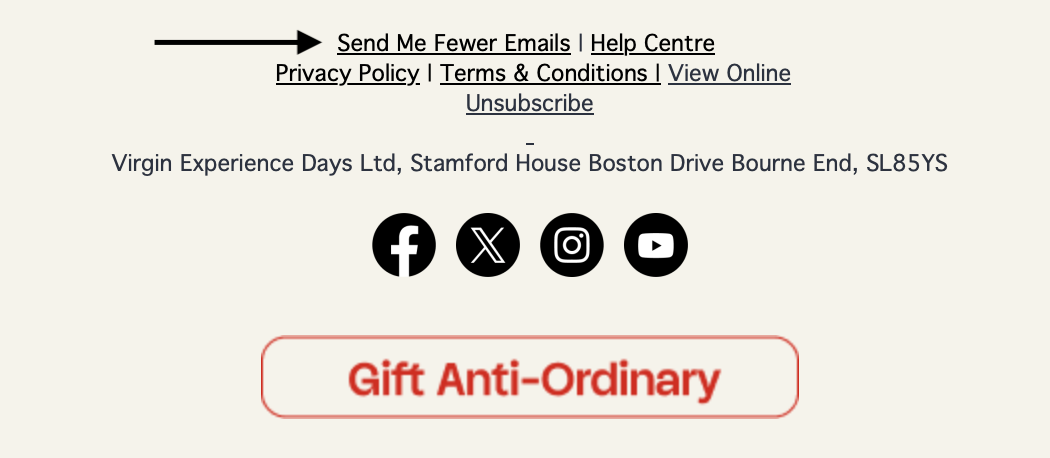
The principle of subscriber control extends far beyond sensitive event opt-outs. "Too many emails" remains the overwhelming reason for unsubscribes and spam complaints, according to numerous industry surveys. This highlights a persistent challenge for marketers balancing engagement with message fatigue. Leading brands are addressing this proactively by offering simplified frequency controls. Virgin Experience Days, for instance, provides a clear "send me fewer emails" option, allowing subscribers to reduce the volume of communications with a single click. This seemingly minor adjustment can significantly impact retention and engagement rates.
Furthermore, a discernible trend in 2024 is the deployment of dedicated campaigns promoting preference centers themselves. Brands that invest in standalone emails or in-app notifications to raise awareness of their comprehensive subscriber control options often report a boost in overall engagement and deliverability. By offering choices over content categories, frequency, and specific event communications, marketers not only reduce churn but also gather valuable data on subscriber interests, enabling more relevant and effective targeting in the future. This proactive approach transforms a potential negative (unsubscribes) into a positive (deeper understanding and stronger engagement).
3. Investing in Visually Compelling Imagery: A Critical Engagement Driver
Despite the advancements in AI-generated email summaries that promise to reduce the need for opening every message, the power of striking imagery in email marketing remains undiminished. In fact, its importance is arguably growing. Many subscribers utilize preview panes for a quick glance, and platforms like Gmail now leverage "Annotations" to display selected email images directly within the Promotions tab, influencing open decisions before the email is even fully viewed.
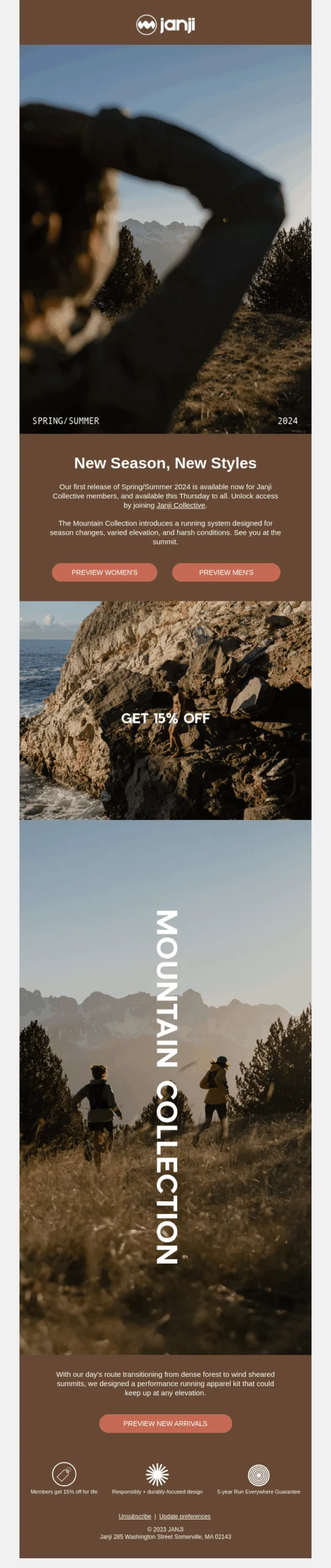
High-quality, captivating visuals serve multiple critical functions. They are a powerful driver of initial engagement, grabbing attention in a crowded inbox. More importantly, they are a fundamental tool for brand reinforcement, conveying identity, values, and product appeal instantly. Examples from UK campaigns demonstrate this effectively: Belvedere’s elegant gift bag with roses and vodka, or Cartier’s clever use of jewelry to recreate their iconic butterfly logo, both immediately communicate luxury and thoughtful gifting. In an era of fleeting attention, visuals cut through the noise, making the email more memorable and reinforcing the brand’s aesthetic. As AI continues to evolve, the distinction offered by truly original and high-quality human-curated or designed imagery will only become more valuable.
4. Strategically Encouraging Scrolling: Unlocking Hidden Content

Research consistently indicates that a significant portion of email recipients do not scroll past the initial viewport, often referred to as "above the fold." Studies by user experience research firms like Nielsen Norman Group have shown that fewer than half of consumers venture below this initial screen in their emails. This means valuable content, offers, and calls to action can go unseen, diminishing campaign effectiveness.
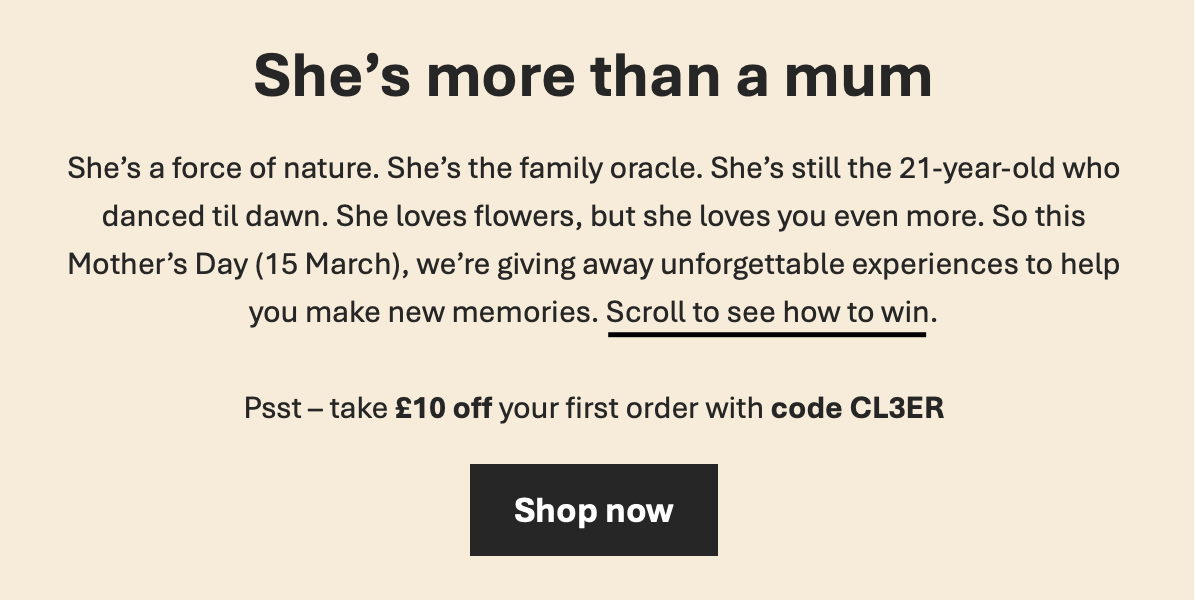
Savvy marketers are now explicitly designing emails to encourage scrolling. This can range from subtle text prompts like "Scroll down for more" or "Discover our full collection," to more dynamic visual cues such as downward-pointing arrows or micro-animations that hint at additional content. Bloom & Wild, for example, successfully incentivizes this behavior by gamifying it, using a prompt like "Scroll to see how to win," which creates a clear reason for the recipient to engage further. By strategically placing compelling teasers and clear directional cues, marketers can significantly increase the exposure of their full message, ensuring that subscribers engage with the breadth of their offerings and not just the initial impression. This optimization is crucial for maximizing the return on investment for content creation.
5. Inspiring Purchase Decisions: Alleviating Gifting Stress
Buying for a loved one, especially on an occasion as significant as Mother’s Day, can be genuinely stressful for many consumers. The pressure to choose the "perfect" gift often leads to indecision and, potentially, abandoned carts. Marketers can transform this challenge into an opportunity by providing helpful guidance and inspiration.

"Inspiration emails" shine in this context. Interflora, a UK floral delivery service, excels at this with campaigns that explicitly state, "Don’t worry, we’re here to help. Here are a few top tips for a beautiful and stress-free Mother’s Day." Such emails typically feature a short gift-finder quiz, suggestions for heartfelt card messages, reminders about international delivery options, and prompts to celebrate all maternal figures (e.g., "celebrate your mom and the mom of your little ones"), alongside a roundup of popular products. Similarly, beauty brands like Charlotte Tilbury encourage subscribers to "Shop Trending Now," showcasing the most-viewed products from the past week. By acting as a helpful guide rather than just a sales pitch, these emails alleviate consumer anxiety, foster goodwill, and significantly increase the likelihood of a conversion. They build a relationship of trust and make the purchasing journey smoother and more enjoyable.
6. Integrating Text/SMS for Enhanced Reach and Engagement
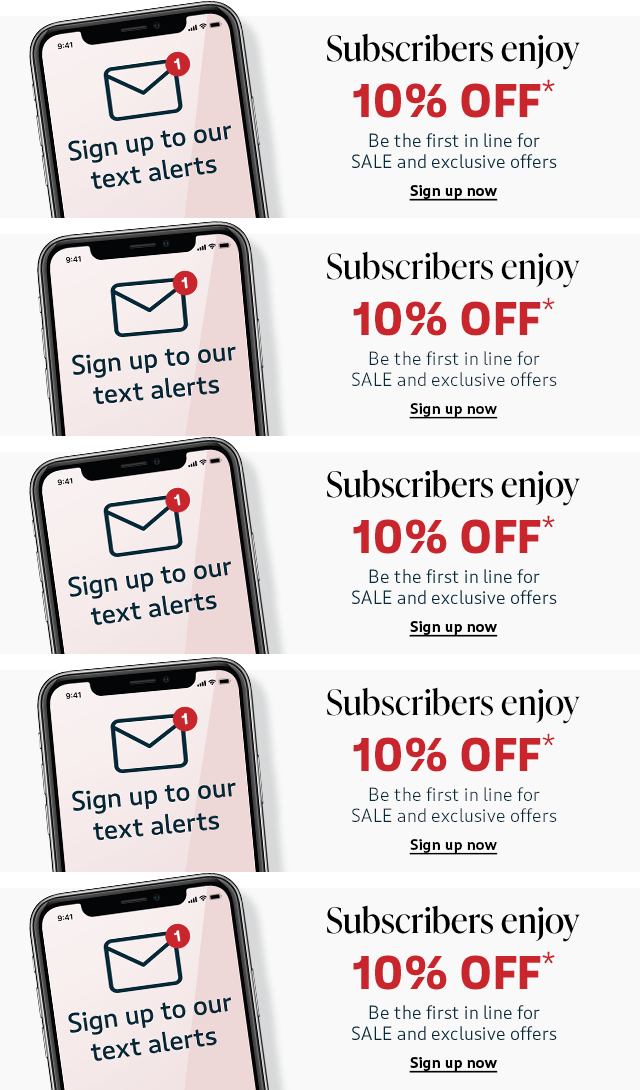
In today’s multi-channel marketing landscape, successful programs rarely rely on email alone. Mobile, social media, and dedicated apps all play vital supporting roles. While email remains central, SMS has emerged as a particularly powerful complement, especially for time-sensitive communications and to overcome challenges posed by evolving inbox sorting algorithms. Many consumers already prefer mobile for post-purchase messages like receipts and delivery updates, as exemplified by brands like Cotton Traders who cleverly use micro-animations to encourage SMS opt-ins.
A crucial new application for SMS is to combat the "inbox de-prioritization" of promotional emails. As previously observed during Valentine’s Day and other holidays, Gmail’s relevance-sorted Promotions tab can sometimes bury date-sensitive emails beneath messages deemed more relevant by the algorithm. A well-timed SMS, such as "Don’t miss our Mother’s Day promotion – check your inbox today!", can act as a direct nudge, driving subscribers to locate and engage with the email.

Furthermore, integrating Gmail Annotations into your email strategy is key. These meta-tags provide Gmail with explicit information about your content, such as discounts, expiration dates, and product previews. Correctly implemented, Annotations can earn your email a "Featured Deal" card at the top of the Promotions tab, dramatically boosting visibility and relevance. Combining SMS alerts with optimized email annotations creates a powerful, multi-pronged approach to ensure your message reaches its intended audience effectively.
7. Incentivizing Early Purchases: A Win-Win for All
For high-volume, date-specific events like Mother’s Day, encouraging early purchases offers significant benefits to both marketers and consumers. From a business perspective, it helps to smooth out website traffic, distribute the workload for customer service teams, and optimize fulfillment logistics, preventing last-minute bottlenecks. For consumers, it alleviates the stress of last-minute shopping and often comes with added perks.
Interflora effectively implements this strategy by offering incentives for early orders. Their campaigns highlight benefits such as "order early for cheaper delivery" and the thoughtful advantage that "mom gets to enjoy her flowers for the full weekend." This framing transforms a business objective into a genuine consumer benefit, creating a clear win-win scenario. By shifting purchase timelines, marketers can improve operational efficiency, enhance customer satisfaction through reliable delivery, and potentially capture a larger share of early-bird shoppers. Early purchase incentives also provide a buffer against unforeseen logistical challenges closer to the holiday.
8. Implementing "Remember the Date!" Reminder Services
Despite the best intentions, many individuals inevitably forget important dates, leading to rushed, suboptimal gift choices or, worse, missing the occasion entirely. This segment of "forgetful consumers" represents a significant opportunity for thoughtful marketers.
Interflora, once again, provides a best-in-class example with its reminder service. This feature allows customers to set advance notifications for a range of special events, including Mother’s Day, birthdays, and anniversaries. Users can specify how far in advance they wish to be reminded and, in some cases, even receive a discount for each order placed through the reminder service. This not only serves as an invaluable customer convenience but also cultivates long-term loyalty and recurring revenue streams. By proactively helping customers avoid social faux pas and personal disappointment, brands can position themselves as indispensable partners in navigating life’s important moments, building a deeper, more enduring relationship.
9. Dynamically Replacing Expired Offers: Maintaining Relevance Post-Holiday

The relevance of promotional emails diminishes rapidly once a holiday like Mother’s Day has passed. Continuing to send or display outdated offers can lead to increased unsubscribe rates, negative brand perception, and, critically, a higher incidence of spam complaints. Smart marketers understand the importance of dynamic content to keep their communications fresh and pertinent.
The objective is to automatically swap out expired Mother’s Day promotions with new, relevant content. For instance, Look Fabulous Forever aimed for this, but could have optimized further. With Easter often following closely after UK Mother’s Day, transitioning to Easter-themed promotions would have been a natural and highly effective redirect. The core principle, however, is sound: never let expired content linger. Implementing dynamic content ensures that even if a subscriber opens an older email, they are presented with current, actionable information or offers, thereby extending the utility and positive impact of your email archive. This attention to detail reflects professionalism and respects the subscriber’s time and interests.
10. Avoiding System Manipulation: Respecting Inbox Categories
A persistent temptation for some marketers is to "game the system" by attempting to force promotional emails into the Primary inbox tab, believing it offers superior visibility and engagement. Examples exist of brands, such as The White Company, explicitly encouraging customers to recategorize their emails as "Primary."

However, email service providers like Gmail, Microsoft, and Yahoo have consistently and strongly cautioned against such practices. They explain that attempts to manipulate inbox sorting algorithms can lead to penalties, including reduced deliverability and even outright blocking. Subscribers have developed expectations about where different types of emails reside; they generally expect marketing communications to appear in their Promotions tab and actively engage with them there. Trying to bypass this established user behavior can lead to frustration and a negative perception of the brand. The most effective strategy is to work with the system, optimizing content for the Promotions tab through tools like Gmail Annotations, ensuring emails are relevant, engaging, and genuinely desired by the recipient. Authenticity and respect for user experience are paramount for long-term sender reputation and success.
11. The Crucial Geographical Nuance: Avoiding Mis-timed Campaigns
Returning to the foundational premise of this analysis, the differing Mother’s Day dates between the UK and the US/Western Europe is a critical factor that cannot be overstated. For non-UK senders with a global audience, sending Mother’s Day promotions in May to UK-based customers, whose celebration occurred two months prior, is a reliable recipe for disaster. This seemingly minor oversight happens more frequently than one might expect and can lead to significantly elevated complaint rates, damaged sender reputation, and a perception of carelessness or irrelevance.
Implementing robust segmentation based on geographical location is non-negotiable for international brands. Ensuring that campaigns are precisely timed to local observances demonstrates cultural sensitivity and marketing sophistication. This geographical precision is not just a matter of avoiding negative outcomes; it’s an opportunity to build stronger local connections and maximize relevance, ultimately contributing to higher engagement and conversion rates in each specific market.
Learning from History: The Path to Enhanced Email Marketing
The old adage, often attributed to Winston Churchill, that "those who fail to learn from history are doomed to repeat it," holds particular resonance for email marketers. The UK’s earlier Mother’s Day serves as an invaluable real-world laboratory, offering a rare opportunity to observe, analyze, and fine-tune email programs before the larger May event. By diligently applying the lessons learned – from refining subscriber control and investing in striking visuals to strategically integrating multi-channel approaches and respecting platform guidelines – marketers can significantly enhance their campaign performance.
In an era defined by dynamic inbox environments, the growing influence of AI, and persistent economic pressures on consumer spending, adaptability and data-driven decision-making are no longer optional but essential. Leveraging these insights from early-year campaigns empowers brands to deliver more relevant, engaging, and ultimately successful Mother’s Day communications, honoring both mothers and the strategic acumen of their marketing teams. For further insights into elevating email strategies, industry reports such as the Litmus State of Email provide comprehensive guidance to bring any email program to the next level.