rifanmuazin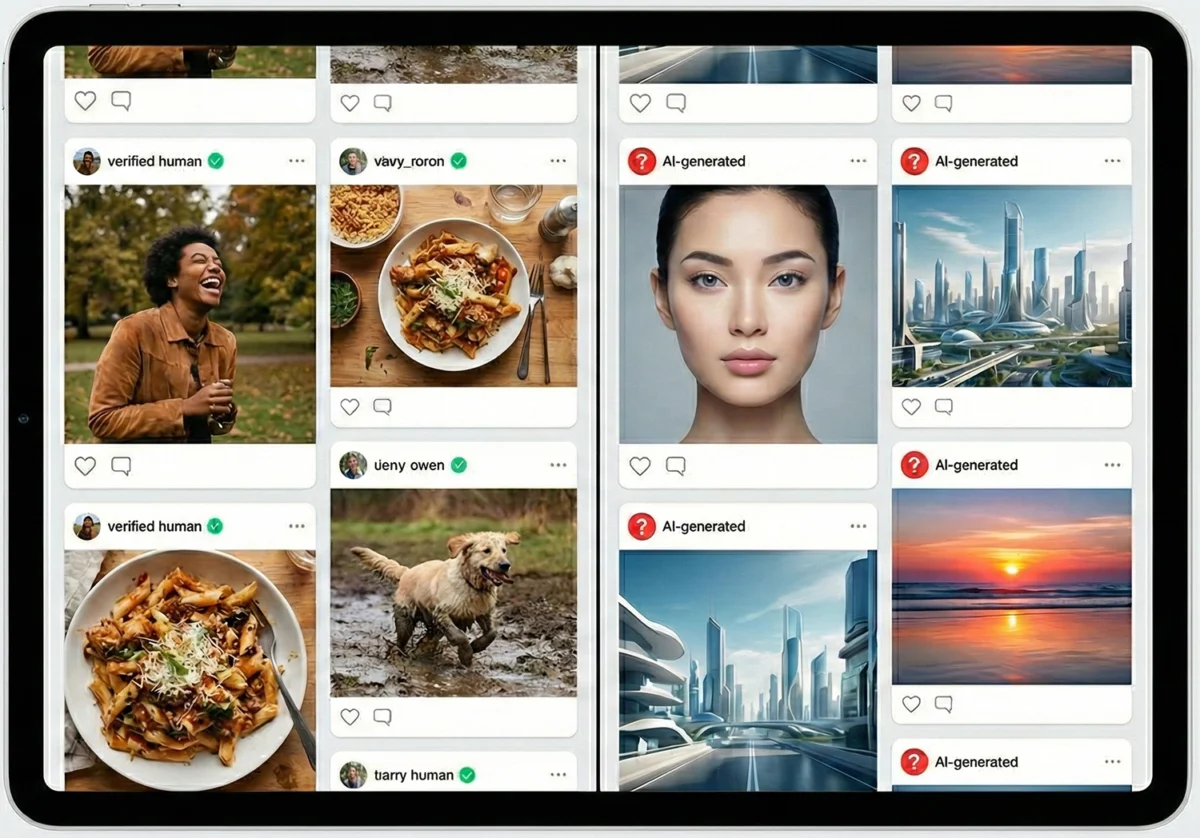
In an annual tradition that sharpens the focus on emerging trends, industry veterans Bill D’Alessandro and an unnamed co-author have unveiled their highly anticipated predictions for the e-commerce landscape in 2026. This year’s forecast, which includes eleven distinct points, delves into the transformative impact of artificial intelligence on advertising, the evolving dynamics of international trade tariffs, and the potential recalibration of success for lifestyle e-commerce brands. The stakes are higher than ever, with the authors committing to a novel method of adjudication: at the close of 2026, the predictions will be fed into advanced AI models, Claude and Grok, to determine the accuracy of each forecast. The losing predictor will face the public humiliation of buying the winner a steak dinner, complete with the ignominy of having the first bite served by the victor.
The AI-Driven Advertising Revolution: A New Era of Personalization
One of the most profound shifts anticipated for 2026 centers on the integration of artificial intelligence into advertising platforms. The prediction posits that platforms like OpenAI, by leveraging the vast datasets they possess, will offer an advertising experience that transcends mere demographic targeting. This AI-powered advertising will reportedly tap into users’ nuanced interests, psychological states, and even potential vulnerabilities. Imagine an AI that not only knows a user’s purchasing habits but also understands their anxieties, such as concerns about business partnerships or the early signs of burnout, gleaned from their online search history. This level of predictive insight, the authors argue, will render targeting "telepathic," creating an unprecedentedly effective advertising ecosystem. Early adopters who strategically integrate these advanced AI capabilities into their marketing efforts are poised for significant gains.
This prediction is grounded in the current trajectory of AI development and data utilization. Social media giants like Meta have long mastered sophisticated targeting by analyzing user behavior, likes, and connections. The move by AI development firms like OpenAI into advertising represents a significant expansion of this capability. OpenAI’s existing models are trained on vast amounts of text and code, providing them with a deep understanding of human language, sentiment, and intent. As these models evolve and integrate with advertising infrastructure, the ability to infer user needs and desires before they are explicitly articulated will become a powerful differentiator. The implication for e-commerce businesses is clear: a shift from broad-stroke campaigns to hyper-personalized, contextually aware advertising that resonates deeply with individual consumers.
Navigating the Shifting Tides of Global Trade: Tariffs and Economic Headwinds
In the realm of international trade, the prediction suggests a stabilization of tariffs imposed on goods from China. Specifically, it is forecasted that these tariffs will settle within the 30-50% range, rather than escalating to higher levels. This outlook is attributed to a confluence of economic factors, including rising inflation and a softening global economic growth. The authors point to historical market reactions, noting that periods of economic fragility have historically led to a de-escalation of trade tensions. The argument is that in an already uncertain economic climate, a significant increase in tariffs would further destabilize markets and potentially hinder economic recovery. Therefore, political responses are expected to be tempered by the need to avoid exacerbating existing economic challenges.

This prediction intersects with ongoing geopolitical discussions and trade policies. The United States, under various administrations, has utilized tariffs as a tool to address trade imbalances and protect domestic industries. However, the economic impact of such measures is a subject of continuous debate. Evidence from the past suggests that while tariffs can offer short-term protection for certain sectors, they can also lead to increased costs for consumers, retaliatory tariffs from trading partners, and disruptions to global supply chains. The prediction of a 30-50% range suggests a potential middle ground, acknowledging the political will to maintain some level of trade protection while avoiding measures that could trigger a significant economic downturn. For e-commerce businesses reliant on international sourcing, this forecast implies a need for continued supply chain diversification and risk management strategies, even if extreme tariff hikes are avoided.
The Enduring Power of AI: Beyond the Hype Cycle
Contrary to prevailing skepticism, the prediction asserts that the "AI bubble" will not burst in 2026. This bold claim is supported by an analysis of market valuations and government investment. While the NASDAQ’s forward price-to-earnings ratio currently stands at approximately 27x, a figure often cited as a sign of potential overvaluation, it pales in comparison to the over 100x P/E ratio observed during the dot-com bubble of the early 2000s. Furthermore, adjusted for inflation, current government spending on artificial intelligence is estimated to be roughly five times that of technology spending during the peak of the dot-com era. This suggests that the current AI boom is underpinned by more robust fundamentals and broader adoption across various sectors, indicating a sustained period of growth and innovation rather than a speculative bubble poised for collapse.
The implications of this sustained AI growth for e-commerce are far-reaching. It signals continued investment in AI-driven solutions, from enhanced customer service chatbots to sophisticated inventory management systems and personalized marketing tools. Businesses that strategically embrace AI will likely gain a competitive edge, while those that lag behind may find it increasingly difficult to keep pace with the advancements and efficiencies offered by AI-powered operations. The sustained growth in AI also suggests a deepening integration into the fabric of online commerce, making it an indispensable component of successful e-commerce strategies.
Restoring Trust in the Digital Sphere: Verified Human Content
The proliferation of sophisticated AI-generated content has led to a noticeable erosion of trust in online information. One prediction addresses this challenge directly: major digital platforms are expected to begin testing "verified human" content badges in 2026. This initiative aims to provide users with a clear indication of whether content, particularly visual and audio media, has been created by a human rather than an AI. The observation that a significant portion of content on platforms like X (formerly Twitter) appears to be AI-generated underscores the urgency of this issue. Such badges could serve as a crucial tool for users to discern authenticity and make informed decisions about the information they consume and trust.
This development could have significant implications for content creators, brands, and consumers. For businesses that rely on authentic content to build brand loyalty and engage their audience, verified human content could become a valuable differentiator. Conversely, the rise of AI-generated content may necessitate greater scrutiny and verification processes. The implementation of such badges would likely involve robust authentication mechanisms to ensure their integrity. The ultimate goal is to foster a more trustworthy online environment where genuine human expression and creativity are clearly distinguishable from AI-generated output.

Democratizing Content Creation: AI-Powered Editing Tools
The barrier to entry for high-quality content creation is set to be significantly lowered in 2026, thanks to advancements in AI-powered video and audio editing tools. It is predicted that these tools will reach a "7/10 quality" level, meaning they will be capable of automating a substantial portion of the editing process to produce polished results. Tools like Descript are already demonstrating this capability, and the prediction suggests that by the end of 2026, users will be able to upload raw footage, specify their desired outcomes, and receive a professionally edited product with minimal manual intervention. This development promises to empower scrappy founders and small businesses, enabling them to produce content that previously required the resources of a dedicated production team.
The implications for e-commerce marketing are substantial. Businesses will be able to produce more dynamic and engaging video content for product demonstrations, social media campaigns, and online advertising at a fraction of the traditional cost and time. This democratization of content creation could lead to a surge in video marketing efforts across the e-commerce sector, fostering greater consumer engagement and brand storytelling. The ability to quickly iterate on video content will also allow businesses to adapt to evolving trends and consumer preferences more effectively.
Bill D’Alessandro’s Perspectives: The K-Shaped Economy and Inflationary Pressures
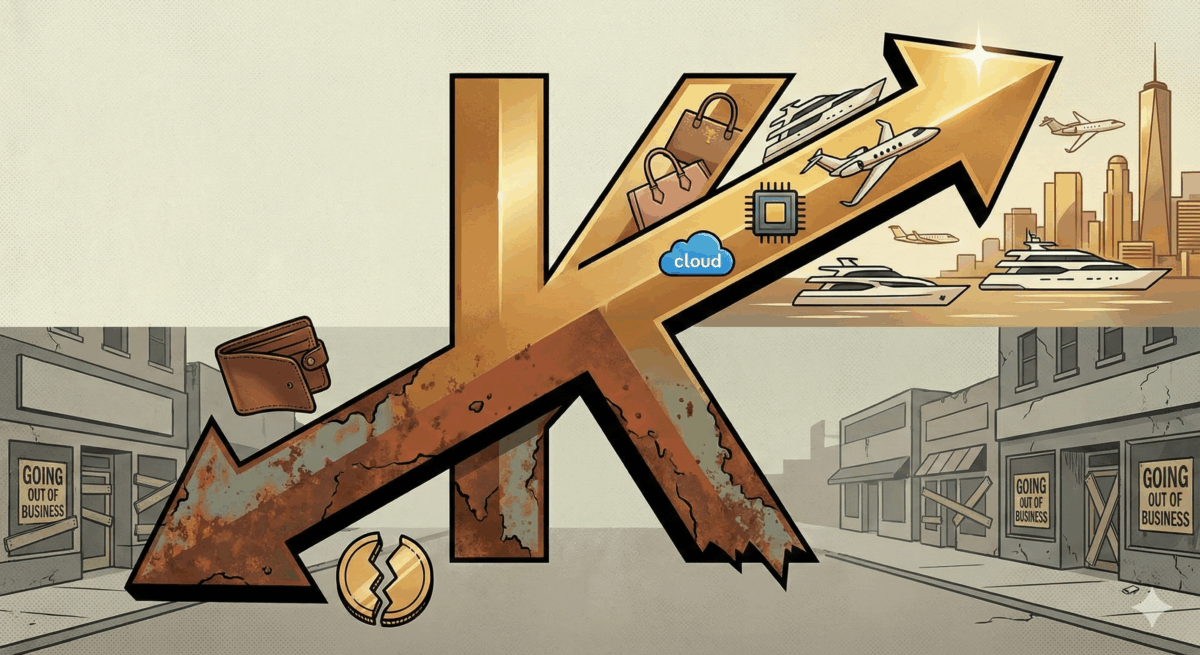
Bill D’Alessandro introduces a distinct set of predictions, beginning with the concept of a "K-shaped economy" in 2026. This economic model suggests a divergence in economic fortunes, where large technology companies and top-tier corporations (represented by the "Mag 7") continue to experience significant growth, potentially increasing in value by 20% or more. In stark contrast, the broader economy and the average consumer are expected to face ongoing struggles. For e-commerce businesses, this bifurcation presents a strategic imperative: either target affluent consumers with premium offerings or focus on providing essential goods at competitive prices. The "middle ground" is identified as a particularly precarious position in this economic climate.
This "K-shaped" outlook is consistent with observations of increasing wealth inequality and the outsized performance of certain technology sectors in recent years. The COVID-19 pandemic, for instance, accelerated digital transformation and boosted the fortunes of many tech giants, while simultaneously impacting service-oriented industries and the livelihoods of many individuals. For e-commerce, this suggests a need for nuanced market segmentation and targeted product strategies. Businesses that cater to the luxury market will need to emphasize quality, exclusivity, and brand prestige, while those focusing on essential goods will need to prioritize value, efficiency, and affordability.
D’Alessandro also predicts that inflation will remain above 3% in 2026. This forecast is rooted in the belief that there will be insufficient political will to significantly curb government spending, leading to continued deficit spending and persistent inflationary pressures. He posits that this inflationary environment is not a short-term phenomenon but a trend that could persist for the next decade. Consequently, businesses and investors are advised to position themselves strategically to navigate a sustained period of inflation.

The long-term implications of persistent inflation for e-commerce are significant. It can lead to increased operational costs, including those related to sourcing, logistics, and labor. Consumers, in turn, may become more price-sensitive, impacting purchasing decisions. Businesses will need to explore strategies such as optimizing supply chains, implementing dynamic pricing models, and focusing on operational efficiency to mitigate the impact of rising costs. Furthermore, the "digital gold" narrative surrounding assets like Bitcoin, which D’Alessandro also addresses, may gain further traction in such an environment.
AI’s Dominance in Meta Advertising and the Demise of Lifestyle Brands
D’Alessandro’s predictions extend to the complete takeover of Meta advertising content by AI. He points to early proof-of-concept initiatives from major brands that are already generating hundreds of novel advertisements daily using AI. These AI systems are capable of analyzing customer reviews, incorporating brand assets, and producing both static images and soon, video content, which can then be directly launched through advertising APIs. The prediction is that 2026 will mark the mainstream adoption of this AI-driven advertising pipeline.
This prediction signifies a fundamental shift in how online advertising creative is developed and deployed. Brands will likely leverage AI to conduct rapid A/B testing on a massive scale, optimizing campaigns with unprecedented speed and efficiency. This could lead to highly personalized and continuously evolving ad creatives that are tailored to individual user preferences and behaviors. The challenge for human creative teams will be to adapt to this new paradigm, focusing on strategy, brand direction, and the oversight of AI-generated content.
Furthermore, D’Alessandro controversially declares "the lifestyle brand is dead." He argues that unless an e-commerce business possesses strong intellectual property protection or is among the top 5-10% of brands in terms of market recognition, smaller businesses with revenues in the single-digit millions are likely to be outcompeted. Larger entities, armed with AI-powered marketing machines, will possess the ability to outspend, out-test, and tolerate higher customer acquisition costs than their smaller counterparts.
This prediction paints a stark picture for many independent e-commerce ventures. It suggests a market increasingly dominated by well-funded, technologically advanced players. The rise of AI-driven marketing and the consolidation of market share could make it exceedingly difficult for smaller brands to establish a foothold or maintain profitability. Businesses in this category may need to explore niche markets, focus on building exceptionally strong communities, or consider strategic partnerships to survive.
Mergers, Acquisitions, and the Future of Digital Assets
The landscape of mergers and acquisitions (M&A) in the e-commerce sector is also expected to bifurcate in 2026, according to D’Alessandro. He predicts that M&A activity will be exceptionally strong at the high end of the market, with deals exceeding $1 billion already up by 19% year-over-year. Conversely, deals in the small and mid-size range have seen a 18% drop. This trend is anticipated to continue, with top-tier businesses commanding premium valuations while typical e-commerce brands face significant challenges in finding buyers.
This disparity in M&A activity reflects the broader economic trends and the increasing cost of doing business in the e-commerce space. Larger, more established companies with robust customer bases and efficient operations are more attractive acquisition targets. Smaller businesses may struggle to demonstrate sufficient profitability and scalability to warrant high valuations, leading to a more anemic M&A market for them. This could further incentivize consolidation and strategic exits for successful smaller players.
Finally, D’Alessandro offers a prediction for Bitcoin, forecasting that it will dip below $70,000 but ultimately finish 2026 above $100,000. He anticipates competing pressures influencing the cryptocurrency’s price. A struggling consumer economy might dampen Bitcoin’s appeal as a risk asset, potentially leading to a decline in the first half of the year. However, persistent inflation is expected to bolster Bitcoin’s narrative as a hedge against currency devaluation, driving its recovery and eventual rise above the $100,000 mark in the latter half of the year.
This prediction aligns with the ongoing debate surrounding Bitcoin’s role as both a speculative asset and a potential store of value. The interplay between macroeconomic factors, investor sentiment, and the ongoing development of the cryptocurrency ecosystem will continue to shape its trajectory.
As the e-commerce industry braces for the shifts and innovations anticipated in 2026, these predictions offer a valuable framework for understanding the evolving market dynamics. The integration of AI, the complexities of global trade, and the evolving economic landscape all point towards a year of significant transformation, demanding adaptability and strategic foresight from businesses operating in the digital marketplace. The ultimate judgment of these forecasts by AI in 2026 will undoubtedly provide a fascinating postscript to the year’s events.