rifanmuazin
The world of information discovery is undergoing a profound and unprecedented transformation, moving far beyond incremental algorithm updates or new ranking factors. A seismic shift driven by artificial intelligence is fundamentally altering how individuals find and interact with information online, necessitating a complete overhaul of established content marketing and search engine optimization (SEO) paradigms. Marketers clinging to outdated playbooks risk irrelevance as AI systems increasingly provide direct answers, maintain conversational context, and proactively anticipate user needs. By 2026, these shifts are projected to be deeply embedded in everyday search behavior, demanding a proactive and adaptive strategy from brands and content creators.
The Evolving Landscape of Search: From Links to Intelligent Answers
For decades, search engines primarily functioned as directories, presenting users with a list of "ten blue links" to external websites. SEO revolved around optimizing content to rank highly within these lists, driving traffic through clicks. However, the advent of large language models (LLMs) and generative AI has introduced a new era. Tools like ChatGPT, Google’s Gemini, Perplexity, and the emerging Google AI Overviews are not just indexing information; they are synthesizing, summarizing, and presenting it directly to users in conversational formats. This evolution marks a departure from a single gateway controlled by one dominant engine towards a more distributed "search ecosystem," even as Google continues to influence the overall direction. The rapid adoption of generative AI tools, with platforms like ChatGPT quickly amassing millions of users, underscores the speed at which this paradigm shift is occurring. This shift demands that content marketers understand the underlying mechanisms of AI-driven discovery, recognizing that visibility no longer solely equates to a top-ranking link but rather to being a trusted and retrievable source of information that AI systems can confidently cite.
Prediction 1: AI Answer Engines Will Become the Default Search Experience
By 2026, the traditional "ten blue links" model of search is expected to recede into a secondary role. AI answer engines will serve as the primary interface for information discovery, handling the initial query and providing synthesized responses. These systems assemble answers from a diverse array of sources, including publisher content, brand-owned assets, and third-party reference materials. Critically, AI weighs the credibility of these sources before synthesizing a response, meaning content can influence outcomes without ever generating a direct click to a website.
This redefines the core tenets of both SEO and content marketing. The objective shifts from achieving a #1 ranking on a results page to becoming "retrievable" and "trusted" enough to be used as input by AI. Consequently, structured data, transparent sourcing, and explicit signals of expertise will transition from best practices to essential requirements. Content breadth—the consistent publication across multiple channels where a brand is recognized as an authority—will gain paramount importance. Industry experts note that this shift necessitates a fundamental re-evaluation of content strategy, moving from mere visibility to verifiable credibility. Content that is not designed to be cited and integrated into AI-generated answers will likely fail to appear where critical decisions are being shaped.
Prediction 2: Search and Recommendation Will Collapse Into a Single Discovery System
The academic distinction between "search" (explicit query) and "recommendation" (inferred interest) is rapidly dissolving. By 2026, these functions will largely converge into a unified discovery system. This convergence is already evident across major digital platforms: YouTube proactively suggests relevant explainers, LinkedIn surfaces posts aligned with professional roles, TikTok predicts engaging content within seconds, and Amazon anticipates purchasing needs before users articulate them as queries.
For marketers, this convergence presents both significant opportunities and new risks. High-quality content—such as insightful industry analyses or well-designed explainers—can reach relevant audiences without a single keyword being typed. Its discovery becomes less about direct query matching and more about its inherent relevance to a user’s inferred needs and interests. Conversely, content that is not readily legible to these sophisticated AI systems, or fails to align with a platform’s native signals (e.g., video format for TikTok, professional context for LinkedIn), will struggle to gain traction. Analysts suggest that marketers must now think less about direct queries and more about the user journey, anticipating information needs before they are articulated. This demands designing content for "inferred need moments," understanding how various platforms evaluate relevance, and creating content optimized for their native formats, acknowledging that discovery is increasingly driven by systems making decisions for users.
Prediction 3: Personalization Will Gain a Persistent Memory
A key feature emerging across major AI platforms is persistent conversational history and user-level memory. ChatGPT, Gemini, and Perplexity now retain past interactions, saved preferences, and accumulated context, which increasingly shapes the content and recommendations presented to users.
The ramifications for content discovery are profound. A user with an advanced understanding of a topic will receive different results than a novice encountering it for the first time. Prior clicks, conversational patterns, and expressed preferences will all influence the information AI systems present. This introduces audience fragmentation on an unprecedented scale; the same query from two different users could surface entirely distinct content based on their individual "memory profiles." Digital strategy consultants highlight that this deep personalization presents a dual challenge and opportunity, demanding a more nuanced approach to content architecture. Marketers must adopt more modular content strategies, designing content that caters to varying knowledge levels (e.g., beginner, intermediate, expert). This involves creating a clear progression with distinct entry points, deeper follow-on content, and explicit signals that help AI systems understand the intended audience for each piece.
Prediction 4: Attribution Models Will Break, but New KPIs Will Emerge
The rise of AI search is dismantling traditional click-based attribution models, making it increasingly difficult for brands to trace the direct path from search interaction to conversion. As AI systems provide direct answers, the necessity for users to click through to a website diminishes, rendering clickthrough rates (CTRs)—long the bedrock of search performance analysis—less reliable as primary key performance indicators (KPIs).
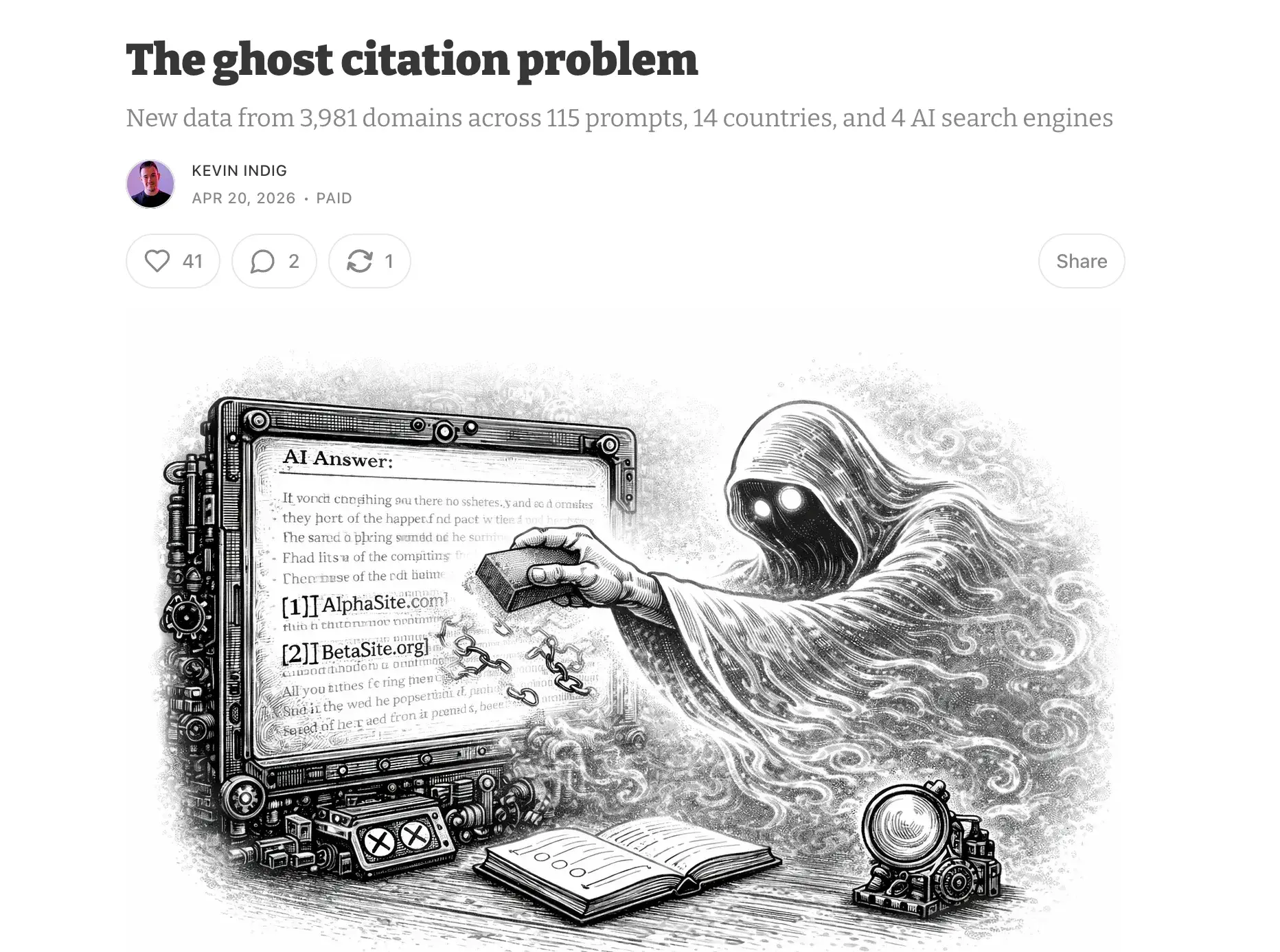
This breakdown necessitates a radical rethinking of measurement. New metrics are already beginning to emerge to fill this void. "Citation frequency"—how often a brand’s content is referenced by AI systems—is becoming a meaningful signal of authority and influence. Other vital indicators include model recall rates, patterns of excerpt usage, the adoption of structured data, and the dwell time within AI-generated summaries. Perhaps most significantly, "share of answers" is poised to become a critical competitive benchmark, akin to "share of voice" in public relations. This metric will quantify how often a brand’s content appears in AI-generated responses relative to its competitors. Marketing measurement specialists are actively developing new models, emphasizing brand influence and authoritative presence within AI systems rather than sole reliance on last-click attribution. Performance teams and forecasting models will need to integrate these new signals, developing frameworks that capture influence even when direct attribution proves impossible.
Prediction 5: Authority Signals Will Become the New Ranking Factors
As LLMs become more sophisticated and cautious about sourcing and citation quality, verifiable authority signals are displacing traditional SEO factors as the primary determinants of content visibility. Trust, accuracy, and demonstrable expertise are rapidly becoming the most valuable currency for content to be surfaced by AI systems.
This shift reflects how AI systems evaluate content. They increasingly prioritize verifiable claims, content attributed to named experts, transparent publication processes, and clear information provenance. "High-signal" pages—those rich in facts, specificity, clear structure, and alignment with expert consensus—will receive preference over high-volume, thin content lacking depth or originality. Model training updates, retrieval layers, and safety guardrails are all pushing AI systems towards "safe precision," rewarding brands that substantiate their claims with evidence and penalizing those that do not. The era of thin aggregation, keyword-stuffed content, and generic SEO filler is demonstrably drawing to a close. Leading content strategists emphasize that genuine human expertise, backed by verifiable credentials, is rapidly becoming the ultimate competitive differentiator in this evolving landscape. Brands must invest in establishing credentials through detailed author bios, rigorous citation practices, transparent disclosure statements, and robust expert review processes. Original research, subject matter expert quotes, and first-party insights are gaining substantial value, underscoring that substance will, more often than not, trump mere scale.
Preparing for the Transformed Search Landscape
The ongoing transformation of search represents both a significant challenge and an unparalleled opportunity for marketers. Those who continue to rely on legacy approaches and outdated SEO tactics will find their strategies increasingly ineffective as AI reshapes every aspect of discovery. Conversely, brands and marketers who proactively adapt to these changes will be exceptionally well-positioned for sustained organic growth and enhanced influence in the AI-driven era.
The imperative for preparation is immediate. Marketers must begin by auditing their existing content for "answer-readiness," ensuring it is clear, specific, defensible, and structured in a way that AI systems can easily ingest and cite. Investing in robust structured data implementation and clearly signaling expertise through author bios, citations, and expert reviews is crucial. Furthermore, teams must begin building new measurement frameworks that capture influence beyond traditional clicks, focusing on metrics like citation frequency and "share of answers." The search landscape of 2026 is not a distant future; its foundations are being laid today, and the strategic choices made now will determine a brand’s visibility and success in the AI-powered discovery era ahead.