rifanmuazin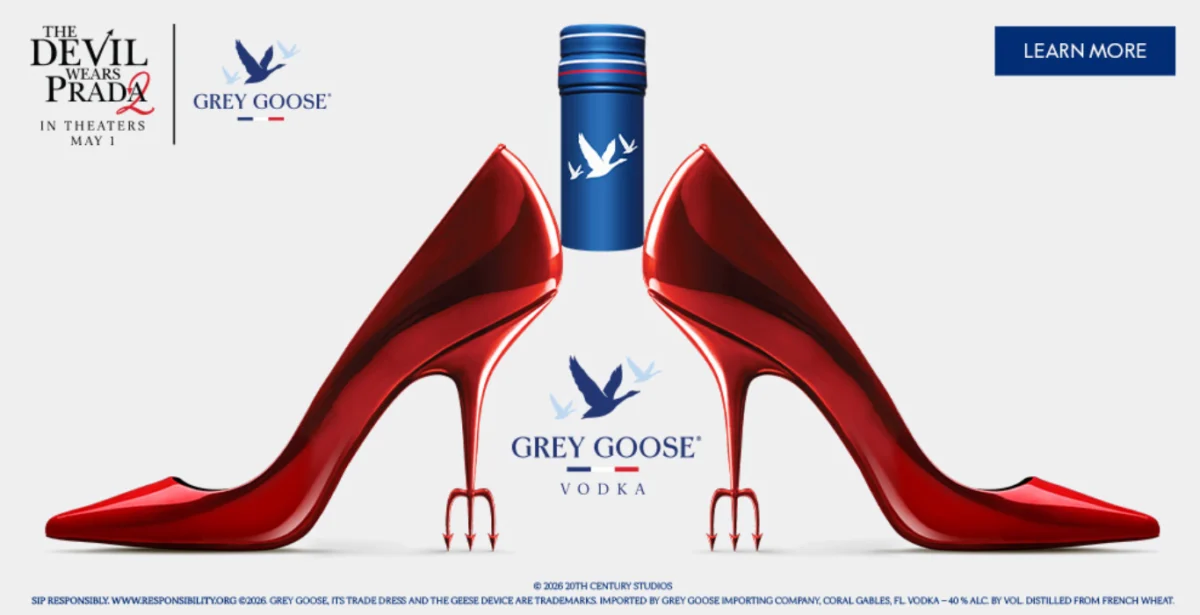
The final week of April 2026 has marked a pivotal moment in the evolution of corporate communications, characterized by a sophisticated blend of high-fashion marketing, infrastructure transparency initiatives, and a sobering call to action regarding the spread of disinformation. As Disney prepares for the highly anticipated release of "The Devil Wears Prada 2," the industry is witnessing a shift toward curated brand partnerships that prioritize narrative depth over mere volume. Simultaneously, Meta Platforms is attempting to demystify the physical backbone of the digital age—data centers—amidst rising local opposition. Hovering over these developments is a new national study revealing a profound trust gap between the American public and the public relations industry, particularly concerning the management of false information.
The Cerulean Renaissance: A Masterclass in Curated Brand Partnerships
Twenty years after Miranda Priestly’s legendary monologue on the trickle-down economics of the fashion industry, the "cerulean" hue has returned to the forefront of cultural consciousness. The release of "The Devil Wears Prada 2" on May 1, 2026, has served as the catalyst for what Disney describes as the most ambitious brand marketing partnership program in the history of the studio. Unlike recent cinematic releases that opted for a "saturation" model, Disney’s strategy for the sequel has been one of "intentional curation."
A cornerstone of this campaign is the collaboration with M&M’s, which released a limited-edition "All Cerulean" pack. This partnership, while not an official film tie-in, leverages the cultural shorthand established by the original 2006 film. The strategy reflects a broader trend where brands seek to integrate themselves into the "lore" of a franchise rather than simply placing a logo on a product.
The Curation Strategy vs. The Saturated Market
Disney’s Executive Vice President of Partnerships, Lylle Breier, noted that the campaign sought to avoid the "free-for-all" atmosphere that characterized the marketing for "Wicked," which featured over 400 licensing partners. For "The Devil Wears Prada 2," the studio limited official collaborations to approximately 20 brands, ensuring each partner "owned" a specific category.
The official roster includes a diverse array of global powerhouses:
- Beauty and Haircare: L’Oréal Paris, Lancôme, and TRESemmé.
- Consumer Goods: Smartwater, Diet Coke, and Starbucks.
- Technology: Samsung Galaxy and Google.
- Luxury and Automotive: Tiffany & Co. and Mercedes-Benz.
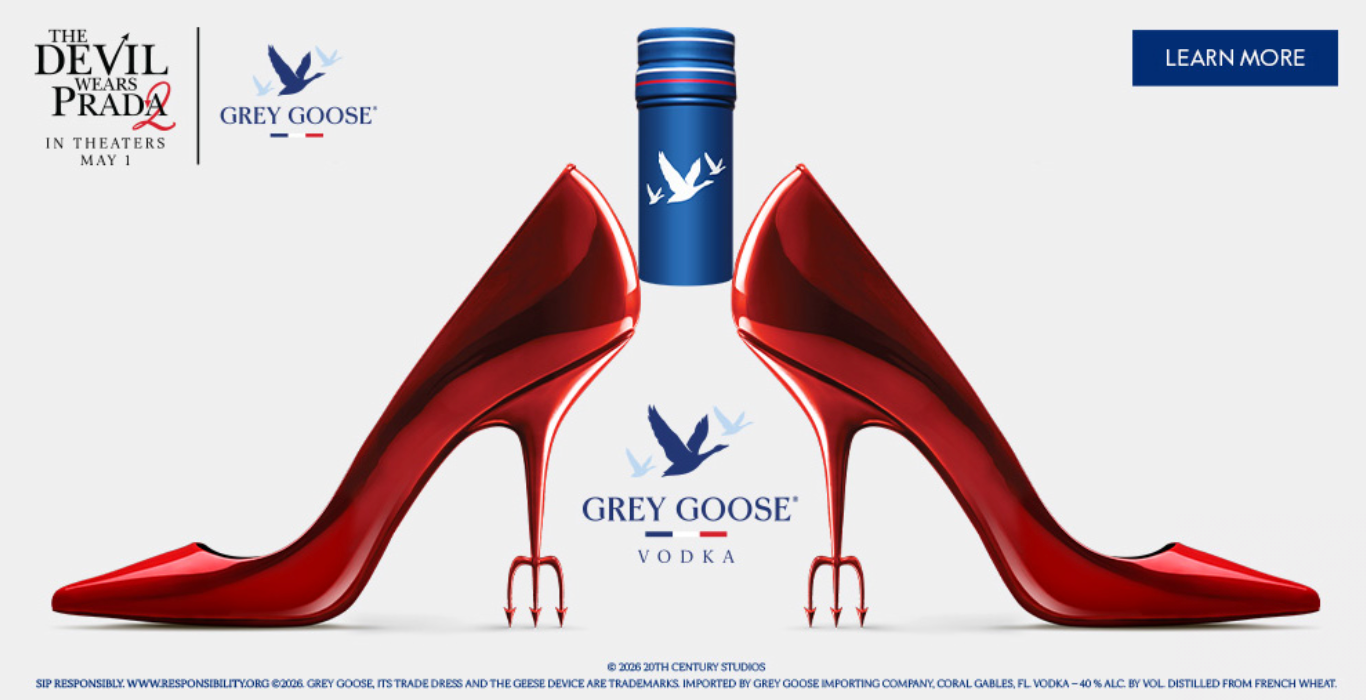
- Lifestyle: Havaianas and Grey Goose.
In addition to official partners, the film utilized licensing deals with retailers such as Walmart, Old Navy, Lulus, and Tweezerman. The success of this tiered approach was exemplified when Meryl Streep appeared on "The Late Show with Stephen Colbert" wearing a cerulean J.Crew sweater. An Old Navy replica, priced at $49.99, sold out almost immediately, demonstrating the tangible ROI of strategic placement.
Historical Context and Financial Benchmarks
The move toward high-impact, curated partnerships is driven by data from previous "blockbuster" marketing cycles. According to Launchmetrics, the 2023 "Barbie" movie’s collaboration with Zara generated an estimated $11 million in media impact value (MIV). Similarly, the "Wicked" partnership with Ariana Grande’s r.e.m. beauty drove $15 million in MIV.
Industry analysts suggest that the competition for "Prada 2" was unprecedented. TRESemmé’s agency reportedly began lobbying Disney as early as the fall of 2024 to secure the exclusive haircare category, nearly 18 months before the film’s premiere. This long-lead strategy underscores the importance of authenticity; experts argue that modern consumers are increasingly adept at identifying "forced" collaborations, such as the widely criticized green macaroni and cheese tie-ins seen in previous years.
Meta’s Infrastructure Offensive: Transparency in the Age of AI
As the demand for artificial intelligence grows, so does the physical footprint required to sustain it. However, data centers—the "brains" of the internet—have become a flashpoint for local communities. A Data Center Watch report indicated that by the end of 2025, local opposition and legal challenges had delayed or blocked projects worth an estimated $156 billion.
In response to this climate, Meta Platforms launched a transparency initiative on April 28, 2026. The company published a comprehensive "primer" explaining the mechanics of its 32 owned-and-operated data centers. The communication effort aims to demystify complex hardware, such as cooling systems and fiber optic networks, for a general audience.
The Shift to Orbit: Space-Based Solar Energy
Simultaneous with its transparency push, Meta announced a groundbreaking partnership with Overview Energy to power its infrastructure. The deal involves "beaming" solar energy from satellites in orbit—approximately 22,000 miles above the Earth—down to ground-based solar farms. This technology uses near-infrared light to allow solar farms to generate power 24/7, bypassing the traditional limitations of nighttime or cloudy weather.
The scale of Meta’s infrastructure expansion is significant:
- New Construction: Ground has been broken on 10 new AI-optimized data centers in the last 24 months.
- Regional Hubs: New facilities in Louisiana, Indiana, Texas, and Ohio are each projected to reach a capacity of 1 gigawatt (GW).
- Storage Solutions: A partnership with Noon Energy will provide up to 100 GWh of ultra-long-duration energy storage, capable of holding power for over 100 hours to ensure grid stability.
The Limits of Technical Transparency
While Meta’s proactive communication has been praised as a "smart step" by strategic counselors like Dan Rene, critics argue that explaining how a data center works does not necessarily address why a community should want one. The primary concerns of local residents—land use, noise pollution, and massive water consumption for cooling—remain at the heart of the opposition.
Communication experts suggest that for transparency to be effective, it must move beyond technical education and address the socio-economic impacts on the local environment. Facts, while informative, are not always a substitute for addressing the emotional and practical anxieties of a community facing industrial expansion.
The Disinformation Crisis: A Crisis of Trust for the PR Industry
While brands navigate the complexities of fashion and infrastructure, a more systemic challenge is emerging: the public’s expectation that the communications industry combat disinformation. The Institute for Public Relations (IPR), in collaboration with Leger, released its sixth annual "Disinformation in Society Report" this week, and the findings suggest a widening gap between public expectations and professional performance.
The study, which surveyed 2,000 U.S. adults, revealed that 76% of Americans believe public relations and marketing professionals should be actively involved in fighting disinformation. However, only 28% of respondents believe the industry is currently doing so.
Key Findings from the IPR Report
The 2026 report highlights several critical shifts in public perception:
- Platform Responsibility: Social media remains the primary source of disinformation in the eyes of the public. 81% of respondents identified Facebook as a major culprit, followed closely by TikTok (80%) and X (79%).
- Trust in Sources: Local news remains the most trusted source of information, while social media influencers and partisan news outlets continue to see declining trust scores.
- The AI Paradox: Interestingly, the public’s concern regarding AI-driven disinformation has decreased. Only 46% of respondents cited AI as a major concern this year, down from 54% in 2025. This suggests a "normalization" of AI or a shift in focus toward the human actors who utilize the technology.
Strategic Imperatives for Communicators
Tina McCorkindale, President and CEO of the IPR, emphasized that disinformation has evolved from a social nuisance into a significant business risk. She argues that communicators must move from a defensive "monitoring" posture to an active "mitigation" strategy.
The IPR recommends three immediate steps for brands and agencies:
- Prioritize Internal Literacy: Ensure employees are equipped with the tools to identify and report disinformation before it spreads externally.
- Invest in News Literacy: Support initiatives that teach consumers how to critically evaluate information sources across platforms.
- Foster Radical Transparency: In an era of skepticism, brands must be more open about their processes, sourcing, and motivations to build a "trust reservoir."
Broader Impact and Industry Outlook
The events of this week underscore a fundamental truth in modern communications: the "how" is becoming just as important as the "what." Whether it is Disney carefully selecting 20 brands to represent a $100 million film property, Meta explaining the physics of satellite energy to skeptical neighbors, or PR professionals grappling with their role as truth-seekers, the common thread is the pursuit of authenticity.
The "Devil Wears Prada 2" campaign demonstrates that high-level synergy can drive massive ROI when handled with surgical precision. Meta’s data center initiative shows that corporate giants are beginning to realize that "black box" operations are no longer sustainable in a hyper-connected society. Finally, the IPR report serves as a stark reminder that the communications industry’s greatest asset—and its greatest vulnerability—is public trust.
As World Press Freedom Day approaches on May 3, the alignment of these three narratives suggests a future where the lines between marketing, corporate responsibility, and information ethics are permanently blurred. For the communications professional, the challenge is no longer just to "get the story out," but to ensure the story is rooted in a reality that the public can both understand and trust.