rifanmuazin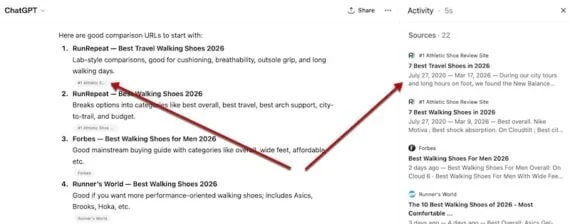
The proliferation of advanced generative artificial intelligence (genAI) platforms like ChatGPT, Claude, and Gemini has introduced a novel element into the digital information ecosystem: citations. These platforms, designed to generate human-like text, code, and other content, occasionally embed source links within their responses. These citations, which may appear inline or in a separate panel, often to the right of the generated content, represent a crucial, yet still largely opaque, aspect of how these AI models operate and interact with the vast expanse of online information. For businesses and content creators aiming to establish a presence and gain visibility within this burgeoning digital frontier, understanding the algorithms that govern these citations is paramount to developing effective optimization strategies.
The inner workings of citation algorithms employed by leading genAI platforms remain largely undisclosed. None of the prominent AI developers have publicly detailed their citation methodologies or offered explicit guidance on how to optimize for inclusion. However, through careful analysis of cited sources and a comparison with traditional search engine rankings, industry observers have begun to piece together a picture of the underlying mechanics. It has become apparent that major platforms leverage the indexing and ranking capabilities of established search engines. Specifically, it is understood that Google is a primary driver for ChatGPT, Gemini (and its AI Overviews feature), and Grok, while Brave Search appears to be the foundational engine for Claude and Perplexity AI. This reliance on specific search engines suggests that maintaining high rankings on these platforms is a significant factor in increasing the probability of a website or piece of content being cited by a genAI model. An notable exception to this pattern involves ChatGPT’s practice of citing its publication partners, a practice that appears to be independent of their external search engine rankings, hinting at potential strategic partnerships or direct data-sharing agreements.
Unpacking the Mechanics: Types of GenAI Citations
Research and analysis, drawing from patent filings and independent studies, have identified at least four distinct categories of citations used by genAI platforms:
-
Grounded Citations: These are perhaps the most intuitive form of citation. In this model, the genAI platform actively performs searches to gather information relevant to a user’s query. It then crawls the content of indexed web pages and directly quotes or references these sources within its generated response. This process ensures that the AI’s output is directly influenced and supported by the cited material, providing a traceable link between the AI’s answer and its informational origin. This method aligns closely with the traditional academic and journalistic practice of citing sources to lend credibility and allow for verification.
-
Ungrounded Citations: In contrast to grounded citations, ungrounded citations serve to support and confirm the AI platform’s pre-existing training data rather than directly influencing the generated answer. The AI may reference a source that corroborates information it already "knows" from its training corpus. This category can be considered a "reverse" citation, as it aims to reinforce the accuracy and reliability of the AI’s internal knowledge base by linking to known, reputable sources. The rationale behind ungrounded citations is presumed to be the enhancement of accuracy and objectivity, particularly when dealing with established companies and their products or services. The prevalence of ungrounded citations remains an area of active investigation. A recent analysis highlighted in The New York Times, concerning the accuracy of Google’s AI Overviews (powered by Gemini), revealed that an AI development firm, Oumi, found that "more than half" of the citations presented in these overviews were ungrounded. This suggests a significant portion of AI-generated information is being validated against existing sources rather than being directly sourced from them for the immediate response.
-
Ghost Citations: These citations represent a more problematic category, characterized by the presence of a link within an AI-generated answer that lacks a clear or identifiable source name. This phenomenon is thought to occur when the source content does not explicitly explain how its product or service addresses the user’s query. Consequently, the AI may identify the page as relevant but is unable to attribute the specific information to a clear source within its output. A study published this month by search optimizer Kevin Indig indicated that a substantial 61.7% of AI-generated answers include at least one ghost citation, pointing to a widespread issue in how AI platforms attribute information when the source material is not explicitly self-explanatory in relation to the query.
-
Invisible Citations: This category, while termed "citations," represents instances where genAI platforms utilize a website’s information without providing any explicit mention or link to the source. This means the AI has processed and incorporated data from a specific URL into its response, but fails to attribute it. A recent study released by Ahrefs found that a significant 50.2% of URLs retrieved by ChatGPT remained uncited. Furthermore, anecdotal evidence suggests that online forums, such as Reddit threads, frequently influence AI-generated answers, yet these platforms are very rarely cited, highlighting a gap in attribution for user-generated content.
The Genesis of GenAI Citations: A Timeline of Development
The emergence of citation features in generative AI models is a relatively recent development, evolving alongside the rapid advancements in large language models (LLMs).
-
Early LLMs (Pre-2020s): Early iterations of LLMs primarily focused on generating coherent and contextually relevant text. While they drew from vast datasets, explicit source attribution was not a core feature. The focus was on the model’s ability to synthesize information and produce novel content.
-
Introduction of Basic Linking (Early 2020s): As LLMs became more sophisticated and capable of accessing real-time information, the need for verifiability and transparency grew. Platforms began experimenting with ways to link back to external sources. Initially, these might have been rudimentary, with models simply providing a list of URLs that influenced their training data.
-
Development of Structured Citation Features (2022-2023): The widespread public release and adoption of models like ChatGPT (late 2022) brought citation features into the spotlight. These models began to incorporate more structured methods of citation, including inline badges and dedicated source panels. This period saw the initial observations and analyses by researchers and SEO professionals regarding the presence and patterns of these citations.
-
Refinement and Analysis (2024 onwards): The current phase is characterized by ongoing refinement of citation algorithms and increased scholarly and industry analysis. Studies from organizations like Ahrefs and Kevin Indig, alongside media reports from The New York Times, are actively dissecting the types of citations, their frequency, and their implications. This period marks a concerted effort to understand the underlying mechanisms and develop strategies for leveraging them.
Strategic Implications for Online Visibility: The GEO (Generative Engine Optimization) Strategy
Understanding the mechanics of genAI citations is not merely an academic exercise; it is a critical component of a new frontier in digital marketing and content strategy, often referred to as Generative Engine Optimization (GEO). The ultimate goal is to influence how and if a business’s content is featured within AI-generated responses, thereby enhancing brand visibility and driving traffic.
The distinction between influencing an AI’s core answer and simply being cited is significant. While appearing in any AI-generated response is advantageous, particularly if it features a business’s products or services, directly influencing the factual basis of an answer is a more profound level of integration.
Training Data: The Bedrock of AI Responses
At the heart of genAI platforms lies their training data. While these platforms may later employ search engines like Google or Brave to supplement their knowledge or retrieve real-time information, their foundational understanding and ability to answer queries are derived from the initial datasets they were trained on. This highlights the critical importance of ensuring that a brand’s information is present and well-represented within these foundational datasets.
Prompt Association: Building Direct and Indirect Connections
Regardless of whether the AI primarily relies on its training data or external searches, direct or indirect associations with user prompts are the primary mechanism through which a brand gains exposure. This means that content needs to be optimized to be relevant to the types of questions users are asking genAI models. For instance, if users frequently query about "best walking shoes for plantar fasciitis," a website offering detailed reviews and expert advice on such products should aim to have its content easily discoverable and understandable by AI models in response to these queries.
The Role of Search Engine Rankings:
As previously noted, the reliance on Google and Brave for many genAI platforms underscores the continued importance of traditional SEO. Websites that consistently rank high in organic search results on these engines are more likely to be identified and utilized by genAI models. This suggests a symbiotic relationship: strong SEO practices can lead to better genAI visibility, and conversely, genAI’s increasing influence may eventually impact traditional search rankings.
Partnerships and Direct Data Feeds:
The exception of ChatGPT citing its publication partners suggests that direct partnerships and data-sharing agreements can bypass traditional ranking mechanisms. This opens up possibilities for businesses to engage in strategic alliances with AI developers or content aggregators that have direct relationships with these platforms.
Broader Impact and Future Outlook
The evolution of genAI citations has profound implications for the digital landscape:
-
Shifting Information Consumption: As users increasingly turn to AI for quick answers, the visibility of content within AI responses becomes a new battleground for attention. This could potentially diminish the role of traditional search engine results pages (SERPs) for certain types of queries.
-
Content Quality and Attribution Standards: The rise of ghost and invisible citations raises concerns about the transparency and accountability of AI-generated information. This may necessitate the development of clearer standards for attribution and a greater emphasis on the provenance of AI-derived content. Industry bodies and regulatory agencies are likely to scrutinize these practices more closely in the coming years.
-
SEO Evolution to GEO: The field of Search Engine Optimization (SEO) is actively adapting to this new paradigm, with GEO emerging as a specialized discipline. Professionals are exploring how to create content that is not only discoverable by traditional search engines but also readily understood, interpreted, and cited by AI models. This involves a deeper understanding of AI’s information processing and a strategic approach to content creation that anticipates AI’s needs.
-
The Challenge of "Ungrounded" Information: The prevalence of ungrounded citations, as identified in Google’s AI Overviews, presents a challenge. While these citations may aim to bolster accuracy, they also mean that a significant portion of the information presented by AI might not be directly derived from the cited sources for that specific response. This could lead to a more diffused understanding of source material and potential misinterpretations of the AI’s reliance on specific content.
-
Ethical Considerations and Future Regulations: The ability of AI to synthesize and present information, with or without clear attribution, raises ethical questions regarding intellectual property, plagiarism, and the potential for misinformation. As AI becomes more integrated into daily life, governments and international organizations will likely grapple with the need for regulatory frameworks to govern AI’s use of information and its impact on content creators and publishers. The current landscape, characterized by a lack of transparency from AI developers regarding their citation algorithms, is unlikely to persist indefinitely in the face of growing scrutiny.
In conclusion, the integration of citations within generative AI platforms represents a significant shift in how information is accessed and disseminated. While the precise algorithms remain elusive, ongoing analysis provides valuable insights into the factors influencing inclusion. For businesses and content creators, adapting to this evolving environment by focusing on high-quality, well-structured content and understanding the symbiotic relationship between traditional search engines and genAI platforms will be crucial for navigating the future of digital visibility. The journey from SEO to GEO is well underway, and mastering the nuances of AI citations will be a key determinant of success in the years to come.