rifanmuazin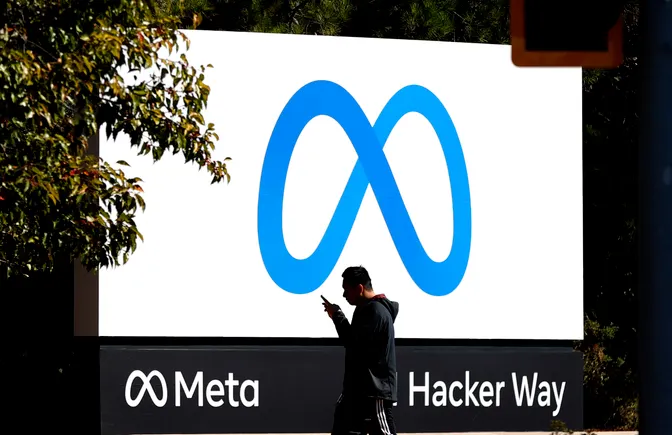
Meta Platforms, Inc. has issued a stark warning, threatening to withdraw its popular social media applications from New Mexico should the state proceed with proposed stringent regulatory requirements aimed at bolstering the protection of minors within its digital ecosystems. This development, reported by The Associated Press, escalates an ongoing legal battle that has seen the tech giant face significant penalties for alleged failures in safeguarding its youngest users. The company’s potential withdrawal signals a deepening rift between social media platforms and state regulators increasingly concerned with the online safety and well-being of children.
Background of the Legal Battle and Initial Verdict
The current standoff is rooted in a protracted legal dispute where Meta stands accused of failing in its fundamental duty to protect minors from exposure to harm across its platforms, including child predators. This multifaceted legal challenge reached a critical juncture last month when a New Mexico jury found Meta liable, imposing a substantial $375 million in civil penalties. The verdict was a direct consequence of the jury’s determination that the company had indeed failed to adequately shield young users from dangerous interactions and content within its applications. This initial ruling underscored the growing judicial and public impatience with what many perceive as insufficient efforts by tech companies to ensure the safety of their most vulnerable users. The financial penalty served as a powerful declaration of the state’s resolve to hold platforms accountable.
The legal proceedings are now advancing to a second, equally critical phase. This segment of the trial will require Meta to defend itself against further charges related to public nuisance. New Mexico regulators are seeking not only financial reparations but also a comprehensive overhaul of Meta’s operational protocols within the state. Their objective is to impose enhanced burdens on the company, compelling it to significantly elevate its security measures to meet what the state deems adequate standards of protection for minors. This involves a suite of proposed mandates that Meta argues are impractical and potentially unfeasible to implement, thus setting the stage for the current threat of withdrawal.
The Contested Regulatory Requirements: A 99% Accuracy Mandate
At the heart of Meta’s objection are specific regulatory measures proposed by New Mexico, which include a particularly challenging requirement: that Meta maintain a staggering 99% accuracy in verifying that all users on its platforms are at least 13 years old. This seemingly precise metric is far more complex than it appears on the surface, touching upon profound technical, logistical, and privacy challenges inherent in online age verification. For a platform like Meta, with billions of users globally and a continuous influx of new registrations, achieving and maintaining such a high level of accuracy across an entire state’s user base presents an unprecedented operational hurdle.
In response to these demands, and ahead of this crucial phase of the trial, Meta publicly stated that the state’s requests "are so broad and so burdensome" that their implementation might necessitate a complete withdrawal of its apps from New Mexico. As reported by The New York Post, the company contends that it would simply be unable to assure compliance with such stringent measures. This declaration places the onus squarely on state regulators to either dilute their demands or face the potential consequences of Meta’s departure.
Chronology of Events in New Mexico and Broader Context
The timeline of events highlights a steady escalation of legislative and judicial scrutiny:
- Early 2023 (Inferred): Initial lawsuit filed by New Mexico against Meta, alleging failures in child protection.
- Late 2023/Early 2024 (Inferred): Pre-trial proceedings and evidence gathering.
- Last Month (Specific): A New Mexico jury finds Meta liable, leading to a $375 million civil penalty for failing to protect young users from child predators. This marks a significant legal precedent.
- Current Phase: The trial progresses to address public nuisance charges, with New Mexico regulators proposing specific, enhanced security and age verification requirements, including the 99% accuracy mandate for users aged 13+.
- Recent Days: Meta issues its threat of withdrawing apps from New Mexico, citing the impracticality and burden of the proposed regulations.
This sequence of events in New Mexico mirrors a growing global trend where governments and regulatory bodies are increasingly challenging the self-regulatory models of tech companies. Jurisdictions worldwide are grappling with how to effectively protect minors online without stifling innovation or infringing on privacy. The New Mexico case is thus not an isolated incident but a bellwether for future legislative and judicial actions against social media giants.
The Global Challenge of Age Verification and Child Safety Online
The New Mexico dispute underscores a pervasive and complex issue: the inherent difficulties of age verification and safeguarding young users within the vast and dynamic landscape of social media. Governments across various regions are actively considering and implementing new laws to restrict children’s access to social media platforms, driven by escalating concerns about their potential exposure to nefarious elements, inappropriate content, and the broader impact on mental health.
Indeed, some research reports have indicated a correlation between extensive social media exposure and adverse mental health outcomes in teens, including increased rates of anxiety, depression, and body image issues. These studies often highlight the pressures of social comparison, cyberbullying, and the addictive nature of algorithms designed to maximize engagement. Conversely, the academic material on this subject is far from monolithic. Other large-scale studies suggest that the social benefits derived from such platforms – including fostering community, providing support networks, and enabling self-expression – might outweigh the negatives for many young people. This mixed evidence contributes to the ongoing debate and complicates the crafting of effective, balanced legislation.
Regardless of the nuanced academic findings, the practical enforcement of age barriers remains notoriously difficult. A generation of digitally savvy children and adolescents has grown up navigating the internet, often possessing sophisticated knowledge of workarounds like VPNs (Virtual Private Networks) and other technical means to circumvent age restrictions and access content or platforms intended for older audiences. This ingenuity renders many conventional age-checking measures less effective than regulators might hope.
Australia’s Precedent: A Case Study in Non-Compliance
The challenges of enforcing age restrictions are vividly illustrated by recent developments in Australia. In December, Australia enacted a new social media ban for individuals under the age of 16, representing one of the most comprehensive attempts globally to limit minors’ access to these platforms. However, initial reports from the Australian government indicate a significant disconnect between policy intent and real-world outcomes. Despite the implementation of the ban and increased potential penalties, a staggering majority – approximately 70% – of Australian teenagers are reportedly still accessing social media applications. These findings suggest that the bans have had little, if any, discernible impact on actual usage patterns.
In its preliminary findings, the Australian government explored a range of age-checking measures and concluded that certain systems could, in theory, adequately prevent young teens from accessing social apps. Yet, crucially, the government refrained from mandating a single, definitive solution. Instead, it opted to empower the platforms themselves to determine the most effective methods for meeting these new requirements. This approach, relying on platform self-determination, has evidently not resulted in broad compliance. The Australian experience serves as a cautionary tale, demonstrating that while theoretical solutions for age checking might exist, there appears to be no foolproof system currently available that can ensure detection to the rigorous levels sought by regulators. This real-world example strengthens Meta’s argument regarding the practical impossibility of the 99% accuracy mandate in New Mexico.
Technical and Practical Implications of Stringent Age Verification
Achieving 99% accuracy in age verification for a platform with Meta’s scale presents monumental technical and privacy challenges. Current age verification methods typically fall into several categories:
- Self-Declaration: Users simply state their age. Easily circumvented.
- Parental Consent/Verification: Requires a parent or guardian to confirm the child’s age, often through a credit card or ID upload. Can be cumbersome and parents may not always comply.
- AI-Based Biometric Analysis: Utilizing facial recognition or voice analysis to estimate age. Raises significant privacy concerns and can be inaccurate, particularly across diverse demographics.
- Third-Party ID Verification: Requires users to upload government-issued ID. Highly accurate but poses immense privacy risks, accessibility issues for minors who may not have IDs, and creates a massive data collection responsibility for platforms.
- Behavioral Analysis: Using AI to infer age based on content consumption, interactions, and posting patterns. Less invasive but prone to errors and ethical concerns regarding surveillance.
Each method has limitations, and combining them increases complexity and cost. A 99% accuracy mandate would likely push platforms toward more invasive methods like ID verification, which could lead to significant user backlash over privacy concerns. Furthermore, the sheer volume of users means even a 1% error rate would still translate to millions of misidentified accounts, making the target virtually impossible to sustain. The logistical nightmare of continuously verifying and re-verifying ages for a dynamic user base across an entire state, coupled with the ease of technical workarounds like VPNs that mask a user’s geographical location, makes the enforcement of an app ban in a single U.S. state "virtually unfeasible," as Meta correctly points out. Users could simply route their internet traffic through servers outside New Mexico, bypassing any geo-fencing attempts.
Statements and Reactions from Related Parties
- Meta’s Position: Meta’s public stance is clear: the proposed regulations are "broad and burdensome," demanding an impractical level of accuracy and enforcement. The company frames its threat as a necessary response to an untenable situation, rather than a genuine desire to abandon users in New Mexico. This move is undeniably a legal tactic, designed to pressure regulators into a more flexible and realistic approach, while simultaneously highlighting the technical complexities involved. The company likely believes that the state will back down rather than risk the negative public perception and economic impact of Meta’s withdrawal.
- New Mexico Regulators and Officials: From the perspective of New Mexico’s Attorney General and other state officials, Meta’s threat could be interpreted as an attempt to evade responsibility and prioritize profit over child safety. Their motivation stems from a commitment to protecting vulnerable minors and setting a precedent for corporate accountability. They might argue that if platforms cannot ensure safety, they should not operate, or at least must adhere to strict state-mandated guidelines. They will likely maintain that the proposed measures are essential to address the documented harms.
- Child Safety Advocates: Organizations dedicated to child protection online would likely view Meta’s threat with dismay and strong criticism. They consistently advocate for stronger safeguards, more robust age verification, and greater transparency from tech companies. They would probably argue that Meta’s response underscores a fundamental reluctance to invest adequately in child safety features and that the company is using its market power to intimidate regulators.
- Tech Industry Observers and Legal Experts: Industry analysts and legal scholars are closely watching the New Mexico case, recognizing its potential to set a significant precedent. If New Mexico successfully imposes and enforces such stringent regulations, it could embolden other states and countries to follow suit, leading to a fragmented regulatory landscape that would be incredibly challenging for global platforms like Meta to navigate. Conversely, if Meta’s threat leads to a dilution of the proposed rules, it could be seen as a victory for the tech industry, demonstrating the power of platform leverage against state-level regulations. The implications for data privacy, free speech, and the future of platform governance are immense.
Broader Impact and Implications
The ongoing dispute in New Mexico represents a microcosm of the broader global struggle to balance technological innovation with public safety, particularly concerning minors. The implications extend far beyond the borders of New Mexico:
- For Meta: The company faces a difficult strategic choice. Succumbing to the demands in New Mexico could set a dangerous precedent, inviting similar, potentially diverse, and conflicting regulations from other U.S. states and international jurisdictions. Conversely, withdrawing from New Mexico, while potentially a strong statement, risks significant reputational damage, alienation of users and advertisers in the state, and could be seen as abandoning its responsibility. The legal and financial costs of fighting these battles across multiple fronts are substantial.
- For New Mexico: The state stands at the forefront of a critical regulatory challenge. Successfully implementing and enforcing these stringent rules could establish New Mexico as a leader in online child protection, potentially inspiring similar legislative action elsewhere. However, the state also faces the practical difficulties of enforcement and the potential backlash from citizens if access to popular social media apps is genuinely restricted, even if such a restriction proves largely symbolic due to workarounds.
- For the Broader Tech Landscape: This case highlights the escalating tension between powerful tech giants and sovereign regulatory bodies. It forces a critical re-evaluation of how online platforms are governed and whether current self-regulatory models are adequate. The outcome in New Mexico could influence the development of age verification technologies, spurring innovation in less invasive yet effective methods, or it could lead to a more entrenched battle over data privacy versus robust protection. The debate over who bears the primary responsibility for online child safety – parents, platforms, or government – will undoubtedly intensify.
Conclusion
The threat by Meta to pull its apps from New Mexico underscores the profound complexities and high stakes involved in regulating social media platforms for child safety. While regulators are justifiably pushing for stronger protections, the technical feasibility and practical enforcement of extremely stringent mandates like 99% age verification accuracy present formidable obstacles for global platforms. The Australian experience serves as a stark reminder that legislative bans, even with good intentions, do not automatically translate into compliance in the digitally fluent younger generation.
Whether Meta’s threat is a genuine last resort or a strategic legal maneuver to dilute demands remains to be seen. However, the outcome of this pivotal case in New Mexico will undoubtedly send ripples throughout the tech industry and regulatory bodies worldwide, shaping the future of online child protection and the relationship between governments and the digital behemoths that define our connected world. The core challenge persists: finding a universally applicable, effective, and privacy-respecting method to ensure that social media remains a beneficial, rather than harmful, space for its youngest users.