rifanmuazin
The landscape of digital marketing has undergone a seismic shift as businesses move away from broad-spectrum advertising toward highly targeted lead generation frameworks. In an era defined by data saturation and evolving consumer privacy laws, the ability to attract, engage, and convert potential customers has become the primary differentiator between market leaders and their competitors. Lead generation, defined as the systematic process of identifying and nurturing potential customers for a business’s products or services, serves as the critical first stage of the modern sales funnel. Industry analysts suggest that companies with mature lead generation processes generate 50% more sales-ready leads at a 33% lower cost than those lacking such systems.
The Evolution of Lead Acquisition: A Historical Context
To understand the current state of lead generation, it is necessary to examine its trajectory over the last three decades. In the late 1990s and early 2000s, lead generation was synonymous with "outbound" tactics: cold calling, direct mail, and mass-market television or radio spots. The goal was volume over precision. However, the advent of sophisticated search engines and the proliferation of social media platforms in the 2010s gave rise to "inbound" marketing. This shift empowered consumers to seek out information on their own terms, forcing brands to become educators and entertainers rather than just solicitors.

By 2024, the market has reached a hybrid equilibrium. Successful firms now employ a "bimodal" strategy that balances the long-term compounding interest of inbound content with the immediate, surgical precision of outbound outreach. This evolution has been further accelerated by Artificial Intelligence (AI) and machine learning, which allow for real-time personalization of marketing messages across multiple touchpoints.
Strategic Foundation: Defining the Target Market
Before deploying tactical maneuvers, market analysts emphasize the necessity of rigorous audience mapping. The "spray and pray" methodology—targeting everyone in hopes of hitting someone—has proven financially unsustainable in a high-cost-per-click environment. Experts suggest a two-step foundational process:
- Market Segmentation: Identifying the specific industry, company size, geographic location, and technological stack of the ideal customer.
- Buyer Persona Development: Understanding the individual decision-maker’s job title, pain points, daily challenges, and preferred communication channels.
Without these definitions, even the most technologically advanced lead generation campaign is likely to fail. According to a 2023 study by HubSpot, companies that use documented buyer personas in their lead generation efforts see a 28% higher conversion rate than those that do not.

The 13 Pillars of Modern Lead Generation
The current marketing ecosystem relies on thirteen distinct yet interconnected strategies. Each serves a specific purpose within the buyer’s journey, from initial awareness to final conversion.
1. Conversion-Optimized Landing Pages
The landing page remains the "digital storefront" where the actual exchange of information occurs. Unlike a general homepage, a conversion-optimized landing page is designed with a single goal in mind. High-performing pages typically feature a clear value proposition, social proof (such as testimonials or logos), and a frictionless lead capture form. Data from Unbounce indicates that landing pages with a single call-to-action (CTA) see a 1.6% higher conversion rate than those with multiple competing links.
2. Inbound Content Marketing Systems
Content marketing is the practice of creating value before asking for it. By publishing blog posts, white papers, and research reports, brands establish themselves as thought leaders. This strategy relies on the "principle of reciprocity"—providing a solution to a prospect’s problem for free, which builds the trust necessary for a future transaction.

3. Search Engine Optimization (SEO)
SEO provides the "organic" fuel for lead generation. By optimizing content for search engines, businesses capture "high-intent" traffic—users who are actively searching for solutions. In 2024, SEO has shifted toward "Search Generative Experience" (SGE), where providing comprehensive, authoritative answers to complex queries is more important than simple keyword density.
4. Targeted Cold Email Outreach
While often maligned as "spam," cold email remains one of the most cost-effective outbound strategies when executed with precision. Modern outreach utilizes "intent signals"—such as a company hiring for a specific role or receiving a round of funding—to ensure the email reaches the right person at the optimal time.
5. Popups and Sticky Bars
Despite their reputation for being intrusive, popups and sticky bars continue to yield high conversion rates when triggered by "exit intent" or specific scroll depth. These tools act as a "last-chance" offer for visitors who are about to leave a site, often providing a lead magnet in exchange for an email address.

6. Social Media Marketing
Social media has transitioned from a purely engagement-focused channel to a robust lead generation engine. Platforms like LinkedIn have become indispensable for B2B lead generation, while TikTok and Instagram dominate the B2C landscape. The focus here is on "discovery-based" marketing, where algorithms push content to users based on their interests rather than their follower lists.
7. Pay-Per-Click (PPC) Advertising
PPC offers the fastest route to lead generation. By bidding on keywords in Google Ads or targeting demographics on Meta, businesses can bypass the long lead times associated with SEO. However, as of 2024, the average cost-per-lead (CPL) in competitive industries like legal or insurance has risen by nearly 15%, making efficiency more critical than ever.
8. Webinars and Live Events
Live sessions allow brands to showcase expertise in real-time. While they require more effort to produce, webinars often generate higher-quality leads. A prospect willing to dedicate 45 minutes to a live presentation is significantly further along the "readiness to buy" spectrum than someone who merely clicks an ad.

9. Referral Programs and Word-of-Mouth
Referral marketing leverages the most powerful asset a brand has: existing customer trust. Incentivizing current clients to recommend the service to their peers creates a self-sustaining lead generation loop. Nielsen reports that 92% of consumers trust recommendations from people they know over any other form of advertising.
10. Influencer Partnerships
The "creator economy" has democratized influencer marketing. Brands no longer need celebrity endorsements; instead, they partner with "micro-influencers" who have small but highly engaged audiences in specific niches. This provides a level of authenticity that traditional corporate messaging cannot replicate.
11. Retargeting Campaigns
Statistics show that 98% of first-time website visitors leave without converting. Retargeting uses cookies or tracking pixels to serve ads to these "lost" visitors as they browse other sites, keeping the brand top-of-mind and encouraging them to return.

12. Free Trials and Product Demos
The "Product-Led Growth" (PLG) model relies on giving the user a taste of the solution. By removing the financial barrier to entry, companies can capture leads at the top of the funnel and use the product experience itself to convert them into paying customers.
13. Interactive Tools and Quizzes
Interactive content, such as ROI calculators or personality quizzes, piques curiosity. These tools provide immediate, personalized value to the user while allowing the business to collect granular data about the prospect’s needs and preferences.
Data-Driven Analysis of Market Performance
To evaluate the effectiveness of these strategies, businesses must track key performance indicators (KPIs). According to 2024 industry benchmarks, the average conversion rate across all industries for lead generation landing pages is approximately 2.35%. However, the top 10% of companies see conversion rates of 11.45% or higher.

The cost of acquisition varies wildly between channels. Organic SEO, while requiring a high upfront investment in time and content, typically offers the lowest long-term CPL. Conversely, outbound telemarketing and high-competition PPC keywords represent the highest costs but offer the most immediate scalability.
Chronology of a Successful Lead Generation Campaign
A standard successful implementation follows a structured timeline:
- Month 1: Audience research, persona development, and technical SEO audit.
- Month 2: Development of lead magnets (E-books, templates) and landing page construction.
- Month 3: Launch of PPC and social media ad campaigns to drive immediate traffic.
- Month 4: Implementation of email nurturing sequences and retargeting ads.
- Month 6 and Beyond: Analysis of conversion data, A/B testing of landing page elements, and scaling of high-performing channels.
Official Responses and Industry Outlook
Marketing executives from leading SaaS firms suggest that the "era of the easy lead" is over. "Buyers are more skeptical and more informed than ever," stated a Chief Marketing Officer at a Silicon Valley firm. "You cannot just buy their attention anymore; you have to earn it through consistent value and a frictionless user experience."

Furthermore, the implementation of stricter data privacy regulations, such as the GDPR in Europe and the CCPA in California, has forced a transition toward "first-party data." This means businesses must find creative ways to encourage users to voluntarily share their information, making interactive tools and high-value content more vital than ever.
Broader Impact and Implications
The shift toward sophisticated lead generation has broader economic implications. As businesses become more efficient at finding their ideal customers, the "noise" in the digital marketplace may decrease, leading to more relevant experiences for consumers. However, the increasing reliance on expensive ad platforms and complex technology stacks may create a barrier to entry for smaller businesses, leading to a "digital divide" where only well-funded firms can afford the most effective lead acquisition tools.
Ultimately, the future of lead generation lies in the intersection of human creativity and algorithmic precision. While AI can optimize a bidding strategy or personalize an email subject line, it cannot replace the fundamental human insight required to identify a market need and build the trust necessary to solve it. As 2025 approaches, the most successful organizations will be those that view lead generation not as a series of isolated tactics, but as a holistic ecosystem centered on the needs of the customer.

 Dwi Wanna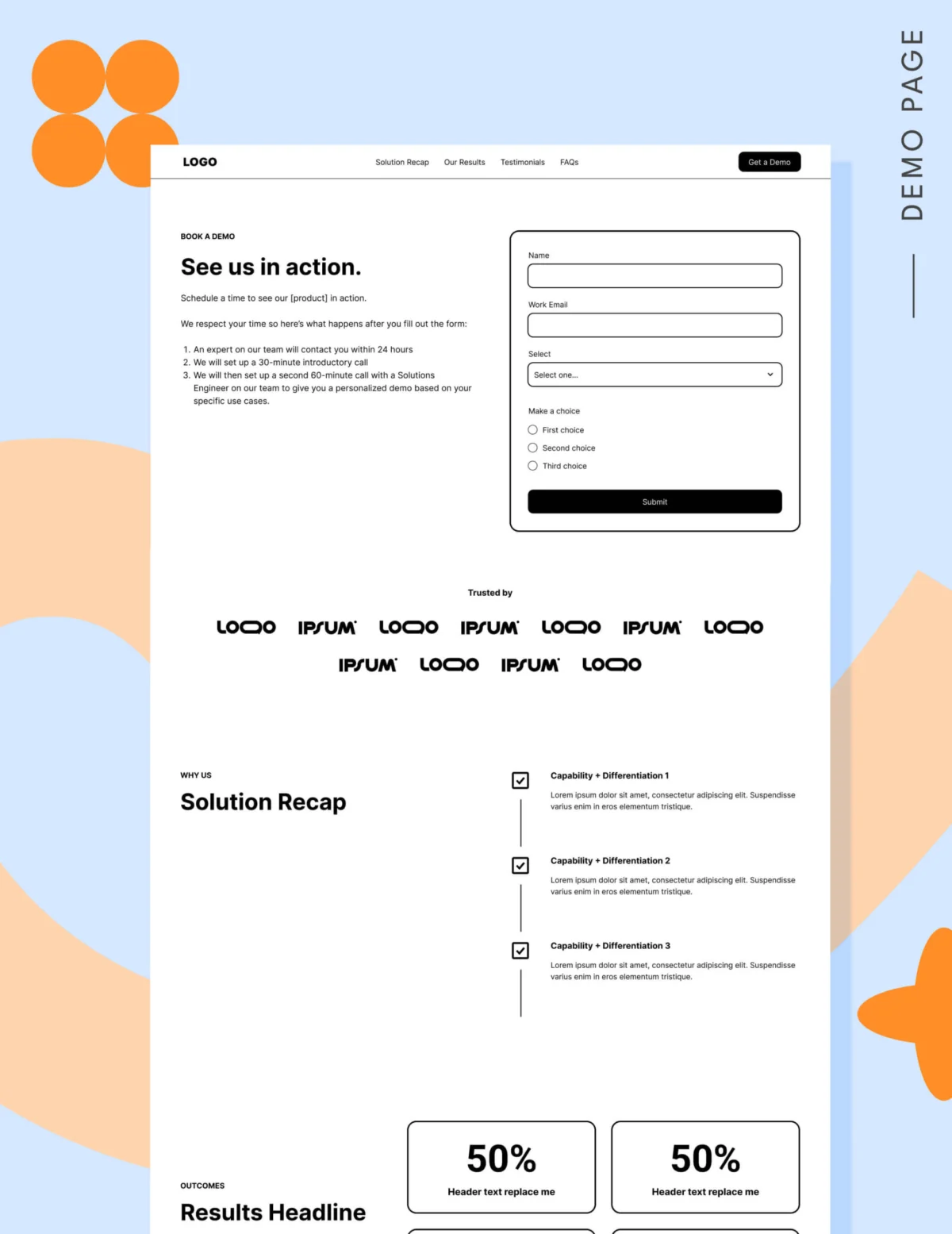
 Reynand Wu