
 rifanmuazin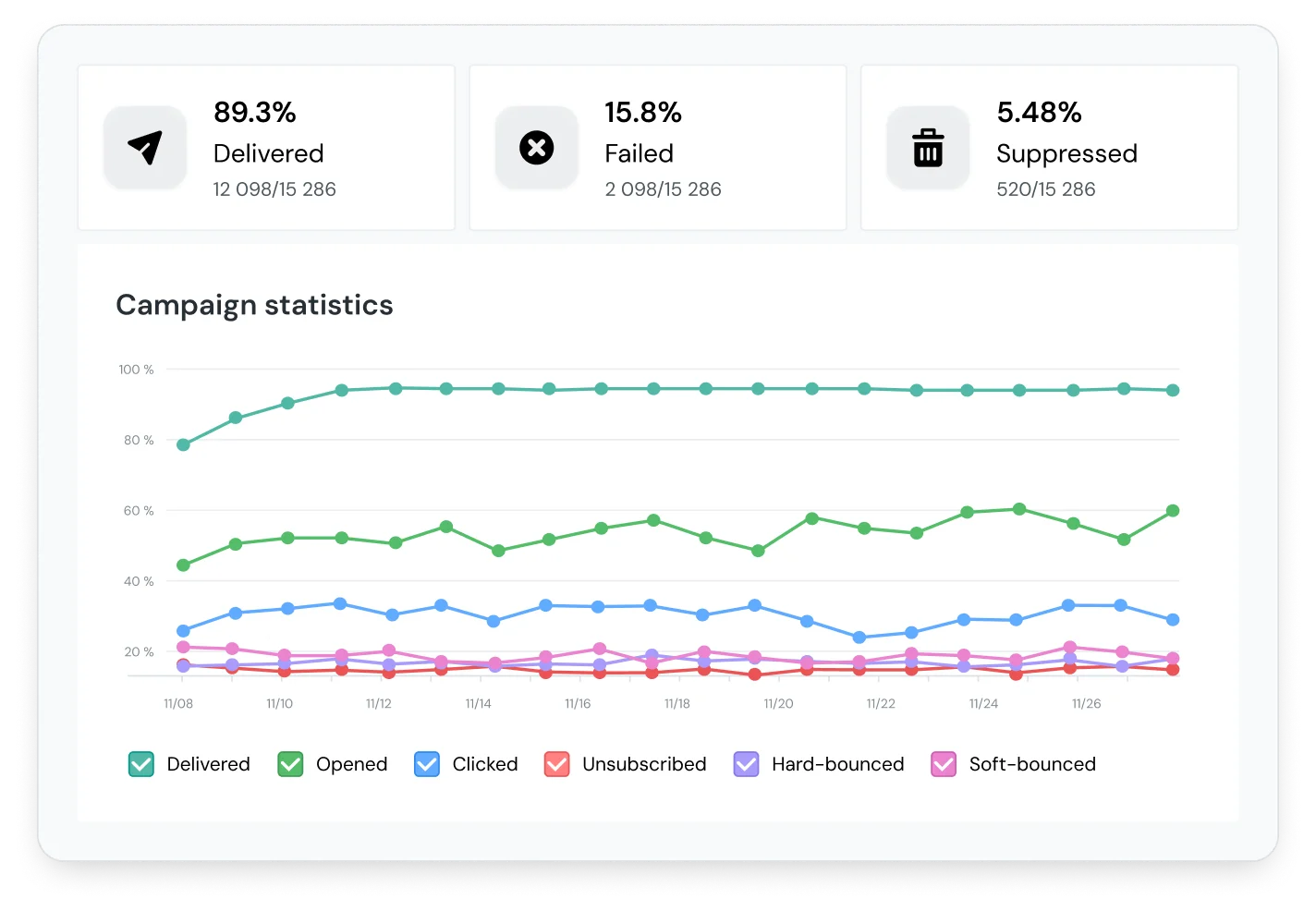
For email marketers navigating the dynamic digital landscape, the perennial question of optimal timing for newsletter deployment remains paramount. The precise moment an email campaign lands in a subscriber’s inbox directly correlates with its engagement metrics, significantly influencing open rates and click-through rates (CTR). As inboxes grow increasingly saturated, strategic timing has evolved from a simple guideline into a critical component of a robust email marketing strategy. This analysis delves into recent research, industry benchmarks, and practical methodologies to empower marketers in identifying the most effective windows for their campaigns.
The Nuance of Timing: Beyond Simplistic Views
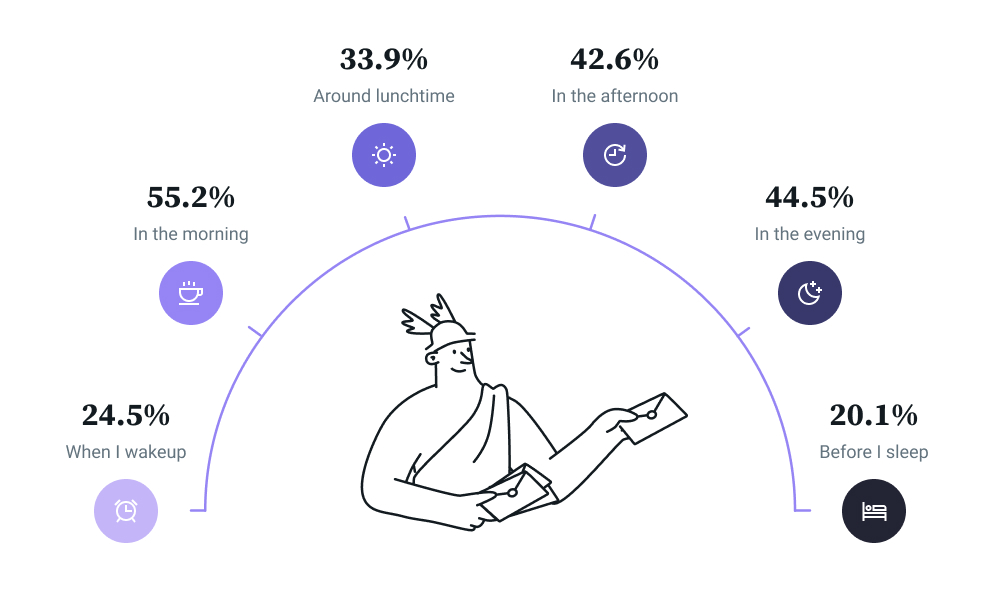
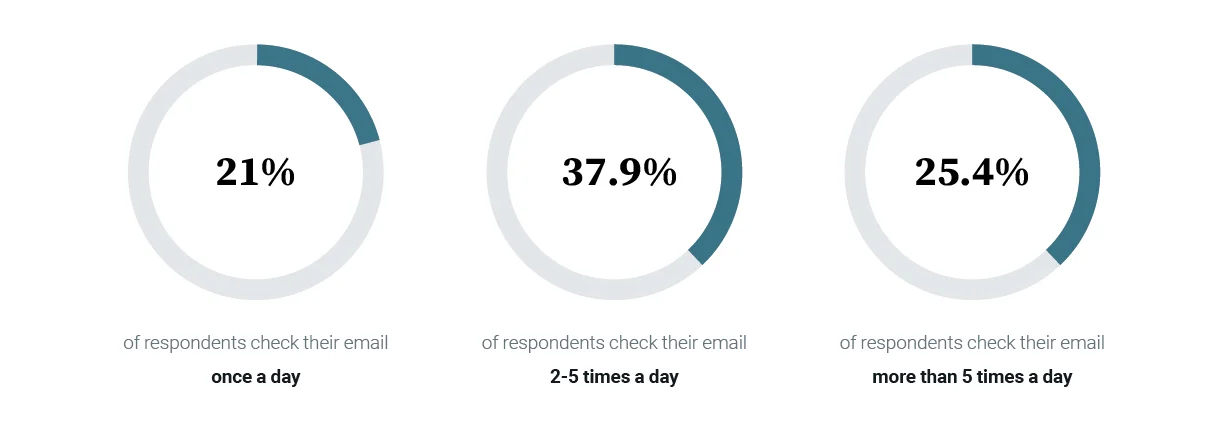
While a commonly cited wisdom suggests sending emails between 9 AM and 12 PM, this generalization often oversimplifies the complex reality of user behavior. Modern data reveals a more fragmented engagement pattern, indicating that individuals interact with their personal email inboxes multiple times throughout the day. According to a recent Email Engagement Report, a substantial 63.3% of users engage with their personal mailboxes at various intervals, challenging the notion of a single peak interaction period.
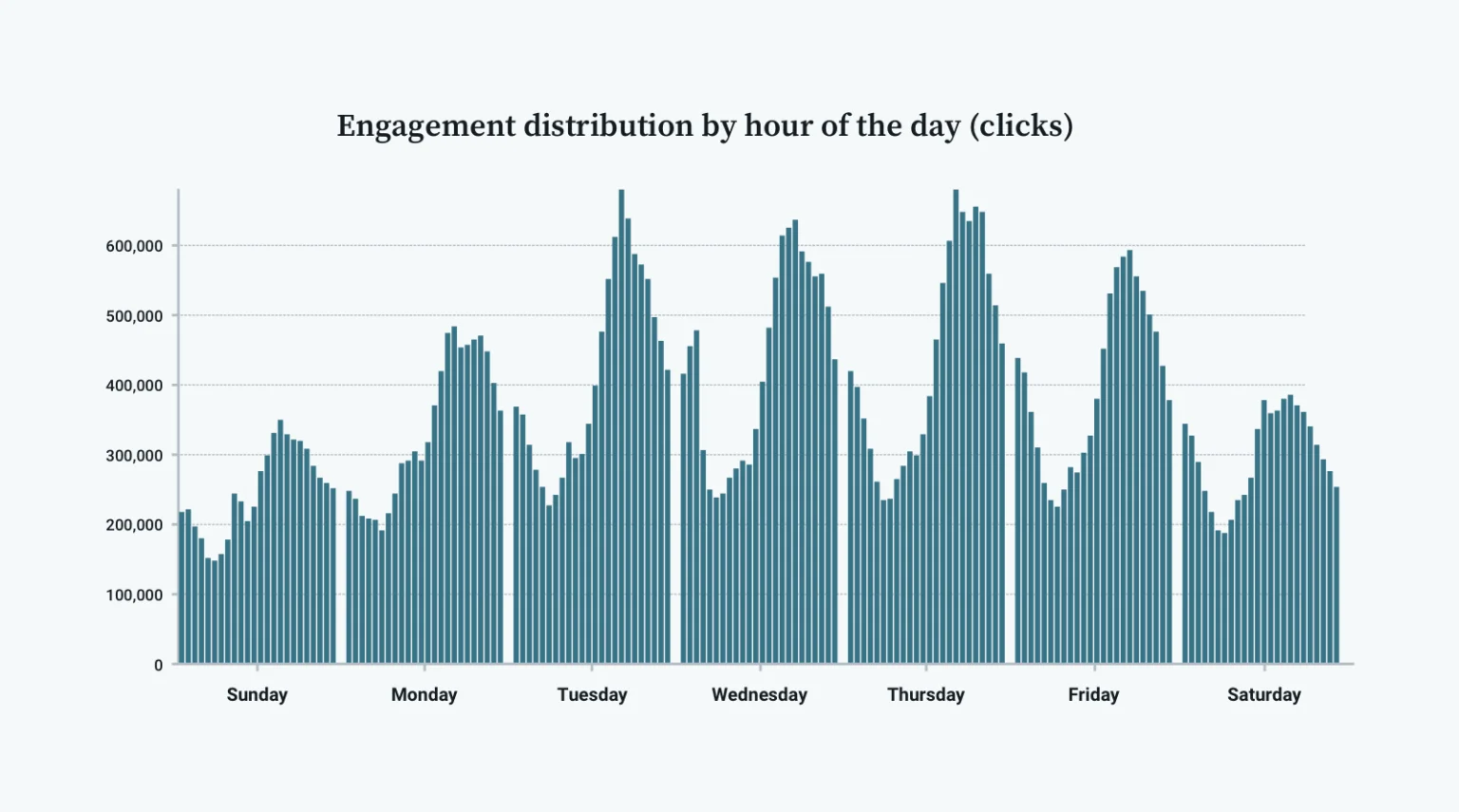
This continuous checking behavior, illustrated by detailed engagement graphs that track open and click rates by hour, highlights that while users frequently access their emails, their capacity to act on them is time-sensitive. The critical distinction lies between simply seeing an email and having the mental space and opportunity to open, read, and click through its content. Data from a comprehensive study conducted by Sinch Mailgun, analyzing billions of emails, indicates a global peak in click-to-open ratios around 15:00 UTC. This hour consistently registers the highest overall engagement. However, the universal application of this UTC timestamp necessitates careful conversion to local time zones. For instance, during summer months, 15:00 UTC translates to 11 AM Eastern Standard Time, underscoring the importance of regional localization. Ignoring time zone differences can inadvertently lead to campaigns landing at inconvenient hours for large segments of an audience, severely diminishing potential engagement.
Global Variations in Engagement
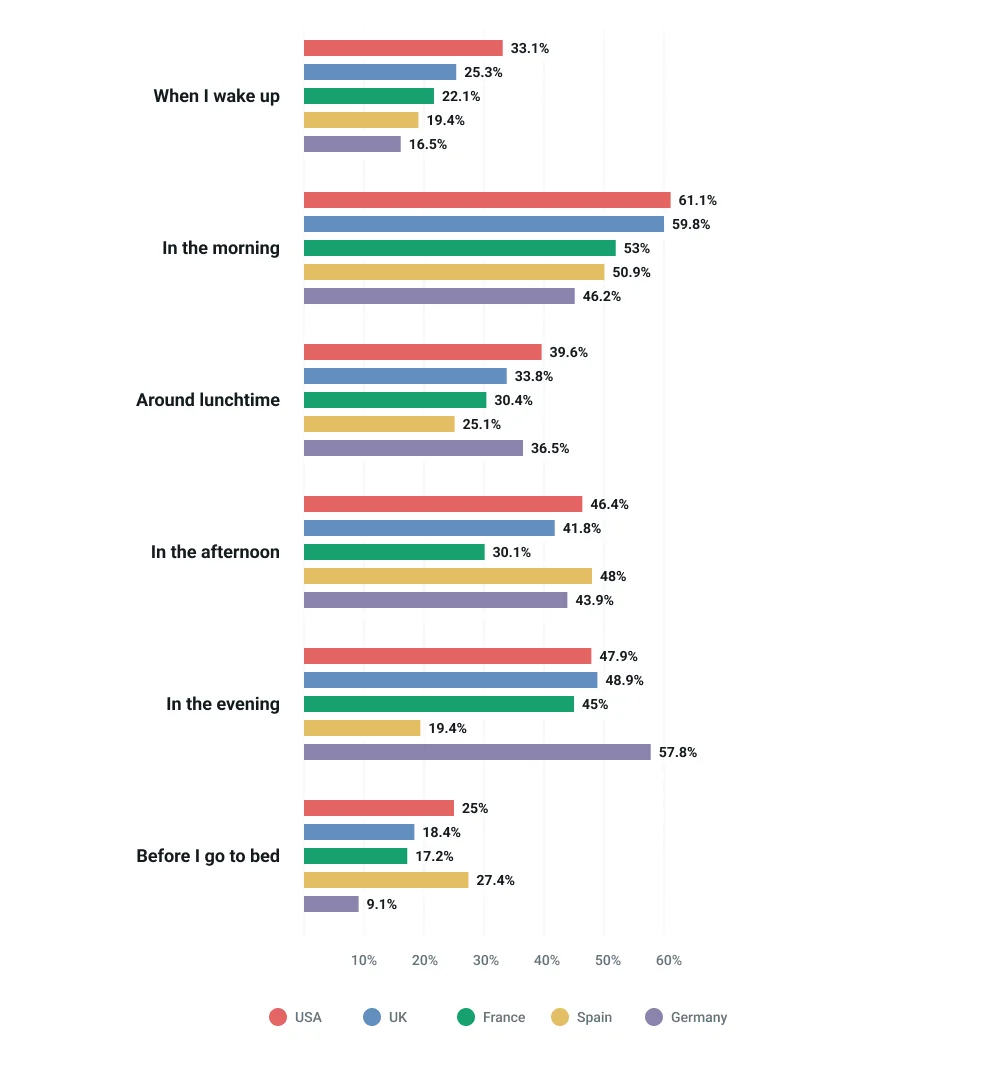
Email consumption habits are not monolithic; they are deeply influenced by cultural norms, daily routines, and geographical location. Research clearly demonstrates fundamental differences in email engagement across various countries. For example, the Email Engagement Report highlights stark contrasts, such as German customers showing high engagement in the early evening, with 57.8% opening emails during this period, compared to a mere 19.4% in Spain. Conversely, a significant 27.4% of Spanish participants reported checking emails late in the evening before bed, a behavior observed in only 9.1% of German users.
This compelling evidence mandates a nuanced approach to global email campaigns. Generic blast sends across diverse time zones and cultural contexts are inherently inefficient. Instead, marketers are strongly advised to leverage audience segmentation, tailoring send times to the specific habits of recipients in different regions. By aligning email delivery with the documented peak engagement windows of distinct cultural groups, marketers can dramatically enhance the relevance and impact of their messages, fostering stronger connections and higher conversion rates. This granular approach moves beyond simple time zone adjustments, incorporating a deeper understanding of localized digital routines.
The Weekly Rhythm: Best and Worst Days
Beyond the hour of the day, the chosen day of the week plays an equally significant role in determining email campaign success. Industry data consistently points to specific days offering superior engagement, primarily influenced by whether the target audience comprises business-to-business (B2B) or business-to-consumer (B2C) recipients, and the nature of the industry itself.
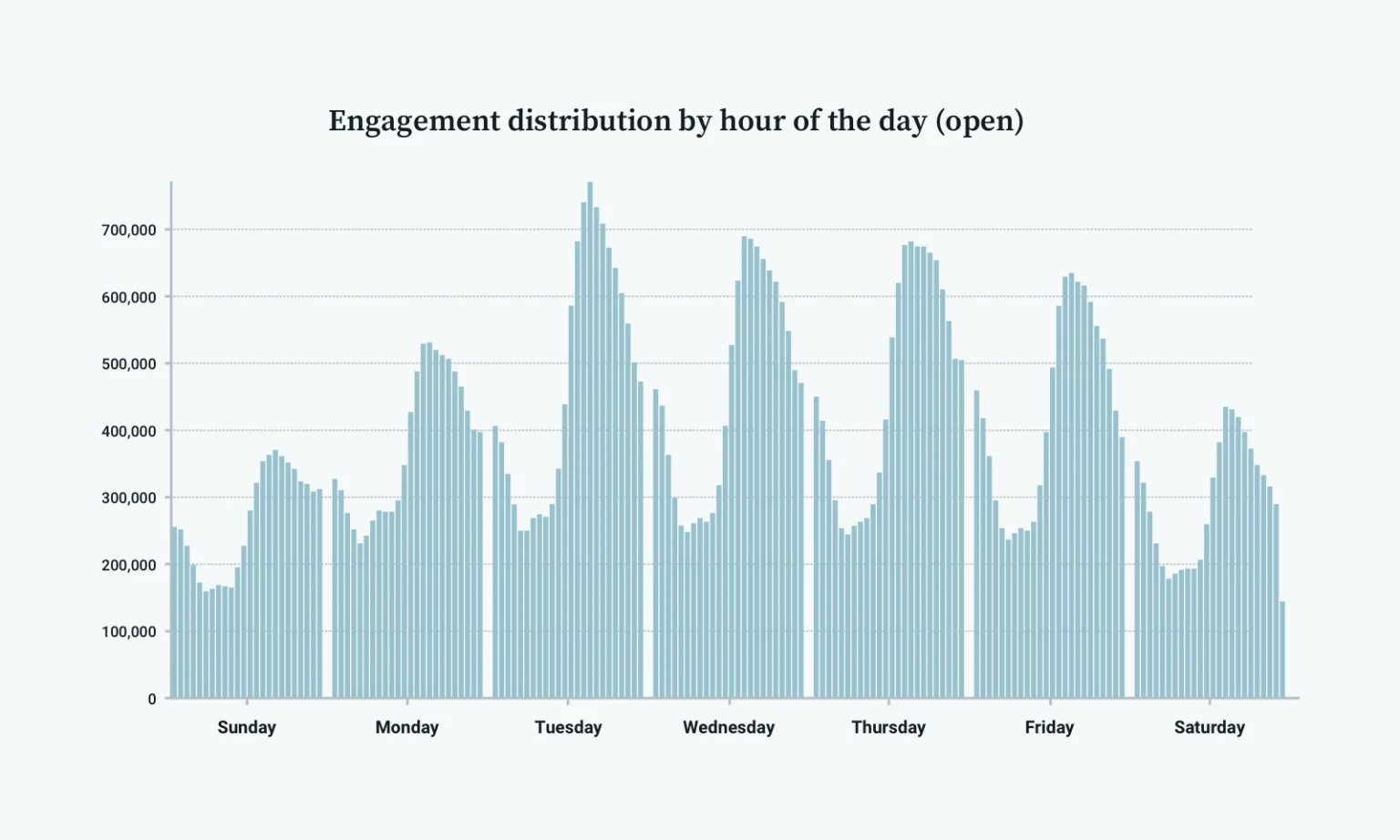
Analysis from the Sinch Mailgun study reveals that Tuesdays through Thursdays consistently yield the highest open and click-through rates. This mid-week window appears to capture recipients when they are actively engaged in their professional or personal routines but have not yet succumbed to weekend distractions or the initial Monday workload. While Tuesday and Thursday often show slightly higher individual engagement, Wednesday stands out as a robust second option. For marketers planning multiple sends within a week, a strategic combination of Tuesdays and Thursdays is often recommended. Sending on consecutive days like Tuesday and Wednesday, or Wednesday and Thursday, risks overwhelming subscribers, potentially leading to increased unsubscribes or email fatigue.
Conversely, certain days are generally considered less effective for email campaigns. Saturdays and Sundays are consistently identified as the worst days for email engagement. During weekends, individuals are typically engaged in leisure activities, family time, or errands, relegating email checking to a lower priority. The exception to this rule might be highly specialized, lighthearted content designed for weekend consumption, but for most marketing emails, weekends are best avoided.
The traditional perception of both Fridays and Mondays as suboptimal sending days is also being re-evaluated with fresh data. While Mondays are often associated with clearing weekend backlogs and planning the week ahead, leading to reduced receptiveness, recent research indicates that Friday often outperforms Monday in terms of open and click-through rates. This suggests that while Friday afternoon might see a drop in engagement, earlier Friday sends can still capture attention before the weekend truly begins, potentially benefiting from less inbox competition compared to mid-week. Mondays, conversely, are characterized by a deluge of emails and a focus on urgent tasks, making it harder for marketing messages to cut through the noise.
Ultimately, the decision of the best day involves more than just generalized statistics. While Tuesdays, Wednesdays, and Thursdays offer a strong starting point, marketers should also consider the competitive landscape. Sending on a slightly less popular day, like a Friday morning, might allow an email to stand out in a less crowded inbox, potentially capturing attention it might lose on a high-traffic Tuesday. Consistent delivery on a chosen day also builds anticipation and trust with the audience, making them more likely to expect and open future communications. Flexibility is also key; during holidays or special events, deviating from a regular schedule to align with changed audience routines can be more beneficial than rigidly adhering to a pre-set calendar.
Sector-Specific Strategies: B2B vs. B2C Dynamics
A critical distinction in email marketing strategy revolves around the target audience: B2B (business-to-business) versus B2C (business-to-consumer). The way individuals interact with their professional and personal inboxes varies significantly, necessitating tailored approaches to sending times. Many individuals maintain distinct habits for work and personal emails; some check personal emails constantly, while others only glance at them sporadically. Similarly, professional email habits range from constant vigilance during work hours to fixed-time checks.
The Email Engagement Report emphasizes that a large percentage of users check their personal emails multiple times a day. However, this does not directly translate to B2B engagement. For B2B campaigns, optimal timing often aligns with standard business hours, reflecting when professionals are actively engaged in their work. This typically means mid-morning to early afternoon on weekdays, when decision-makers are at their desks and receptive to industry news, product updates, or service offerings. Sending too early might see emails buried by the morning rush, while sending too late might mean they are overlooked as the workday concludes.
Conversely, B2C emails often perform well outside traditional business hours, including evenings and sometimes even weekends, depending on the product or service. Consumers might engage with promotional offers, lifestyle content, or entertainment newsletters during their commute, lunch breaks, or winding down in the evening. Understanding the daily rhythm of the target consumer – when they shop, relax, or seek information – is paramount.
To determine the most effective send times, marketers must ask:
- When are my target customers most likely to be at their computers or checking their phones for non-work-related content?
- What industry am I in, and how does that influence my audience’s daily schedule?
- What type of content am I sending, and when is it most relevant to the recipient?
- Are my recipients primarily using work email addresses for subscriptions, or personal ones?
The creation of detailed marketing personas becomes invaluable here. Personas that encapsulate not just demographics and psychographics but also daily routines and digital habits can provide profound insights into when and how subscribers engage with emails. The optimal time and day for B2C and B2B emails are rarely identical, making customer insights and rigorous testing the cornerstones for establishing effective email marketing benchmarks.
The Imperative of Email Sending Time
The effort invested in crafting compelling copy, designing engaging visuals, and formulating powerful calls-to-action (CTAs) can be entirely undermined if an email fails to reach its audience at an opportune moment. In today’s crowded email inbox, visibility is a fleeting commodity. Emails appearing at the top of the inbox generally achieve superior engagement compared to those buried lower down, highlighting the critical role of sending time in overall campaign planning.
Strategic timing directly contributes to several key objectives:
- Increased Open Rates: Catching recipients when they are most likely to check their email ensures the message is seen, rather than archived or deleted unread.
- Higher Click-Through Rates: An email opened at an opportune moment is more likely to be acted upon, leading to increased website traffic, conversions, or desired actions.
- Improved Conversion Rates: Higher engagement translates directly into better campaign performance and return on investment (ROI).
- Enhanced Brand Perception: Delivering relevant content at a convenient time demonstrates respect for the recipient’s schedule and reinforces a positive brand image.
- Reduced Unsubscribe Rates: Irrelevant or poorly timed emails can annoy recipients, leading to list attrition.
The underlying principle is clear: understanding customer behavior, their habits, and their geographical time zones is fundamental to determining the best day and time for campaign deployment. This ensures that a message not only reaches the inbox but is also seen and considered first when subscribers are most receptive. As emphasized by industry reports, 86.4% of respondents cite having adequate time to read an email as a crucial factor in their decision to open it, underscoring that content quality, while vital, is only half the battle; context and timing provide the other half.
Methodology for Optimization: Data-Driven Approaches
Identifying the elusive "perfect" sending time is rarely a static endeavor; it’s an ongoing process of analysis, experimentation, and refinement. While generalized industry data provides a valuable starting point, the most accurate insights will always come from a brand’s own audience data. Every business, customer base, and newsletter type possesses unique characteristics that influence optimal engagement. Age demographics, daily routines, professional commitments, and time zone distribution are all critical elements impacting open and click rates.
Email service providers (ESPs) offer a treasure trove of time-related data. Marketers should regularly consult their ESP’s statistics dashboard to analyze past campaign performance. This typically involves identifying days with the highest activity and then drilling down into hourly breakdowns to pinpoint peak engagement periods. For instance, Mailjet users can access detailed engagement statistics within their platform’s dashboard, providing visual representations of opens and clicks throughout the day and week. This first-party data is the most reliable indicator of an audience’s specific habits.
Beyond historical analysis, proactive experimentation is crucial. A/B testing stands as the most effective method for fine-tuning sending schedules. This involves creating controlled experiments to compare the performance of different send times or days. For example, to optimize a weekly newsletter, a marketer could conduct a three-week test: sending the newsletter at 10 AM in week one, 1 PM in week two, and 9 PM in week three. Alternatively, an A/B test could involve splitting the subscriber list, sending one segment the campaign in the early morning and the other in the afternoon, then comparing the resulting metrics. The scientific method of hypothesis, experimentation, analysis, and iteration is key to continuous improvement.
It’s important to remember that A/B testing isn’t a one-off task. Audience habits can evolve, and external factors (like seasonal changes, new product launches, or even global events) can shift engagement patterns. Regular testing and analysis ensure that email marketing strategies remain agile and responsive to these changes.
Technological Enablers: Automation and Personalization
Modern email marketing platforms are indispensable tools in the quest for optimal sending times. Features like segmentation, A/B testing, and comprehensive analytics dashboards provide the capabilities needed to implement data-driven strategies. Segmentation allows marketers to divide their audience into smaller, more homogeneous groups based on demographics, past behavior, geographical location, or time zone, enabling highly targeted send times. For instance, a global brand can segment its list by country and schedule emails to arrive at 10 AM local time for each segment.
Automation features, such as scheduled sending and intelligent timing algorithms, further streamline this process. Many platforms offer advanced scheduling options that allow marketers to pre-set campaigns for specific dates and times, or even dynamically adjust send times based on individual subscriber behavior (e.g., sending an email when a specific user is historically most likely to open it). Campaign comparison tools enable marketers to easily juxtapose the performance of different campaigns or variations, providing clear insights into which strategies are most effective.
Looking Ahead: The Evolving Landscape of Email Engagement
While the core principles of understanding audience behavior remain constant, the landscape of email engagement is continually evolving. The increasing prevalence of artificial intelligence (AI) and machine learning (ML) in marketing is poised to revolutionize timing strategies further. AI-powered platforms can analyze vast datasets of subscriber behavior, predicting individual optimal send times with unprecedented accuracy. This move towards hyper-personalization of delivery times will likely become a standard expectation, moving beyond generalized best practices to truly individualized scheduling.
Furthermore, the integration of email with other communication channels and the rise of conversational marketing will add new layers of complexity and opportunity. As marketers continue to adapt to these technological advancements and shifting consumer behaviors, the fundamental importance of delivering the right message at the right time will only grow. Ultimately, achieving optimal email engagement is not about finding a magic bullet, but rather embracing a systematic, data-driven approach that prioritizes the recipient’s experience. This commitment to continuous optimization, leveraging both human insight and technological tools, will define success in the competitive future of email marketing.









