rifanmuazin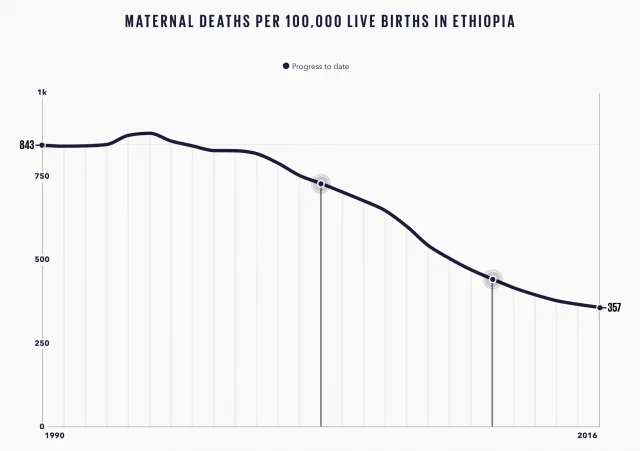
The Bill and Melinda Gates Foundation launched the inaugural Goalkeepers report in 2017, establishing a new framework for tracking progress toward the United Nations Sustainable Development Goals (SDGs). This initiative, titled Goalkeepers 2017, was designed to accelerate the global fight against extreme poverty and preventable disease by diagnosing urgent problems, identifying scalable solutions, and interpreting key data results to spread best practices internationally. Central to the report is a comprehensive analysis of maternal mortality, a metric that remains a primary indicator of a nation’s healthcare system strength and social equity. By synthesizing data from sources such as UNICEF and the World Health Organization (WHO), the report highlights the stories behind the numbers, focusing on how specific interventions in developing nations have led to historic shifts in public health outcomes.
The Goalkeepers Initiative and the 2017 Milestone
The 2017 Goalkeepers report represented a strategic shift in philanthropic communication, moving beyond traditional annual letters to a data-heavy, multi-medium digital platform. The foundation’s objective was to provide a "report card" on the SDGs, which were adopted by world leaders in 2015 as a roadmap for global development through 2030. The report emphasized that while the world has made significant strides in reducing poverty and disease, progress is not inevitable; it requires sustained investment and political will.
The maternal mortality section of the report highlights the devastating impact of maternal death on communities. Bill and Melinda Gates have characterized maternal mortality as one of the most efficient ways to destabilize a community, noting that the loss of a mother often places surviving children in immediate peril regarding their own health, nutrition, and education. According to the 2015 UNICEF data utilized in the foundation’s analysis, approximately 302,530 women died globally due to complications from pregnancy or childbirth in a single year. This equates to a global average of 168.7 deaths per 100,000 live births, a figure that masks significant regional disparities.
A Chronology of Global Maternal Health Efforts (1990–2015)
The trajectory of maternal health progress is best understood through the lens of the Millennium Development Goals (MDGs), which preceded the SDGs. Between 1990 and 2015, the international community focused on MDG 5, which aimed to reduce the maternal mortality ratio by three-quarters. While the world did not meet the exact numerical target, the progress achieved was unprecedented in human history.
In 1990, maternal mortality was a silent crisis in many parts of the world, with few systems in place to track deaths occurring in rural or impoverished areas. Over the subsequent two decades, a concerted effort by the WHO, UNICEF, and various NGOs led to improved data collection and the implementation of "Safe Motherhood" initiatives. These programs focused on increasing the proportion of births attended by skilled health personnel and improving access to emergency obstetric care.
By 2015, the global maternal mortality ratio had fallen by nearly 44%. This period saw the rise of community-based health interventions and the expansion of primary healthcare networks in sub-Saharan Africa and Southern Asia, the two regions that historically accounted for the vast majority of maternal deaths. The Goalkeepers 2017 report serves as a bridge between this MDG era and the current SDG era, which sets the ambitious target of reducing the global maternal mortality ratio to less than 70 per 100,000 live births by 2030.
The Ethiopia Case Study: A Model for Developing Nations
One of the most prominent success stories highlighted in the Goalkeepers 2017 report is that of Ethiopia. The East African nation demonstrated that rapid progress is possible even in resource-constrained environments. Between 1990 and 2015, Ethiopia reduced its maternal mortality ratio from 843 deaths per 100,000 live births to 357—a decline of over 50%.
This success was not accidental but the result of a deliberate, multi-decade government strategy known as the Health Extension Program (HEP). Launched in 2003, the HEP focused on decentralizing healthcare and bringing services directly to rural communities, where the majority of the population resides. The government trained and deployed more than 38,000 female health extension workers. These workers were recruited from their own communities, ensuring a level of trust and cultural understanding that traditional medical staff often lacked.
The health extension workers focused on four key pillars: hygiene and environmental sanitation, disease prevention and control, family health services, and health education. In terms of maternal mortality, these workers played a critical role in promoting antenatal care, identifying high-risk pregnancies early, and encouraging institutional deliveries rather than unassisted home births. Ethiopia also invested heavily in its "Health Development Army," a network of millions of volunteers who helped spread health information at the household level.
Supporting Data and Regional Disparities
While Ethiopia’s progress is noteworthy, the UNICEF dataset reveals the sheer scale of the remaining challenge. In 2015, the risk of a woman dying from maternal causes was 1 in 36 in sub-Saharan Africa, compared to 1 in 4,900 in high-income countries. This disparity underscores the fact that the vast majority of maternal deaths are preventable with existing medical knowledge and technology.
The primary causes of maternal mortality identified in the data include severe bleeding (mostly after childbirth), infections, high blood pressure during pregnancy (pre-eclampsia and eclampsia), complications from delivery, and unsafe abortions. The Goalkeepers report argues that addressing these issues requires a "continuum of care" approach, ensuring that women have access to health services from the pre-conception period through pregnancy, childbirth, and the postnatal period.
Furthermore, the data suggests a strong correlation between maternal survival and the presence of midwives. The WHO estimates that midwives who are educated and regulated to international standards can provide 87% of the essential care needed for women and newborns. In regions where the density of health workers is low, maternal mortality remains stubbornly high, illustrating the need for human resource investment in healthcare.
Official Responses and Global Policy Implications
The release of the Goalkeepers report prompted responses from global health leaders and policymakers. Tedros Adhanom Ghebreyesus, the Director-General of the World Health Organization and former Minister of Health for Ethiopia, has frequently cited the Ethiopian model as evidence that political commitment is the primary driver of health outcomes. Dr. Tedros has emphasized that universal health coverage (UHC) is the only way to ensure that no mother dies because she cannot afford or access care.
The Gates Foundation itself has used the report to advocate for continued foreign aid from donor nations. During the 2017 launch, Bill Gates noted that "the world’s biggest successes have come from people who have looked at the data and said, ‘We can do better.’" The foundation warned that even a 10% cut in global health funding could result in millions of additional deaths, emphasizing that the progress made in countries like Ethiopia is fragile and requires sustained financial backing.
From a policy perspective, the Goalkeepers report advocates for "data-driven governance." By using tools like Google Data Studio and other visualization platforms, policymakers can identify "hotspots" where maternal mortality is not declining and redirect resources accordingly. This analytical approach moves public health away from guesswork and toward precision interventions.
Broader Impact and Socio-Economic Implications
The implications of reducing maternal mortality extend far beyond health statistics. Economists argue that maternal health is a prerequisite for economic development. When a mother survives, she is able to contribute to the workforce and care for her family, which increases the household’s economic stability. Conversely, maternal death often leads to the dissolution of the family unit, increased child mortality, and a cycle of poverty that can last for generations.
The Goalkeepers 2017 report also highlights the role of female empowerment in reducing mortality rates. In countries where women have greater access to education and family planning, maternal mortality rates tend to be lower. Education allows women to make informed decisions about their health, while family planning enables them to space births, reducing the physical strain on their bodies and the risk of complications.
The report’s emphasis on "information design" also has implications for the field of international development. By making complex datasets accessible through animations, charts, and case studies, the Gates Foundation has made the case for global health more palatable to the general public and private investors. This transparency is seen as vital for maintaining the public’s trust in international aid programs.
Future Outlook and the Path to 2030
As the world moves further into the SDG era, the lessons from the Goalkeepers 2017 report remain highly relevant. The target of reducing maternal mortality to 70 per 100,000 live births by 2030 is formidable, particularly in conflict-affected regions where healthcare infrastructure has collapsed. However, the success of Ethiopia and the steady decline in global mortality rates provide a blueprint for what can be achieved.
The future of maternal health will likely depend on the integration of technology—such as mobile health (mHealth) apps for tracking pregnancies in remote areas—and the continued expansion of the primary healthcare workforce. The Gates Foundation intends to update the Goalkeepers report annually until 2030, providing a continuous stream of data to hold world leaders accountable.
The fight against maternal mortality is described by the foundation not just as a medical challenge, but as a moral imperative. As the 2017 report concludes, the data shows that the world has the tools to end preventable maternal deaths; the remaining question is whether it has the collective will to implement those tools in every corner of the globe. By identifying "goalkeepers"—leaders and innovators who are hitting their targets—the foundation hopes to inspire a new generation of progress that ensures every mother has the chance to see her children grow.