rifanmuazin
The modern digital landscape, dominated by rapid-fire short-form content and algorithmic feeds, has ushered in a cognitive phenomenon frequently described by researchers and social commentators as "brain rot." This term, while colloquial, reflects a growing concern among psychologists and educators regarding the systematic erosion of the human attention span. As platforms like TikTok, Instagram Reels, and YouTube Shorts prioritize high-frequency, low-context engagement, a counter-movement is beginning to take hold. Professionals and enthusiasts alike are increasingly turning toward structured learning—including certifications, long-form courses, and skill-based training—not merely for career advancement, but as a deliberate neurological exercise to reclaim focus and mental clarity.
The Cognitive Cost of the "Infinite Scroll"
The transition from intentional internet use to passive consumption has been rapid. A study conducted by a journalism graduate student at San Diego State University (SDSU) in 2025 highlighted a direct correlation between short-form video consumption and a decline in academic performance. The research found that even a few minutes spent scrolling through TikTok before engaging with long-form text significantly impaired the subject’s ability to concentrate and retain information. This "priming" for distraction suggests that the brain’s executive functions are being recalibrated by the mechanics of the infinite scroll.
The platform’s own data supports this trend of cognitive fatigue. In a survey conducted by TikTok, nearly 50% of users reported that videos longer than 60 seconds were "stressful." This finding points to a shrinking tolerance for depth and nuance. When information is delivered in 15-to-30-second bursts, the brain is conditioned to expect immediate dopamine rewards, making the sustained effort required for complex problem-solving or deep reading feel increasingly laborious.
A Chronology of Digital Consumption and the Pivot to Structure
To understand the current shift toward structured learning, one must look at the evolution of digital engagement over the last two decades. In the early 2010s, the internet was characterized by "search-and-find" behavior, where users sought out specific information. By the mid-2010s, the rise of the "feed" shifted behavior toward "discovery," where algorithms curated content based on past preferences.
The current era, beginning around 2020, is defined by "hyper-consumption." The introduction of AI-generated summaries and ultra-short-form video has reduced the "unit of information" to its smallest possible size. In response to this fragmentation, a trend toward "intentional learning" began to emerge in late 2023. Individuals who felt the effects of cognitive decline—manifesting as an inability to watch a full television episode without checking a mobile device or a reliance on social media as a primary source of news—started seeking out "analog-style" digital experiences. This led to a resurgence in enrollment for platforms like MasterClass, Duolingo, and specialized industry certifications.
Structured Learning as a Neurological Corrective
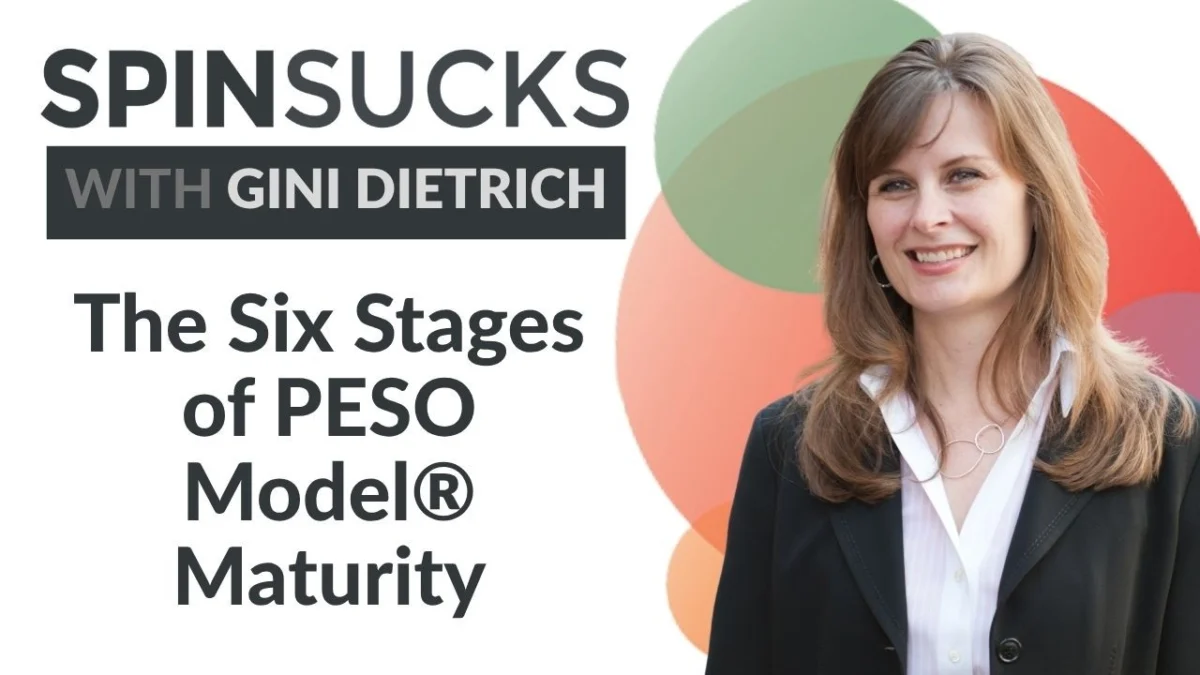
Structured learning provides a framework that is diametrically opposed to the chaos of social media algorithms. Whether it is a professional certification in a marketing framework like the PESO Model® or a physical discipline such as a Yoga Teacher Training (YTT) program, these activities share several key characteristics that aid in cognitive recovery.
Rebuilding the Attention Span
The primary benefit of a structured curriculum is the requirement for "Deep Work," a term coined by computer science professor Cal Newport. Unlike the multi-tasking environment of a typical workday, which is often interrupted by Slack messages and emails, a certification module requires a "deadbolt" approach to focus. In a professional setting, mastering the PESO Model—which integrates Paid, Earned, Shared, and Owned media—requires an understanding of complex interconnected strategies. This necessitates long periods of uninterrupted study, which serves as "resistance training" for the brain’s attention centers.
The Science of "Sattvic" Thinking
The pursuit of learning also finds a basis in ancient cognitive philosophies that align with modern psychology. In Sanskrit philosophy, the mind can exist in different states: Rajas (activity, passion, and often chaotic energy) and Sattva (clarity, balance, and discipline). The constant stream of digital notifications keeps the brain in a state of high Rajas, characterized by a racing mind and fragmented thoughts. Structured learning facilitates a shift toward Sattva. By narrowing the field of focus to a single subject—such as the alignment of a specific yoga pose or the technicalities of building an "anchor hub" for content marketing—the learner experiences a meditative state of "flow." This clarity allows for better planning, improved writing, and a more disciplined approach to daily tasks.
Professional and Personal Fulfillment
The motivation for this shift is not purely academic. There is a tangible professional advantage to moving beyond "Joe Shmo" sources on social media and seeking information directly from primary, long-form sources.
Career Mobility and Specialization
In a competitive job market, the ability to demonstrate hard, demonstrable skills is a significant differentiator. While many professionals may have a "semblance" of an idea regarding their field, certification provides a roadmap of definitions and need-to-know concepts. For instance, knowing that "earned media" exists is different from possessing a strategy that dictates which media outlets to pursue and how to measure the ROI of those efforts. This level of specialization provides career mobility that passive content consumption cannot match.
The Social Component of Learning
Another critical element of structured learning is the community it fosters. Certifications often involve cohorts or peer groups. This social interaction provides a diversity of perspectives that is often missing from social media "echo chambers." Engaging in debate and discussion with peers allows learners to see their work through a new lens, fostering a more nuanced understanding of the subject matter.
Case Study: The Therapeutic Value of Non-Career Learning
The benefits of structured learning extend beyond the professional realm. Learning for the sake of joy or personal fulfillment has been shown to improve mental health and provide a sense of accomplishment that digital consumption lacks.
Consider the example of an individual picking up a musical instrument later in life. While learning the guitar may not advance a career in mathematics or law, the weekly commitment to a teacher and the physical requirement of practicing scales provides a "therapy" of sorts. It forces the individual to be present, to handle frustration, and to celebrate small, incremental victories. This type of learning cultivates a sense of self that is independent of digital validation or algorithmic approval.
Broader Impact and Societal Implications
The shift toward structured learning has broader implications for societal productivity and mental health. As more individuals recognize the "brain rot" associated with excessive scrolling, there is a likely future where "digital hygiene" becomes as common as physical exercise.
Industry experts suggest that we may see:
- Corporate Wellness Integration: Companies may begin to offer "learning sabbaticals" or stipends for non-work-related certifications to help employees combat burnout and improve focus.
- Educational Reform: Schools may reintroduce "slow learning" modules to counteract the effects of short-form media on younger generations.
- The Decline of the "Generalist": As AI takes over basic informational tasks, the value of humans who possess deep, structured expertise in niche areas will continue to rise.
Conclusion
The "brain rot" era is a byproduct of a digital economy that treats human attention as a commodity to be harvested in the smallest possible increments. However, the human brain remains remarkably plastic. By choosing to step away from the infinite scroll and committing to the rigors of a structured course or certification, individuals can rebuild their capacity for deep thought and sustained focus. Whether the goal is to master the PESO Model, learn a new language, or finally understand the mechanics of a crescent lunge, the act of learning offers a refreshing and necessary way to feel more present, capable, and fulfilled in an increasingly fragmented world. The antidote to the blue light of the scroll is the green grass of curiosity and the disciplined pursuit of knowledge.