
 rifanmuazin
The evolving landscape of digital communication places paramount importance on effective email design, transforming it from a mere technical task into a strategic art form crucial for brand engagement and deliverability. At the recent Email Camp event, industry leaders converged to dissect the fundamental best practices and illuminate cutting-edge trends poised to redefine email marketing in 2026. This comprehensive guide, drawing directly from the insights shared by experts like Mike Nelson of Really Good Emails and François Sahli, Digital Design Director at Sinch, aims to equip marketers with the knowledge and tools to craft emails that not only capture attention but also drive measurable results and ensure inclusivity in an increasingly competitive digital arena.
Setting the Stage: Insights from Email Camp 2025
The annual Email Camp event, held on December 2, 2025, served as a pivotal forum for email marketing professionals, designers, and strategists to explore the intricate nuances of email design. Organized by Sinch, a global leader in cloud communications, the event brought together thought leaders to share their expertise on optimizing email campaigns for maximum impact. A highlight was the session titled "Cutting-edge email designs" led by Mike Nelson, a renowned figure from Really Good Emails, a platform celebrated for curating exemplary email campaigns. Nelson’s presentation delved into advanced design trends, strategies for problem-solving within email layouts, and critical considerations for ensuring universal accessibility across diverse devices. The discussions underscored a collective industry recognition that sophisticated email design is no longer a luxury but a necessity for fostering deep recipient engagement and overcoming the challenges of cluttered inboxes and stringent spam filters that often plague less meticulously designed communications.
Foundational Pillars of Email Design: Best Practices for Optimal Engagement
Effective email design hinges on a set of fundamental best practices that transcend fleeting trends, ensuring messages are consistently well-received, legible, and engaging. François Sahli, Sinch’s Digital Design Director, emphasized these principles, asserting their relevance for both novice and seasoned email marketers seeking to elevate their campaigns.

Responsive Formatting: Adapting to Every Screen
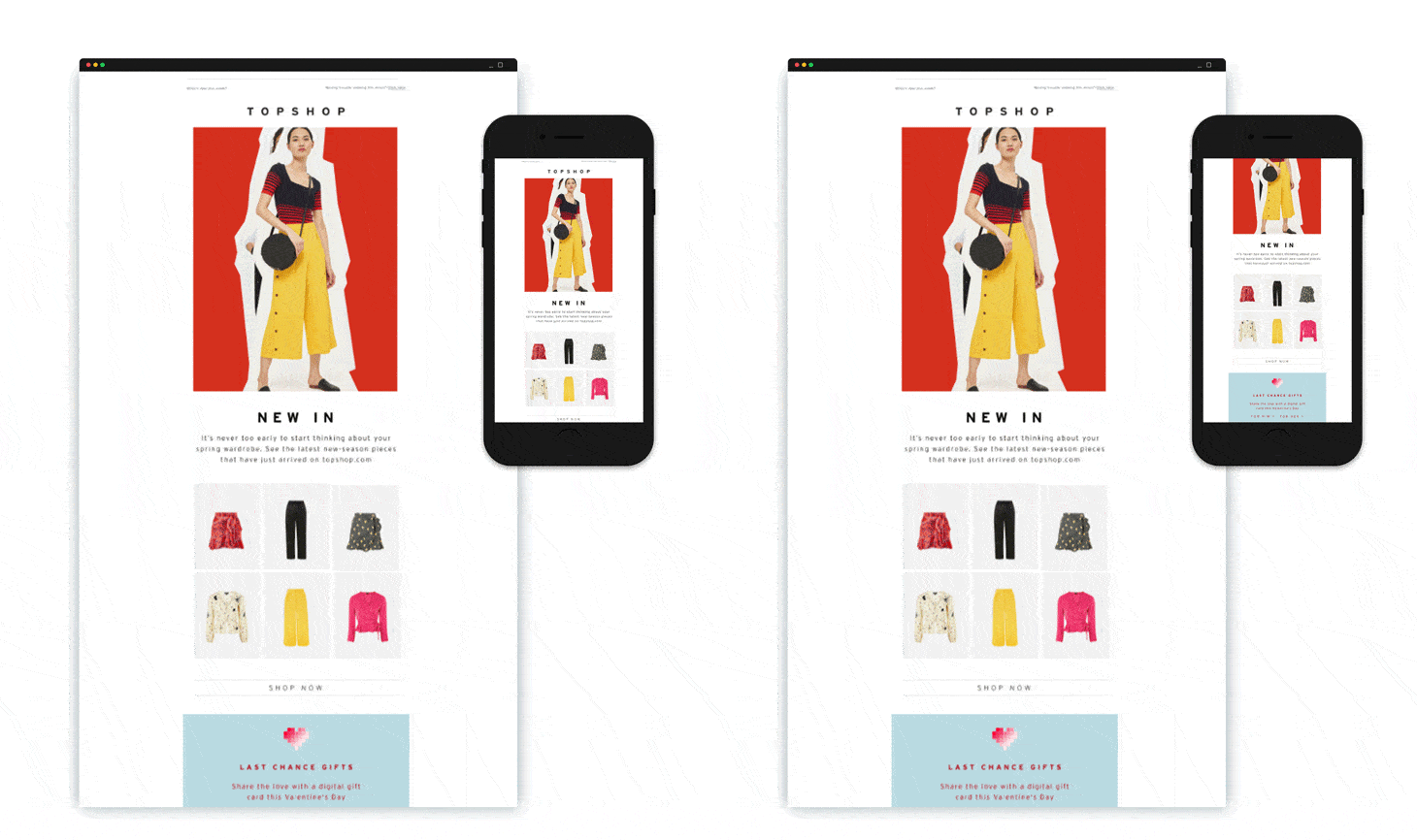
In an era dominated by mobile device usage, responsive design is non-negotiable. Sahli highlighted the critical importance of adhering to standard email widths: typically 600 pixels for desktop viewing and a narrower 320 pixels for mobile screens. Deviating from these widely accepted dimensions can lead to frustrating horizontal scrolling for users, severely degrading the user experience. Industry data consistently shows that over 50% of emails are opened on mobile devices, making mobile optimization paramount for reaching a significant portion of any audience. Furthermore, image optimization is crucial; large, uncompressed images can significantly slow down load times, consume excessive data for mobile users, and negatively impact deliverability by triggering spam filters. Tools like Compress JPEG are invaluable for reducing file sizes while preserving visual quality. As a pro tip for deliverability, overloading emails with excessively large images or complex HTML can significantly harm engagement rates and, more critically, increase the likelihood of messages being flagged as spam or filtered out before reaching the inbox, as evidenced by various studies on email deliverability metrics.
Strategic Image Use: Balancing Visuals and Deliverability
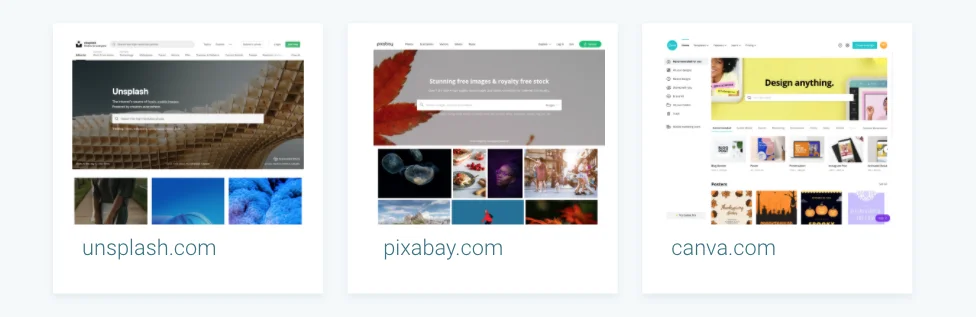
Images play a powerful role in conveying brand identity and enhancing visual appeal. However, their integration must be strategic and mindful of technical considerations. Internet Service Providers (ISPs) analyze the text-to-image ratio as a key factor in determining whether an email is legitimate or potential spam. A widely recommended ratio is approximately 70% text to 30% images. This balance ensures that the email provides sufficient textual content for readability and indexing by spam filters, thereby reducing the risk of messages being marked as spam or blocked. Beyond deliverability concerns, marketers must account for instances where images may be blocked by email clients, a common occurrence. Sahli advises implementing alt-text (alternative text) for all images, providing a descriptive fallback if the image fails to load. Additionally, adding a background color that complements the email’s design ensures that textual content remains legible even when background images are suppressed. For sourcing high-quality, royalty-free images, platforms like Unsplash and Pixabay offer extensive libraries, while design tools like Canva empower marketers to create professional-looking visuals with ease, even without advanced graphic design skills.
Compelling Calls-to-Action: Driving User Engagement
A Call-to-Action (CTA) is the gateway to conversion, guiding recipients to the next step in their journey, whether it’s signing up for a webinar, exploring a product catalog, or making a purchase. To maximize conversion rates, strategic CTA design is essential. Sahli recommends limiting the number of CTAs, particularly "above the fold" – the content visible without scrolling. This focused approach prevents decision paralysis and directs user attention effectively. The visual prominence of CTAs is equally important; playing with color, contrast, and ample white space can make buttons stand out distinctly against the email’s background. Furthermore, meticulous attention to size and spacing is crucial, especially for mobile users. Clickable elements, such as buttons and icons, should be at least 40 to 48 pixels wide to accommodate finger taps, and sufficient spacing between multiple CTAs or interactive elements is necessary to prevent accidental clicks, enhancing the overall mobile user experience and reducing user frustration.
Typography: Crafting Legibility and Brand Identity
Typography is a subtle yet powerful element of email design, influencing both readability and brand perception. The distinction between "web safe fonts" and "web fonts" is critical for ensuring consistent display. Web safe fonts (e.g., Arial, Times New Roman, Verdana, Georgia) are universally supported by all major operating systems and email clients, guaranteeing consistent display across virtually all platforms. Conversely, web fonts (e.g., Open Sans, Roboto), while offering greater design flexibility and brand distinctiveness, pose compatibility challenges, as not all email clients render them correctly. François Sahli cautioned against the indiscriminate use of web fonts, stating, "While web fonts offer many design opportunities, specialists must be careful because, unfortunately, not all email clients support them." To mitigate this, marketers must implement "fallback fonts" – a prioritized list of web safe fonts that email clients can default to if the primary web font is not supported. This strategic approach ensures that the email’s aesthetic integrity and readability are largely maintained, even under varying technical conditions.
Robust Code and Cross-Client Compatibility
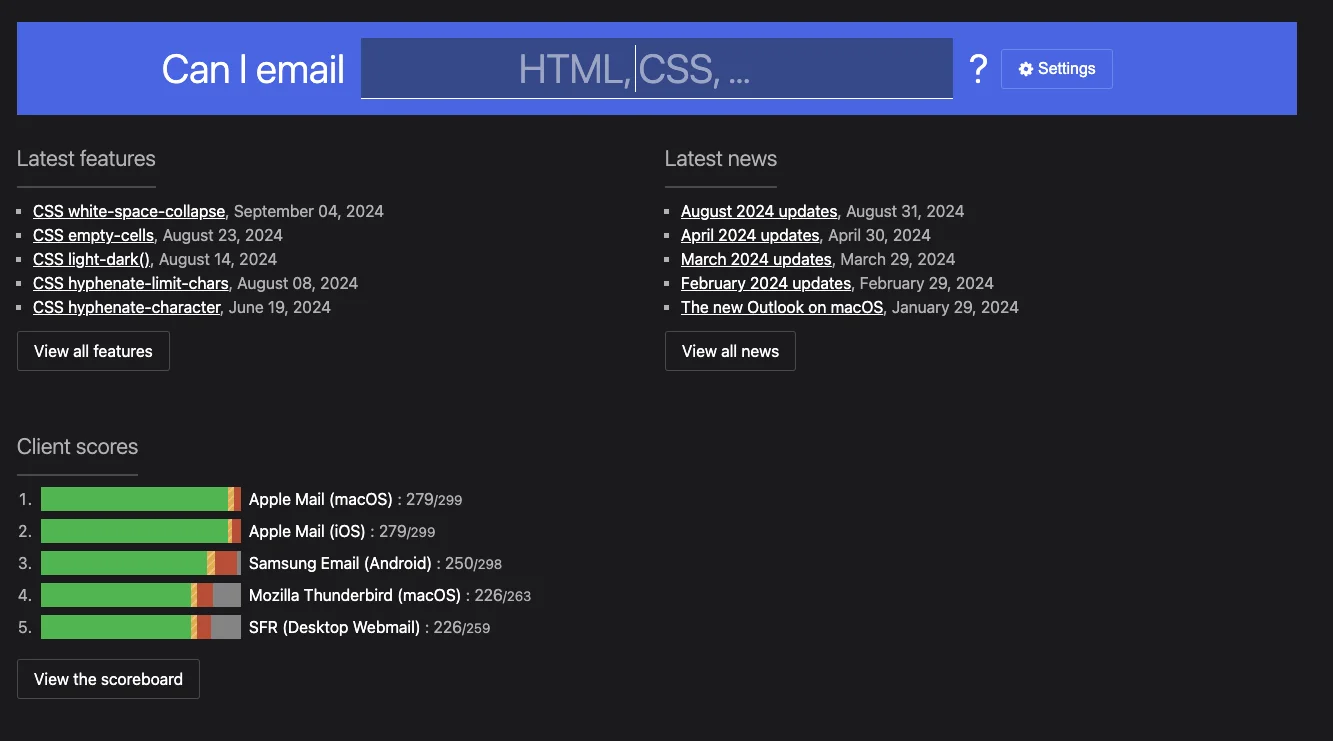
The fragmented ecosystem of email clients presents a persistent challenge for designers. Features and code elements that function seamlessly on web pages may render inconsistently or fail entirely within email clients. For instance, Gmail might struggle with certain web fonts, specific versions of Outlook are notorious for misinterpreting background images, and many webmail providers do not support advanced CSS features like drop shadows. This technical variability necessitates thorough testing and a deep understanding of client capabilities. Resources like Can I Email provide an invaluable database, detailing the level of support for various HTML and CSS features across a multitude of email clients. This knowledge empowers designers to make informed decisions, balancing innovative design with universal compatibility, thereby ensuring a consistent and professional experience for all recipients, regardless of their chosen email platform.
The Imperative of Responsive Design
The proliferation of smartphones has made responsive design an absolute necessity in contemporary email marketing. As the article highlights, a staggering 80% of email recipients report deleting emails that do not display correctly on mobile devices. This compelling statistic underscores the direct correlation between responsive design and engagement rates, as well as brand perception. An email editor that employs responsive design by default is a fundamental tool for modern marketers. Platforms like Sinch Mailjet’s Email Editor offer such capabilities, allowing marketers to effortlessly create campaigns that adapt fluidly to any screen size and orientation. Crucially, advanced editors often include comprehensive preview features, enabling designers to visualize precisely how their email will appear across different inboxes, on various device manufacturers, specific software versions, and even in diverse geographic regions, thereby eliminating guesswork and ensuring a polished, consistent presentation before the email is sent to thousands or millions of subscribers.
Leveraging Templates and Component Libraries for Efficiency
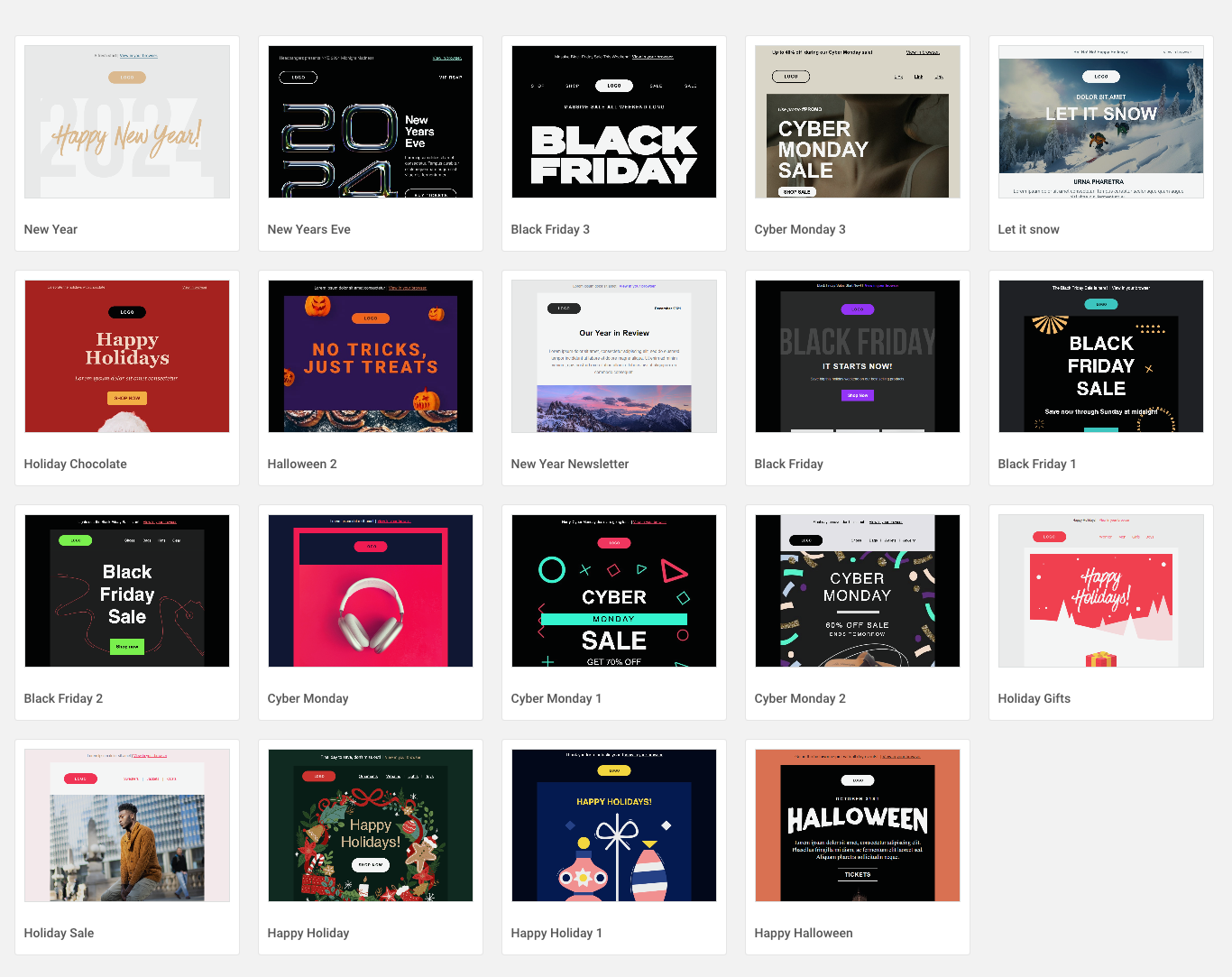
Drawing parallels from successful web development practices, the adoption of templates and component libraries is a powerful strategy for streamlining email design workflows and ensuring brand consistency. Creating a centralized library of reusable email components (e.g., standardized headers, footers, call-to-action blocks, product display modules) ensures a consistent brand identity across all campaigns. This standardization not only accelerates the design process by reducing the need to build elements from scratch but also facilitates comprehensive quality assurance and testing. By verifying the display integrity of the entire component library, marketers can be confident that any email constructed from these pre-approved elements will render correctly across various clients. Furthermore, a robust library empowers rapid iteration and A/B testing, allowing marketers to quickly experiment with different layouts and design variations to optimize performance without extensive development time. Resources like Really Good Emails and Email Love serve as excellent inspiration hubs, showcasing innovative and effective email designs from various brands, fueling creativity and informing strategic design choices. Sinch Mailjet, for instance, offers a rich gallery of pre-designed newsletter templates, including seasonal options, simplifying the design process and allowing marketers to focus on compelling content and strategic messaging.
Emerging Horizons: Key Email Design Trends for 2026
Beyond foundational best practices, the email design landscape is continually evolving, driven by technological advancements, shifting consumer behaviors, and a persistent desire for greater differentiation. Mike Nelson’s session at Email Camp 2025 offered a glimpse into the cutting-edge trends shaping the future of email marketing, providing valuable foresight for marketers planning their strategies for the coming year.
Brand-Centric Boldness: "Go Big or Go Home"
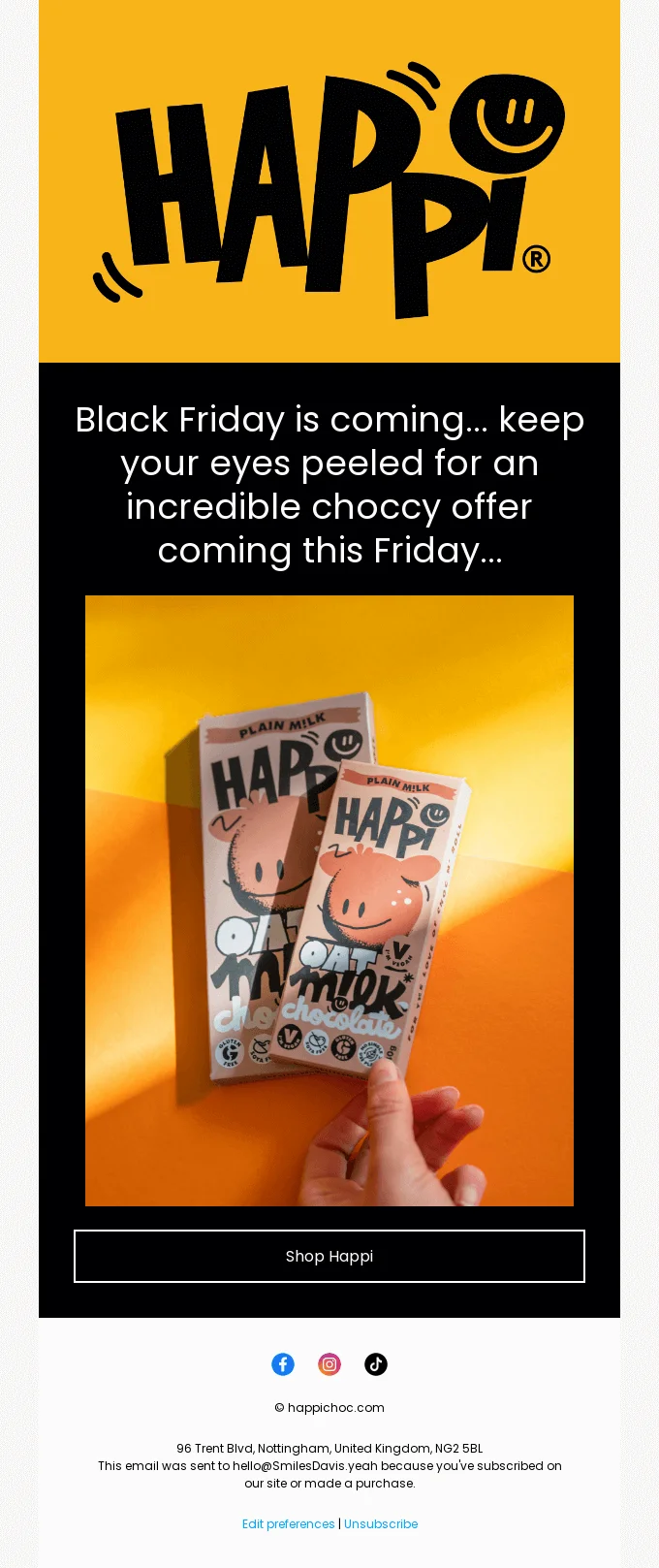
A prominent trend emerging for 2026 is a deliberate shift towards amplifying brand identity through bold, impactful visuals and typography, rather than solely focusing on products or specific messages. In an increasingly saturated market, brands are seeking distinctive ways to capture attention in cluttered inboxes. This trend often manifests in the use of oversized headlines, dramatic hero imagery, and a de-emphasis on traditional logos or icons in the immediate "above the fold" section. Examples from brands like Happi, which uses a dominant header image to command attention, and The Label Edition, which leverages a large, stylized title to draw recipients in, illustrate this approach. The implication is clear: by deviating from conventional, product-centric email structures, brands are betting on quirkiness, strong visual identity, and bold aesthetics to differentiate themselves, fostering immediate recognition and prompting deeper engagement. This strategy reflects a broader marketing move towards experience-led branding, where the overall feeling conveyed by the brand is as important as the product itself.

Structured Clarity: The Rise of "Hard Tables"
"Hard tables" refers to the practice of visually segmenting content blocks within an email using distinct, often bold, outlines. While the term might evoke complex data structures, in email design, it’s about creating clear visual boundaries that separate different sections of content. These outlines don’t necessarily have to be black; they can be adapted to the email’s theme, such as white lines in a dark mode email, as demonstrated effectively by Arkk. XXXI’s use of traditional black outlines on a white background further exemplifies this trend. The appeal of hard tables lies in their ability to provide structured clarity. By compartmentalizing content, readers can more easily navigate through different sections, especially in newsletters with substantial content or multiple topics. This visual organization enhances readability, reduces cognitive load by making content digestible, and makes the email appear more polished and intentionally designed, thereby improving the overall user experience and content consumption.
The Star Power Play: "Celebrity Cameos"
The use of celebrities in marketing is a time-honored tradition, dating back to figures like Lily Langtree endorsing Pears Soap in 1882. This classic strategy is experiencing a significant resurgence in email campaigns. Brands are strategically featuring popular personalities to endorse products or embody brand values within their newsletters. Drift’s collaboration with NBA star Andre Drummond serves as a prime example, leveraging the athlete’s influence to front their email campaign for a new product line. The rationale behind this trend is multi-faceted: celebrity endorsements instantly imbue a brand with "street credibility" and can significantly elevate its reputation. If the chosen celebrity resonates strongly with the target audience and actively shares the campaign on their social media platforms, the email can transcend its initial subscriber base and achieve viral reach, vastly expanding brand visibility and potential customer acquisition. The key to success here is









