rifanmuazin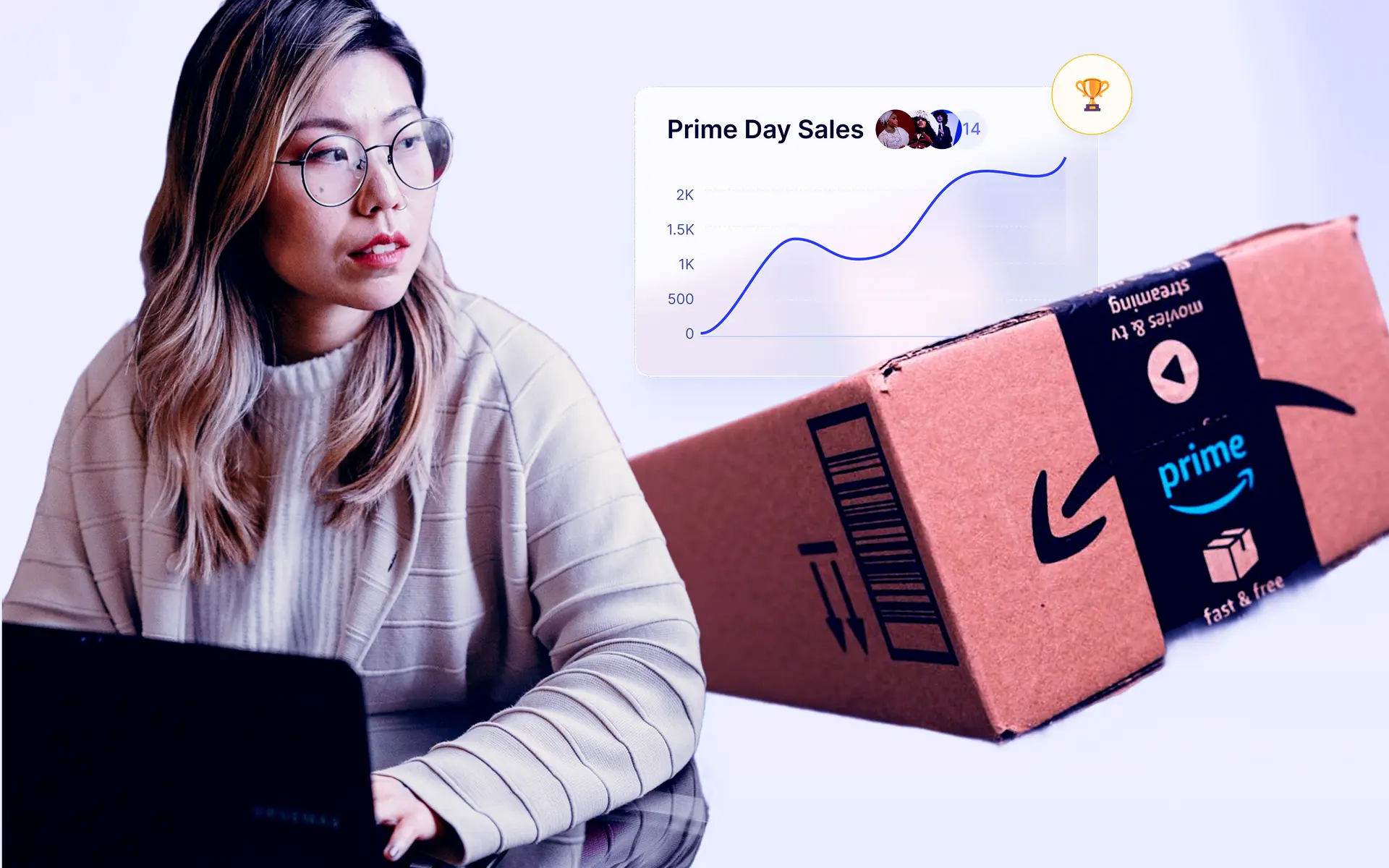
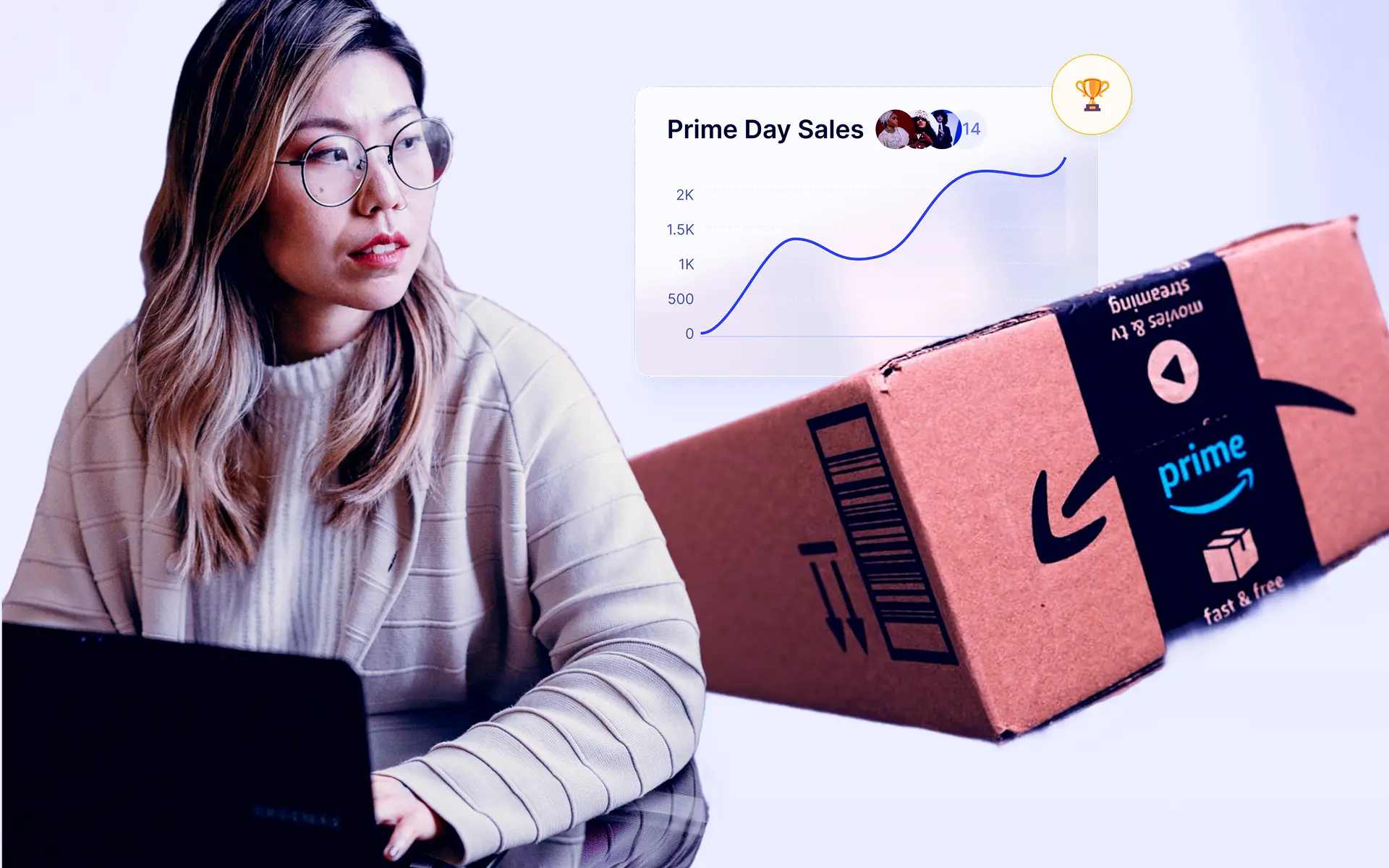
The global retail sector has undergone a fundamental transformation in its fourth-quarter strategy, transitioning from a concentrated period of end-of-year sales to a multi-month marathon that begins as early as October. At the heart of this shift is the emergence of Amazon’s Prime Big Deal Days, a fall iteration of its signature summer event, which now serves as the unofficial starting gun for the holiday shopping season. While traditionally Black Friday and Cyber Monday (BFCM) held an unchallenged monopoly over the American consumer’s end-of-year budget, the introduction of a secondary Prime event in 2022 has forced a re-evaluation of how brands, influencers, and consumers approach the final three months of the calendar year. In 2024, the data suggests that these two events are no longer direct clones of one another; rather, they have evolved into two distinct shopping windows defined by different consumer mindsets, product categories, and marketing strategies.
The Rise of the October Peak: Prime Big Deal Days in Context
Amazon’s Prime Big Deal Days, held on October 7–8 in 2024, has rapidly matured from an experimental mid-season promotion into a critical pillar of the e-commerce giant’s annual revenue. Forecasts for the 2024 event pointed toward $6.79 billion in total sales, representing a robust 10.3% increase over the 2023 fall event. This growth occurred within a broader context of a 26.1% uplift in sales across the entire promotional week for Amazon. For Prime members, the event delivered approximately $1 billion in total savings, reinforcing the value proposition of the Prime subscription model during a period of persistent inflationary pressure on household budgets.
The October event serves a specific psychological purpose: the "pre-holiday replenishment." Unlike the frantic, high-stakes atmosphere of Black Friday, the fall Prime Day is characterized by practical, self-oriented shopping. Data indicates that only 26% of shoppers during the October event were focused on purchasing holiday gifts for others. Instead, the majority of consumers utilized the discounts to upgrade household essentials, stock up on beauty products, or invest in small kitchen appliances. This "buy-now, use-now" mentality distinguishes the October event from the "buy-now, give-later" mentality of late November.
A Chronology of the Modern Shopping Calendar
To understand the current state of Q4 retail, one must look at the timeline of its expansion. For decades, the Friday following Thanksgiving was the singular peak of the retail year. The digital revolution introduced Cyber Monday in 2005, extending the peak into a four-day "weekend." Amazon disrupted this cycle in 2015 with the first Prime Day, originally a July event designed to celebrate the company’s 20th anniversary and boost summer sales.
The real shift, however, occurred in 2022 with the introduction of the "Prime Early Access Sale" in October. This move was a strategic response to supply chain volatility and the growing consumer desire to spread out holiday expenses. By 2024, this October window has become a fixed point on the retail calendar, prompting competitors like Walmart and Target to launch their own counter-offensives. Walmart’s "Holiday Deals" and "Target Circle Week" now run concurrently with Amazon’s October event, creating a new "Cyber October" that rivals the traditional November peak in terms of marketing volume, if not yet in total dollar spend.
Black Friday: The Undisputed Heavyweight of High-Value Commerce
Despite the early start in October, Black Friday remains the dominant force in terms of sheer transaction volume and high-ticket sales. In 2024, Black Friday generated a record-breaking $10.8 billion in online sales in the United States, a 10.2% increase from the $9.8 billion recorded in 2023. The primary differentiator for Black Friday is its accessibility; while Prime Day is locked behind a membership paywall, Black Friday deals are universal. This inclusivity allows for a broader demographic reach and encourages mass participation across every retail category.
The product mix during Black Friday also leans heavily toward high-value items. While October shoppers are looking for air fryers and skincare, November shoppers are hunting for televisions, laptops, gaming consoles, and luxury fashion. Categories such as electronics, toys, and apparel see their highest spikes of the year during this window. Adobe and Criteo reports highlight that the "giftability" of an item is the primary driver of Black Friday success. Consumers are willing to wait until late November for these purchases because the discounts on premium brands are traditionally deeper and more comprehensive than those found earlier in the season.
The Influencer Marketing Paradigm: Conversion and Curation
One of the most significant developments in the 2024 retail cycle has been the overwhelming influence of social media creators on purchasing decisions. The "Influencer Marketing Landscape" is no longer an optional add-on for brands; it is the engine of conversion. During the summer and fall Prime Day events of 2024, influencer-driven content converted at a rate 10 times higher than general social media advertising. Furthermore, affiliates and partners were responsible for nearly 20% of total revenue generated during these periods.
The effectiveness of influencer marketing during these mega-events is rooted in the "curation effect." With millions of deals available, consumers suffer from choice paralysis. Influencers act as filters, providing "Best of" lists that save their followers time and effort. This content often triggers a "Fear of Missing Out" (FOMO), particularly when creators demonstrate products in real-world settings—such as a vacuum cleaner in a messy living room or a skincare routine featuring discounted serums.
In October, influencer messaging focuses on "life upgrades" and "restocking essentials." However, as the calendar moves toward Black Friday, the messaging shifts toward storytelling and holiday preparation. Approximately 58% of Black Friday shoppers report relying on influencer recommendations for their holiday gift lists. Successful creators during this period move away from simple product reviews and toward thematic gift guides—"Gifts for the Hard-to-Please Dad" or "Must-Haves for the New Homeowner"—which align with the consumer’s mission to find the perfect present.
Competitive Responses and the "Retail Arms Race"
The success of Amazon’s October strategy has forced the entire retail ecosystem to adapt. Retailers can no longer afford to wait until November to engage their customers. In 2024, 33% of consumers shopped or planned to shop Walmart’s Holiday Deals, while 31% participated in Target Circle Week. This indicates that the "Amazon effect" has successfully pulled the entire industry forward by nearly two months.
Industry analysts suggest that this expansion is a double-edged sword. While it allows retailers to manage logistics more effectively by spreading out shipping volumes, it also risks "consumer fatigue." There is a limit to how long a discount-driven mindset can be maintained. To combat this, retailers are increasingly using data-driven personalization. By leveraging past purchase history, companies like Amazon and Walmart are now sending hyper-targeted alerts to shoppers, ensuring that the "deals" they see in October are relevant to their specific needs, thereby preserving the sense of urgency.
Logistics and Operational Implications
The shift to a dual-peak Q4 creates significant operational challenges. Logistics providers must now prepare for two distinct surges in shipping volume. For brands, inventory management has become a high-wire act. Overstocking for an October event that underperforms can lead to capital being tied up, while understocking can result in missed opportunities and disgruntled customers.
Moreover, the rise of the "Early October" shopper has changed the labor market for seasonal workers. Hiring for the holiday season now frequently begins in August or September to ensure that warehouses are fully staffed for the October Prime event. This lengthening of the peak season has led to a more permanent shift in how e-commerce fulfillment centers operate, with a greater emphasis on automation to handle the sustained high volume.
Strategic Outlook for 2025 and Beyond
As the retail industry looks toward 2025, the lessons of the 2024 season are clear: the distinction between Prime Day and Black Friday is now permanent. Brands that treat the October event as a "warm-up" for Black Friday are likely to lose market share to those who recognize it as a unique sales opportunity with its own set of rules.
To succeed in this environment, marketers must adopt a two-tiered strategy. The October campaign should prioritize high-velocity, lower-cost items that appeal to the "self-gifting" and "home improvement" categories. This is the time to leverage micro-influencers who specialize in niche categories like home organization, beauty, or fitness. Conversely, the Black Friday strategy must remain focused on the "big win"—the high-ticket items and emotional gift-giving narratives that define the December holidays.
The integration of advanced AI tools and platforms like Upfluence will also become more prevalent. These tools allow brands to automate the complex workflows of managing hundreds of creators across two different major events, tracking real-time performance, and scaling success based on data rather than intuition. In an era where consumer attention is the most valuable commodity, the ability to cut through the noise with curated, trusted, and timely content is what will define the leaders of the new Q4 retail landscape.
In conclusion, the retail world is no longer waiting for the Friday after Thanksgiving to start its engines. The expansion of the shopping calendar has created a new era of "perpetual peak," where the savvy consumer and the strategic brand are always in motion. Prime Day and Black Friday now exist in a symbiotic relationship—one providing the practical start to the season, and the other providing its grand, high-value finale. Together, they represent a nearly $20 billion online opportunity that has redefined the meaning of the "holiday season" in the 21st century.