rifanmuazin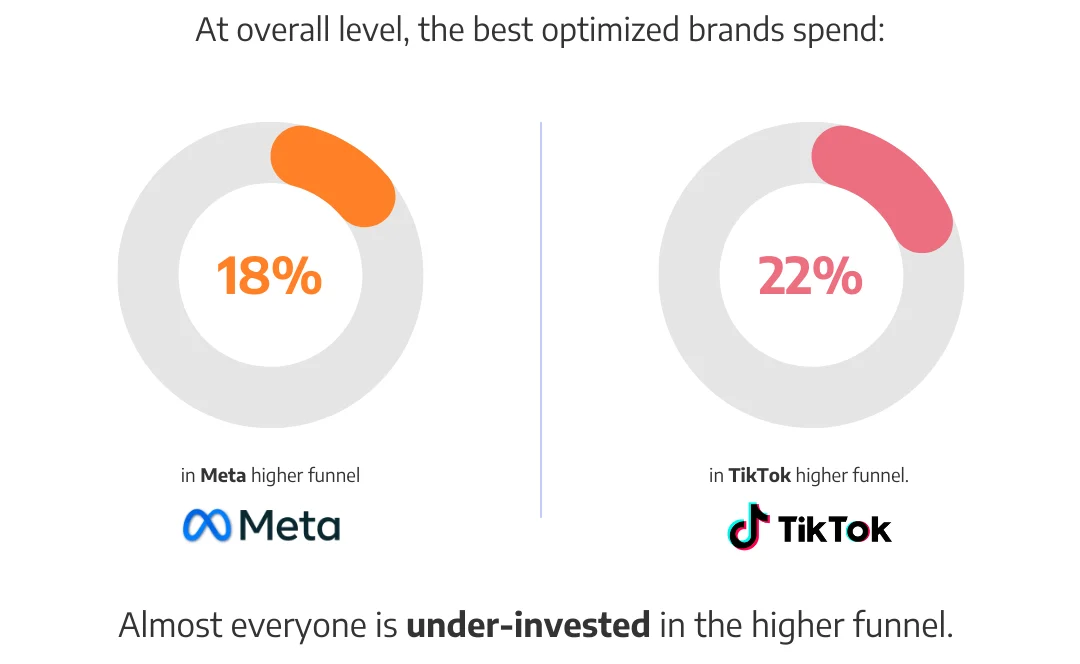
In today’s hyper-competitive digital economy, the journey from fledgling startup to established market leader for Direct-to-Consumer (D2C) and e-commerce brands is rarely linear. It demands a dynamic and highly adaptable approach to marketing, where strategies must evolve in lockstep with a brand’s maturity. A recent comprehensive analysis, conducted by the Fospha Team and published on May 29, 2024, sheds critical light on these evolving digital growth strategies, offering invaluable insights derived from a study of 71 diverse brands. This research dissects the optimal marketing frameworks tailored for businesses at four distinct developmental stages: startups, scaleups, mature brands, and those predominantly operating offline yet embracing digital channels. The findings underscore the necessity for marketers to meticulously align their channel investments and tactical execution with their current business objectives, from initial audience building to global market expansion.
The contemporary digital landscape is characterized by unprecedented growth in e-commerce and the D2C model, amplified by shifts in consumer behavior and technological advancements. The global e-commerce market, valued at over $5 trillion in 2022, is projected to continue its robust expansion, with D2C brands carving out a significant and growing share. This environment, while ripe with opportunity, also presents formidable challenges, including escalating customer acquisition costs (CAC), increased competition, and the complex interplay of various digital advertising platforms. The deprecation of third-party cookies, coupled with stricter privacy regulations like GDPR and CCPA, further complicates attribution and targeting, compelling brands to adopt more sophisticated, data-driven marketing methodologies. Understanding these intricacies is paramount for D2C and e-commerce marketers aiming to achieve sustainable growth and profitability.
Decoding Growth: A Four-Stage Framework for Digital Marketing
The Fospha Team’s analysis provides a structured framework, demonstrating that a one-size-fits-all marketing approach is fundamentally flawed. Instead, it advocates for strategies that are meticulously crafted to address the specific needs and opportunities presented at each phase of a brand’s lifecycle. This segmentation allows for precise resource allocation and campaign optimization, ensuring that marketing efforts yield the highest possible return on investment.
Stage 1: The Startup — Laying the Digital Foundation
For nascent D2C and e-commerce brands, the primary objective is to establish a market presence and cultivate an initial audience. The study unequivocally points to impressions-driven channels, particularly Paid Social, as the cornerstone strategy for startups. This approach is vital for generating widespread brand awareness, introducing products or services to potential customers, and initiating the crucial process of audience segmentation and profiling. Paid Social platforms, such as Meta (Facebook and Instagram) and TikTok, offer unparalleled reach and sophisticated targeting capabilities, allowing startups to efficiently identify and engage with their target demographics.
The emphasis at this stage is not solely on immediate conversions but on building visibility and creating a memorable brand identity. By prioritizing impressions, startups can effectively cast a wide net, capturing attention in a crowded digital space. This foundational work is critical for subsequent growth, as it builds the top of the marketing funnel. Industry data consistently shows that brands with higher initial brand awareness experience lower long-term acquisition costs and higher customer lifetime value (LTV).
Case Study: Pooch & Mutt’s Strategic Launch
Pooch & Mutt, a pet food brand, serves as a compelling illustration of this strategy in action. By strategically leveraging Paid Social, the company successfully generated significant year-on-year revenue gains. Crucially, this expansion in reach was achieved while simultaneously improving their customer acquisition costs. This outcome demonstrates the efficacy of an impressions-led strategy when executed with precision, proving that initial brand building through broad reach can lead to efficient customer acquisition down the line. The success of Pooch & Mutt highlights the importance of compelling creative content and precise audience targeting within Paid Social platforms to resonate with specific consumer segments, such as pet owners actively seeking premium or specialized pet nutrition.
Stage 2: The Scaleup — Mastering Conversion and Efficiency
Once a D2C or e-commerce brand has successfully established its audience base and generated initial traction, the focus naturally pivots towards accelerating conversion rates and optimizing marketing efficiency. For scaleups, the challenge lies in sustaining rapid growth without incurring prohibitive acquisition costs. The Fospha analysis reveals that while continuing to invest in impressions-led media to maintain demand generation, scaleups must place a heightened emphasis on conversion-focused activities. This involves a delicate balancing act: increasing ad spend to reach a broader, yet still relevant, audience while rigorously monitoring and minimizing increases in customer acquisition cost (CAC).
At this stage, data analytics and robust attribution models become indispensable. Scaleups need to precisely understand which touchpoints and channels are most effective in driving conversions, allowing for granular optimization of campaigns. This often entails A/B testing ad creatives, refining landing page experiences, optimizing call-to-actions, and leveraging retargeting campaigns to re-engage interested but unconverted prospects. The goal is to maximize the efficiency of every marketing dollar, turning awareness into paying customers at an optimal cost.
Case Study: The Essence Vault’s Efficient Expansion
The Essence Vault, a fragrance brand, exemplifies the successful application of this scaleup strategy. The company adeptly scaled its presence on Meta platforms, significantly increasing its reach and engagement without experiencing a proportional rise in acquisition costs. This achievement underscores the importance of continuous optimization and data-driven decision-making in managing ad spend. By refining their targeting, iterating on ad creatives, and potentially leveraging dynamic product ads or lookalike audiences, The Essence Vault managed to efficiently convert a growing pool of interested consumers. Their experience demonstrates that intelligent investment in impressions-led media, coupled with a strong conversion focus, can drive substantial growth while maintaining healthy profit margins, a critical factor for scaleups aiming for long-term viability.
Stage 3: The Mature Brand — Navigating Saturation and Global Reach
For D2C and e-commerce brands that have reached a mature stage, the marketing imperative shifts from initial growth and conversion optimization to sustained expansion and market diversification. The primary challenge for mature brands is often market saturation within their existing geographies or customer segments. To counteract this and unlock new growth avenues, the study indicates a strategic pivot towards higher-funnel activities and aggressive international expansion. This involves investing in brand-building initiatives that transcend immediate sales objectives and exploring new geographic markets where growth potential remains high.
Higher-funnel activities, such as content marketing, brand partnerships, influencer marketing, and broader media campaigns, aim to deepen brand loyalty, enhance brand perception, and reach entirely new audience segments that may not be actively searching for products. Simultaneously, international expansion requires meticulous planning, including understanding local market nuances, regulatory landscapes, logistics, and adapting marketing messages for cultural relevance. This stage demands a significant investment in long-term brand equity and market penetration strategies.
Case Study: Represent’s Global Ascent
Represent, a premium fashion brand, provides a compelling example of a mature brand successfully navigating these challenges. By scaling their efforts on emerging platforms like TikTok, Represent not only enhanced their overall growth but also improved the efficiency of their Meta campaigns by diversifying their marketing mix. Their strategic expansion into the US market further illustrates the proactive approach mature brands must take to avoid stagnation. By identifying new growth territories and adapting their digital strategies, Represent demonstrated how to sustain momentum beyond initial market dominance. Their success on TikTok highlights the importance for mature brands to constantly evaluate new platforms and trends to engage with evolving consumer demographics and maintain a fresh, relevant brand image. This strategy mitigates the risk of over-reliance on established channels and opens doors to younger, highly engaged audiences.
Stage 4: Majority Offline Brands — The Digital Imperative
The digital transformation imperative extends beyond pure-play D2C and e-commerce brands to businesses that have traditionally operated primarily offline. While these brands often rely on physical storefronts, catalogs, or direct sales, the digital realm offers significant opportunities for expanded reach, customer engagement, and incremental revenue. The Fospha analysis reveals that majority offline brands typically invest heavily in click-based channels, such as Google’s Performance Max campaigns, which are designed to drive immediate conversions through search and shopping ads.
However, the study highlights a critical untapped potential: significant opportunities in Paid Social channels. While click-based campaigns are effective for capturing existing demand, Paid Social platforms excel at creating demand, nurturing leads, and building brand affinity even for brick-and-mortar businesses. A balanced approach, integrating both click-based and impressions-driven strategies, is suggested for optimal results. This omnichannel strategy allows offline brands to leverage the strengths of digital marketing to complement and enhance their physical presence, driving both online sales and in-store foot traffic.
Implications for Offline Brands Embracing Digital
For majority offline brands, embracing digital channels is no longer optional but a strategic necessity. The pandemic accelerated this shift, forcing many traditional businesses to build or enhance their online presence. The challenge lies in integrating online and offline customer experiences seamlessly. This includes leveraging local SEO, geo-targeted ads, online appointment booking systems, and "buy online, pick up in-store" (BOPIS) options. Paid Social can be particularly effective for promoting in-store events, new product launches, or simply increasing brand awareness within a specific geographic radius, thereby driving footfall. The analysis suggests that many offline brands are under-utilizing the brand-building and demand-generation power of platforms like Meta and TikTok, focusing too heavily on bottom-of-funnel conversion. By diversifying their digital spend, these brands can build stronger online communities, nurture customer relationships, and ultimately drive greater lifetime value across all touchpoints.
Broader Implications and Future Outlook
The insights gleaned from the analysis of these 71 brands offer profound implications for the broader D2C and e-commerce ecosystem. The overriding message is one of strategic agility and data-driven adaptation. The digital marketing landscape is in a perpetual state of flux, with new platforms emerging, algorithms evolving, and consumer behaviors shifting. Brands that fail to adapt their strategies risk stagnation or obsolescence.
One key implication is the growing importance of a holistic attribution model. As brands mature and diversify their channel investments, understanding the true impact of each touchpoint on the customer journey becomes incredibly complex. Simple last-click attribution models are increasingly insufficient. Advanced multi-touch attribution (MTA) models are essential for accurately allocating credit across various impressions and clicks, providing a clearer picture of ROI and enabling more intelligent budget allocation.
Furthermore, the study implicitly highlights the increasing demand for specialized marketing expertise. Each stage of brand development requires distinct skill sets and strategic insights. Startups need growth hackers capable of rapid experimentation, while mature brands require strategists focused on brand equity, internationalization, and sophisticated data analytics. This suggests a trend towards greater specialization within marketing teams or increased reliance on expert agencies.
Looking ahead, several trends will continue to shape these strategies:
- AI and Automation: The integration of artificial intelligence and machine learning in marketing will become even more pervasive, optimizing ad spend, personalizing content, and predicting consumer behavior.
- Privacy-Centric Marketing: As privacy regulations tighten, brands will need to invest in first-party data strategies, contextual advertising, and privacy-enhancing technologies to maintain effective targeting.
- Emergence of New Platforms: The rapid rise of platforms like TikTok and the potential for new social commerce channels mean brands must remain vigilant and ready to test and integrate new opportunities.
- Omnichannel Integration: The blurring lines between online and offline experiences will necessitate truly integrated omnichannel strategies that provide a seamless customer journey across all touchpoints.
In conclusion, the Fospha Team’s analysis serves as a vital guide for D2C and e-commerce marketers navigating the complexities of digital growth. It reinforces that successful scaling is not merely about increasing ad spend but about making intelligent, stage-appropriate investments across a diverse media mix. From establishing initial brand presence with impressions-driven social media to optimizing conversions through efficient spending, and ultimately expanding horizons through internationalization and higher-funnel activities, each stage demands a unique, data-informed approach. For majority offline brands, the message is clear: embracing a balanced digital strategy, extending beyond just click-based channels, is crucial for unlocking new growth vectors in an increasingly digital-first world. The future of D2C and e-commerce success will belong to those brands that meticulously tailor their marketing efforts to their evolutionary stage, demonstrating agility, data fluency, and a relentless focus on the customer journey.