
 rifanmuazin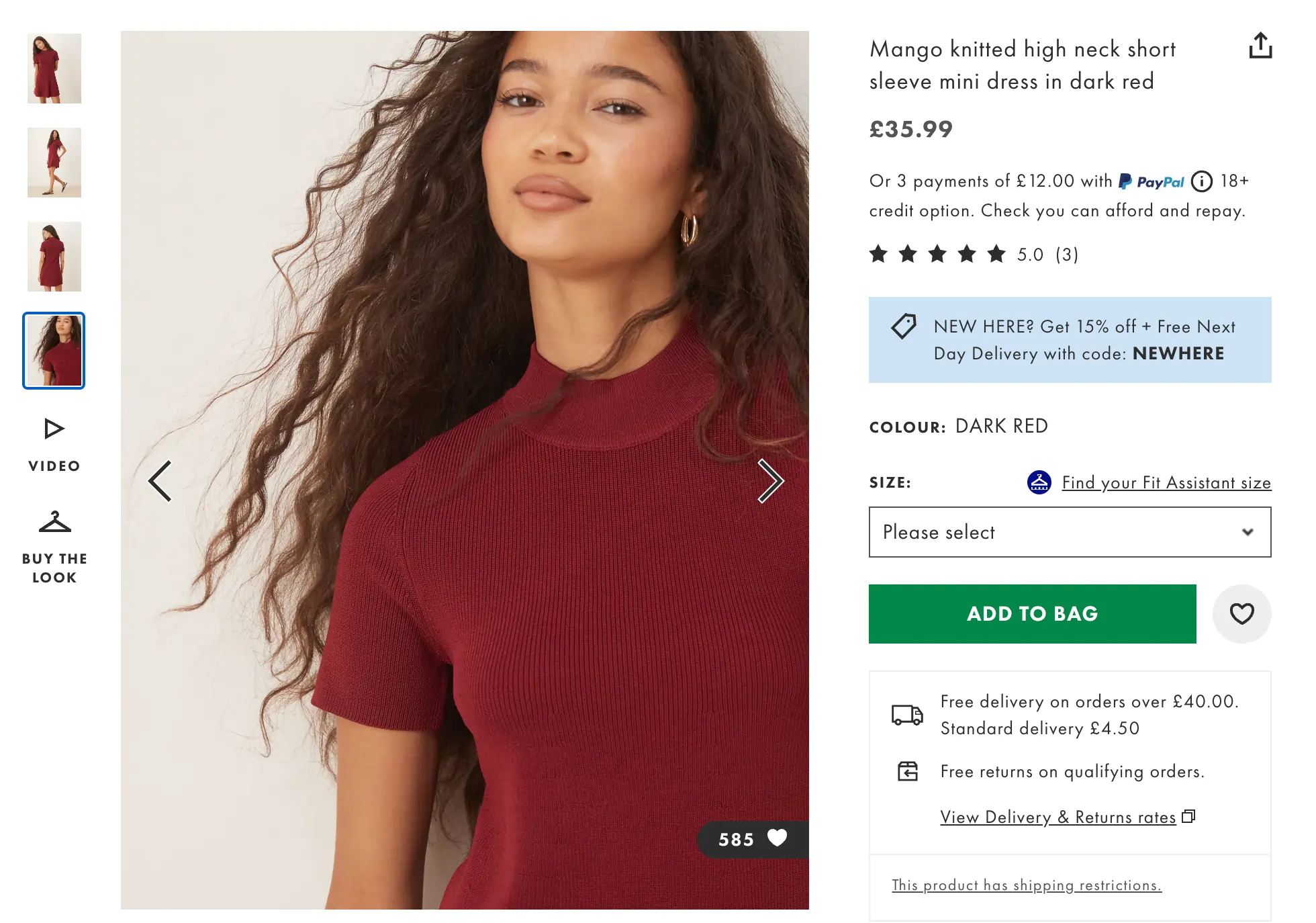
The digital storefront has undergone a radical transformation over the last decade, shifting from a text-heavy catalog format to a visually-driven interactive experience where the Product Detail Page (PDP) serves as the primary engine for conversion. Central to this evolution is the product image carousel, a high-value piece of digital real estate that has moved beyond simple aesthetics to become a critical decision-making tool for consumers. Industry data suggests that while users may skim product descriptions, their engagement with image carousels remains consistently high, with the majority of shoppers interacting with at least the first two to three images before making a purchase decision. As e-commerce competition intensifies, brands are increasingly leveraging a combination of psychological design, rigorous A/B testing, and artificial intelligence to optimize these carousels for maximum performance.

The Strategic Importance of the Product Carousel in Modern E-Commerce
The product carousel is often the first interactive element a user encounters on a mobile device, where roughly 70% of e-commerce traffic now originates. In this environment, the carousel occupies nearly 50% of the "above-the-fold" real estate. Its role is twofold: it must provide immediate clarity regarding the product’s identity and offer enough technical and emotional reassurance to move the shopper toward the "Add to Cart" button.
Market research indicates that the human brain processes visual information approximately 60,000 times faster than text. This biological reality makes the image carousel the most efficient vehicle for communicating value. However, many brands continue to underutilize this space, relying on repetitive studio shots that fail to answer the consumer’s underlying questions regarding fit, quality, and utility. Optimization experts argue that a high-performing carousel should function as a visual narrative, guiding the user through a logical progression from discovery to trust.

Chronology of Visual Commerce: From Static Photos to AI Integration
The history of the product carousel mirrors the broader technological shifts in the internet economy. In the early 2000s, e-commerce platforms typically featured a single, low-resolution static image. By the 2010s, the "zoom" feature and multi-angle galleries became industry standards, driven by the rise of platforms like Amazon and Shopify.
The mid-2010s saw the introduction of video content within these carousels, as bandwidth improved and mobile data became more accessible. Brands like ASOS pioneered the use of "runway" videos, allowing shoppers to see how fabric moved in real-time. By 2020, the focus shifted toward "social proof" and "lifestyle context," where images were expected to show products in use rather than just on a white background. Today, in the mid-2020s, the industry has entered the era of AI-enhanced visual commerce, where generative tools allow brands to create hyper-realistic lifestyle scenes and variations at a fraction of the cost of traditional photography.
Data-Driven Strategies for Carousel Optimization
To achieve a measurable lift in conversion rates—sometimes as high as 17% or more—brands are adopting specific frameworks for their visual assets.
1. The Hero Image and the First Impression
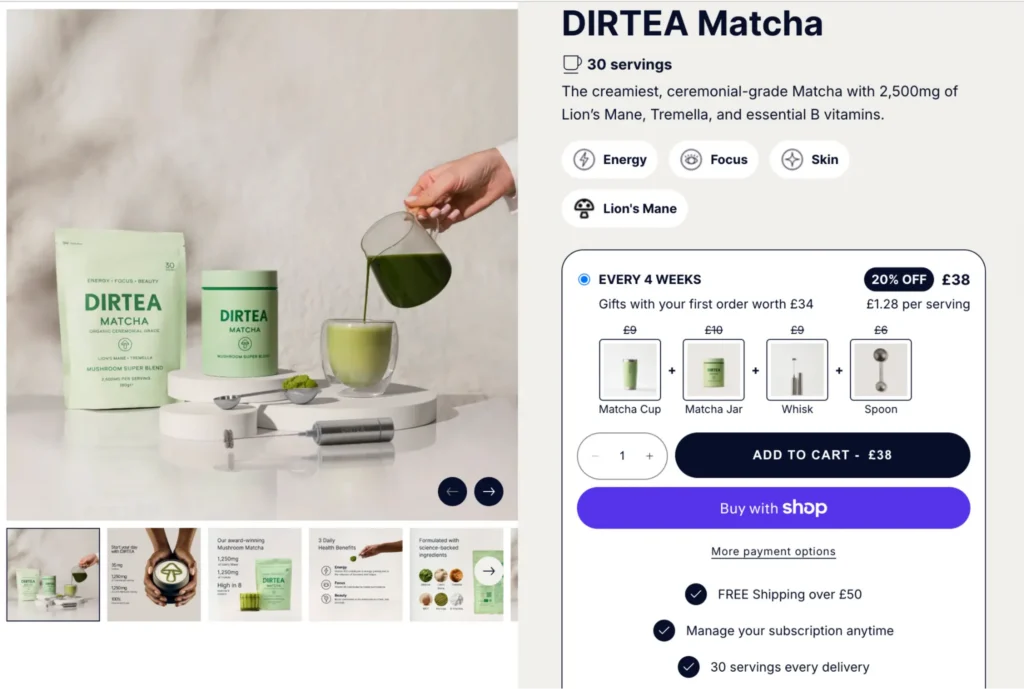
The primary image in a carousel, known as the "hero shot," must be unambiguous. For bundle offers or products that include free gifts, data shows that including these elements in the first frame significantly reduces cognitive load. Consumers should not have to "stitch together" an offer by reading fine print; the visual should tell the whole story.
2. The Psychology of Images Two Through Five
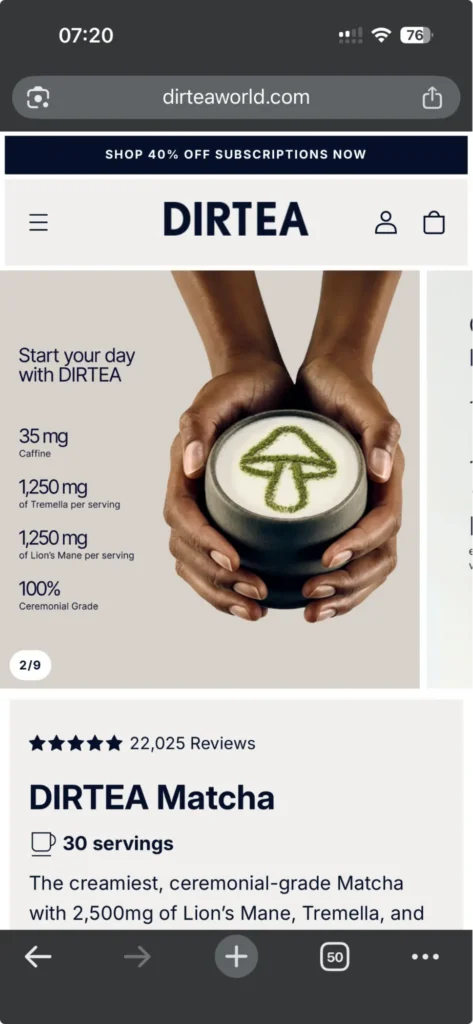
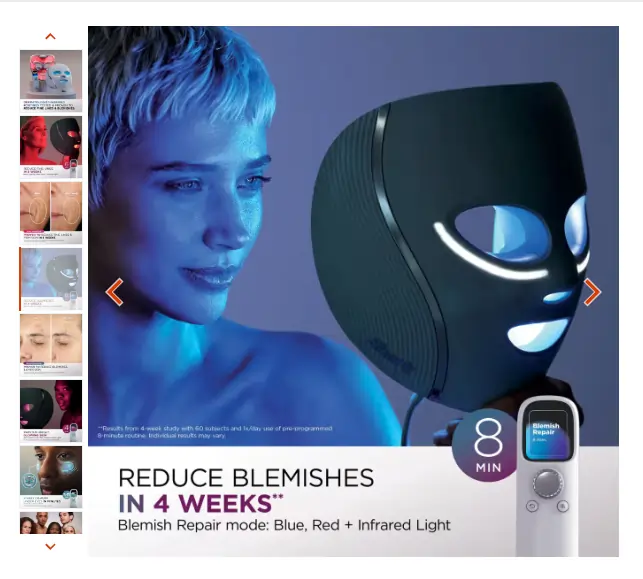
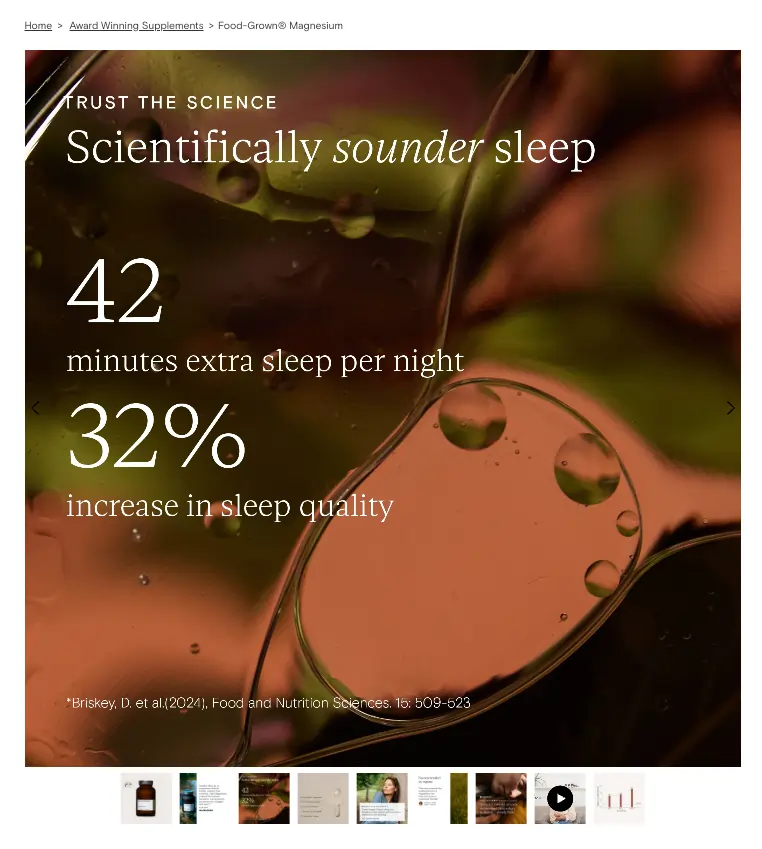
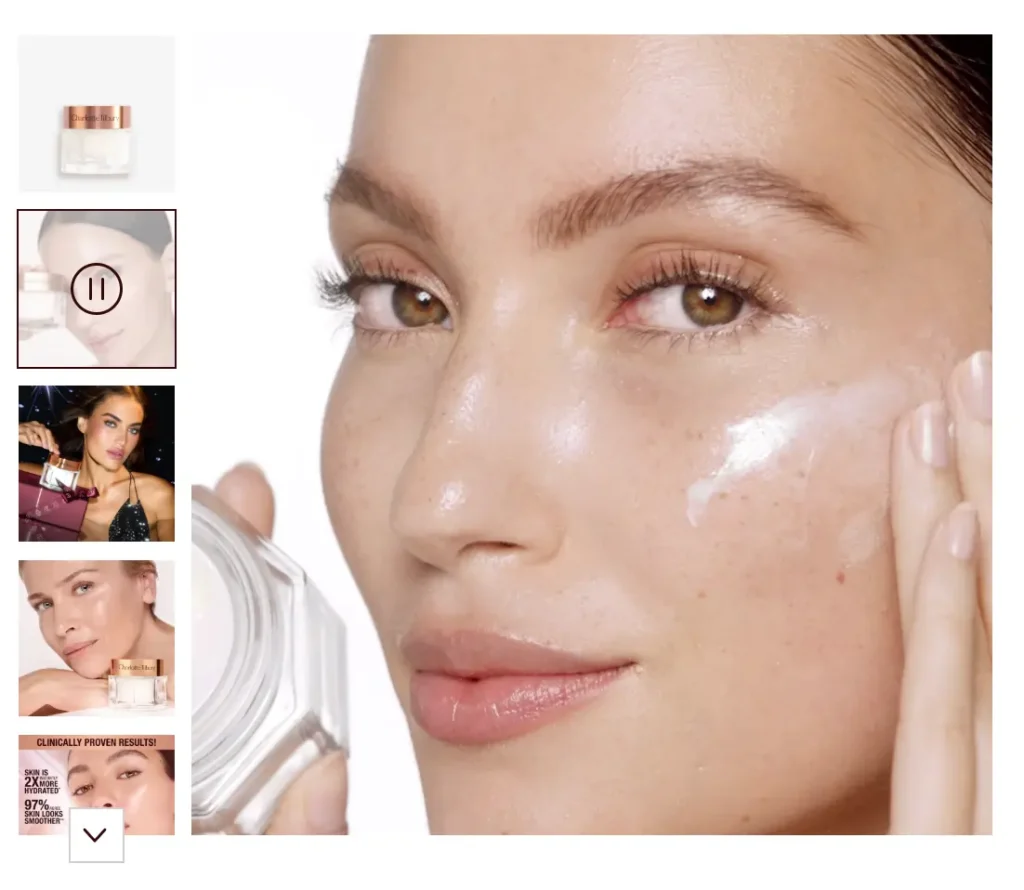
While the first image captures attention, the subsequent images are where the sale is won or lost. This is the space for "objection handling." For wearables, this involves zoomed-in shots of fabric texture and stitching to convey quality. For consumables, such as skincare or supplements, the focus shifts to ingredient transparency and scientific backing. Brands like The Ordinary and Shark have successfully used these slots to display "before and after" results, usage instructions, and certification badges, effectively pre-empting customer service inquiries.
3. Mobile-First Design Constraints
The shift to mobile has necessitated a move away from "slide deck" style images. Text overlays must be legible on small screens, which often means using large fonts and minimal copy. Industry experts recommend that if an image requires a user to pinch-and-zoom to read the text, it is failing its primary objective.
Technical Frameworks for Testing in the Shopify Ecosystem
Optimizing a carousel requires more than intuition; it requires rigorous A/B testing. Within the Shopify environment, this presents unique technical challenges because media assets are typically tied directly to the product liquid file. Developers and conversion rate optimization (CRO) specialists generally utilize three primary methods for testing:
JavaScript-Based Image Swapping
This is widely considered the gold standard for clean testing. Using a CRO tool like Convert or Optimizely, developers can write a script that intercepts the page load and swaps the order or content of the images for a specific segment of the audience. This allows for a "clean" split without creating duplicate URLs or SEO issues. The primary metric for success here is the "Add to Cart" rate, though analysts also monitor "Revenue per Visitor" (RPV).

Sequential Testing
For smaller brands without the traffic volume required for simultaneous A/B testing, sequential testing is the most practical alternative. This involves running Version A for a set period (e.g., two weeks) and then switching to Version B. While this method is susceptible to external variables like seasonal trends or marketing spend fluctuations, it provides a baseline for performance when handled with care.
Interaction Analysis via Heatmaps
Beyond conversion data, qualitative tools such as heatmaps (Hotjar, Lucky Orange) provide insight into "carousel depth"—how far a user swipes before stopping. If users consistently drop off at image three, it suggests that the third image is either irrelevant or fails to provide a "hook" to continue the journey.

The Role of Artificial Intelligence in Asset Generation
One of the most significant barriers to carousel optimization has historically been the cost of content production. A full studio shoot for a single product can cost thousands of dollars. AI is currently disrupting this bottleneck.
Tools like Midjourney, Adobe Firefly, and specialized e-commerce AI platforms like Nano Banana allow founders to take a single "base" shot of a product and generate dozens of lifestyle variations. For example, a sleep mask photographed on a plain table can be placed on a model in a high-end bedroom setting via AI, providing the "lifestyle context" that drives emotional connection.
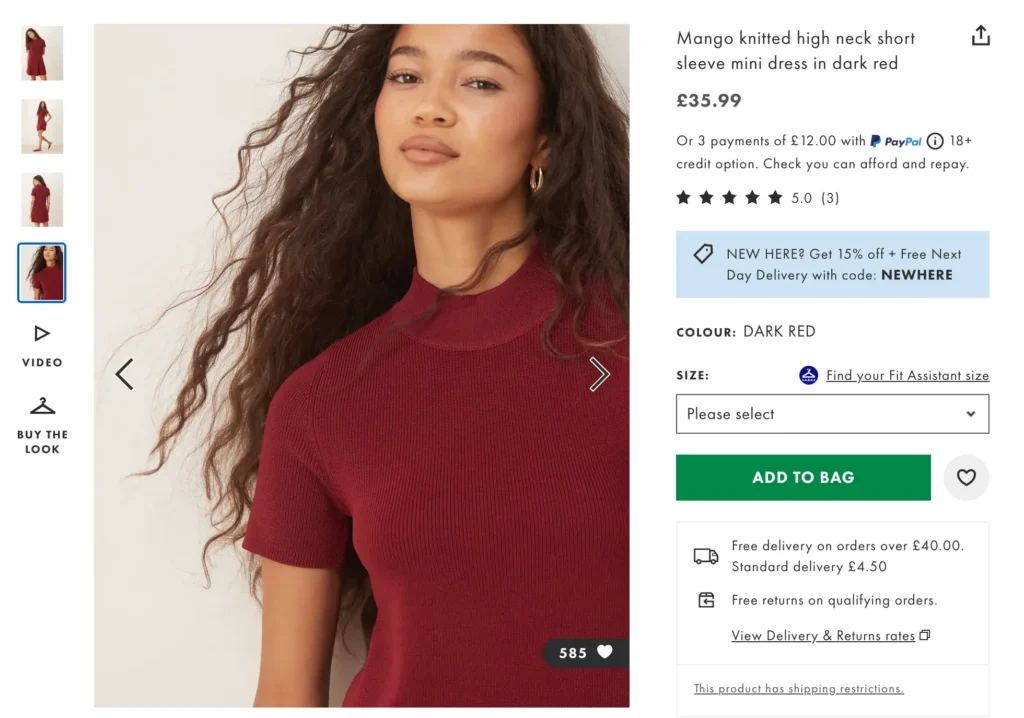
However, the industry is also issuing a "word of caution" regarding AI. If the AI-generated images look too "uncanny" or unrealistic, they can actually damage brand trust. The goal is to use AI to enhance reality, not to replace it with something that feels deceptive.
Supporting Data and Market Implications
According to recent industry reports, PDPs that utilize a mix of lifestyle images, videos, and infographics see a 20% to 30% higher engagement rate than those with standard white-background shots. Furthermore, the inclusion of "trust builders"—such as expert endorsements or scientific certifications—within the carousel itself can increase Average Order Value (AOV) by providing the reassurance needed for higher-priced purchases.
The broader impact of these optimizations is a narrowing of the gap between small "Direct-to-Consumer" (DTC) brands and retail giants. With the democratization of AI tools and testing platforms, a boutique brand can now present a visual experience that rivals that of a multi-billion-dollar corporation.
Broader Impact and Future Outlook
As we look toward the future, the product carousel is likely to become even more immersive. Augmented Reality (AR) "try-on" features are already being integrated into carousels for eyewear and cosmetics, allowing the user to see the product on their own face without leaving the PDP.
The consensus among e-commerce strategists is clear: the product carousel is no longer just a gallery; it is a sophisticated sales tool. Brands that fail to optimize this space—by ignoring mobile-first constraints, failing to test their assets, or neglecting the power of AI—are leaving significant revenue on the table. In an era where consumer attention spans are measured in seconds, the ability to communicate value, build trust, and answer questions through a few swipes of a thumb is the ultimate competitive advantage.








