
 rifanmuazin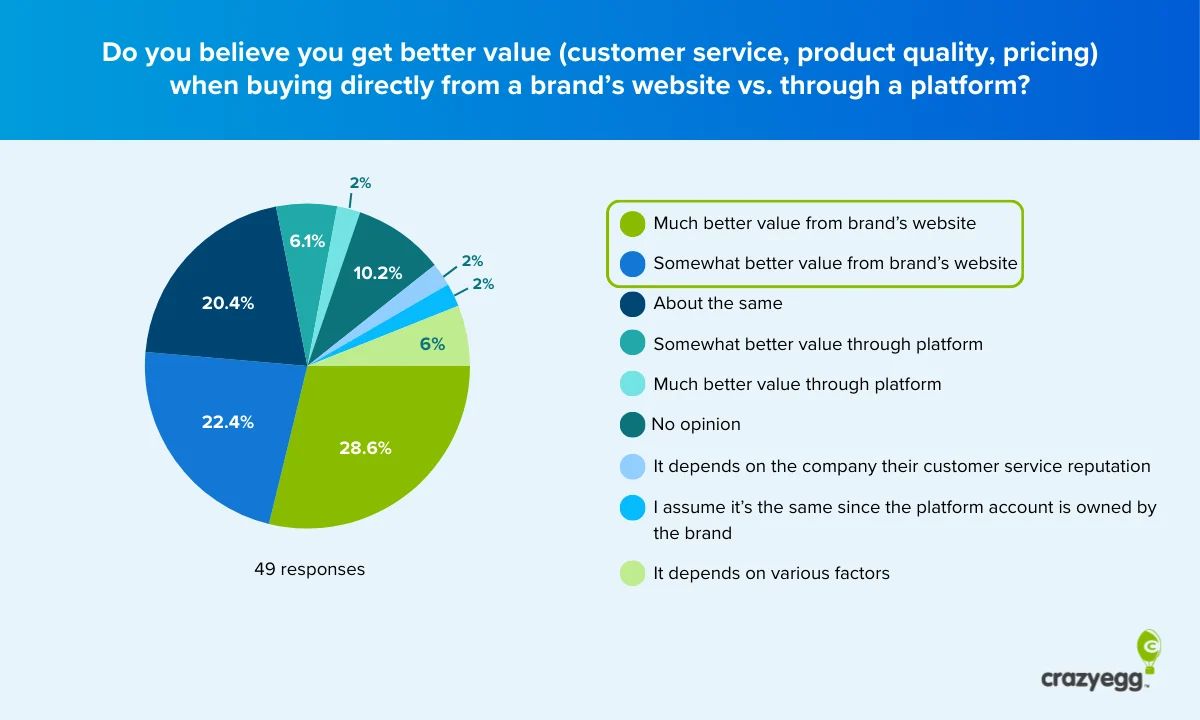
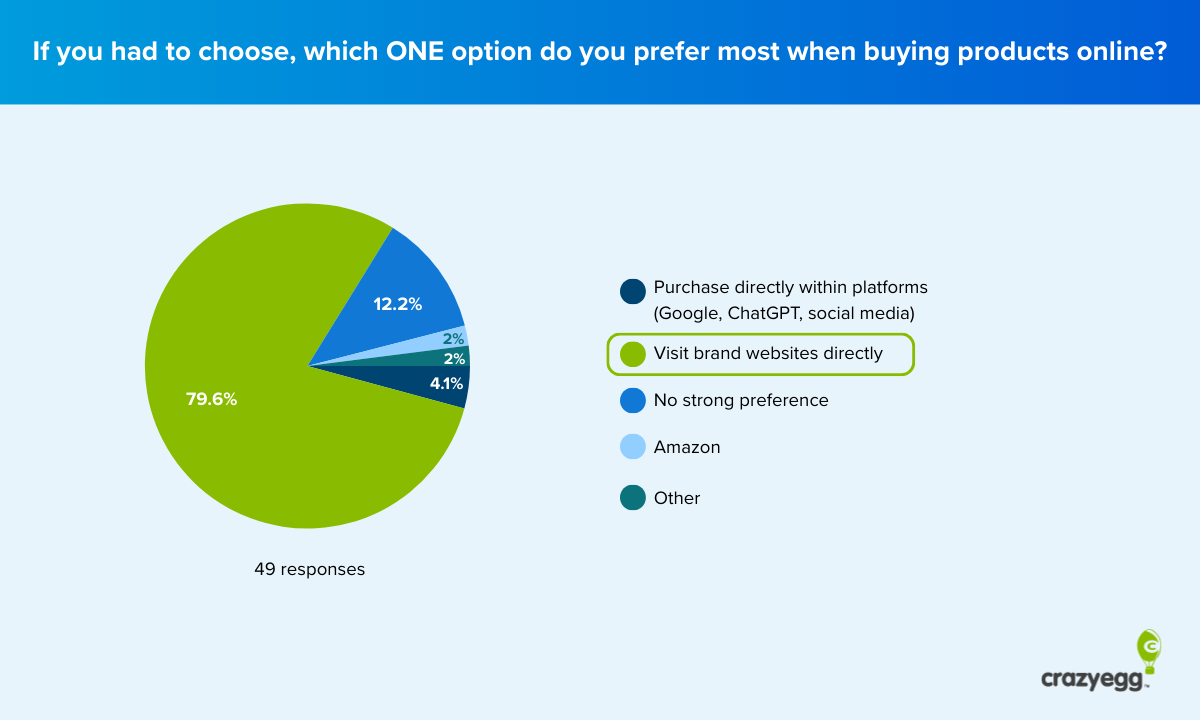
The landscape of global e-commerce is undergoing a fundamental shift as major digital platforms transition from discovery engines into full-service marketplaces. Tech giants including Google, Meta, and ByteDance have integrated native checkout systems, while OpenAI’s ChatGPT has begun offering direct product recommendations and purchasing capabilities. However, a comprehensive new study of consumer behavior suggests that while the technical infrastructure for "in-platform" shopping is ready, the psychological transition for consumers remains stalled. Despite the convenience of buying products directly within social media feeds or search results, a staggering 80% of shoppers still prefer completing transactions on a brand’s official website, citing deep-seated concerns over security, authenticity, and algorithmic manipulation.
The Great E-Commerce Paradox: Awareness Without Adoption
The rise of "social commerce"—defined as the integration of e-commerce within social media platforms—was projected to be the defining trend of the 2020s. According to data from Statista, global social commerce sales reached approximately $1.3 trillion in 2023 and are expected to nearly double by 2028. Yet, a survey of digitally fluent, mid-career shoppers reveals a significant "trust gap" that platforms have yet to bridge.
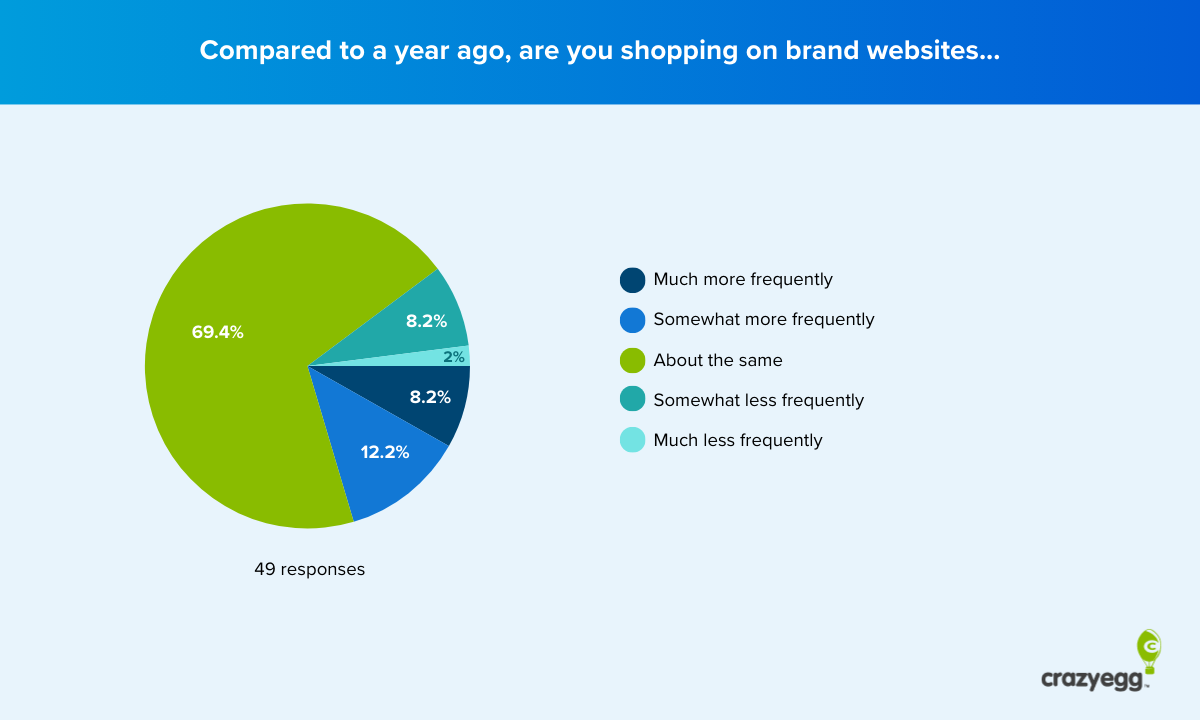
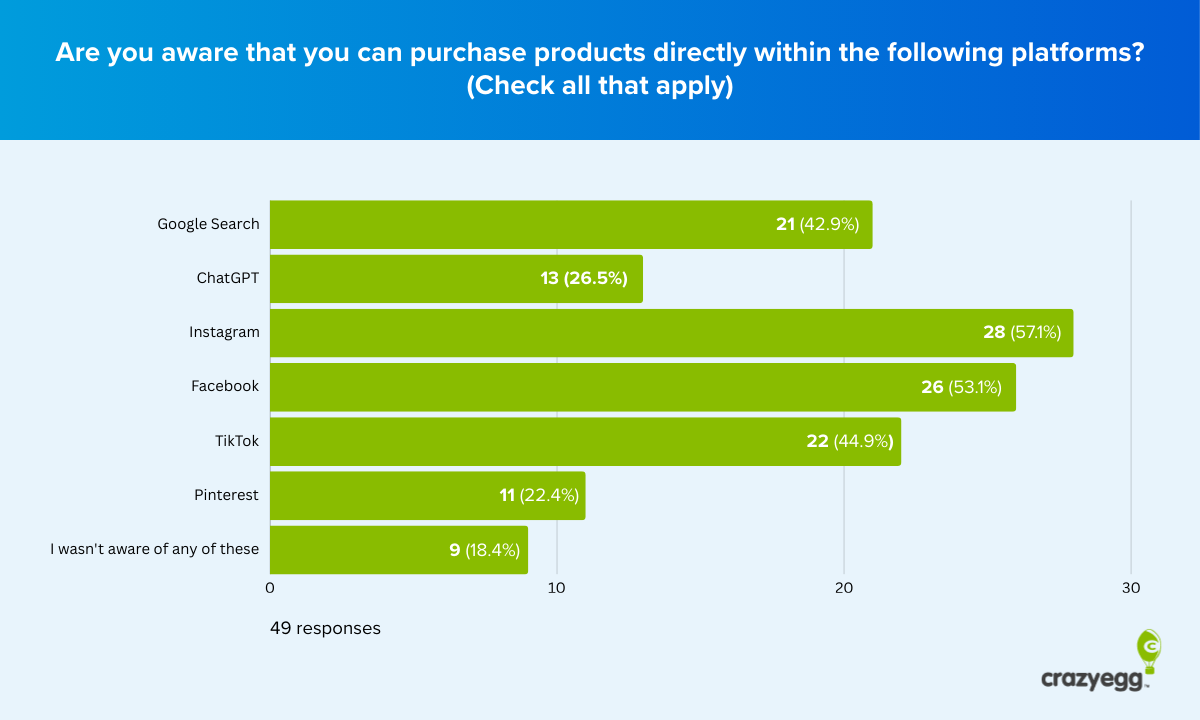
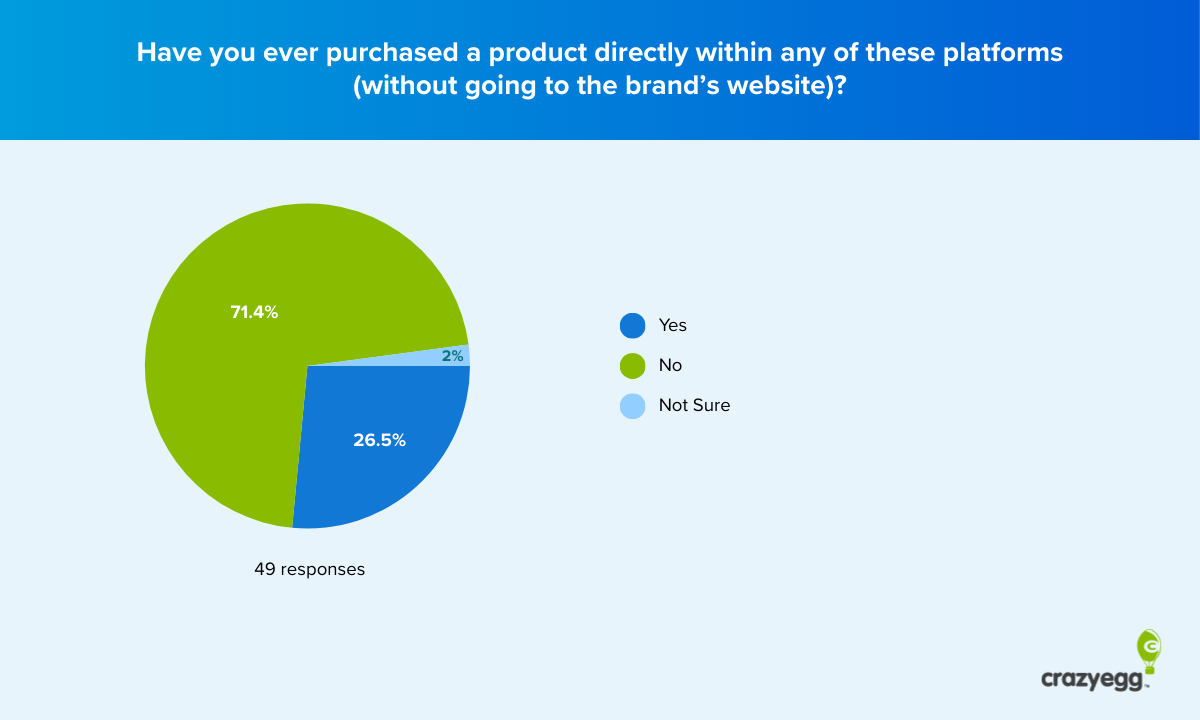
While 82% of respondents are fully aware that they can purchase products directly through Google, Instagram, or TikTok without ever leaving the app, only 27% have actually done so. This discrepancy suggests that awareness is no longer the primary hurdle for tech companies; rather, the challenge lies in overcoming the "hard-no" segment of the population that views platform-based transactions with suspicion. For these shoppers, the brand website remains a sanctuary of perceived reliability. In fact, 69% of consumers report that their frequency of visiting brand websites has remained steady or increased over the past year, contradicting the narrative that the "dot-com" era is nearing its end.
A Chronology of Platform Commerce Integration
To understand the current friction, one must look at the timeline of how platforms evolved into marketplaces. The journey began in the early 2010s but accelerated rapidly during the global pandemic:
- 2011–2014: Facebook introduces "Store" tabs for pages, marking the first major attempt to bring retail into the social sphere.
- 2016–2018: Instagram launches "Shoppable Posts," allowing brands to tag products, though users were still redirected to external browsers to pay.
- 2019–2020: Instagram Checkout is introduced, enabling users to store payment information and buy natively. Simultaneously, Google Shopping undergoes a massive redesign to compete with Amazon.
- 2021–2022: TikTok Shop begins testing in Southeast Asia and the UK, signaling a shift toward "entertainment-led" commerce.
- 2023–Present: The AI era begins. ChatGPT and other Large Language Models (LLMs) begin integrating plugins that allow for real-time product searching and purchasing suggestions.
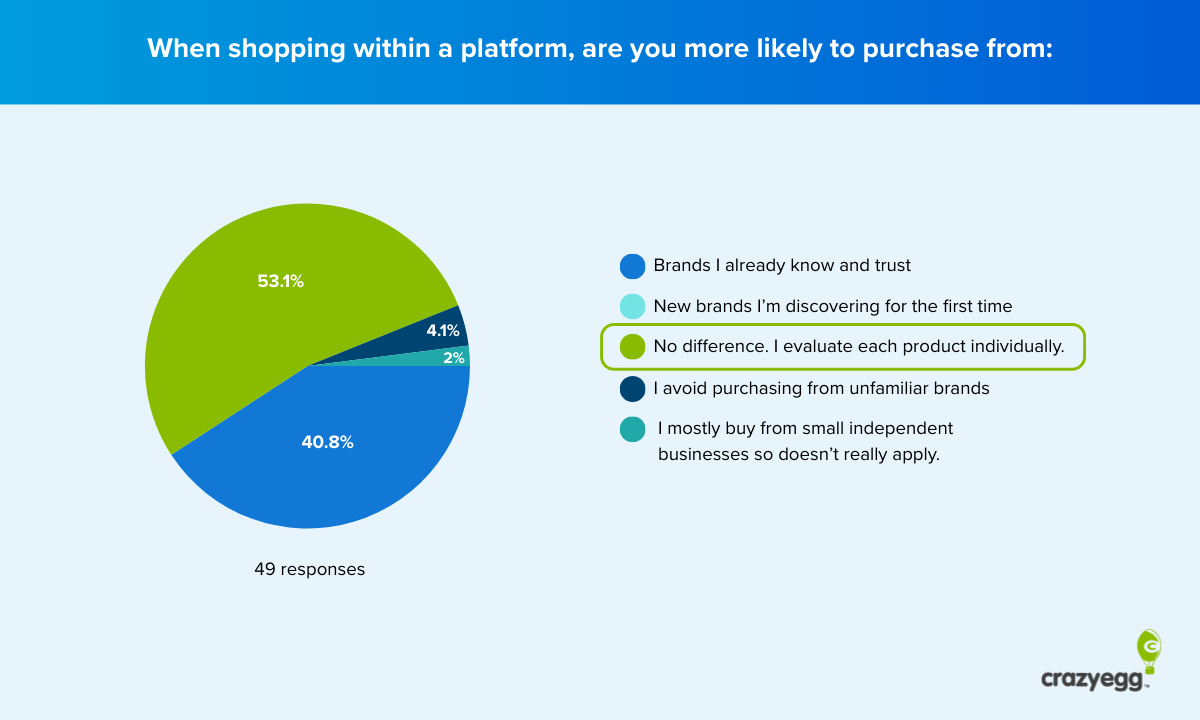
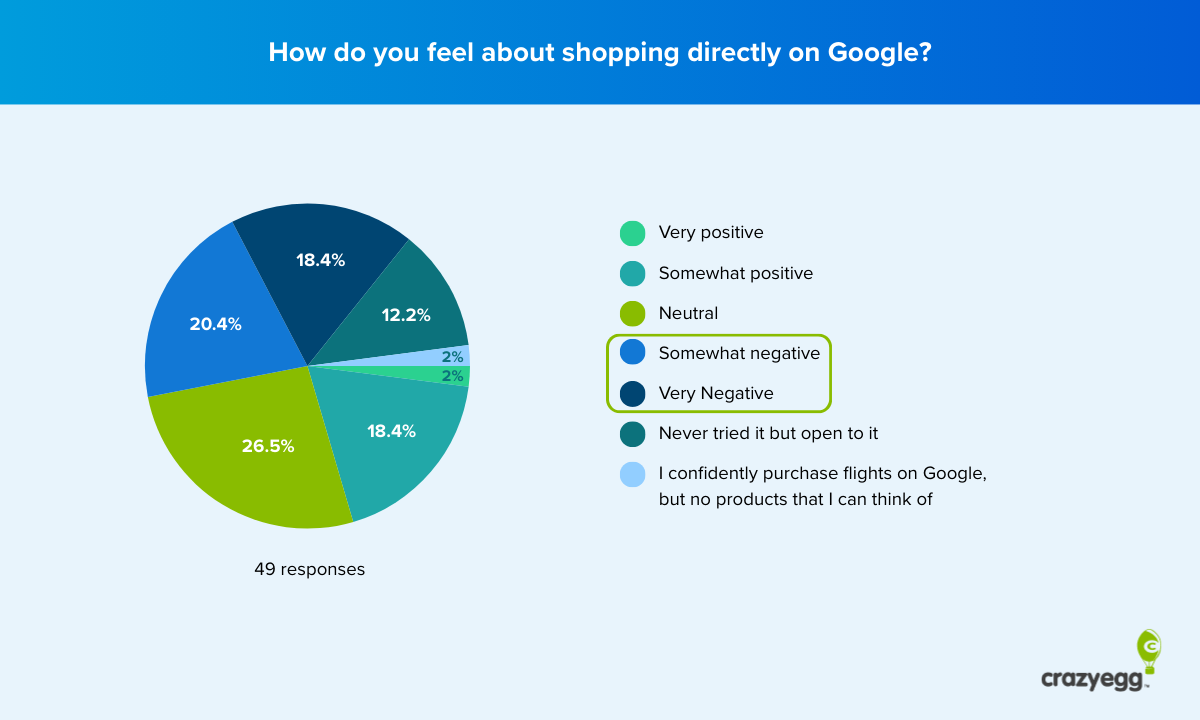
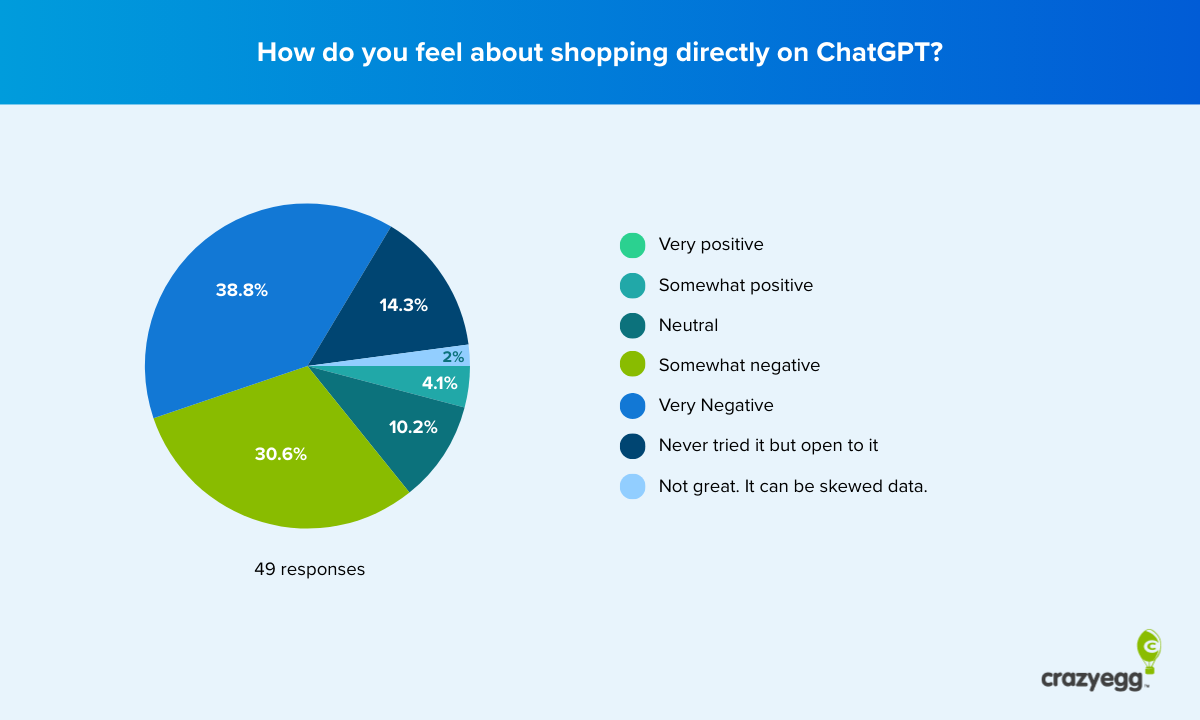
Despite this decade-long march toward integrated commerce, the study found that 71% of consumers remain "uncomfortable" with the idea of in-platform purchasing. This discomfort is highest with AI platforms like ChatGPT, where 70% of users expressed negative sentiment regarding direct shopping.
The Psychology of Resistance: Trust, Security, and Scams
The preference for brand websites is not necessarily born of a love for the websites themselves, but rather a defensive posture against the risks associated with third-party platforms. The study identified three primary drivers of this resistance:
- Product Authenticity: Consumers, particularly women, expressed a heightened fear of counterfeit goods and "dropshipping" scams that frequently plague social media advertisements.
- Data Privacy: Shoppers are increasingly wary of how platforms use purchase data to further refine their advertising algorithms. One respondent noted, "I don’t want the data sharing; I don’t want the influence from algorithms guiding my purchases."
- Post-Purchase Support: Brand websites are perceived to have clearer return policies and better customer service. In contrast, platforms are often seen as "intermediaries" that make resolving a lost package or a defective product more difficult.
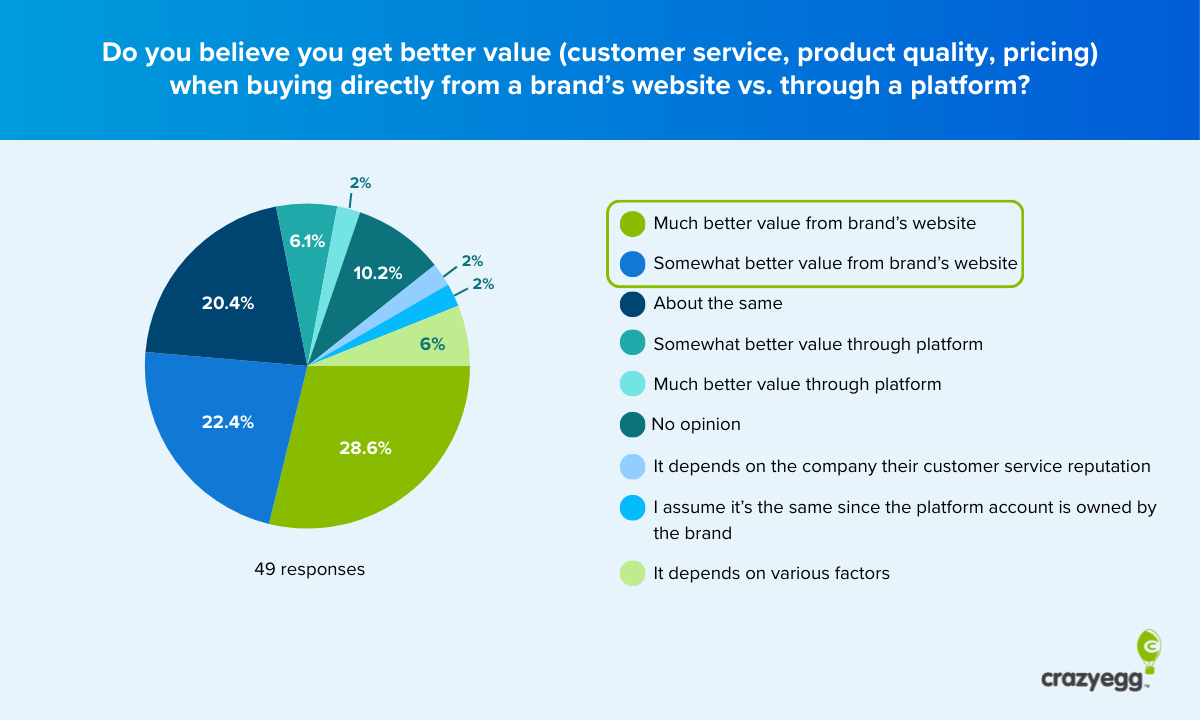
The data shows that 59% of shoppers feel a stronger emotional connection to a brand when buying directly from its site. For these consumers, the transaction is a relationship-building exercise, whereas a platform purchase feels like a sterile, anonymous transaction.
Demographic Divergence: Men, Women, and the Tech-Savvy
One of the most striking findings of the research is the polarized way different demographics approach online shopping. Gender and age are not just statistics; they are predictors of how a consumer perceives the "risk" of a platform.
The Gender Divide:
Women are significantly more active in the social commerce space, being three times more likely to have made an in-platform purchase than men (42% vs. 14%). This is largely attributed to the visual nature of platforms like Instagram and Pinterest, which align with traditional discovery-based shopping habits. However, women also hold the strongest preference for brand websites (92%), suggesting that while they use platforms to buy, they do so with a degree of trepidation. Men, by contrast, are more likely to bypass both platforms and brand websites in favor of established marketplaces like Amazon, which 52% of men use as their default shopping destination.
The Age Paradox:
Contrary to the assumption that younger generations are more open to new tech, the 25–34 age group showed the highest levels of concern regarding pricing transparency and data privacy. Meanwhile, the 45–54 age group emerged as surprisingly active in-platform buyers (40%), though their primary concern remained the logistical difficulty of returns.
The Tech-Savvy Skeptic:
Perhaps the most counterintuitive finding is that "tech fluency" does not lead to higher adoption of platform shopping. In fact, the most tech-savvy respondents were the most likely to flag "commission bias"—the fear that an AI or social algorithm is recommending a product based on a high affiliate fee rather than quality. This group of "informed objectors" understands the underlying mechanics of the platforms and, as a result, distrusts them more than the average user.
The Amazon Factor and the Marketplace Default
While the study focused on discovery platforms like Google and TikTok, the shadow of Amazon loomed large over the results. For many shoppers, the competition is not between a brand’s website and Instagram; it is between a brand’s website and Amazon.
Amazon has spent decades and billions of dollars building a "default trust" infrastructure. Respondents frequently cited Amazon’s Prime shipping and easy return process as the reason they avoid in-platform shopping. One participant summarized the sentiment: "At least Amazon is the evil I know." For emerging platforms like TikTok Shop or ChatGPT to succeed, they must not only compete with the brand’s own website but also match the logistical reliability that Amazon has standardized.
Industry Implications and the Road Ahead
For brands, these findings provide a clear mandate: the brand website is far from dead, but it must work harder to justify its existence. While consumers trust brand sites for security, they are less convinced about value. Only 51% of shoppers believe they get the best price on a brand’s own website, with many assuming that platforms or marketplaces offer better deals.
Implications for Platforms:
Platforms must address the "credibility barrier" before they can hope to increase transaction volume. The study suggests that the first purchase is a critical psychological threshold. Once a consumer makes a single successful in-platform purchase, their trust gap narrows significantly. Platforms that can incentivize that "first click" through extreme transparency or guaranteed protection may see a domino effect in adoption.
Implications for Brands:
Brands should view their websites as the "loyalty hub" while using platforms strictly for discovery. Attempting to force users to buy on a platform they distrust could lead to a loss of brand equity. However, as the study shows, once a user buys in-platform, their connection to the brand website weakens. Brands must therefore find a way to maintain a direct relationship with the customer, even when the transaction happens elsewhere.
Conclusion: A Values-Driven Future
The resistance to in-platform shopping captured in this data is remarkably well-informed. It is not driven by a lack of technical ability, but by a sophisticated understanding of how the modern internet works. Shoppers are increasingly making value-based decisions about where they spend their money and who they trust with their data.
As Google, Meta, and OpenAI continue to refine their e-commerce offerings, they will find that user experience (UX) and speed are only half the battle. The real challenge will be reclaiming the trust that has been eroded by years of opaque algorithms and data harvesting. Until platforms can prove they are more than just "biased intermediaries," the brand website will remain the cornerstone of the digital economy. For now, the "dot-com" remains the gold standard of online trust, and consumers are in no hurry to trade that security for a slightly faster checkout.








