
 rifanmuazin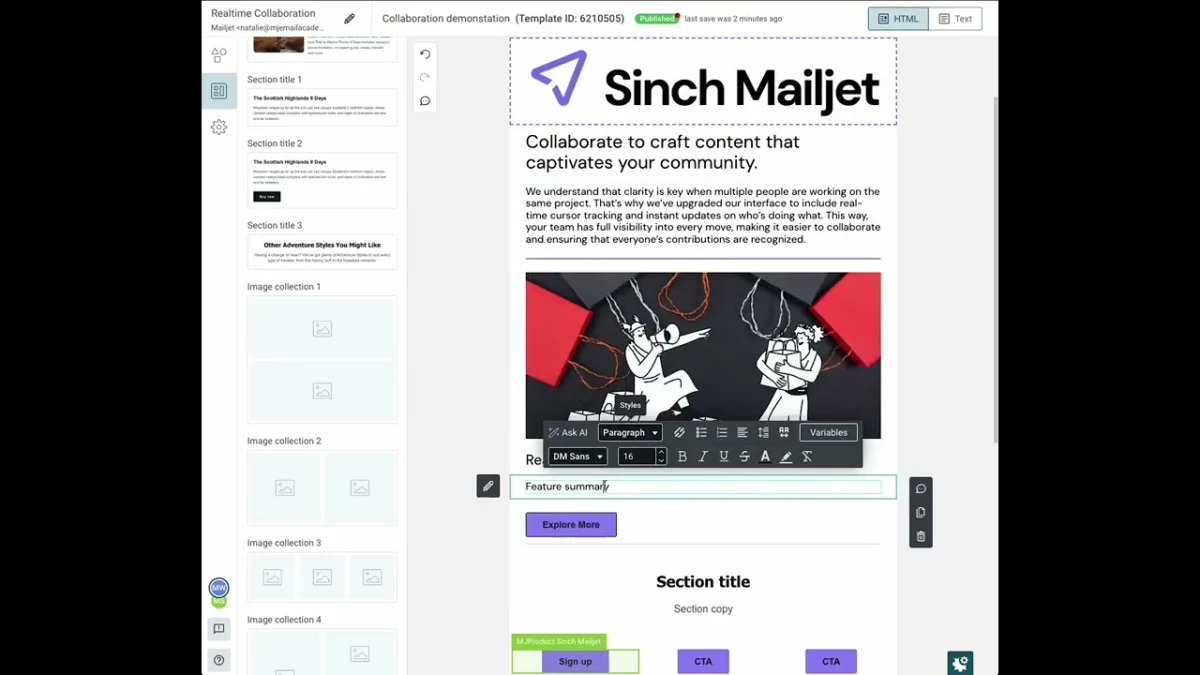
The persistent debate over email infrastructure, once a daily occurrence across the Slack channels and meeting rooms of burgeoning technology companies, is reaching a critical inflection point. For too long, organizations have grappled with a fundamental dichotomy: the marketing team, diligently crafting engaging campaigns, feature announcements, and beautiful newsletters designed for sophisticated email automation, often operates with a distinct set of tools and objectives. In the opposing corner, the development team maintains the application’s core transactional email systems, ensuring the reliable delivery of critical notifications such as password resets, welcome messages, and security alerts, typically leveraging a powerful but separate email API. This operational schism, while historically commonplace, is increasingly recognized as a significant strategic liability, introducing costly inefficiencies and hindering holistic customer engagement.
The Historical Divide: How Separate Systems Emerged
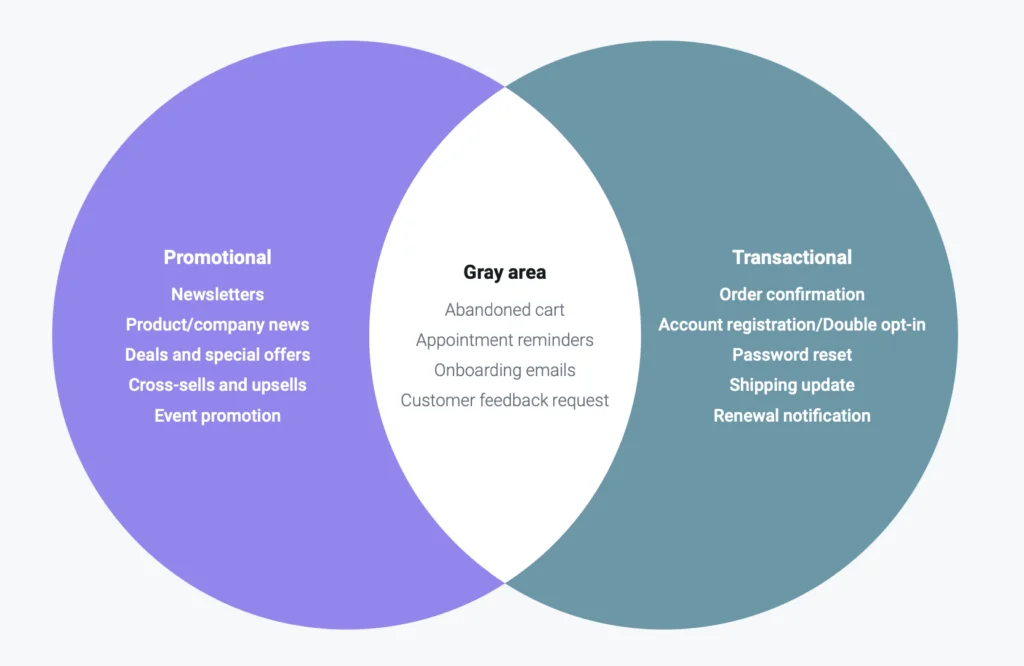
The divergence between marketing and transactional email systems is rooted in their distinct origins and technical requirements. Marketing email platforms evolved to serve the needs of marketers, prioritizing features like drag-and-drop editors, segmentation, A/B testing, and campaign analytics. Their primary goal was to drive engagement, nurture leads, and foster customer relationships through mass communication. Conversely, transactional email services emerged from a developer-centric need for speed, reliability, and robust API integration to send critical, often real-time, system-generated messages. These emails, such as order confirmations, shipping updates, or account verifications, are typically triggered by user actions and demand extremely high deliverability rates and minimal latency.
In the early days of digital communication, the technical architectures for these two functions were fundamentally different, leading to the adoption of specialized, separate tools. Marketers sought user-friendly interfaces, while developers prioritized programmatic control and scalability. This made logical sense at the time, but as digital customer journeys became more complex and brand consistency grew paramount, the limitations of this bifurcated approach became glaringly apparent. Today, the product-led growth (PLG) paradigm, which emphasizes user experience and seamless engagement from initial touchpoint to long-term retention, demands a more integrated approach. Companies are no longer afforded the luxury of choosing between platforms that empower marketers or those that serve developers; instead, they must seek an all-in-one email platform that seamlessly addresses both critical needs.
The Hidden Costs of a Divided Email Strategy
While running two disparate email systems might appear manageable on the surface, the hidden costs quietly accumulate, eroding growth, diluting brand equity, and undermining operational efficiency. These pains are felt most acutely by the very teams tasked with driving the business forward, creating friction where there should be fluid collaboration.

1. The Siloed and Inconsistent Customer Experience
Customers do not perceive departmental boundaries; they interact with a single brand. They are indifferent to whether an email is categorized as "marketing" or "transactional." To them, every email is part of a singular conversation with the company. When an email strategy is fragmented, that conversation becomes disjointed, and the overall customer experience deteriorates rapidly.
Consider a potential user, initially captivated by a sophisticated marketing email showcasing a product’s elegant user interface. Intrigued, they sign up for a trial. Later, encountering a login issue, they request a password reset. If met with a plain-text, unbranded email that lacks the visual appeal and tone of the initial marketing communication, the trust and excitement built by the marketing team instantly evaporate, replaced by confusion and a subtle sense of disappointment. Industry studies consistently show that brand consistency can increase revenue by 20% and customer loyalty by even more. Each inconsistent touchpoint—whether a stark payment receipt, a generic shipping notification, or an unhelpful error message—widens cracks in the customer journey. Achieving a truly consistent brand experience across all email types becomes an impossible feat. In the user’s mind, if a company cannot even ensure its own emails look uniform, how can they trust the product to be seamless and reliable? The simple act of combining transactional and marketing email under one unified brand identity is a foundational step that siloed systems fundamentally obstruct.
Data from recent email engagement reports underscore this point: when a brand maintains a distinct look and voice across all customer interactions, recipients recognize and trust its emails, significantly increasing open and engagement rates. Conversely, a fragmented brand identity across email touchpoints can lead to higher unsubscribe rates and reduced customer satisfaction, directly impacting customer lifetime value (CLTV).
2. Developer Bottlenecks That Stifle Innovation
In today’s fiercely competitive, product-led growth environment, speed, agility, and the ability to iterate rapidly are paramount. A product’s communication strategy is a crucial lever for growth, guiding users toward activation and deeper engagement. For Product and Growth Leads, however, a divided email strategy is a constant source of friction, frequently manifesting as a dreaded "developer bottleneck."
Imagine a Growth Manager who, after analyzing user behavior data, devises a brilliant five-part automated sequence for user onboarding, aiming to guide new users through key activation steps within their first week. The copy is compelling, and the desired email designs are engaging, but the project hits a significant roadblock. The initial welcome emails are often hard-coded into the application and sent via a basic transactional service that the marketing team cannot access or modify.
The request for changes or new sequences is then added to the development backlog, where it languishes for weeks, competing for prioritization against critical bug fixes and new feature builds. When it is finally addressed, the implementation is often a watered-down version of the original vision, lacking the dynamic content or personalization capabilities required. The opportunity to quickly A/B test email subject lines, dynamically change content based on user actions, or personalize the onboarding flow is lost. The email platform, which should serve as a growth accelerator, instead becomes a brake, preventing the very experiments that could dramatically improve activation rates, reduce churn, and accelerate product adoption. This creates a disconnect between strategic growth initiatives and technical implementation, leading to missed opportunities and increased time-to-market for critical user experiences.
3. Governance Nightmares and Compliance Risks
For any leader overseeing operations, security, or finance, email governance and compliance are non-negotiable, top-tier priorities. A divided email strategy, characterized by duplicate data stores, disparate access controls, and a lack of a central command center, represents a ticking time bomb of operational and legal risk.
With stringent data privacy regulations like GDPR and CCPA carrying severe financial penalties, a lack of centralized email management is a risk no business can afford. When a user in Europe exercises their "right to be forgotten," can an organization confidently ensure their data has been scrubbed from both the marketing platform and the transactional service’s logs? When a customer unsubscribes from a newsletter, is there absolute certainty they will not receive another promotional email triggered from the "transactional" system, potentially leading to a compliance violation and severely damaging sender reputation? The administrative overhead of managing opt-ins, opt-outs, and data retention policies across multiple systems is immense and prone to human error.
Furthermore, this division directly impacts core email deliverability. If a transactional system has poor list hygiene—for example, by continually sending emails to invalid or dormant addresses—it can significantly harm the sending domain’s reputation. Because both systems often send from the same domain, the marketing team’s meticulously crafted campaigns may inadvertently start landing in spam folders, through no fault of their own. This shared reputation risk can lead to a vicious cycle of decreased engagement, lower deliverability, and increased operational costs as teams struggle to diagnose and rectify issues across disparate systems. While many users might check their spam folder for a critical transactional email, it’s far from ideal and reflects poorly on the brand’s reliability.
A Framework for Growth and Control: The Unified Email Platform
The solution to this strategic chaos is not merely a better compromise; it is a new, fundamental operational model. A unified email platform is built on the simple but powerful principle that all emails are integral parts of the same overarching customer conversation. By consolidating these functions, organizations unlock profound, business-altering benefits that drive growth, enhance customer loyalty, and ensure robust governance.
1. A Single, Consistent Customer Journey
When all company emails originate from a single, centralized platform, organizations can finally deliver the cohesive and professional brand experience that builds deep trust and delight. Every touchpoint, from the initial marketing welcome to the final invoice or critical security alert, speaks with one voice, adheres to consistent branding guidelines, and reinforces the brand identity. This consistency eliminates the jarring shifts in tone and design that characterize fragmented systems.
This unification is made possible through effective email template management designed for modern, collaborative teams. With advanced collaborative tools, teams can build and maintain a shared template gallery. Marketers can design beautiful, on-brand, and mobile-responsive templates for every conceivable scenario—password resets, feature announcements, usage alerts, payment receipts, and more. These templates can incorporate dynamic content blocks, personalization tokens, and conditional logic, ensuring relevance for each recipient. Developers can then leverage these pre-approved, polished templates via a simple API call, confident that every email they trigger is perfectly on-brand and compliant. The endless debate over transactional versus marketing email branding is settled once and for all, allowing teams to focus on message content and user experience rather than design consistency.
2. Empowering Teams and Accelerating Product Innovation
A unified platform effectively dismantles the wall between product development and marketing, permanently eliminating the "developer bottleneck." In this new operational model, workflows are reoptimized for efficiency and speed. Growth Managers, for instance, gain the autonomy to independently design, launch, and optimize complete email automation sequences for SaaS onboarding using intuitive visual workflow builders. They can A/B test email subject lines for a welcome series, optimize open rates, or experiment with different calls-to-action on a trial expiration nudge to maximize conversions, all without direct developer intervention for each iteration.
The developer’s role, consequently, becomes more strategic and impactful. Instead of being bogged down with requests to code HTML emails or make minor content tweaks, they can focus on building and enhancing the core product. Their responsibility shifts to enabling this new workflow by making simple, clean API calls from the application to trigger the right template at the right time, with the correct dynamic data. This API-first approach, coupled with a robust template management system, means that innovation cycles for customer communication shrink dramatically, from weeks or months to mere hours and days, significantly accelerating product-led growth initiatives.
3. Centralized Control and Governance
For Platform Owners, Operations leaders, and Security teams, a unified platform provides the holy grail: a single pane of glass for the entire email infrastructure. From one central dashboard, administrators can monitor deliverability metrics across all email types, manage user permissions with granular role-based access control, and maintain a single, global suppression list that guarantees compliance with data privacy regulations. This centralization dramatically simplifies auditing processes and reduces the risk of non-compliance.
Leading platforms are architected specifically for this need, offering both autonomy and control. Features like sub-accounts allow a central administrator to create distinct, sandboxed accounts for different teams, brands, or environments (e.g., development, staging, production). Each team can operate independently with its own templates, sender lists, and analytics, fostering agility. However, the master account owner retains ultimate visibility and control over billing, security policies, global compliance rules, and overall sender reputation. This paradigm delivers centralized email management without stifling team agility, ensuring that all communications adhere to organizational standards while empowering individual teams to innovate effectively. It also allows for a unified view of email performance, enabling proactive identification and resolution of deliverability issues that might otherwise go unnoticed across disparate systems.
Stop Choosing, Start Unifying: The Path Forward
The long-standing debate over transactional versus marketing email platforms is, for forward-thinking enterprises, a relic of a bygone era. Unified email platforms fundamentally flip the script, moving beyond mere coexistence to a symbiotic integration that drives superior business outcomes. The strategic advantage they provide—fostering deeper customer relationships, accelerating product innovation, and providing the robust, centralized governance required to scale with unwavering confidence—cannot be underestimated.
In an increasingly competitive digital landscape, where customer experience is the ultimate differentiator and data privacy is paramount, the decision to unify email infrastructure is not merely a technical upgrade; it is a strategic imperative. Organizations that embrace this integrated approach will gain a significant competitive edge, reduce operational complexities, and build a stronger, more consistent brand identity across every customer touchpoint. The time for making impossible choices is over; the era of unified email communication has arrived, empowering businesses to deliver seamless, impactful experiences from the first marketing interaction to the last critical notification.









