rifanmuazin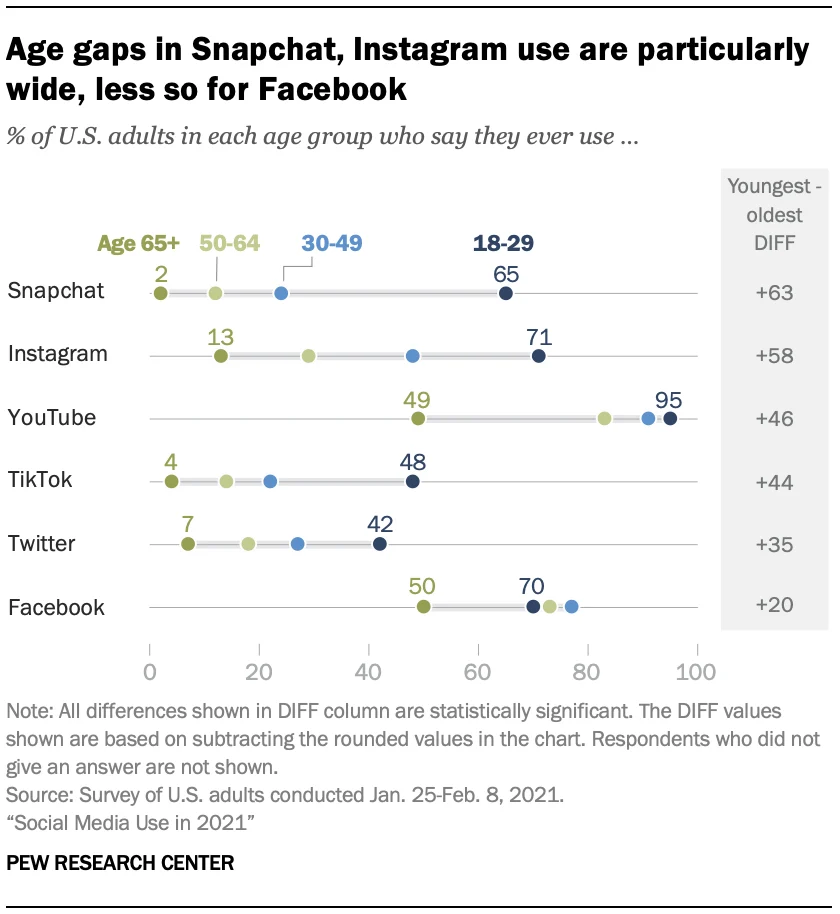
The word "target" is paramount in marketing, perhaps even our most crucial operative. The fundamental question remains: to whom are you speaking? While behavioral, psychographic, demographic, and geographic segmentation offer vital frameworks, understanding generational nuances is equally imperative for effective communication. This article, part of a series exploring digital marketing across generations, delves into the Millennial cohort, building upon previous insights into Gen Z and setting the stage for future analyses of Gen X and Baby Boomers. The objective is to equip marketers with the knowledge to ascertain if their strategies are reaching these distinct groups in the right channels with resonant messaging.
The Ascendance of the Millennial Generation
Millennials, generally defined as individuals born between 1980 and 1994, have rapidly become the largest living generation, supplanting Baby Boomers in sheer numbers. This demographic shift carries significant implications for consumer markets and societal trends. In recent years, this cohort has been characterized by a multifaceted reputation: digitally adept, health-conscious, and often burdened by debt. However, reducing such a diverse group to a few adjectives risks oversimplification and fails to capture the full spectrum of their experiences and motivations.
The Millennial Mindset: Forged in Digital Transformation
Millennials are distinct in that they grew up alongside, rather than being born into, the digital revolution. This formative experience has profoundly shaped their worldview and their relationship with technology. Unlike Gen Z, for whom the digital landscape is an inherent reality, Millennials witnessed the nascent stages and explosive growth of the internet, social media, and mobile technology. This generation includes the founders of platforms like Facebook, a testament to their early immersion and influence in the digital sphere. Their upbringing coincided with the rise of transformative companies such as Google, Amazon, and Apple, instilling in them a deep-seated comfort and proficiency with technology.
This technological fluency is not merely a passive trait; it actively influences their decision-making processes and information consumption. They are adept at navigating online information, researching products, and engaging with brands through digital channels.
Furthermore, Millennials have achieved higher levels of education compared to previous generations. Data from the Pew Research Center’s 2019 report, "Millennial Life: How Young Adulthood Today Compares with Prior Generations," consistently highlights this trend. However, this educational attainment has often come at a significant cost, with many grappling with the burden of student loan debt and the escalating expense of housing. This financial pressure has contributed to a delay in traditional life milestones, such as marriage, homeownership, and starting families, with these events often occurring later in life than for their predecessors.
Beyond their financial realities, Millennials are often characterized by a degree of self-orientation, valuing personal freedom and individual pursuits. This is frequently coupled with idealism and a strong sense of personal values. Their health consciousness has contributed to a noticeable surge in dietary preferences like vegetarianism, veganism, and pescetarianism, and has cemented the cultural ubiquity of items like avocado toast. Crucially, for many Millennials, experiences often hold greater intrinsic value than the accumulation of material possessions. This preference for experiences shapes their spending habits and brand loyalties, favoring companies that facilitate memorable moments or offer products that enhance their well-being and personal growth.
Millennial Consumption Patterns: Beyond Stereotypes
Understanding the multifaceted nature of Millennial consumption requires moving beyond simplistic stereotypes. A comprehensive study conducted by McKinsey & Company, titled "Cracking the Code on Millennial Consumers," identified several distinct consumption behavior clusters within this generation. These clusters highlight the diverse approaches Millennials take to purchasing decisions, influenced by factors such as their financial situations, life stages, and personal values.
While specific cluster names were not provided in the source text, the analysis points towards a nuanced understanding of their spending habits. Despite concerns about their financial futures, Millennials demonstrate a willingness to invest in premium or quality products. This preference is often driven by a desire for longevity and tangible benefits, particularly concerning their health and well-being. This suggests a thoughtful approach to spending, where value is assessed not just on price, but on durability, ethical sourcing, and positive impact.

The McKinsey research likely indicates that Millennials are not a monolithic spending bloc. Some may prioritize affordability and value, seeking out deals and discounts. Others might be early adopters of new trends and technologies, willing to pay a premium for innovation. A significant segment is likely driven by ethical considerations, preferring brands that align with their values regarding sustainability, social responsibility, and fair labor practices. This complexity demands that marketers tailor their approaches, recognizing that a one-size-fits-all strategy will fall short.
Strategic Approaches to Marketing to Millennials
Successfully engaging Millennials requires a strategic blend of understanding their mindset, their consumption habits, and their preferred communication channels. The key lies in crafting messages that resonate with their values, aspirations, and daily realities.
Platforms to Reach Millennials
Identifying the right platforms is paramount for effective digital marketing. Millennials are prolific users of various social media and digital services, but their engagement patterns can differ from other generations.
- Social Media Dominance: Platforms like Instagram, Facebook, and YouTube remain highly relevant for Millennials. Instagram, with its visually driven content, appeals to their appreciation for aesthetics and experiences. Facebook, despite evolving user demographics, continues to be a significant platform for news consumption, community engagement, and connecting with brands. YouTube serves as a primary source for entertainment, education, and product reviews.
- Emerging and Niche Platforms: Depending on specific sub-segments, platforms like TikTok may also see increasing Millennial engagement, particularly among younger Millennials. LinkedIn is crucial for professional networking and B2B marketing efforts.
- Search Engines and Review Sites: As informed consumers, Millennials heavily rely on search engines like Google for research. They also actively consult review sites and forums to gather information before making purchasing decisions.
- Email Marketing: Despite the rise of instant messaging, email remains a viable channel for direct communication, especially for brands offering valuable content, promotions, or personalized updates.
- Podcasts and Streaming Services: The growing popularity of podcasts and on-demand streaming services presents opportunities for targeted advertising and content integration.
Messaging That Speaks to Millennials
Once the right platforms are identified, the messaging must be carefully crafted to resonate with Millennial values and preferences.
- Authenticity and Transparency: Millennials value genuine interactions. Brands that are transparent about their products, services, and business practices build trust and loyalty. Avoid overly polished or inauthentic messaging.
- Value Proposition Beyond Price: Highlight the benefits that extend beyond the monetary cost. Emphasize quality, durability, health advantages, and the experiential value of products or services.
- Purpose-Driven Marketing: Connect with Millennials’ idealism by showcasing your brand’s commitment to social responsibility, sustainability, or ethical practices. Demonstrate how your brand contributes positively to society or the environment.
- Experiential Focus: Frame your offerings in terms of the experiences they enable. Instead of just selling a product, sell the memories, the personal growth, or the adventure it facilitates.
- User-Generated Content and Social Proof: Encourage and leverage user-generated content. Millennials trust the opinions of their peers. Testimonials, reviews, and social media shares from real customers are powerful endorsements.
- Personalization: Utilize data to personalize messaging and offers. Millennials appreciate brands that understand their individual needs and preferences.
- Humor and Relatability: Where appropriate, inject humor and relatable content into your communications. This can help to build a connection and make your brand more approachable.
- Educational Content: Millennials are keen learners. Providing valuable, informative content that addresses their interests or solves their problems can position your brand as a trusted resource.
Implications and Broader Impact
The evolving consumer landscape shaped by the Millennial generation necessitates a paradigm shift in marketing strategies. As the largest demographic group, their purchasing power and influence continue to grow, making them a critical target audience for businesses across all sectors. The insights gleaned from understanding their digital nativity, their financial realities, their value systems, and their consumption habits are not merely academic; they are actionable intelligence for marketers aiming to achieve sustained success.
The trend towards prioritizing experiences over material possessions suggests a future where brands that facilitate memorable moments or offer personal enrichment will thrive. Furthermore, the increasing emphasis on health, wellness, and ethical consumption indicates a market that is becoming more discerning and value-driven. Businesses that can authentically align with these values will likely build stronger, more enduring customer relationships.
The data supporting higher education levels among Millennials, coupled with their financial challenges, highlights a generation that is both aspirational and pragmatic. Marketers must acknowledge this duality, offering solutions that provide tangible value and support their long-term goals, rather than focusing solely on immediate gratification.
In conclusion, effectively marketing to Millennials is not about applying a generic template, but about understanding the nuanced tapestry of their lives. It requires a commitment to authenticity, a focus on value beyond price, and a strategic presence on the platforms they frequent, all communicated through messages that resonate with their core values. As the market continues to evolve, the ability to adapt and connect with this influential generation will be a defining factor in marketing success.
For brands seeking to refine their digital marketing strategies and connect with the Millennial audience in a meaningful and impactful way, a deep dive into specific consumer segments and ongoing market analysis is crucial. Engaging with expert teams specializing in digital marketing solutions can provide the tailored guidance necessary to navigate this dynamic landscape and achieve optimal results.