
 rifanmuazin
In the contemporary global economy, the traditional barriers to market entry have dissolved, leaving businesses to contend with a consumer base that is increasingly impatient, highly informed, and perpetually one click away from a competitor. Within this high-stakes environment, customer experience (CX) has transitioned from a subjective "soft" department to a critical, data-driven engine of business growth. Without the rigorous application of Key Performance Indicators (KPIs), a brand’s customer experience remains a "black box"—an opaque system where performance is guessed rather than managed. CX KPIs serve as the essential sensors that transform this uncertainty into a dashboard of actionable insights, revealing exactly where friction builds, where loyalty strengthens, and where revenue silently leaks.
The Strategic Shift Toward Experience-Based Metrics
The evolution of the digital marketplace has necessitated a fundamental shift in how organizations measure success. For decades, businesses focused almost exclusively on lagging indicators such as quarterly revenue or net profit. However, these metrics only describe what has already happened. In contrast, CX KPIs are leading indicators; they provide a real-time view of the human behaviors that dictate future financial outcomes. This transition is not merely about chasing vanity scores but about translating complex human interactions into measurable business results.
Industry research underscores the urgency of this transition. Data suggests that 86% of buyers are now willing to pay a premium for a superior customer experience, indicating that CX has overtaken price and product as the primary brand differentiator. Conversely, the cost of failure is steep: approximately 49% of loyal customers report they would leave a brand they like after just one poor experience. Consequently, tracking CX KPIs has become a matter of institutional survival.

A Chronology of the Customer Journey: Mapping Metrics to Experience
To understand the impact of CX KPIs, one must view them through the lens of the customer journey—a chronological progression from initial discovery to long-term advocacy.
1. The Immediate Interaction: CSAT and ART
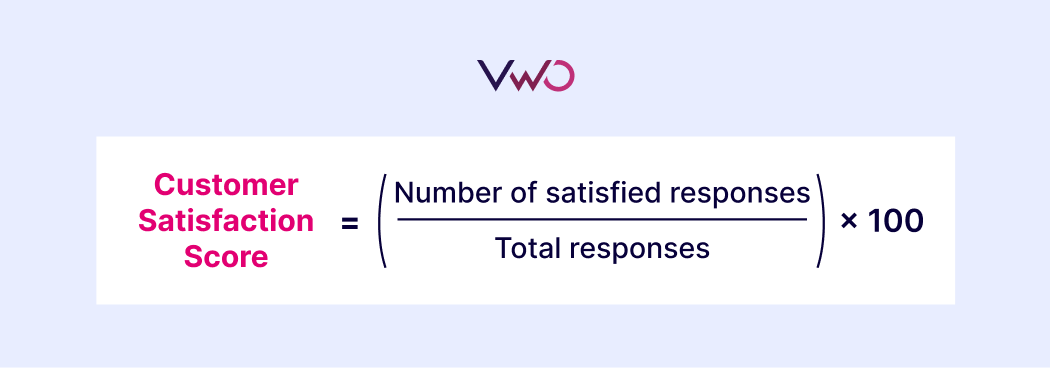
The first point of measurement often occurs during or immediately after a specific interaction. The Customer Satisfaction Score (CSAT) measures a customer’s immediate happiness following a touchpoint, such as a purchase or a support ticket resolution. It asks a direct question: "How satisfied were you with your experience?" Usually measured on a scale of 1 to 5, CSAT provides a snapshot of "here and now" performance.

Supporting this is Average Response Time (ART). In an era where 69% of consumers expect a response within 24 hours, speed is synonymous with respect. Delays in ART increase perceived effort and erode trust before an issue is even addressed. For instance, a B2B software prospect who receives a personalized demo invitation within 30 minutes of an inquiry is significantly more likely to convert than one who waits three days, regardless of the product’s quality.
2. The Resolution Phase: CES and FCR
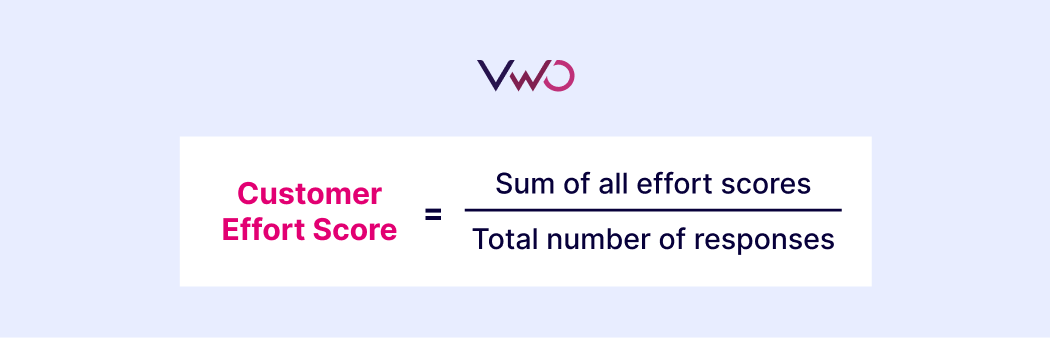
As the customer moves deeper into the journey, the focus shifts to the ease of the experience. The Customer Effort Score (CES) measures how hard a customer has to work to get their issue resolved or their goal achieved. Research by Gartner has famously suggested that "low effort" is a more reliable predictor of customer loyalty than "customer delight."
Complementing CES is First Contact Resolution (FCR). This metric tracks the percentage of issues resolved during the initial interaction. A high FCR indicates empowered staff and efficient internal processes. For a retailer, high FCR means a customer who calls about a missing package receives a resolution (such as a replacement shipment) immediately, rather than being told they will receive an email in 48 hours. This reduces the "back-and-forth" friction that often leads to churn.
3. Long-Term Brand Health: NPS and CHS
Beyond individual transactions, businesses must measure the health of the overall relationship. The Net Promoter Score (NPS) is the industry standard for measuring long-term loyalty and advocacy. By asking customers how likely they are to recommend the brand on a scale of 0 to 10, companies can categorize their base into Promoters (9-10), Passives (7-8), and Detractors (0-6).
In the SaaS and subscription sectors, the Customer Health Score (CHS) has emerged as a predictive composite metric. CHS aggregates product usage, engagement trends, and support activity into a single score. A declining CHS serves as an early warning system, allowing Customer Success Managers to intervene with training or support before a client reaches the point of cancellation.
Financial Implications: Churn, Retention, and Conversion
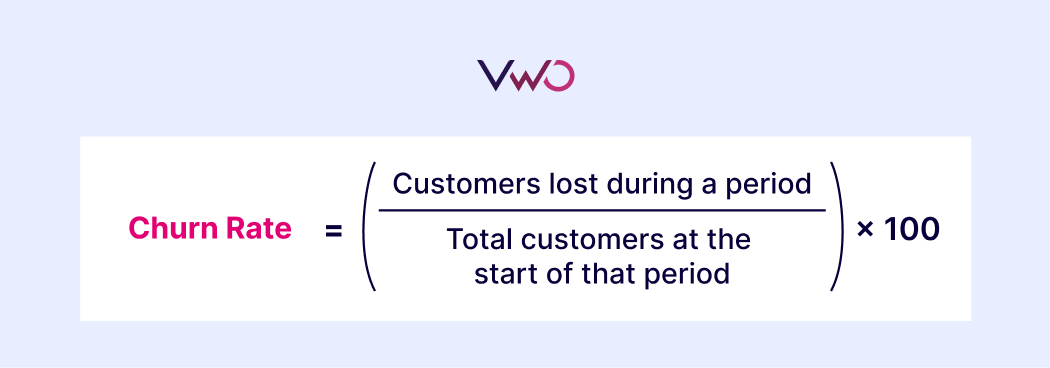
The ultimate goal of monitoring CX KPIs is to influence the bottom line. This is most visible in the Churn Rate and Retention Rate. The Churn Rate measures the percentage of customers who stop doing business with a company over a specific period. For a subscription streaming service, a 5% quarterly churn rate might seem small, but if that number rises, it signals a systemic failure in the user experience or a lack of competitive value.
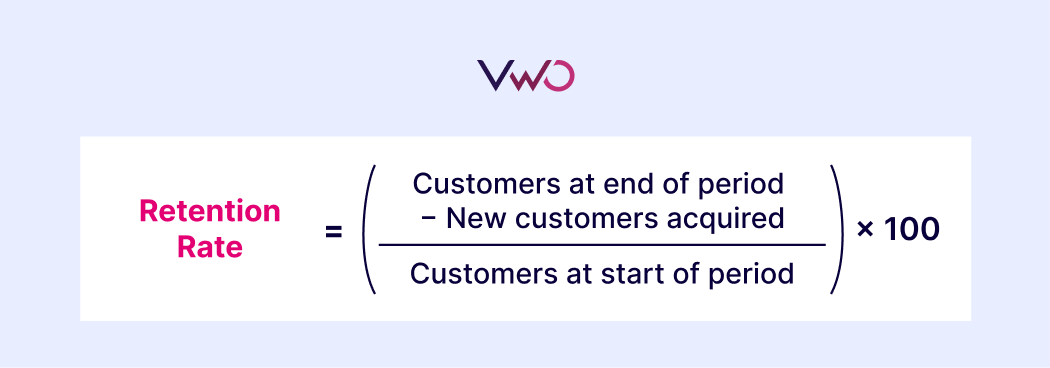
Conversely, the Retention Rate measures a company’s ability to keep its customers. High retention typically correlates with higher Customer Lifetime Value (CLV). Because it is significantly more expensive to acquire a new customer than to retain an existing one, even a 5% increase in retention can lead to a profit increase of 25% to 95%, according to Harvard Business Review.
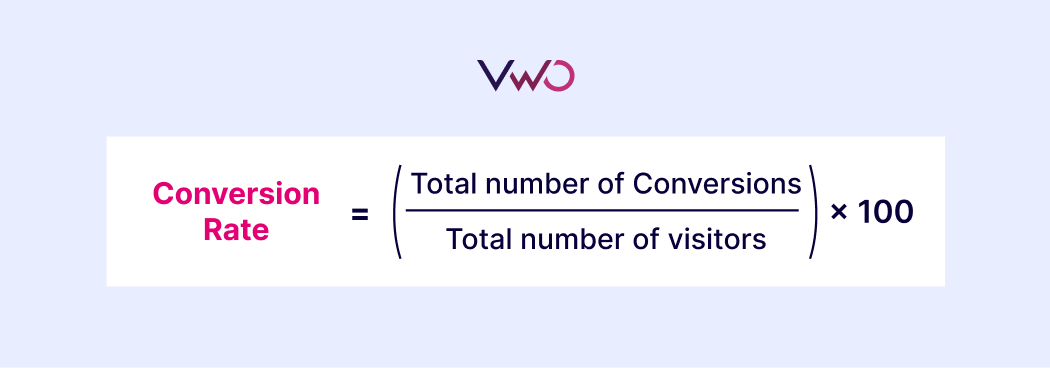
Conversion Rate, while often viewed as a marketing metric, is also a vital CX KPI. It measures the percentage of visitors who complete a desired action. If a website’s conversion rate drops, it often points to friction in the user interface or a lack of clarity in the value proposition.
Case Studies in CX Optimization: From Insight to Impact
The efficacy of these metrics is best demonstrated through real-world applications. Several organizations have utilized experimentation and behavioral analysis to turn CX data into significant revenue gains.
Buyakilt.com: Reducing Product Discovery Friction
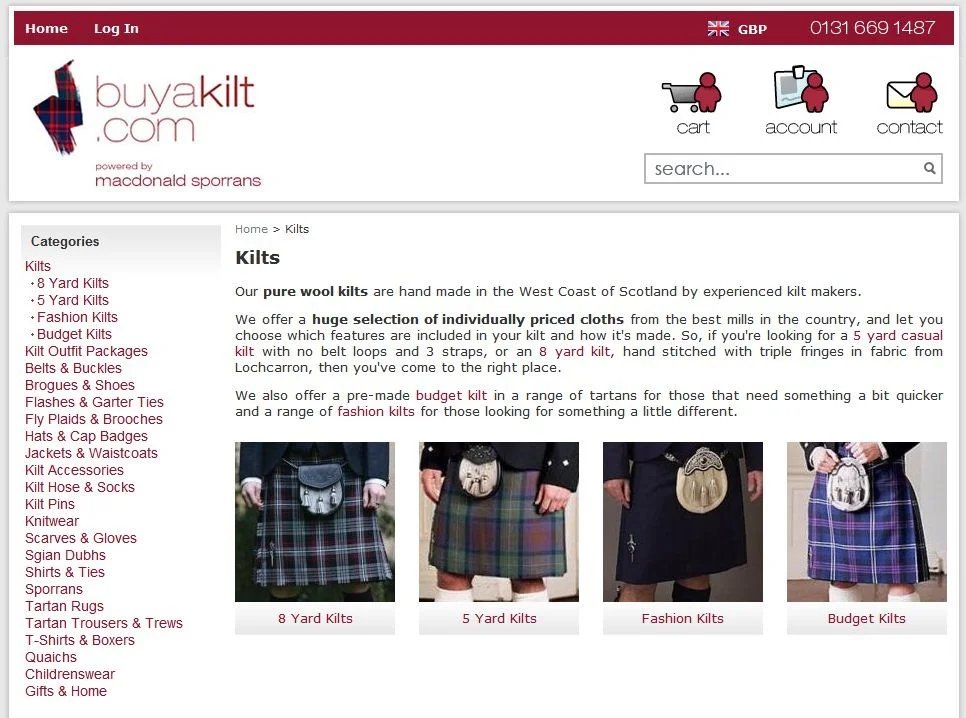
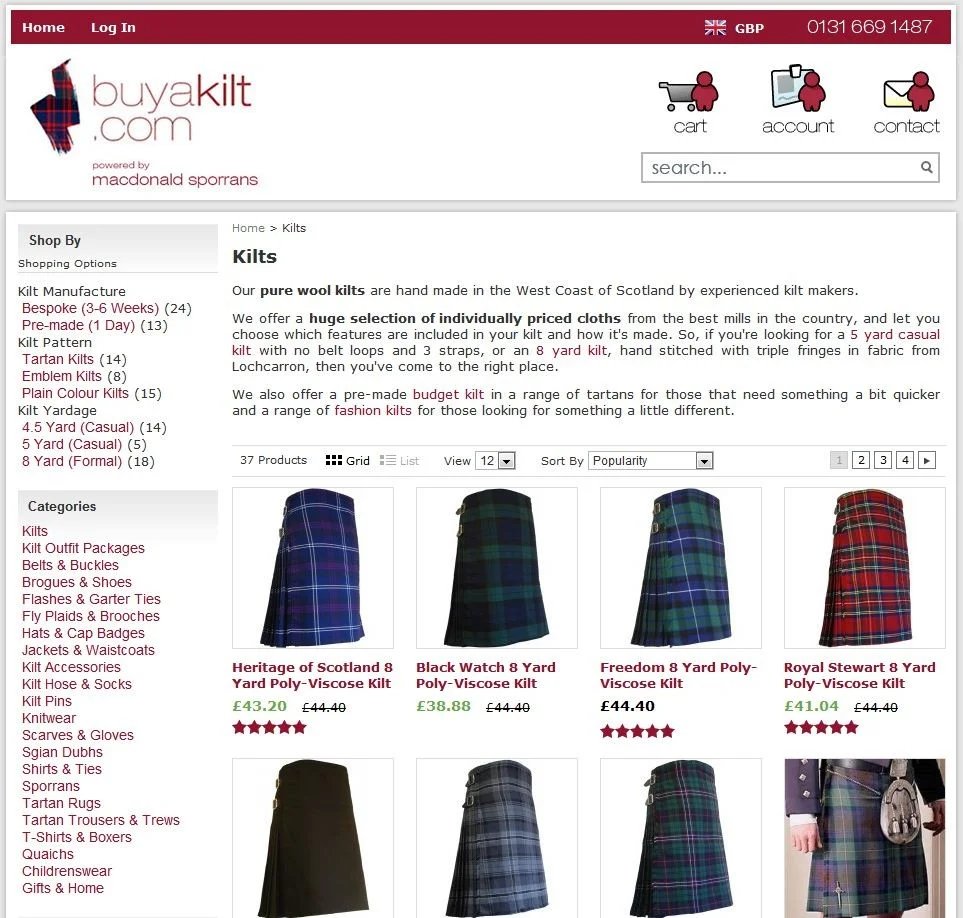
The online retailer of Scottish Highland dress, Buyakilt.com, identified a friction point in how customers searched for products. By utilizing insights from user behavior, the team implemented a product filter allowing users to shop by kilt type and pattern. This targeted reduction in customer effort (CES) led to a 26% increase in conversions and a 76.1% lift in revenue.
Attrangi: Optimizing the Mobile Journey
The Indian fashion brand Attrangi focused on granular interactions, such as zoom clicks and size guide usage. By aligning their experiments with these specific CX metrics, they identified significant drop-offs in the mobile shopping journey. Addressing these friction points resulted in a 50% lift in conversions and a 78.68% increase in revenue, proving that small improvements in the "ease" of an experience can have outsized financial rewards.
Orascom Hotels: The Power of Personalization
Orascom Hotels Management utilized personalization to enhance the customer journey. By serving localized summer offers in both English and German tailored to user behavior and location, the brand generated $352,377 in revenue from a single campaign. This accounted for 42% of total sales during the period, demonstrating that relevance is a key component of a positive customer experience.
The Broader Impact: CX as a Competitive Moat
In the modern business landscape, product features are easily replicated, and price wars often lead to a "race to the bottom." Customer experience, however, is difficult to copy. It is an intricate tapestry of culture, data, and technology. Organizations that successfully track and optimize CX KPIs gain more than just satisfied customers; they build a competitive moat.
The integration of Artificial Intelligence (AI) is further refining this field. Modern platforms now offer AI-recommended metrics that automatically monitor campaign events like form submissions and revenue conversions. These tools allow businesses to move beyond manual data collection to automated, real-time sentiment analysis.
Conclusion: The Mandate for Measurement
The conclusion for modern enterprises is clear: customer experience is no longer a "soft" metric or a secondary concern. It is a measurable, testable, and highly financial discipline. By moving from a "black box" approach to a dashboard of actionable KPIs—NPS, CSAT, CES, and FCR—businesses can pinpoint exactly where they are winning and where they are losing.
As the data shows, the difference between a high-performing brand and a failing one often comes down to the speed of a response, the ease of a transaction, and the ability to turn customer feedback into immediate operational change. In an economy defined by choice and speed, those who measure the experience are the only ones equipped to master it. Through the diligent tracking of these metrics, companies can transform silent customer drop-offs into sustainable, long-term growth.








