rifanmuazin
Readers may be surprised to learn that many individuals, much like the King of England with his official and actual birth dates, maintain two birthdays in the digital realm. One is their genuine date of birth, and the other, often referred to as an "email birthday," is the date provided when subscribing to new email programs. This practice, often employed to manage the influx of marketing communications, recently highlighted a significant opportunity and a stark failing within the digital marketing landscape. A recent "celebration" of this email birthday triggered over fifty congratulatory messages from brands worldwide, offering a unique case study into the efficacy and missteps of birthday email campaigns. While some of these messages genuinely resonated, others underscored a fundamental question: why bother collecting data if it isn’t utilized effectively? This phenomenon provides critical insights into what makes a birthday email campaign truly successful and why it deserves a pivotal role in a brand’s comprehensive customer journey strategy.
The Strategic Imperative: Why Birthday Data Matters for Both Brands and Consumers
At its core, a customer’s date of birth is a potent piece of personal data, offering a dual benefit when leveraged judiciously. For brands, this information transcends a mere congratulatory note; it is a gateway to sophisticated life-stage segmentation and hyper-personalization, enabling marketers to tailor content and offers that align with a customer’s current life phase. Beyond personalization, birthday data can also serve as a predictive indicator of future purchasing behavior, allowing brands to anticipate needs and preferences. Crucially, empirical evidence consistently demonstrates that birthday messages reliably outperform generic marketing campaigns in terms of open rates, click-through rates, and overall engagement, signaling their inherent power in capturing consumer attention.
Conversely, for consumers, birthday rewards are genuinely anticipated. These often manifest as discounts, free products, bonus loyalty points, or even exclusive access to age-restricted benefits. The allure extends beyond tangible benefits; there’s an intrinsic pleasure in feeling acknowledged and valued by a brand. Birthday marketing is inherently personal, fostering an emotional connection that deepens brand loyalty and transforms transactional relationships into more meaningful engagements. This sentiment of being "seen" can significantly enhance the customer experience, making the brand feel more human and attuned to individual needs.
However, the efficacy of collecting such sensitive data hinges entirely on its utilization. A recent analysis, supported by data from Validity, reveals a concerning trend: despite willingly providing their date of birth, a significant number of consumers do not receive corresponding birthday communications. For instance, one individual should have triggered 124 birthday emails in a single year, yet only 43 arrived—a mere 35% success rate. This stark underutilization of collected data is not just a missed opportunity; it erodes customer trust and underscores a critical principle in data management: never collect data that you do not intend to use. Brands that fail to act on the information they solicit risk appearing disingenuous or inefficient, potentially damaging their reputation and customer relationships.
Anatomy of a Celebration: Tactics That Resonate and Those That Fall Flat
Birthday email campaigns typically fall into several discernible categories, each with varying degrees of impact and effectiveness. Understanding these tactics is crucial for brands seeking to optimize their engagement strategies.
1. The Symbolic Gesture:
More common among premium brands, where the clientele may not expect or desire freebies, this approach prioritizes sentiment over material reward. The "gift" might be a simple heartfelt message, an exclusive content piece, or even a subtle suggestion to purchase additional products to celebrate. While the thought genuinely counts for high-net-worth individuals, this tactic risks feeling perfunctory or self-serving if not executed with genuine warmth and brand-appropriate exclusivity. The challenge lies in making the gesture feel authentic and valuable, rather than a generic, automated outreach.
2. The Ubiquitous Birthday Discount:
By far the most prevalent tactic, birthday discounts are a cornerstone of many campaigns. These typically come with a minimum spend requirement but often lack an upper limit, encouraging larger purchases. The key to success here lies in the generosity of the offer. A discount that feels token or insignificant can be counterproductive, leading to customer disappointment. For instance, a 10% discount on a high-value item might be appreciated, but the same discount on a low-cost item might feel insufficient. Brands must ensure the discount is substantial enough to genuinely incentivize a purchase and convey real value.
3. The "Free Product with Purchase" Model:
Particularly popular within the restaurant industry, this strategy often involves offering a free birthday dessert with the purchase of an entrée. While seemingly straightforward, a deeper analysis reveals the actual economic value to the consumer. A comparative study of average entrée and dessert prices across several popular restaurant chains illustrates this point:
| Restaurant | Avg. Entrée | Avg. Dessert | Effective Discount |
|---|---|---|---|
| Seasons 52 | $28 | $4–$9 | 12–24% |
| Olive Garden | $18.50 | $12 | ~39% |
| Yard House | $21 | $10 | ~32% |
| Cheddar’s | $18 | $7.50 | ~29% |
| LongHorn Steakhouse | $26 | $11 | ~30% |
| Applebee’s | $17 | $6 | ~26% |
Viewed through this lens, the average effective discount across these establishments hovers around a healthy 30%, with Olive Garden standing out at approximately 39%. This model effectively drives foot traffic and ensures a minimum spend, turning a "free" item into a significant value proposition for both the customer and the business.
4. The Strategic Redemption Window and Multi-Touch Sequence:
Effective campaigns often extend the opportunity to redeem a birthday gift over a period, typically 30 days. The most sophisticated brands transform this into a multi-touch sequence, maximizing the likelihood of redemption. Calvin Klein, for example, employs an advance warning email, an on-the-day message, and a timely reminder, ensuring the offer remains top-of-mind. This sequential approach acknowledges that customers may not be ready to act immediately on their birthday but provides ample opportunity for engagement.
5. Dynamic and Interactive Content:
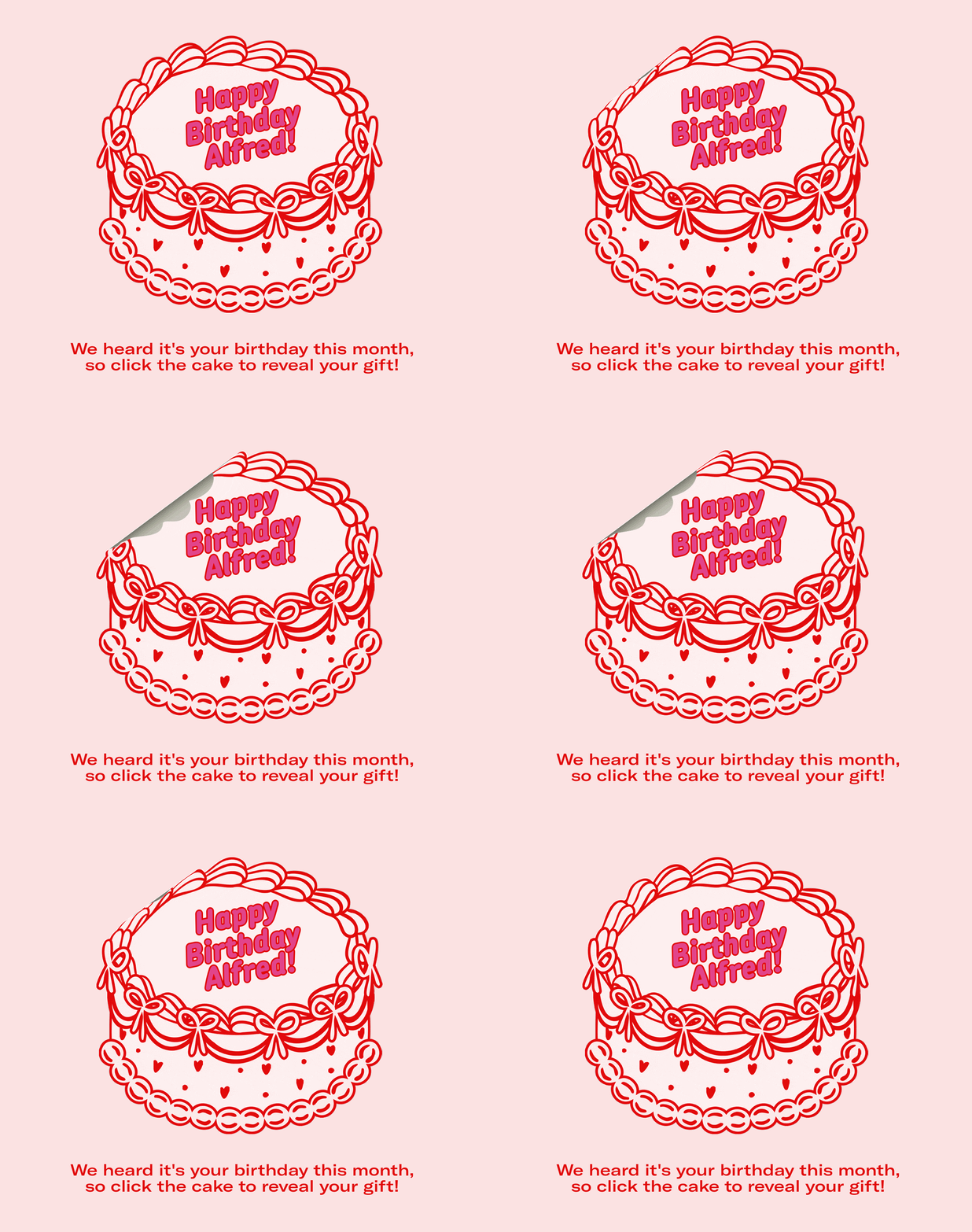
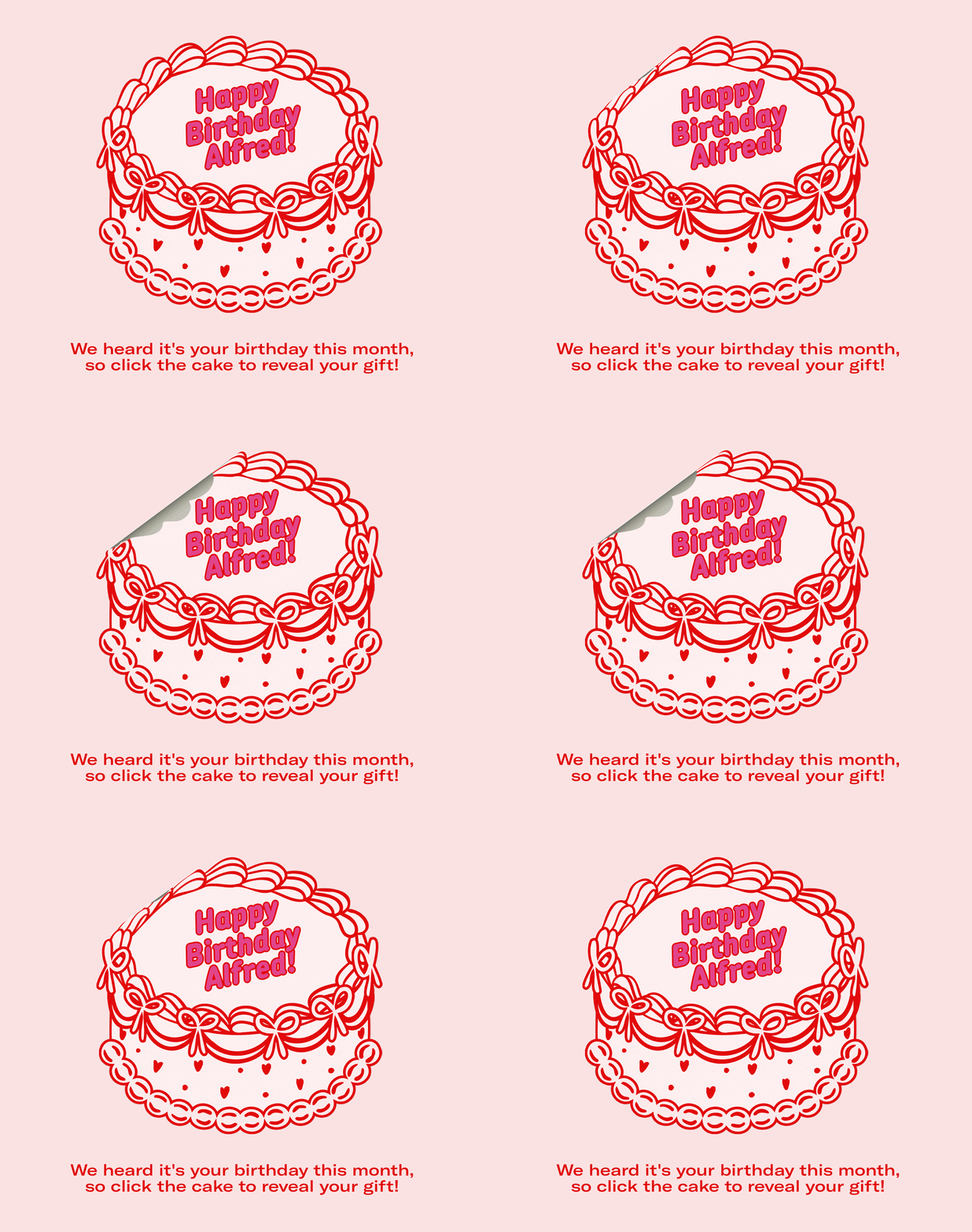
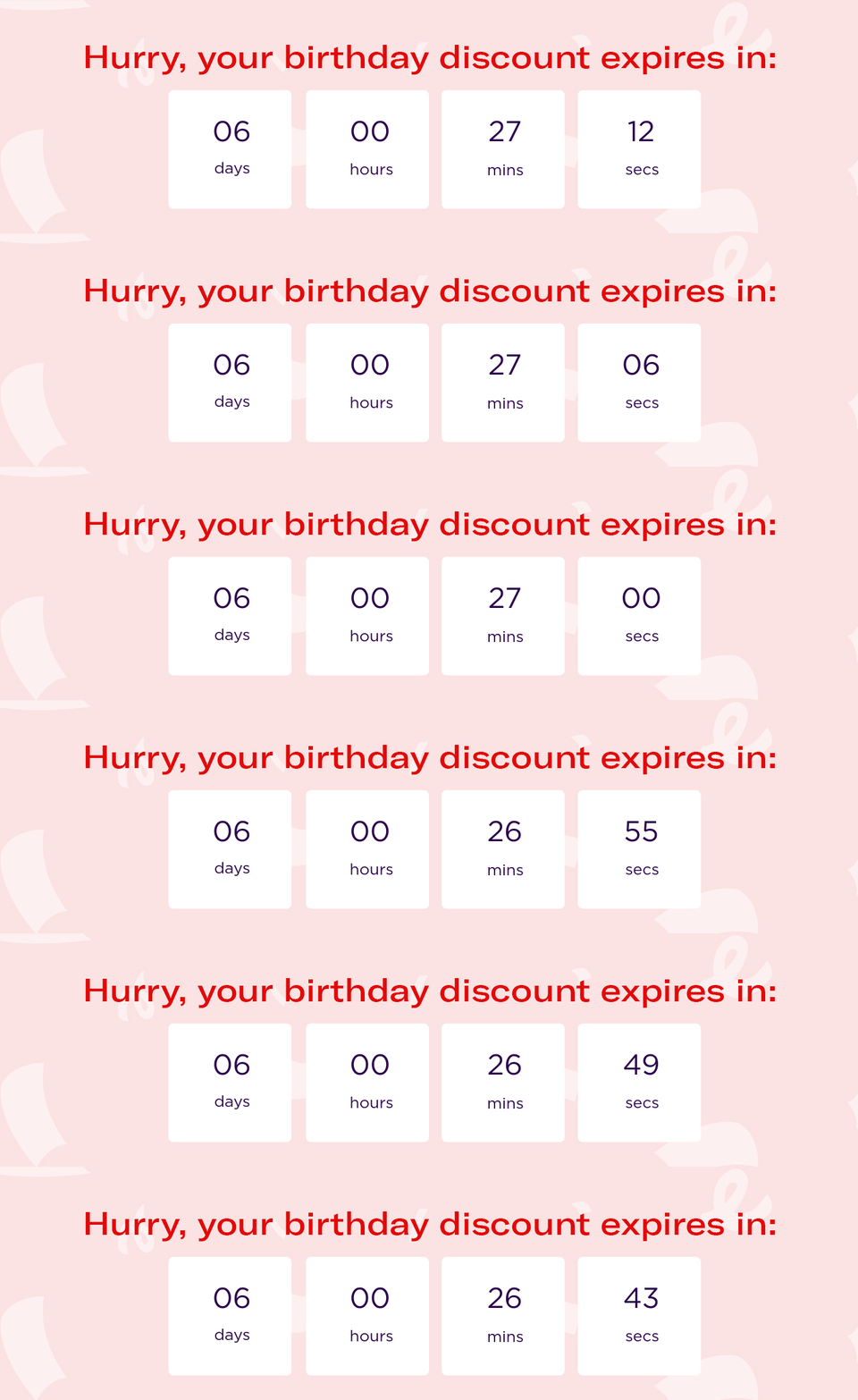
Surprisingly, despite the inherent celebratory nature of birthdays, few brands leverage animation or dynamic content in their emails. Yet, birthdays are perfectly suited for flickering candles, "open your present" interactivity, or engaging visual elements. Virgin Australia stands out in this regard, featuring an animated cake that reveals a discount in its on-the-day email, followed by a countdown timer in subsequent messages to inject urgency. Such creative elements not only capture attention but also enhance the celebratory experience, making the email more memorable and enjoyable.
Amidst the deluge of "here’s your birthday discount" emails, certain brands manage to distinguish themselves by delivering genuine value. Burger King, for example, earned top marks with its straightforward offer: "Enjoy a free bday Whopper." The absence of minimum spend or conditions made it a truly unconditional gift, resonating deeply with the recipient. Honorable mentions included brands that provided clear, actionable value and demonstrated a true understanding of customer appreciation.
The Commercial Impact: Quantifying the ROI of Email Discounts
Across the more than 50 birthday emails analyzed, the average discount or its equivalent hovered around 18%. While this might seem reasonable, particularly for businesses operating on thin margins (e.g., a restaurant with a 4% net margin), the question arises: could brands invest more in these highly impactful touchpoints?
The business case for investing in active customers is robust and well-established. Research from the Harvard Business Review indicates that acquiring a new customer costs approximately five times more than retaining an existing one. Further, Bain & Company found that even a modest 5% boost in customer retention can elevate profits by up to 75%. Reactivating dormant customers falls somewhere between these two extremes; it is generally cheaper than acquisition but significantly pricier than simply maintaining a strong, ongoing relationship.
This context underscores the immense value of birthday emails. Experian’s Birthday Emails report highlights their exceptional performance, generating 481% more transactions and 342% more revenue per email than standard promotional campaigns. This positions birthday emails as one of the highest-performing touchpoints across the entire customer lifecycle. In stark contrast, Dotdigital research reveals that win-back emails, even those including an attractive offer, typically redeem at just over 2%.
These statistics present a compelling argument for elevating the status of the birthday gesture. Brands frequently offer substantial discounts, often ranging from 25-40%, to win back disengaged customers, often with limited success. Given the significantly higher engagement and conversion rates associated with birthday emails, it makes sound economic sense to invest more generously at this proactive stage. A more substantial birthday offer, delivered when customer engagement is naturally higher and the emotional connection stronger, can prevent the need for costly and often less effective win-back campaigns down the line. The case for prevention, in this instance, is undeniably strong.
Crafting the Perfect Birthday Email: Best Practices for Marketers
While the business case for birthday emails is clear, their personal nature demands meticulous execution. Errors in data, generic content, or poorly conceived offers can do more harm than good, eroding trust and diminishing brand perception. Here are ten essential tips for optimizing birthday email marketing campaigns:
- Prioritize Data Accuracy: The foundation of any effective personalized campaign is clean, accurate data. Brands must implement robust data collection and validation processes to ensure birth dates are correct, preventing embarrassing errors and maintaining trust.
- Go Beyond the Name: While addressing a customer by their name is a good start, true personalization leverages other available data points (e.g., past purchases, browsing history, stated preferences) to tailor offers and content, making the message feel uniquely relevant.
- Craft Irresistible Offers: The value proposition must be clear, generous, and easily redeemable. Avoid overly complex terms and conditions. The goal is to make the customer feel genuinely appreciated, not subjected to a marketing hurdle.
- Embrace Multi-Channel Integration: Email should not operate in a silo. Consider integrating birthday messages with other channels, such as SMS, push notifications, or even direct mail, for a cohesive and amplified celebratory experience.
- Strategic Timing and Frequency: Implement a multi-stage approach: a "pre-birthday" anticipation message, an "on-the-day" celebratory email, and a "post-birthday" reminder to redeem the offer. This sequence maximizes visibility and encourages action.
- Leverage Dynamic and Interactive Content: Incorporate GIFs, animated elements, or even personalized video messages to make the email stand out. Interactive elements can transform a static message into an engaging experience.
- Optimize for Mobile: A vast majority of emails are opened on mobile devices. Ensure birthday emails are responsive, load quickly, and are easy to read and interact with on smaller screens.
- A/B Test Everything: Continuously test different subject lines, call-to-action buttons, offer types, and design elements to understand what resonates best with your audience and drives the highest engagement and conversion rates.
- Maintain Brand Consistency: While celebratory, the tone and visual elements of birthday emails should remain consistent with the brand’s overall identity, reinforcing its values and aesthetic.
- Adhere to Privacy Regulations: Be transparent about data collection and usage. Ensure all practices comply with data privacy regulations such as GDPR and CCPA, reinforcing customer trust and avoiding legal repercussions.
By meticulously executing these strategies, brands can transform a simple birthday wish into a meaningful, positive interaction that strengthens the overall brand experience. Even if an immediate purchase doesn’t occur, a well-crafted birthday email significantly increases the likelihood of future engagement, fosters long-term loyalty, and can turn customers into passionate brand advocates.
In an increasingly competitive digital landscape, where customer acquisition costs continue to climb, the optimization of existing customer relationships through personalized touchpoints like birthday emails is not merely an option but a strategic imperative. These campaigns, when executed correctly, represent a cornerstone of modern customer relationship management, demonstrating a brand’s commitment to understanding and valuing its individual customers. Platforms like Validity’s Intelligence Network play a crucial role in enabling brands to create, manage, and protect accurate customer segments year-round, ensuring that every celebratory touchpoint, from January 1st to December 31st, is both impactful and efficient. The future of customer engagement lies in intelligent, personalized communication, and the humble birthday email stands as a powerful testament to its enduring effectiveness.

 Sagoh
 Nana Muazin