The Evolving Landscape of Instagram Monetization
Instagram monetization, at its core, refers to the various methods by which creators earn income from the content they publish across posts, Reels, Stories, and live video. This encompasses a broad spectrum, from collaborations with brands and earning a share of ad revenue on Reels, to receiving direct financial support from followers through tips during live streams or recurring fees via Instagram Subscriptions. Historically, a clear distinction existed between monetizing content itself and directly selling products or services. The latter, known as social commerce, involved integrating online stores or utilizing Instagram Shops for direct product sales. However, by 2026, this line has significantly blurred, with many creators seamlessly integrating product sales—both physical and digital—as core revenue streams alongside content-based earnings. This convergence reflects a mature creator economy where a holistic approach to revenue generation is increasingly common.
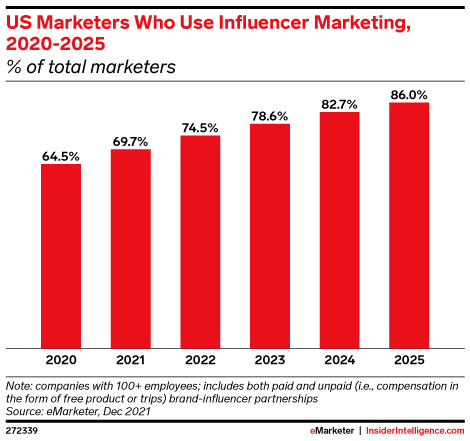
The platform’s enduring appeal to marketers solidifies its position as a dominant force in influencer marketing. According to recent data, 80.8% of US marketers utilize Instagram for influencer campaigns, indicating its unparalleled reach and engagement potential. The financial investment in this sector continues its upward trajectory; eMarketer reported that US influencer marketing spend reached an impressive $10.52 billion in 2025, with Instagram consistently capturing the largest share among social media platforms. Projections further suggest this spending will escalate to $13.7 billion by 2027, highlighting the sustained growth and financial viability of the creator ecosystem on Instagram.

Crucially, this substantial financial opportunity is not exclusively reserved for mega-celebrities. A significant portion of Instagram creators earning substantial income from brand partnerships operate well below the 100,000-follower threshold. Statista data from 2024 revealed that influencers with 1,000 to 10,000 followers constituted the largest share of influencer accounts globally, underscoring the vital role of micro- and nano-influencers in the contemporary marketing landscape. These smaller, yet highly engaged, communities often deliver superior engagement rates, making them attractive partners for brands seeking authentic connections. Many individuals are now generating full-time incomes from their social media presence, fueled by consistent demand from brands and the platform’s continuous introduction of new monetization tools.
Setting the Foundation: Preparing Your Account for Revenue Generation
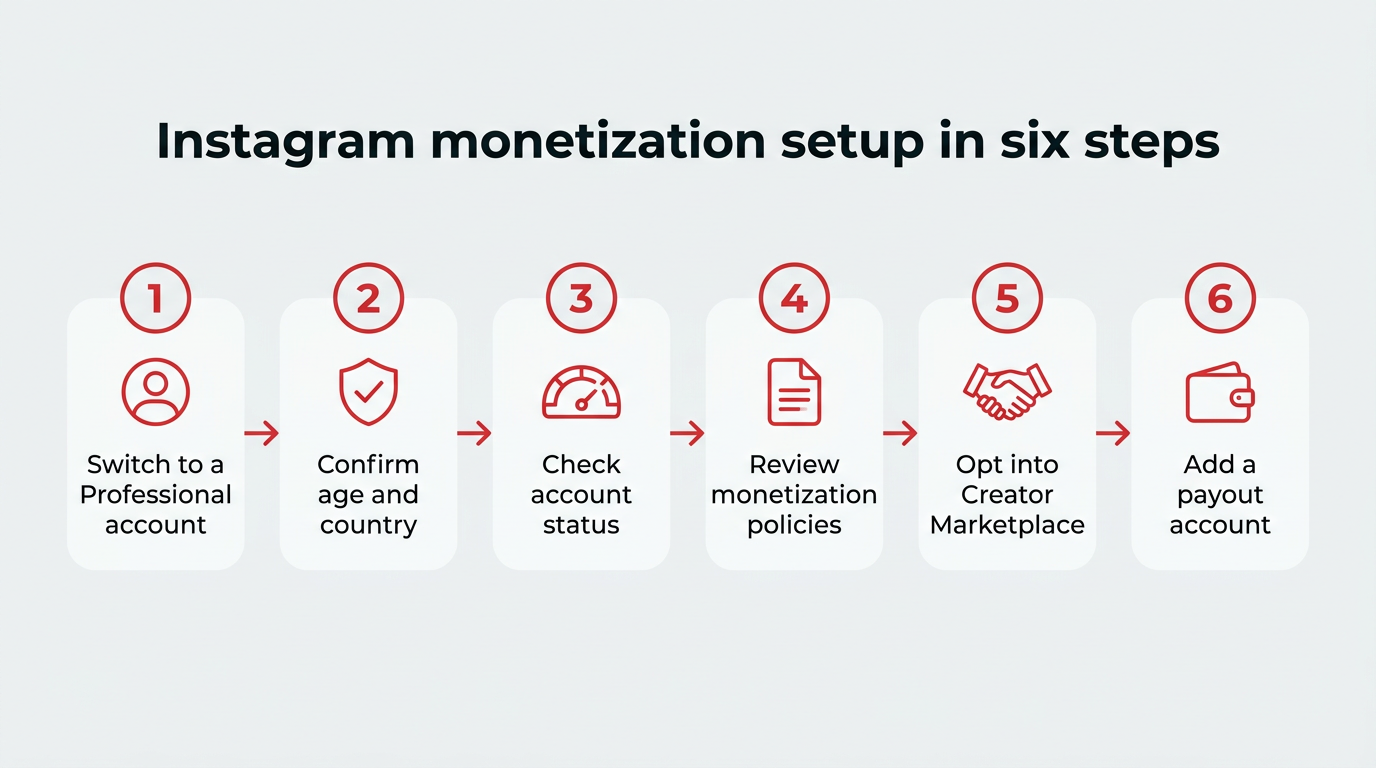
Before a creator can effectively tap into Instagram’s diverse monetization avenues, their account must be properly configured. Instagram’s built-in monetization tools are accessible only to accounts that meet specific baseline requirements, making initial setup a critical first step.
The foundational requirement is to transition from a personal account to a Professional account. This is achieved by navigating to ‘Settings,’ then ‘Account type and tools,’ and selecting ‘Switch to professional account.’ During this process, creators are prompted to choose between a ‘Creator’ account and a ‘Business’ account. The ‘Creator’ option is typically suited for individuals publishing content, such as influencers, artists, photographers, and public figures, offering flexible category labels and creator-specific tools. Conversely, the ‘Business’ option is designed for entities selling products or services under a brand name. Both account types unlock essential features like performance insights and the Professional Dashboard, which are crucial for tracking growth and monetization opportunities.

Following the account type switch, creators must verify their monetization eligibility and consider joining the Creator Marketplace. Within the ‘Professional Dashboard,’ the ‘Account status’ section provides vital information regarding an account’s eligibility for monetization, flags any content deemed ineligible, and indicates whether content is recommendable to non-followers. Addressing any issues identified here proactively can prevent future frustrations when applying for monetization programs.
The Creator Marketplace, accessible from the same dashboard, represents Instagram’s native matchmaking service for creators and brands. By building a comprehensive profile detailing their niche, audience demographics, and preferred brand collaborations, creators can be discovered by brands actively seeking partners for paid campaigns. Partnership messages are routed to a dedicated inbox folder, streamlining communication and reducing the likelihood of missed opportunities. This tool significantly lowers the barrier for creators to secure brand deals without the need for extensive cold pitching, effectively serving as a curated talent pool for marketers.
Twelve Core Avenues for Instagram Monetization in 2026
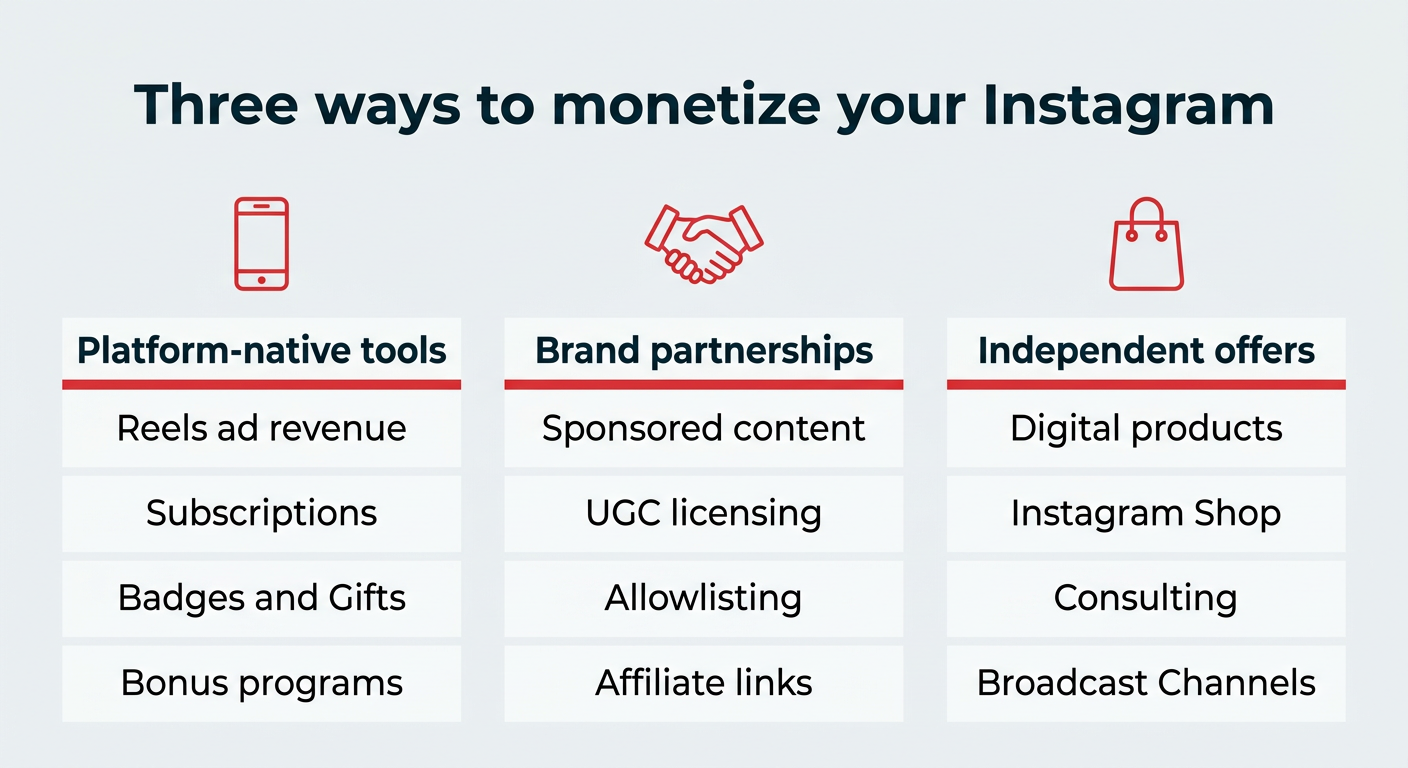
The diverse methods available for monetizing an Instagram account can broadly be categorized into three strategic buckets: direct content monetization, audience-supported revenue, and product/service sales.
Here is a detailed breakdown of the twelve primary ways creators are generating income on Instagram in 2026:
-
Brand Deals and Sponsored Content: This remains the most widely recognized form of Instagram monetization. Brands pay creators to feature their products or services in various content formats, including in-feed photos or videos, Stories, Reels, or combinations thereof. Modern sponsored content prioritizes authenticity and creativity, moving beyond overt advertising to seamless integration within a creator’s unique narrative. For example, a sponsored product might appear naturally in a ‘get-ready-with-me’ video or a ‘day-in-the-life’ Reel, resonating more deeply with audiences. This method offers creators significant control over their earnings, allowing proactive outreach to brands, negotiation of campaign fees, and management of collaboration volume. The Creator Marketplace has become a primary channel for discovery, making a well-optimized profile invaluable. Micro- and nano-influencers, with their higher engagement rates, command a significant share of this market, capturing 45.5% of brand spend in 2026. Eligibility typically requires adherence to Instagram’s Partner Monetization Policies and Brand Content Policies, a consistent presence, and generally a minimum of 1,000 engaged followers.
-
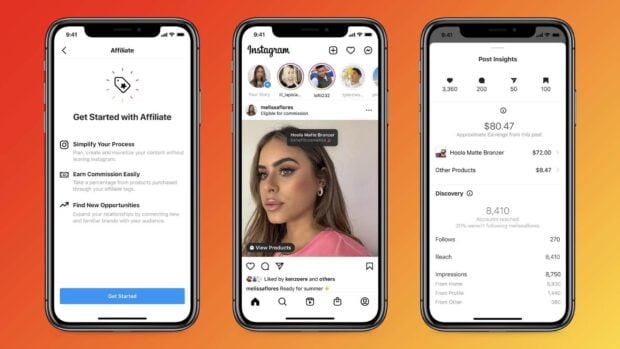
Affiliate Marketing Programs: Affiliate marketing, a long-standing digital revenue model, involves creators sharing trackable links to products. When a customer purchases through these links, the creator receives a commission. Instagram’s universal rollout of link stickers in Stories (regardless of follower count) and the ability to host multiple links in a profile bio have significantly enhanced the practicality of affiliate marketing for creators. While Instagram’s own affiliate tool saw limited rollout, creators primarily utilize external programs like Amazon Associates, LTK, ShareASale, Impact, and Rakuten, or direct brand affiliate partnerships. Affiliate links are strategically placed in Story link stickers, the ‘link in bio’ section (often linking to a hub page), and within Broadcast Channel messages. A key advantage of affiliate income is its compounding nature; evergreen Reels or posts can continue to generate commissions for extended periods, offering a sustained passive income stream. Eligibility often requires a Professional account, a clean account status, and adherence to Instagram’s and the affiliate program’s content guidelines.
-
Reels Ad Revenue Sharing: Instagram compensates select creators by sharing a portion of the ad revenue generated around their Reels. Operating on a revenue share model rather than a fixed rate per view, earnings are influenced by ad demand within a creator’s niche, the geographical location of their audience, and the number of qualifying plays a Reel receives. Following the retirement of in-stream video ads for standard posts, Instagram has focused its video monetization efforts on Reels, which are inherently designed for broader reach beyond a creator’s existing followers. Access to the Reels ad revenue program is invitation-based and rolled out regionally. Payouts can vary significantly, typically ranging from a few dollars to low double digits per 100,000 plays, positioning Reels ad revenue as a valuable supplementary income layer rather than a sole source. Eligibility includes a Professional account, a good account status, adherence to content guidelines, and an invitation from Instagram.
-
Instagram Subscriptions: Launched publicly to eligible creators, Instagram Subscriptions allow followers to pay a recurring monthly fee for exclusive access to a creator’s content and community within the app. This method offers predictable and reliable income. Creators set their own subscription price, typically ranging from $0.99 to $99.99 per month. Subscribers receive a distinctive purple badge next to their username and access to gated content such as exclusive Stories, Live videos, Reels, subscriber-only chats, and even exclusive content tabs on the creator’s profile. Subscriptions empower creators to build deeper connections with their most loyal fans, offering a more intimate experience. Unlike view-dependent monetization, subscription income is directly tied to subscriber count, giving creators greater control over their earnings through strategic content offerings. Eligibility requirements include a Professional account, a good account status, residing in an eligible region, and adhering to Instagram’s Partner Monetization Policies.
-
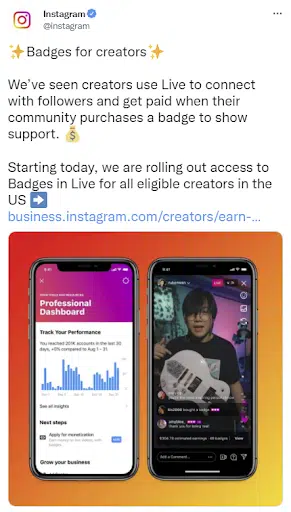
Live Badges and Gifts: During live videos, viewers can purchase ‘Badges’ to financially support creators, available in increments of $0.99, $1.99, and $4.99. A heart icon appears next to the supporter’s name in the comments, acknowledging their contribution. Once activated, this feature is available for every live broadcast. Similarly, ‘Gifts’ apply to Reels, allowing viewers to send virtual gifts on eligible content, with creators receiving a share of their value. Both Badges and Gifts reward creators with highly engaged and loyal audiences, fostering a sense of community and direct support. Creators can activate Badges via their Professional Dashboard and set up a payout account through their bank or PayPal. Availability of these features varies by region.
-
Selling Digital Products: This often represents one of the highest-margin monetization options, as creators retain most of the revenue after payment processing, with minimal fulfillment costs per additional sale. Digital products that perform well on Instagram typically solve problems or provide value related to a creator’s existing content. Examples include e-books, online courses, templates, presets, digital art, or exclusive access to communities. Instagram facilitates this through link stickers in Stories, multiple links in bio, pinned posts acting as a storefront, and DM automation that can send checkout links in response to specific keywords. The common strategy involves providing valuable free content to establish expertise, then directing the audience to paid digital products for more in-depth solutions.
-
Setting Up an Instagram Shop: For creators selling physical goods, an Instagram Shop provides an integrated social commerce experience, allowing users to browse and purchase products directly within their feed. Product tagging can be applied across posts, Reels, and Stories, making items discoverable across all content formats. While closer to traditional e-commerce, Instagram Shops are increasingly integral to creator monetization, particularly for those launching merchandise lines, prints, or other physical products. A shop removes friction by keeping the audience on-platform. Setting up a shop requires a Professional account, a connected commerce account, and products that comply with Instagram’s commerce eligibility requirements. Once approved, the shop appears as a dedicated tab on the creator’s profile.
-
Content Licensing (UGC) and Allowlisting: Brands are increasingly willing to pay creators for the rights to use their content, even if it’s not posted on the creator’s personal feed. This takes two primary forms:
- UGC Licensing: Brands pay creators to produce user-generated content (UGC) which the brand then posts on its own channels or uses in advertisements. In this scenario, follower count is less critical than content quality, making it accessible even to creators with smaller audiences who demonstrate strong production skills.
- Allowlisting (Whitelisting): Creators grant brands permission to run paid advertisements directly from the creator’s handle. These ads appear with the creator’s name and face, targeted at audiences chosen by the brand. This method commands a premium as brands leverage the creator’s credibility and usage rights. Both forms require separate pricing from organic posting, typically involving a base creation fee plus a percentage for each additional month or channel of usage rights.
-
Leveraging Broadcast Channels for Revenue: Broadcast Channels, a one-to-many messaging feature, allow creators to send direct messages, polls, and updates to opted-in followers. While not a direct monetization tool, they are highly effective revenue drivers because messages land in the inbox, bypassing the feed algorithm. Creators utilize them to share affiliate links with an engaged audience, offer subscribers early access to product drops, promote digital products, and gauge interest in new ideas. The self-selected nature of a Broadcast Channel audience typically results in significantly higher conversion rates compared to standard posts. Channels can be created from the inbox of a Professional account, with consistent engagement being key to maintaining audience attention.
-
Offering Consulting and Coaching Services: For creators who have established demonstrable expertise through their content, offering direct consulting or coaching services can be a highly lucrative path. This method allows for immediate income generation without requiring significant upfront product development. Services can range from one-off audits and micro-consultations to ongoing coaching retainers or paid mentorship programs. Examples include photographers offering portfolio reviews, marketers providing strategy sessions, or fitness creators designing custom workout plans. Calls are typically booked via a ‘link in bio,’ and creators often share anonymized client results through Stories to showcase value to prospective clients.
-
Exclusive Access via Close Friends: Initially a privacy feature, the ‘Close Friends’ list has been adapted by creators as a manual subscription tier. Creators collect payment outside Instagram (e.g., via PayPal or a third-party platform) and then add paying members to their Close Friends list, granting them access to gated Stories and posts. While less polished than native Subscriptions and requiring manual billing, this method is valuable in regions where Subscriptions are not yet available or for creators who prefer direct payment management. It also serves as an excellent way to test demand for paid content before committing to a more formal subscription offering, regardless of follower count.
-
Instagram Bonus and Creator Programs: Instagram periodically introduces invitation-only bonus programs designed to reward creators for achieving specific performance milestones, often tied to Reels plays or live video engagement. These programs are dynamic and change frequently, serving more as an opportunistic upside rather than a primary revenue plan. Eligible creators receive offers directly within the monetization section of their Professional Dashboard, outlining specific targets and associated payouts. Consistent posting, leaning into Instagram’s preferred content formats (like Reels), and maintaining a good account standing are the most effective ways to increase eligibility for these programs.
Pricing Dynamics and Industry Benchmarks for Brand Deals
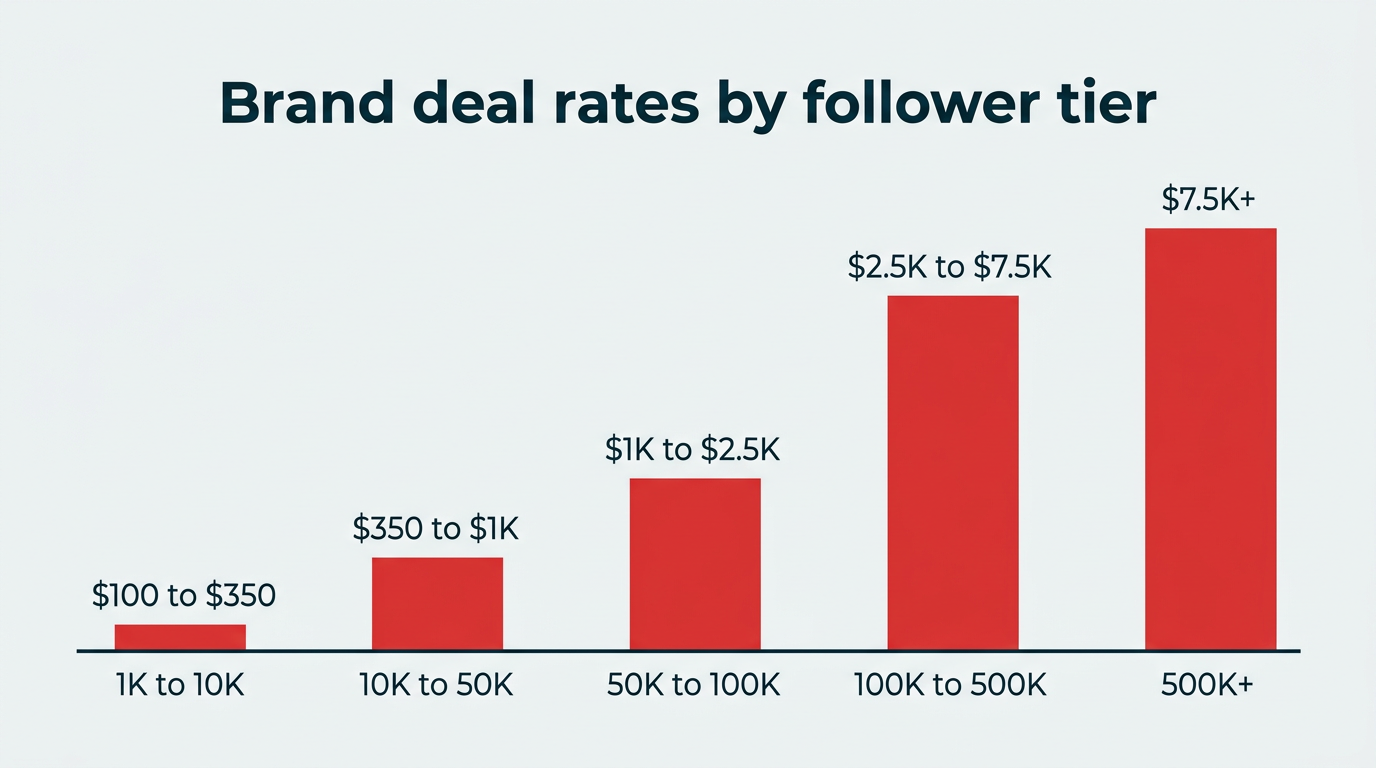
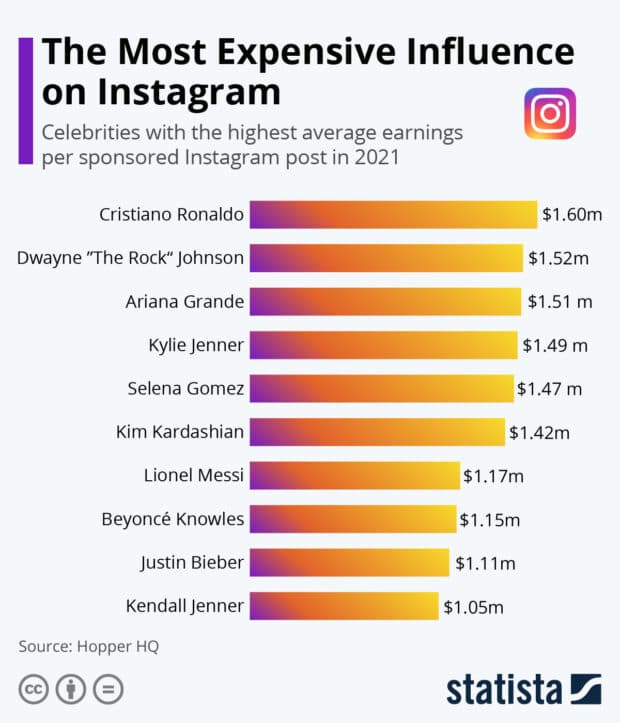
Determining appropriate compensation for brand deals is a critical skill for creators. While an older rule of thumb suggested $100 per 10,000 followers for an in-feed photo, this benchmark significantly undervalues most creators in 2026, especially given the complexity of formats like Reels, carousels, and multi-frame Stories. A more effective approach involves establishing base rates based on content type and follower tier, then adjusting upwards for factors such as engagement, usage rights, and exclusivity.
Typical Instagram brand deal ranges by content format and audience size in 2026:
| Follower Tier | In-feed Post | Reel | Story Set (3 frames) | Carousel |
|---|---|---|---|---|
| 1K to 10K | $75 to $250 | $100 to $350 | $50 to $150 | $100 to $300 |
| 10K to 50K | $250 to $750 | $350 to $1,000 | $150 to $450 | $300 to $900 |
| 50K to 100K | $750 to $1,500 | $1,000 to $2,500 | $450 to $900 | $900 to $1,800 |
| 100K to 500K | $1,500 to $5,000 | $2,500 to $7,500 | $900 to $3,000 | $1,800 to $6,000 |
| 500K+ | $5,000+ | $7,500+ | $3,000+ | $6,000+ |
Note: These ranges are indicative and can vary significantly based on niche, geographical location, audience demographics, and actual engagement rates.
A more precise method for pricing is based on engagement rate, which directly rewards creators whose audiences are highly active. Nano-influencers, for instance, often boast an average engagement rate of 6.23%, significantly higher than the 0.61% seen in macro-influencers, making their engagement highly valuable. A common formula for calculating the average price per Instagram post (CPE) is: Recent average engagements x $0.16. The multiplier typically ranges from $0.14 to $0.20, with engagements defined as the total number of likes, comments, shares, and saves. For example, if a creator’s recent posts averaged 3,005 engagements, their calculation would be 3,005 x $0.16 = $480.80 per post.
Negotiating usage rights and exclusivity is paramount. A creator’s base rate typically covers the organic posting of content on their channels for an agreed duration. Any additional usage, such as a brand reposting content on their own social channels, running paid ads featuring the content, or requiring exclusivity (preventing the creator from working with competitors for a period), should be itemized and charged separately. Failing to account for these additional rights is a common way creators undervalue their work. Typical add-ons include a percentage of the base fee (e.g., 20-50%) for 30-day usage rights on brand channels, a higher percentage for allowlisting, and specific fees for exclusivity clauses.
The Influencer Marketing Pay Gap
Despite the growth in overall spending, issues of inequality persist within influencer marketing. Data collected by initiatives like the @influencerpaygap account highlight a significant pay disparity based on race and bias, where Black, Indigenous, and creators of color often receive lower compensation for comparable campaigns. This systemic issue underscores the importance of pay transparency and creators actively researching industry benchmarks to ensure equitable compensation. Sharing rate information within creator communities and consulting public rate databases are crucial steps in combating underpricing and advocating for fairness across the industry.
Strategic Growth for Enhanced Monetization
While raw follower count isn’t the sole determinant of success, a larger, more engaged audience inevitably amplifies earning potential across all monetization methods, and certain features unlock only after reaching specific follower thresholds. Sustainable growth on Instagram in 2026 hinges on several key strategies:
- Consistent High-Quality Content: Regular posting of valuable, engaging content tailored to the audience’s interests is fundamental.
- Niche Specialization: Focusing on a specific niche attracts a dedicated audience and makes a creator more appealing to relevant brands.
- Leveraging Reels: Instagram continues to prioritize Reels, making them a crucial tool for reaching new audiences and driving organic growth.
- Community Engagement: Actively responding to comments, DMs, and fostering a sense of community increases loyalty and engagement.
- Cross-Promotion: Utilizing other social platforms or external channels to drive traffic to Instagram.
- Data-Driven Decisions: Analyzing Instagram Insights to understand what content performs best and optimizing strategy accordingly.
Instagram Monetization Policies and Disclosure Requirements
Maintaining compliance with Instagram’s monetization policies and regulatory disclosure requirements is critical for sustained earning potential. Violations can lead to account penalties, including the loss of eligibility for all monetization features.
- Partner Monetization Policies: These govern eligibility for native monetization tools like Subscriptions and Reels ads, emphasizing authenticity, original content, and community guideline adherence.
- Branded Content Policies: These dictate how creators must disclose paid partnerships, requiring the use of Instagram’s "Paid Partnership with" label.
- Community Guidelines: All content must adhere to Instagram’s basic rules against hate speech, nudity, violence, and other prohibited content.
- Content Originality: Content must be original or creators must have appropriate rights to use it.
- Legal Compliance: Creators must comply with all applicable laws and regulations, including advertising and consumer protection laws.
- FTC Disclosure Requirements: In the United States, the Federal Trade Commission (FTC) mandates clear and conspicuous disclosure of any material connection between a creator and a brand in sponsored content. This means using the "Paid Partnership" label, including disclosures like #ad or #sponsored prominently at the beginning of captions, and verbally stating the partnership in video content. Transparency is paramount to avoid misleading audiences.
Regularly checking ‘Account Status’ in the Professional Dashboard helps identify and rectify any issues before they impact payouts or eligibility.
The Future Outlook: Professionalization and Diversification
The Instagram monetization landscape in 2026 reflects a growing professionalization of content creation. Creators are no longer just hobbyists; they are entrepreneurs managing multiple revenue streams, negotiating complex contracts, and building personal brands. The platform’s continuous investment in native monetization tools indicates its commitment to empowering creators and retaining top talent. The blurring lines between content monetization and social commerce suggest a future where creators are central to the entire consumer journey, from discovery to purchase. For brands, this means a more fragmented but highly effective marketing ecosystem, where micro- and nano-influencers with niche expertise offer targeted reach and authentic engagement. The emphasis on audience loyalty through subscriptions and direct support mechanisms points towards a more creator-centric model, fostering sustainable careers for digital entrepreneurs. The ongoing challenge remains ensuring equitable pay and transparent practices across this dynamic and rapidly expanding industry.