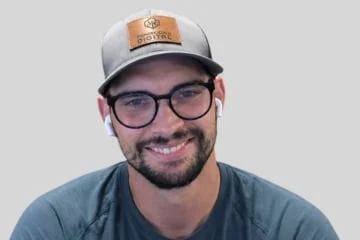
Seven years after its inception, the direct-to-consumer cosmetics brand BK Beauty, co-founded by Paul and Lisa Jauregui in Austin, Texas, is demonstrating remarkable resilience and strategic adaptation. Having initially achieved $1 million in its first year of operation, the company has since experienced significant growth, driven by an early adoption of emerging e-commerce platforms and a deep understanding of the creator economy. This article delves into BK Beauty’s recent strategic shifts, including its renewed commitment to TikTok Shop amidst potential regulatory challenges and its successful integration into the Ulta Beauty Marketplace, exploring the underlying factors and implications of these pivotal decisions.
A Journey Through the Creator Ecosystem and TikTok Shop’s Inflection Point
BK Beauty’s trajectory has been closely observed since its launch. In 2020, the brand celebrated surpassing $1 million in its inaugural year of sales, a testament to its strong market entry. Paul Jauregui, in subsequent discussions, highlighted the pivotal role of TikTok Shop in the brand’s expansion. In August 2023, BK Beauty was among the early adopters of TikTok Shop, a move that proved to be a significant inflection point.
"We’ve seen the full life cycle of the platform – the good, the bad, and the ugly," Paul Jauregui stated in a recent interview. He described the initial 18 months on TikTok Shop as its "golden age," characterized by high organic conversion rates that fueled rapid growth. However, the landscape began to shift. The increasing likelihood of a U.S. ban on TikTok in 2025, coupled with the platform’s transition to a "pay-to-play" model, prompted BK Beauty to re-evaluate its strategy.
"The first 18 months were TikTok Shop’s golden age. And in 2025, with the potential TikTok ban, we didn’t know if it would survive," Jauregui explained. "And at the same time, the platform became pay-to-play, unlike the golden age when organic conversions were through the roof. We then pulled back."
This strategic pause, however, led to a noticeable slowdown in conversions across other sales channels. Recognizing the continued importance of TikTok as a discovery engine, BK Beauty initiated a rebuild of its presence on the platform in 2026. "After that, however, conversions on our other channels slowed. So in 2026, we’re refocused on TikTok Shop. It’s a core discovery engine for our brand. In our experience, what happens there carries across all other channels. We’re rebuilding our TikTok Shop exposure now."
The Economics of "Pay-to-Play" on TikTok Shop
The shift to a "pay-to-play" environment on TikTok Shop, as described by Jauregui, necessitates significant investment in advertising products like GMV Max. This advertising solution is crucial for customer acquisition, but its associated fees can accumulate rapidly. The effectiveness of GMV Max is heavily reliant on robust content penetration, meaning a greater variety of creative assets generally leads to more efficient campaign performance.
Beyond direct ad spend, BK Beauty has had to factor in the costs associated with product sampling and creator retention. The brand, primarily known for its non-consumable makeup brushes and tools, has increased its monthly product sampling to creators from approximately 200 to around 1,000. This strategy allows creators to continuously feature and review products over extended periods.
A significant challenge in this renewed push on TikTok Shop is the saturation of top-tier creators who already possess BK Beauty’s products. The company is actively seeking ways to engage new creators and maintain momentum without repeatedly sending the same items to the same individuals. Furthermore, selling commissions on the platform represent another financial consideration in their operational costs. Despite these challenges, Jauregui reported positive early results from their five-month rebuild effort, acknowledging that the learning process is ongoing.
Strategic Creator Engagement and Tiered Classification
BK Beauty employs a creator classification system based on volume, a methodology aligned with TikTok’s own tiered structure. This approach acknowledges that creators vary significantly in their ability to drive Gross Merchandise Volume (GMV). TikTok categorizes creators into levels L1 through L7, with L3 representing a mid-tier creator generating an average of $25,000 in monthly GMV across all brands. The company identifies L3 creators and above as key individuals to engage and retain for sustained growth. This tiered approach allows for targeted outreach and resource allocation, ensuring that marketing efforts are focused on creators with the highest potential impact.
Diversification Through Ulta Beauty Marketplace and Nordstrom
Simultaneously, BK Beauty has strategically diversified its retail presence by launching on the Ulta Beauty Marketplace and Nordstrom Marketplace in December of the previous year. Jauregui emphasized the curated nature of these platforms, noting that participation requires an invitation from the retailer, underscoring the brand’s established reputation and appeal.
Historically, BK Beauty has faced "blackout periods" in brand awareness, particularly around major retail tentpole events like Ulta’s "21 Days of Beauty" and Nordstrom’s Anniversary Sale. During these periods, the immense promotional activity by the retailers themselves diverts consumer attention, making it difficult for brands not directly participating on those platforms to maintain visibility.
"We experienced a couple of blackout periods annually when people weren’t talking about us," Jauregui explained. "Those periods were largely around tentpole events, such as Ulta’s ‘21 Days of Beauty’ event, the company’s big annual sale. Another was the annual Nordstrom Anniversary Sale."
The decision to join the Ulta Beauty Marketplace was a direct response to this challenge. During March’s "21 Days of Beauty" event, BK Beauty secured a premium placement on Ulta’s homepage. This opportunity was leveraged through a compelling promotional offer: a 50% discount on a specific item for a single day. This strategic move successfully reignited creator interest and discussion around the brand. The promotion resulted in over 20,000 units sold within 24 hours, making it the top-selling SKU on Ulta.com for that day.
Channel Breakdown and Future Wholesale Considerations
The integration of Ulta Beauty into BK Beauty’s sales channels provides valuable insights into the brand’s overall revenue distribution. Currently, BK Beauty’s proprietary website, BKBeauty.com, accounts for approximately 50% of its revenue. TikTok Shop and Amazon each contribute around 20%, while the Ulta Beauty Marketplace represents about 10%.
Looking ahead, BK Beauty has contemplated venturing into the wholesale channel but approaches this prospect with caution. Jauregui acknowledged that wholesale requires a distinct set of operational capabilities compared to their established direct-to-consumer (DTC) model. Ulta Beauty would be their primary consideration if they were to pursue wholesale. The brand’s cautious stance stems from a deep-seated belief that no external entity understands BK Beauty’s brand, business operations, and customer base as intimately as the founders themselves. This sentiment highlights a strategic prioritization of brand control and customer relationship management.
The success of BK Beauty serves as a compelling case study in navigating the dynamic and often unpredictable landscape of e-commerce. By embracing emerging platforms like TikTok Shop early on, fostering strong creator relationships, and strategically diversifying into established retail marketplaces like Ulta Beauty, the company has demonstrated an agile and forward-thinking approach to brand building and revenue generation. Their ongoing efforts to adapt to evolving platform economics and consumer engagement strategies suggest a continued trajectory of growth and influence within the competitive beauty industry.
Supporting Data and Market Context
The global beauty market is projected to reach $800 billion by 2028, growing at a CAGR of 4.6%, according to Statista. This expansion is fueled by several factors, including the increasing influence of social media on purchasing decisions, the rise of direct-to-consumer brands, and a growing consumer demand for personalized and ethically sourced products.
TikTok’s e-commerce segment has seen explosive growth. In 2023, TikTok Shop reported over $20 billion in Gross Merchandise Volume globally, with projections indicating continued rapid expansion. The platform’s algorithm is particularly adept at facilitating product discovery, making it an attractive channel for brands seeking to reach younger demographics. However, the platform’s reliance on creator partnerships and its evolving monetization strategies present both opportunities and challenges.
Ulta Beauty, as the largest beauty retailer in the United States, operates a highly successful loyalty program with over 40 million members. Its "21 Days of Beauty" event is a significant retail phenomenon, generating substantial sales and consumer engagement. The introduction of the Ulta Beauty Marketplace allows the retailer to expand its product assortment beyond its traditional offerings and provides a curated environment for emerging and established brands to reach Ulta’s vast customer base.
The intersection of these trends – the growth of social commerce, the dominance of major beauty retailers, and the increasing sophistication of creator marketing – creates a complex but fertile ground for brands like BK Beauty. Their ability to effectively leverage multiple channels, adapt to platform-specific economic models, and maintain a strong brand identity is crucial for sustained success in this environment.
Paul Jauregui’s insights into the "pay-to-play" nature of TikTok Shop reflect a broader industry trend where organic reach is increasingly supplemented or replaced by paid advertising. This shift necessitates greater investment in content creation, audience targeting, and performance analytics. For brands like BK Beauty, whose products are often showcased and reviewed by influencers, this means carefully managing influencer collaborations and ensuring a consistent flow of high-quality creative assets.
The brand’s cautious approach to wholesale, while potentially limiting immediate scale, prioritizes brand integrity and direct customer relationships. In an era where brand perception is paramount, maintaining control over the customer experience and product narrative is a strategic advantage. This measured expansion into new retail environments suggests a long-term vision focused on sustainable growth and brand equity.