San Francisco, CA – July 7, 2026 – AWeber, a venerable leader in email marketing software, today announced a significant enhancement to its platform, fundamentally changing how marketers track the efficacy of their email campaigns. The company has rolled out an innovative feature that automatically embeds UTM (Urchin Tracking Module) parameters into every link within outgoing emails, directly linking sales and engagement metrics to specific subject lines in Google Analytics. This development, spearheaded by Product Manager Dave Stys, eliminates the cumbersome manual setup previously required for granular email performance analysis, offering a streamlined path to data-driven marketing decisions.
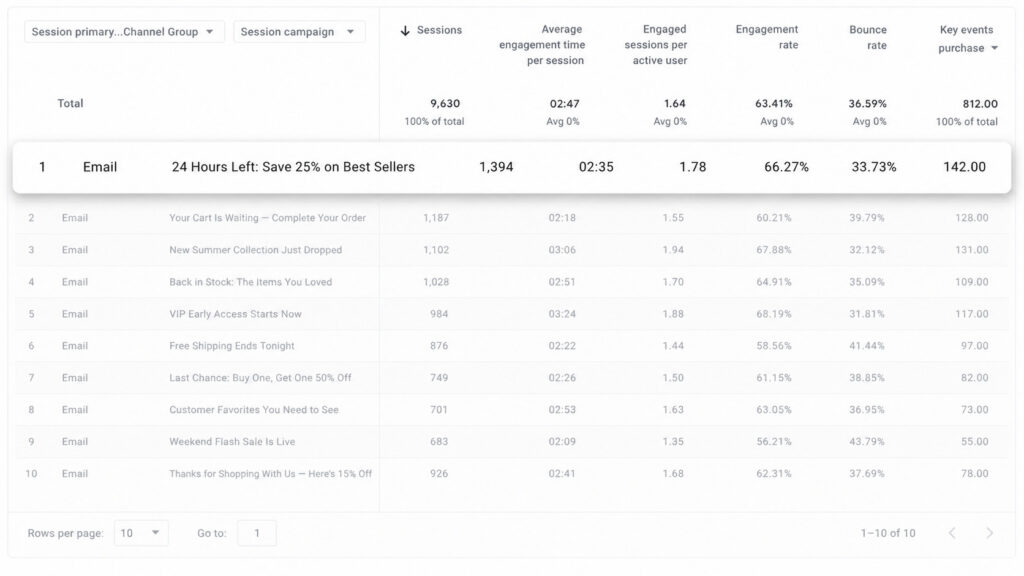
The new functionality, which became active for all AWeber accounts on July 7, 2026, promises to empower businesses of all sizes to gain unprecedented insights into their email marketing return on investment (ROI). At its core, the system automatically adds three crucial UTM parameters to every link before an email is dispatched: utm_source, utm_medium, and utm_campaign. Crucially, the utm_campaign parameter is dynamically populated with the exact subject line of the email, providing a clear, immediate identifier within Google Analytics. The utm_source is consistently set to ‘aweber’ and utm_medium to ’email’, creating a standardized and easily filterable data stream. This intelligent automation means that upon opening Google Analytics, marketers will find meticulously organized data awaiting their analysis, directly attributing website traffic, conversions, and sales to the precise messaging that initiated the customer journey.
The Evolution of Email Marketing Analytics and the UTM Imperative
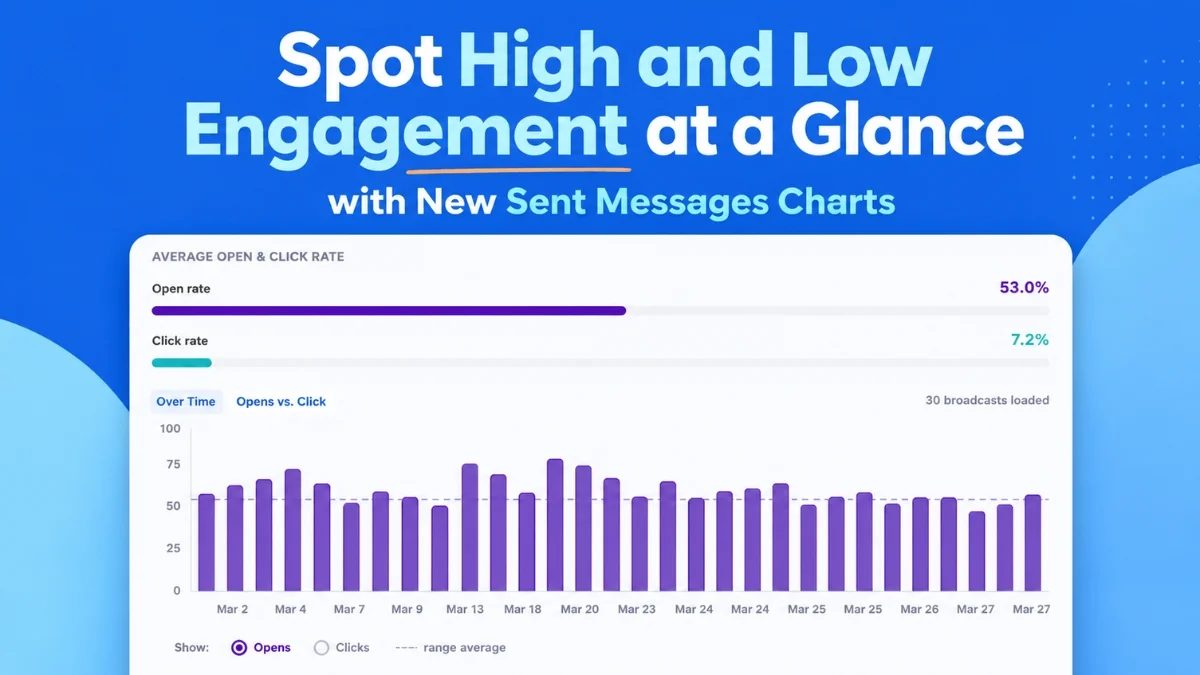
For decades, email marketing has remained a cornerstone of digital strategy, consistently delivering one of the highest ROIs among marketing channels. However, the true impact of individual email campaigns, particularly the specific messaging within those campaigns, has often been obscured by a lack of granular tracking. While overall email performance metrics like open rates and click-through rates (CTRs) provide a general overview, they rarely tell the full story of conversion and revenue generation. This is where UTM parameters become indispensable.
UTM parameters are short text codes added to URLs to help track the source, medium, and campaign of website traffic. Historically, marketers had to manually construct these parameters for each link in every email, a process prone to errors and significant time investment, especially for large or frequent senders. A single mistake in a parameter could render valuable data useless, leading to misinformed strategic decisions. This manual burden often deterred smaller businesses or those with limited resources from implementing comprehensive tracking, leaving them in the dark about which specific email messages, offers, or subject lines truly resonated with their audience and drove tangible business outcomes.
According to industry reports, the global email marketing market was valued at over $10 billion in 2023 and is projected to grow significantly, underscoring the channel’s continued importance. Simultaneously, the demand for sophisticated analytics tools has surged. A 2025 survey by the Digital Marketing Institute indicated that over 70% of marketers struggle with accurately attributing conversions to specific campaign elements, highlighting a critical gap that AWeber’s new feature aims to bridge. By automating UTM tagging, AWeber is not just simplifying a technical process; it’s democratizing advanced analytics, making sophisticated attribution accessible to its entire user base.
Seamless Integration and Intelligent Preservation of Custom Tracking
One of the most thoughtful aspects of AWeber’s new system is its intelligent handling of existing custom UTM parameters. The platform is designed to detect any UTM tags that a user may have already manually added to a link. In such cases, AWeber respects the user’s custom tracking and will not overwrite or duplicate those parameters. This ensures that marketers who have invested time in establishing their own specific tracking protocols can continue to do so without interference, while still benefiting from the automatic tagging for all other untagged links. This "yours stay put" philosophy offers flexibility, allowing advanced users to maintain their bespoke tracking while simplifying the process for others.
This intelligent preservation is crucial for agencies or larger organizations that might have complex, multi-channel attribution models in place, relying on consistent custom UTM structures across various platforms. The ability to integrate seamlessly without disrupting existing workflows is a testament to AWeber’s understanding of diverse marketing needs.
Unlocking Actionable Insights: From Clicks to Conversions
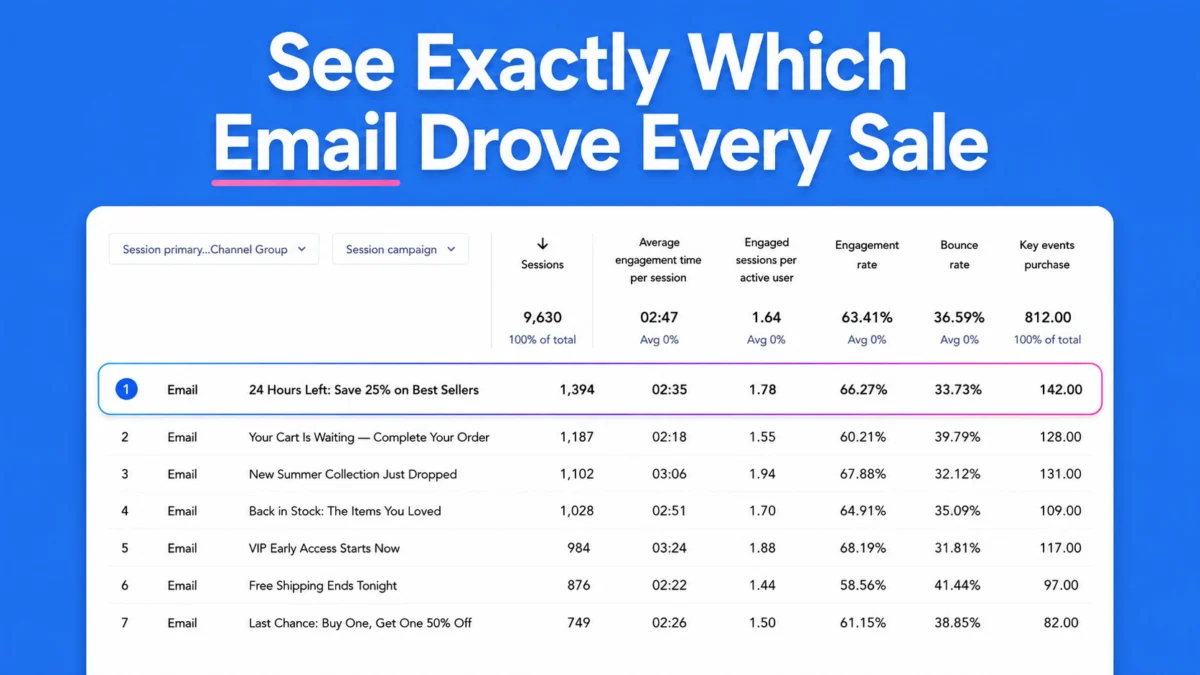
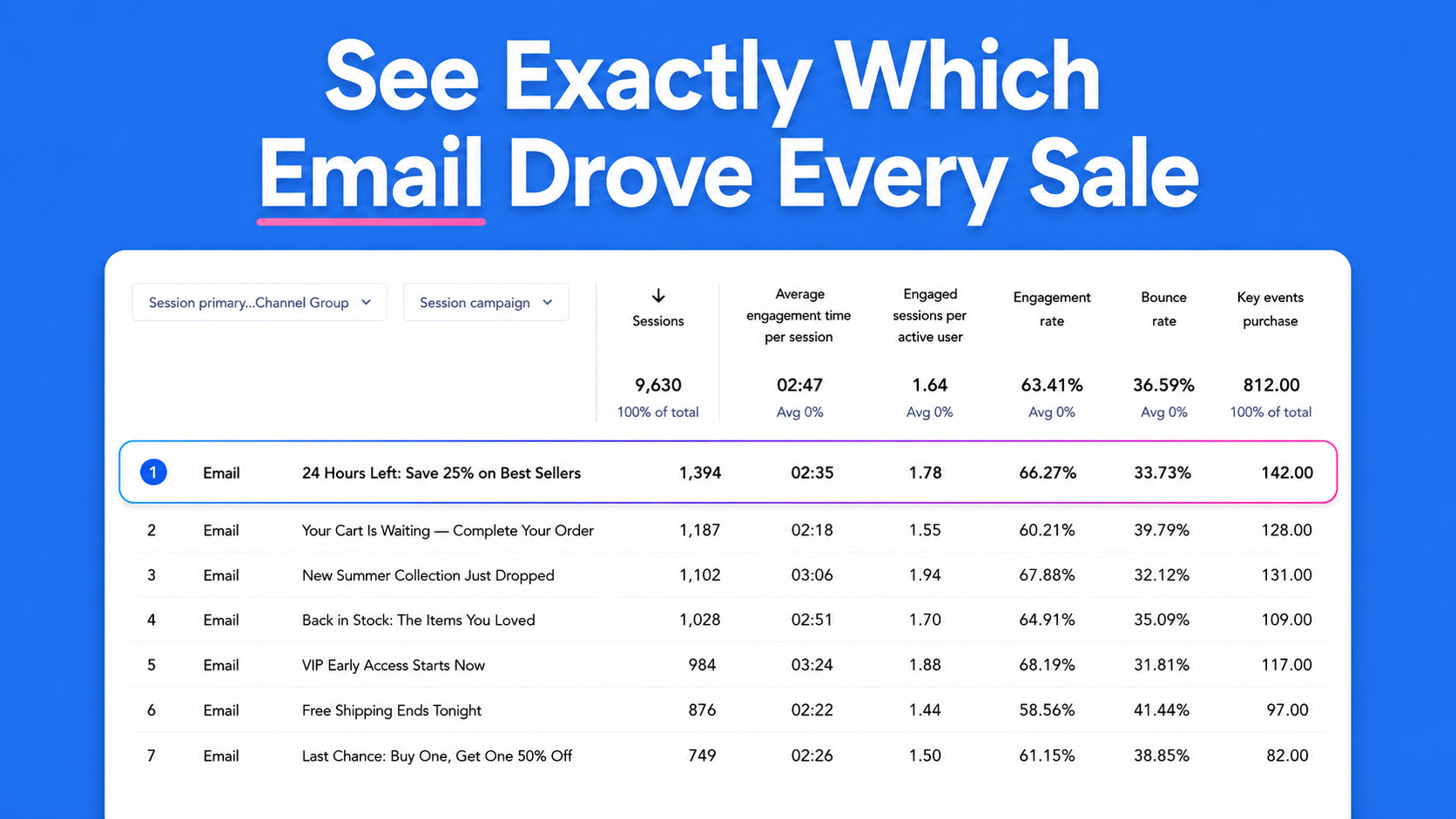
The true power of this automation becomes evident when viewing the data within Google Analytics. Marketers can navigate to the "Acquisition > Traffic acquisition" report, and then filter by source/medium, specifically looking for aweber / email. Here, each individual email sent through AWeber will appear as its own distinct campaign, labeled precisely by its subject line. This level of granularity allows marketers to:
- Identify High-Performing Subject Lines: Directly compare which subject lines drove the most traffic to their website, which led to the highest conversion rates (e.g., purchases, sign-ups, downloads), and which failed to engage. This insight is invaluable for refining future email copy and A/B testing strategies.
- Optimize Content and Offers: By understanding which emails generated sales, marketers can deduce which types of content, product offers, or calls-to-action resonate most effectively with their audience.
- Allocate Resources More Effectively: With clear data on campaign ROI, businesses can make informed decisions about where to invest their marketing budget, doubling down on strategies that prove successful and re-evaluating underperforming ones.
- Understand Customer Journey: The data provides a clearer picture of how email subscribers interact with a brand’s website after clicking a link, offering insights into user behavior and potential friction points in the conversion funnel.
For instance, a retailer could compare two promotional emails sent a week apart. Email A, with the subject line "Flash Sale: 50% Off All Summer Styles!", might drive significant traffic but a moderate conversion rate. Email B, with "Exclusive Offer Just For You: 20% Off Your Next Purchase", might drive less traffic but a higher conversion rate, indicating a more engaged audience for personalized offers. Without automatic UTM tagging, distinguishing between these nuanced outcomes based purely on email platform metrics would be challenging, if not impossible. With AWeber’s new feature, these insights are readily available, enabling precise strategic adjustments.
A Timeline of Innovation and Strategic Vision
The introduction of automatic UTM tagging by AWeber on July 7, 2026, marks a significant milestone in the company’s continuous efforts to provide cutting-edge tools to its users. While the exact development timeline is proprietary, such a feature typically involves extensive engineering, integration testing with major analytics platforms like Google Analytics, and user experience design to ensure seamless functionality. This launch follows a broader industry trend toward greater data transparency and ease of access for marketers.
Chronology of Key Developments in Email Marketing Analytics:
- Early 2000s: Basic email metrics (opens, clicks) become standard.
- Mid-2000s: Introduction of manual UTM parameters for basic traffic source tracking.
- Late 2000s – Early 2010s: Rise of sophisticated web analytics platforms (e.g., Google Analytics Universal Analytics) enabling deeper segmentation.
- Mid-2010s: Increased demand for marketing attribution models and cross-channel tracking.
- Late 2010s – Early 2020s: Growth of marketing automation platforms integrating email with CRM and sales data. Google Analytics 4 (GA4) emerges, emphasizing event-based tracking.
- 2026 (July 7): AWeber launches automatic UTM tagging, streamlining a critical component of email campaign attribution.
Speaking on the launch, Dave Stys, Product Manager at AWeber, stated, "Our mission has always been to empower entrepreneurs and small businesses with powerful yet easy-to-use email marketing tools. This automatic UTM tagging feature is a direct response to the evolving needs of our users. We heard repeatedly how manual tracking was a barrier to truly understanding campaign performance. By automating this critical step, we’re not just saving time; we’re providing the clarity needed for marketers to make smarter decisions, optimize their spending, and ultimately, drive more sales. This is about transforming raw data into actionable intelligence, without the technical headache."
Hypothetical feedback from early beta testers, like Sarah Chen, owner of a thriving e-commerce boutique, reflects the enthusiasm: "Before this, I spent hours manually tagging links or simply guessed which emails were truly converting. Now, I can see exactly which subject lines brought in sales, not just clicks. It’s a game-changer for my holiday campaigns and budget planning."
User Control and Accessibility
While this feature is enabled by default for all AWeber accounts, recognizing its widespread benefit, AWeber also provides users with the flexibility to manage it. Marketers can easily toggle the UTM tracking on or off for specific lists directly from their list settings. This control ensures that users have autonomy over their data collection preferences, catering to any unique requirements or integrations they might have.
To adjust the setting:
- Navigate to "List Settings" within the AWeber dashboard.
- Locate the "Tracking" section.
- Toggle the "Automatic UTM Tracking" option to "On" or "Off" as desired.
The change takes effect immediately for all subsequent email sends from that particular list. This user-friendly interface underscores AWeber’s commitment to intuitive design and empowering its diverse user base.
Broader Industry Impact and Future Implications
AWeber’s move to automate UTM tagging is indicative of a larger trend in the digital marketing industry: the increasing demand for automation, simplification, and deeper integration between marketing platforms and analytics tools. As data privacy regulations continue to evolve and cookie-based tracking faces limitations, first-party data collection and robust attribution become even more critical. Solutions like AWeber’s automatic UTM tagging ensure that marketers can continue to gather valuable insights directly from their owned channels.
This innovation is likely to set a new standard within the competitive email service provider (ESP) landscape. Other platforms may be compelled to develop similar features to remain competitive, ultimately benefiting marketers across the board. The ability to easily connect email engagement to website behavior and conversions is no longer a luxury but a necessity for strategic growth.
Furthermore, this development lays the groundwork for more sophisticated AI-driven insights. With consistently tagged data flowing into Google Analytics, AWeber or third-party analytics tools could leverage machine learning to identify patterns, predict optimal subject lines, or even suggest personalized content based on past performance. The consistent, structured data provided by automatic UTM tagging is the fuel for such advanced analytical capabilities.
In conclusion, AWeber’s introduction of automatic UTM tagging is more than just a new feature; it’s a strategic enhancement that fundamentally streamlines email marketing analytics. By removing technical barriers to granular data, AWeber is empowering marketers to move beyond simple engagement metrics and directly connect their email efforts to tangible business results. In an increasingly data-driven world, this innovation positions AWeber users at the forefront of intelligent campaign optimization, ensuring that every email sent contributes meaningfully to their overarching business objectives.