The digital landscape is currently experiencing a profound transformation, driven largely by the rapid advancement and widespread adoption of artificial intelligence (AI) in content generation. What was once a laborious process of drafting, refining, and publishing across diverse platforms—from blog posts and social media campaigns to video scripts and white papers—has become remarkably streamlined. AI tools now enable organizations to produce polished, grammatically correct, and contextually relevant content at an unprecedented scale, fulfilling the demand across virtually every imaginable format and channel. Yet, paradoxically, this explosion of easily generated material often leads to a critical dilemma: much of this content, despite its technical proficiency, is quickly forgotten, struggling to cut through the immense digital noise.
The Commoditization of Content and the Search for Authenticity
For years, the mantra in content marketing was "more is better." The objective was to fill content calendars, dominate search engine results with keyword-rich articles, and maintain a constant presence across social feeds. This volume-driven approach yielded measurable, albeit often superficial, results in terms of pageviews and impressions. However, as AI tools become increasingly sophisticated, the ability to produce "good enough" content has become commoditized. What once provided a competitive edge—speed, efficiency, and sheer output—has now become the baseline expectation. This shift renders the traditional advantage of high-volume production moot, compelling brands to seek new differentiators.
The critical distinction now lies not in the ability to produce content, but in the judgment to determine what content deserves to exist. This discernment, often referred to as "taste," is the new frontier in content strategy. It is the faculty to consistently identify what aligns with a brand’s authentic voice, resonates deeply with its target audience, and truly advances its strategic objectives, distinguishing it from the vast ocean of generic, non-strategic, and ultimately forgettable material.
The Rise of "Taste" as the Ultimate Differentiator
In an era where AI can effortlessly mimic human writing styles and generate coherent narratives, the real work shifts from creation to curation and critical evaluation. "Taste" in this context is not a vague aesthetic preference; it is a highly refined skill that encompasses the ability to consistently distinguish what fits a brand’s identity and mission from what does not. It involves a profound understanding of audience needs, market dynamics, and brand values, allowing content teams to make informed decisions about what content is genuinely worth an audience’s precious time and attention, rather than merely serving to populate a content calendar.
This strategic judgment involves more than just adhering to brand guidelines; it requires an intrinsic understanding of narrative impact, emotional resonance, and strategic alignment. A content team demonstrating strong taste can sift through a dozen viable ideas and pinpoint the three that will truly move the needle, or instinctively reframe a piece to ensure its message is genuine, impactful, and memorable. This is a cognitive process that resists commoditization, as it relies on human insight, empathy, and strategic foresight—qualities that AI, for all its power, cannot replicate entirely.
Beyond Quantity: The Perils of Content Overload
The temptation to pursue more content remains potent for many organizations. The belief persists that more blog posts, more thought leadership articles, and more social updates will inevitably lead to greater visibility and engagement. However, publishing content without discerning taste can be counterproductive, leading to diminishing returns and even brand dilution.
According to a 2022 report by Nielsen, consumers are exposed to an estimated 6,000 to 10,000 marketing messages daily. In such an oversaturated environment, content overload is a significant risk. Research, including insights from Accenture, indicates that a substantial percentage of "empowered consumers"—up to 74% in some studies—have abandoned purchase decisions simply because they felt overwhelmed by information. The same principle applies to content consumption: when readers are bombarded with excessive, undifferentiated content, they often disengage quietly. What audiences crave is clarity, relevance, and value. Providing these elements fosters trust and loyalty; failing to do so leads to apathy and eventual abandonment.
The insidious nature of content overload is often masked by lagging metrics. Initial pageviews and open rates might appear stable for months, creating a false sense of security while reader interest slowly erodes. By the time a decline manifests in the analytics, the problem has often compounded over an extended period, precisely because the fundamental question of whether the content was truly worth making was not consistently asked. This highlights a critical need for a shift from volume-based metrics to engagement- and impact-driven KPIs.
The Enduring Value of Editorial Judgment
The concept of "taste" is not new; it has long been the domain of experienced editors. Editors and creative directors have historically served as crucial gatekeepers, discerning what narratives are compelling, what information is essential, and what perspectives add genuine value. They possess an innate ability to identify redundancies, refine core messages, and ensure that every piece of content meets a high standard of quality and relevance.
In the current content landscape, this editorial acumen is more vital than ever. Senior editorial leaders don’t merely correct grammatical errors or enforce style guides; they are the strategic arbiters who decide whether a piece of content merits publication and dissemination to the world. They act as a critical bridge between overarching business strategy and creative execution, ensuring that every published item reinforces brand objectives and resonates with the intended audience.
From a business perspective, investing in robust editorial leadership and cultivating taste within content teams is a powerful risk management strategy. Every piece of mediocre or irrelevant content published incurs a cost—whether it’s diminished audience attention, reputational damage, or wasted internal resources. Leaders who proactively prevent substandard work from seeing the light of day safeguard the intangible, yet invaluable, assets of brand credibility and audience trust, which are exceedingly difficult to recover once lost.
Cultivating Taste: A Strategic Imperative for Brands
While "taste" may sound inherently subjective, its application in content strategy is remarkably concrete and actionable. It moves beyond mere "brand guidelines" that dictate tone of voice or visual aesthetics, addressing the more fundamental question: "What is actually worth making?"
Effective creative taste involves an unambiguous understanding of what aligns with a brand’s unique identity. Organizations that cultivate this sense of taste are so confident in their own voice that they are less swayed by competitor actions, instead focusing on generating distinctive content that stands out in a crowded marketplace. Furthermore, such brands recognize that not every piece of content needs to appeal to every audience segment. They embrace the strategic payoff of being opinionated when it serves their objectives, understanding that the safest, most generic content is often the least memorable.
Codifying taste within a team, without stifling creativity, requires a balanced approach:
- Show, Don’t Tell: Abstract principles are less effective than concrete examples. Brands should curate a "taste reference set"—a collection of their best work, meticulously annotated with explanations of why each piece succeeded. This provides tangible benchmarks for quality and strategic alignment.
- Establish Clear Principles: Guiding principles, such as "We explain, we don’t lecture," offer a framework for decision-making while allowing for creative interpretation. These principles point content teams in the right direction, granting them the freedom to experiment and adapt messaging while staying true to the brand’s core identity.
- Balance Shared Standards with Human Discretion: The most effective approach combines structured frameworks with individual judgment. The system provides the foundational guidelines, but the human element provides the critical discernment and creative spark. This blend ensures consistency without sacrificing innovation.
Measuring Impact: Shifting Metrics from Volume to Value
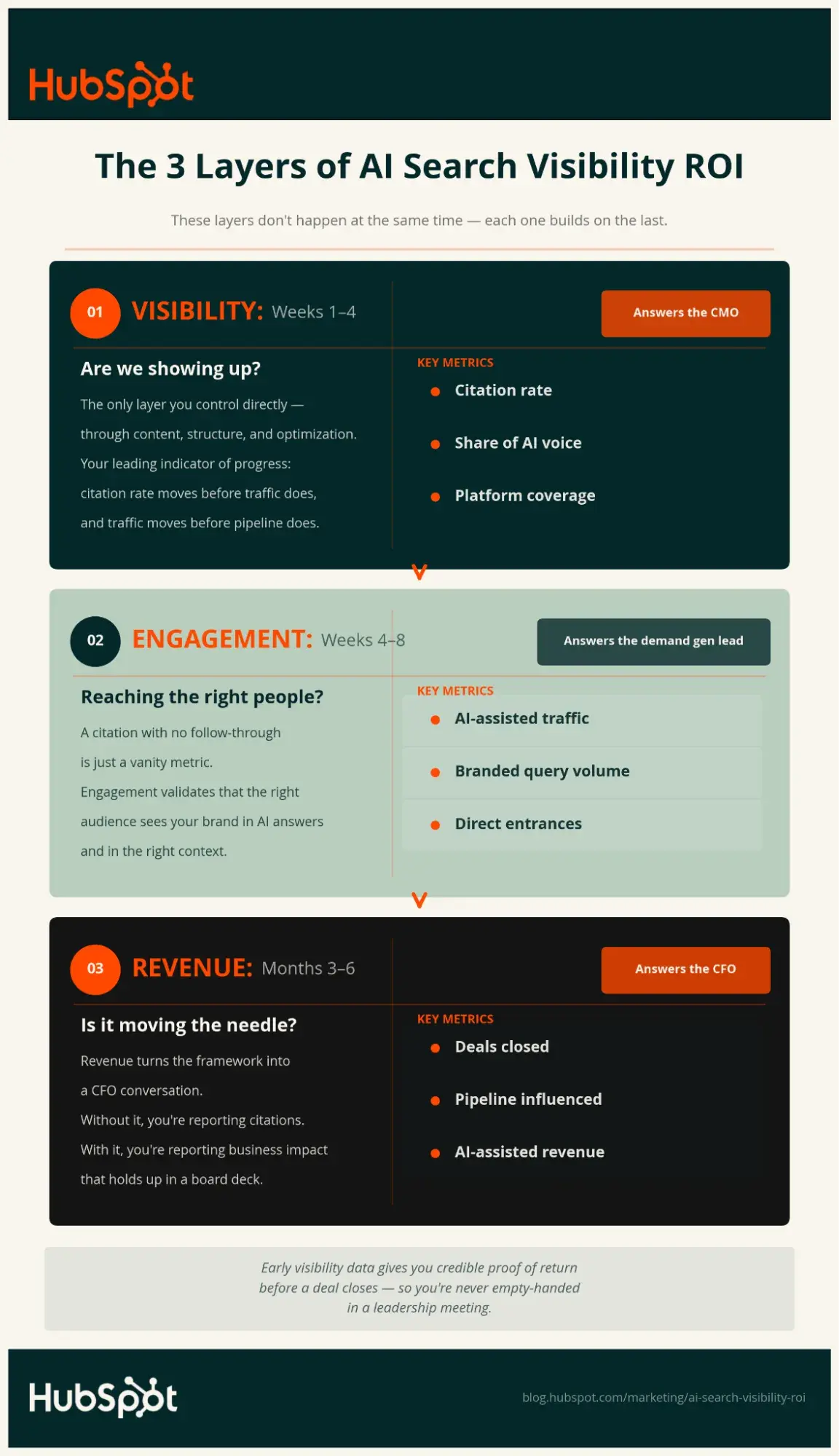
To effectively transition from a volume-centric to a judgment-driven content strategy, organizations must also redefine their success metrics. Traditional KPIs like pageviews, impressions, and follower counts, while still relevant for broad reach, must be complemented by deeper indicators of engagement, brand affinity, and conversion.
Key metrics for taste-driven content might include:
- Time on Page/Engagement Rate: Indicating genuine audience interest.
- Conversion Rates: Measuring how content influences desired actions (e.g., sign-ups, downloads, purchases).
- Brand Sentiment/Recall: Tracking how content shapes perception and memorability.
- Audience Loyalty/Retention: Assessing repeat visits and subscriptions.
- Earned Media Value: Quantifying the impact of high-quality content that is shared organically or cited by others.
Convincing leadership to embrace this shift often requires presenting a compelling data-driven argument. Demonstrating that a smaller volume of high-quality, strategically curated content generates disproportionately higher engagement, better conversions, and stronger brand resonance can underscore the financial and reputational benefits of prioritizing judgment over sheer output. Highlighting the risks of content overload—such as diluted brand messaging and team burnout—further strengthens the case for a more selective approach.
The Future Landscape: Human Oversight in an Automated World
The trajectory of content creation points towards increasing automation, making human oversight and judgment an ever more critical differentiator. As AI tools continue to evolve, their ability to generate diverse content will only improve, intensifying the need for expert filters. Senior editors and creative directors will not merely be quality controllers; they will be strategic architects, guiding the brand’s narrative through the digital noise. They will be the ones asking if planned output truly offers anything new, if it aligns with the brand’s strategic north star, and if it genuinely adds value to the audience’s experience.
Building this kind of sophisticated editorial capability is not an accidental outcome. It requires intentional investment in experienced leadership, the establishment of shared systems for quality assurance, and an unwavering commitment to prioritizing quality over quantity. Brands that cultivate this strategic asset will not only maintain coherence, credibility, and distinctiveness in an increasingly crowded digital space but will also ensure that their content remains relevant and impactful for years to come.
In essence, while technology democratizes content creation, human taste and judgment will ultimately determine its enduring value. The organizations that embrace editorial discernment as a core strategic pillar will be the ones whose stories resonate, whose messages cut through the clutter, and whose brands truly matter in the evolving future of content.
Frequently Asked Questions (FAQs):
How do I build "taste" into my team if we don’t have a senior editor?
Even without a dedicated senior editor, you can initiate taste guidelines. Begin by assembling a "taste reference set" of five to ten pieces of your team’s best work, documenting precisely why each succeeded. This collection serves as a tangible benchmark. Concurrently, define two or three clear, yet flexible, editorial principles that guide decision-making and foster creativity. Regularly update this reference set and refine the principles quarterly to ensure ongoing relevance and improvement.
How do I convince leadership that publishing less content is the right move?
Present a strategic shift rather than a reduction. Explain that excessive content can dilute brand messaging, overwhelm audiences, and ultimately erode trust. Emphasize that a high volume can also strain resources and lead to team burnout. Crucially, connect the concept of selective content to tangible business results. Analyze past performance data, highlighting how a small fraction of your content often drives the majority of engagement, conversions, or earned media. This data-driven approach demonstrates that strategic curation yields better outcomes than mere output.
How long does it take to see results after shifting from volume to judgment?
A realistic timeline is one full quarter. The first month should be dedicated to reviewing past content, establishing new standards, and defining the "taste reference set." In the second month, the team applies these new guidelines to ongoing projects and new content creation. By the third month, you should begin to observe initial results, such as improved engagement metrics, fewer content revisions, and clearer team priorities. This initial feedback will reinforce the value of the new approach and provide insights for further refinement. It is important to communicate and agree upon this timeline with leadership before commencing the transition.