India has officially ascended to become the world’s second-largest hub for A/B testing and experimentation software companies, trailing only the United States. According to data from Tracxn as of early 2026, the Indian SaaS ecosystem has transitioned from a backend service provider to a global leader in Conversion Rate Optimization (CRO) technology. This shift is driven by a unique confluence of high mobile-first traffic, a burgeoning Direct-to-Consumer (D2C) market, and a sophisticated engineering talent pool that has founded several of the world’s most prominent testing platforms.
For Indian D2C founders and SaaS product managers, the choice of an A/B testing tool is no longer restricted to expensive North American enterprise suites. A robust selection of homegrown tools—built specifically to handle Indian market nuances such as patchy network connectivity and GST-compliant billing—now competes directly with global giants. This guide provides a detailed analysis of the leading A/B testing platforms utilized by Indian teams, categorizing them by their technical architecture, pricing models, and specific utility for the Indian digital landscape.
The Strategic Importance of A/B Testing in the Indian Market
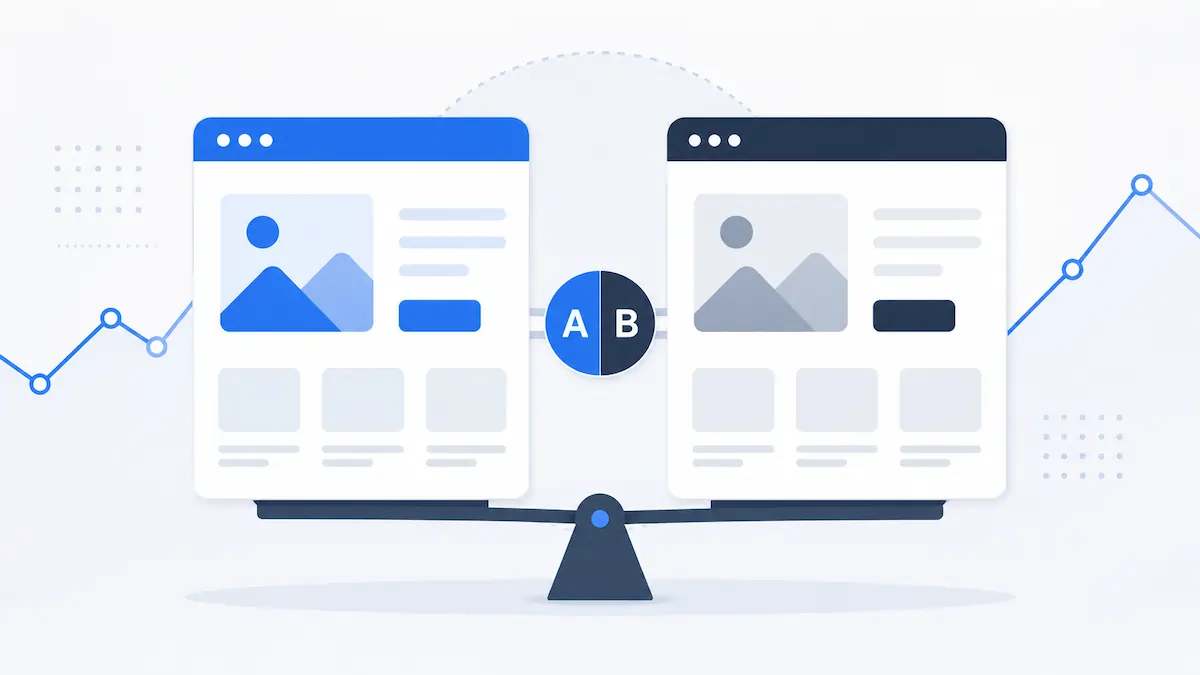
In the competitive Indian e-commerce landscape, where customer acquisition costs (CAC) continue to rise, A/B testing has moved from a "luxury" to a "survival" tool. A/B testing involves comparing two versions of a digital asset—such as a product page, a checkout flow, or a mobile app interface—to determine which version achieves a specific objective, such as increased "Add-to-Cart" actions or reduced churn.

The Indian market presents unique challenges. Most consumers access the internet via mobile devices on 4G or 5G connections that can be inconsistent. Consequently, any testing script that increases page load time or causes "flicker" (the momentary flash of the original content before the variation loads) can lead to immediate bounce rate spikes. Furthermore, with thin margins in the D2C sector, every rupee spent on paid social media traffic must be optimized.
Himanshu Gaur, a seasoned CRO expert at OptiPhoenix, notes that for Indian brands reaching the ₹50–300 Crore revenue mark, experimentation becomes a "multiplier." Gaur suggests that at this volume, traffic is sufficient to reach statistical significance quickly, allowing brands to drop their CAC and improve the bottom line without necessarily increasing their advertising spend.
A Chronology of Indian Innovation in Experimentation Software
The rise of India’s CRO dominance did not happen overnight. It is the result of nearly two decades of iterative growth:
- 2010: Wingify is founded in New Delhi by Paras Chopra. Its flagship product, VWO, becomes one of the first globally successful SaaS products out of India.
- 2015: Zarget is founded in Chennai, focusing on a consolidated suite of CRO tools.
- 2017: Freshworks acquires Zarget, integrating its testing capabilities into the FreshMarketer suite. In the same year, CustomFit.ai is founded in Bengaluru to address the needs of no-code personalization.
- 2018: Zoho Corporation enters the fray with the launch of Zoho PageSense, providing a deeply integrated solution for its massive existing user base.
- 2025-2026: A period of massive consolidation and institutional investment. Everstone Capital acquires a majority stake in Wingify (VWO) in early 2025. By January 2026, VWO merges with Paris-based AB Tasty, creating a global powerhouse headquartered in New Delhi.
In-Depth Analysis of Leading A/B Testing Tools
1. VWO (Wingify)
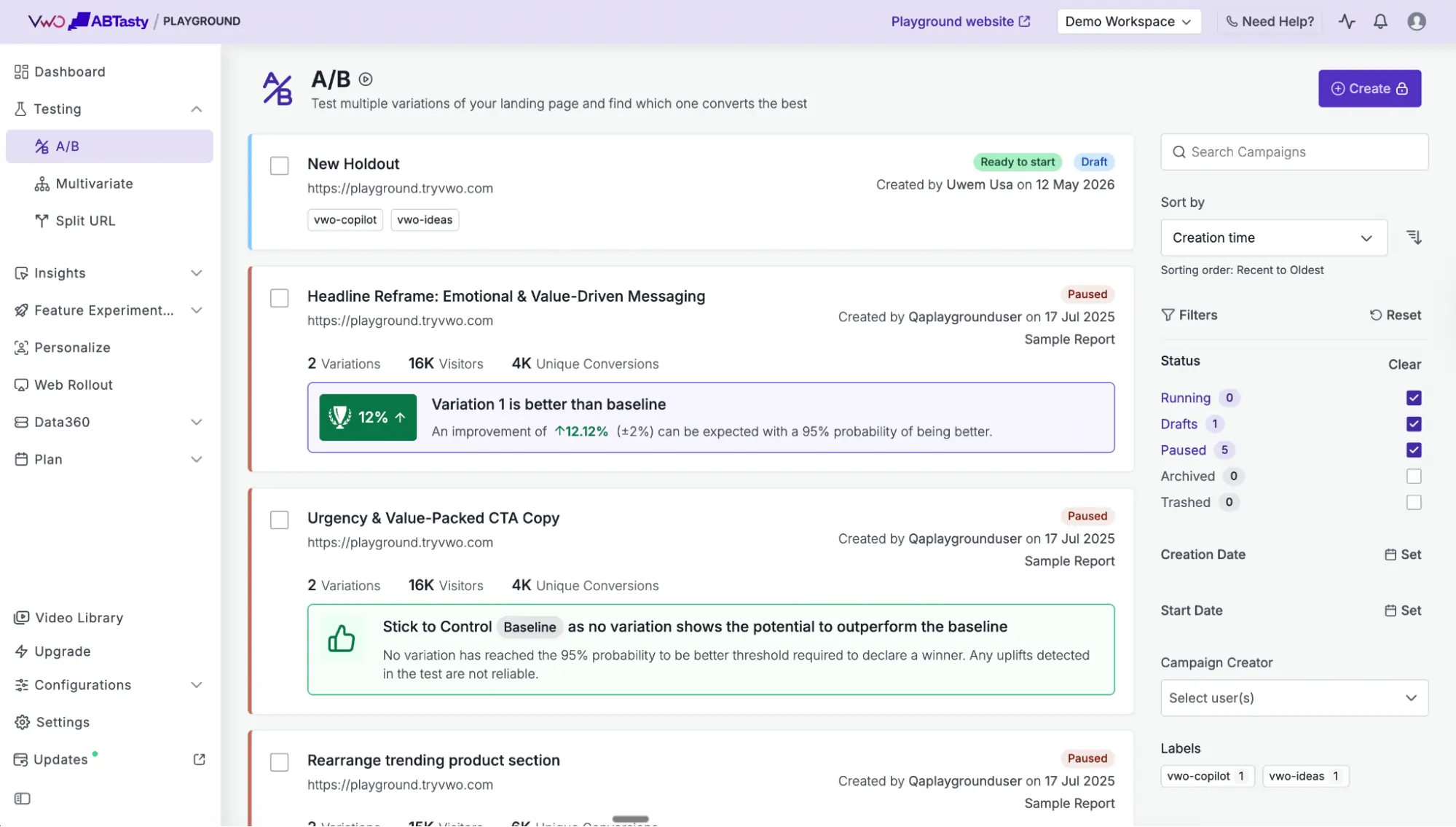
VWO remains the most recognizable name in the Indian experimentation space. Following its merger with AB Tasty in 2026, it has solidified its position as a full-stack platform. It offers client-side testing through a visual editor and server-side testing for deeper architectural changes.

- Market Position: Enterprise and Mid-market.
- Key Advantage: It is the only global leader that remains headquartered in New Delhi. Its leadership, including CEO Sparsh Gupta, maintains a deep connection to the local ecosystem.
- Technical Feature: VWO’s SmartStats feature uses Bayesian statistics to provide faster results, which is crucial for high-velocity Indian e-commerce brands.
2. Zoho PageSense
Part of the broader Zoho suite, PageSense is designed for small to mid-sized teams that require an all-in-one optimization tool. It combines A/B testing with heatmaps, funnel analysis, and session recordings.
- Market Position: SMBs and loyal Zoho users.
- Key Advantage: It offers seamless integration with Zoho CRM and Zoho Books. Critically, it allows for billing in Indian Rupees (INR) with full GST invoicing, a major administrative benefit for Indian businesses.
- Pricing: Starting from approximately ₹1,177/month for A/B testing modules.
3. CustomFit.ai
Bengaluru-based CustomFit.ai focuses on no-code website personalization and testing. It was designed to solve the "developer bottleneck" that many Indian D2C brands face.
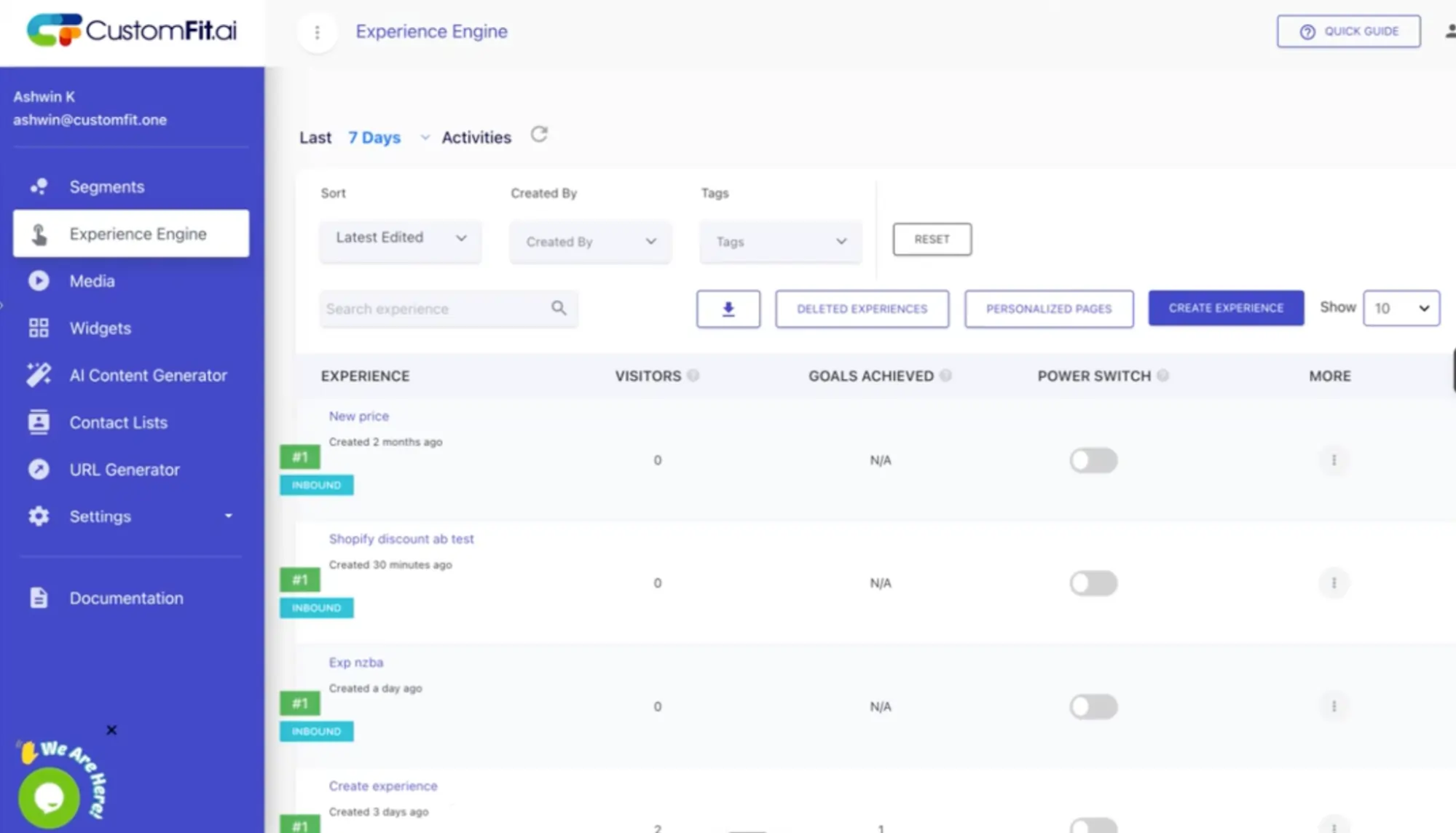
- Market Position: Shopify and WooCommerce-based D2C brands.
- Key Advantage: The platform is engineered for speed, ensuring that experiments do not impact Core Web Vitals. This is essential for maintaining SEO rankings in the Indian market.
- Pricing: Bills in USD (starting at $59/mo), which may be a consideration for firms strictly seeking INR billing.
4. FreshMarketer (Freshworks)
Born from the acquisition of Zarget, FreshMarketer is an integrated marketing automation and CRO tool. It is ideal for teams that want their testing data to live alongside their email and SMS marketing campaigns.
- Market Position: Marketing-led teams seeking consolidated toolsets.
- Key Advantage: It offers a "free-forever" tier for very small teams, making it an entry point for early-stage startups.
- Billing: Available in INR, facilitating easy CFO approval.
5. Convert Experiences
While headquartered in the United States, Convert Experiences has become a preferred choice for Indian CRO agencies and mid-market enterprises due to its flat-rate pricing and privacy-first approach.

- Market Position: Professional CRO agencies and privacy-conscious enterprises.
- Key Advantage: Convert does not charge per-module and filters out bot traffic before it consumes the tested-user quota. This prevents Indian brands with high "junk" traffic from overpaying.
- Pricing: Starting from $299/month (approx. ₹28,280), billing in USD but applying GST at checkout.
Enterprise Global Platforms in the Indian Context
While homegrown tools are dominant, global enterprise platforms still maintain a foothold, particularly among India’s largest conglomerates.
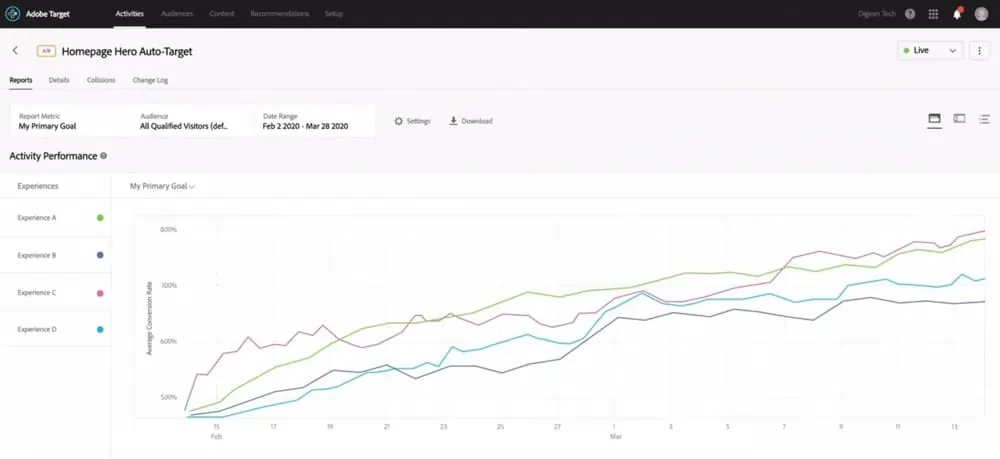
- Adobe Target: Extensively used by firms like Tata CLiQ. It is the gold standard for organizations already standardized on the Adobe Experience Cloud. It leverages AI-driven personalization through Adobe Sensei.
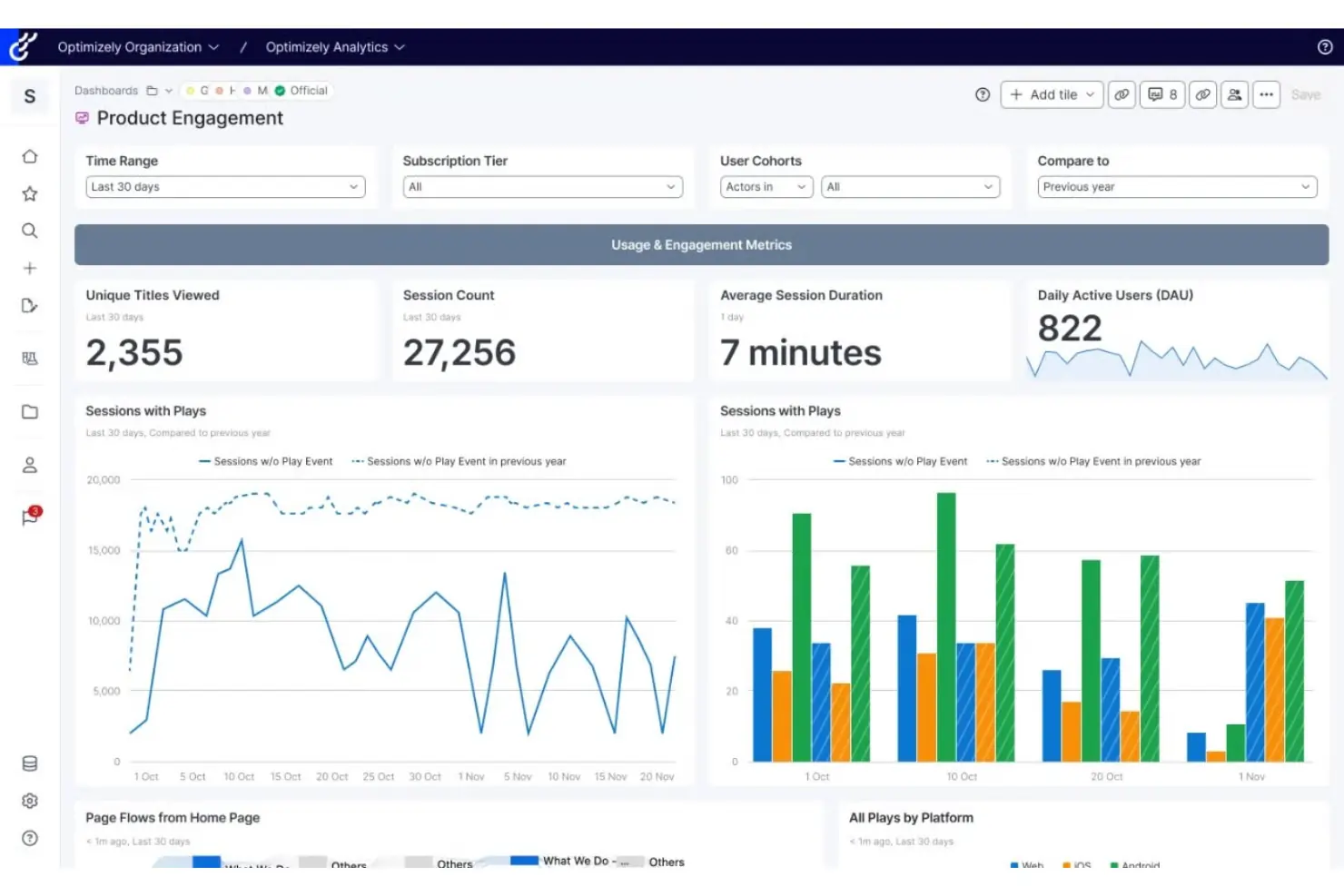
- Amplitude: A favorite for product-led growth (PLG) teams in the Indian SaaS and Media space, such as JioHotstar. Unlike marketing-focused tools, Amplitude focuses on in-app behavioral experiments.
- Optimizely: Known for serving large-scale enterprises with complex, multi-channel experimentation needs. It operates primarily through enterprise sales channels in India.
Economic Considerations: The INR vs. USD Debate
For an Indian business, the currency of billing is more than just a matter of exchange rates; it is a matter of financial predictability. The Indian market is characterized by extreme seasonality—events like Diwali, the Big Billion Days, and various end-of-season sales cause massive traffic spikes.

Platforms that bill in USD often use an "overage" model. If a brand’s marketing campaign is highly successful and drives more traffic than anticipated, they may be penalized with a massive, unbudgeted tech bill in a fluctuating currency. Predictable INR pricing, offered by tools like Zoho and Freshworks, removes this "success tax" and simplifies the procurement process with local GST invoicing.
Technical Performance and Mobile-First Optimization
The technical weight of an A/B testing script is a critical factor for Indian users. A script that adds 500ms to a page load time can decrease conversion rates by up to 7% on mobile devices.
- Anti-Flicker Technology: Top-tier tools like Convert and VWO use advanced CSS-based anti-flicker snippets to ensure users never see the "jump" between versions.
- Script Weight: Modern platforms have reduced their synchronous script weight to under 30kb, ensuring that even on patchy 4G connections in Tier-2 or Tier-3 cities, the page remains responsive.
- SPA Support: As more Indian SaaS companies move to Single Page Applications (SPAs) using React or Vue, the ability of a testing tool to handle "virtual page views" has become a non-negotiable requirement.
Strategic Execution: In-House vs. Agency
A recurring debate among Indian founders is whether to build an internal experimentation team or hire a specialized agency.
The In-House Route:
This is viable for brands that can "ring-fence" their resources. A successful in-house program requires a dedicated strategist, a designer, and a developer. The primary failure point for Indian brands is when experimentation engineers are pulled away to fix product bugs, causing tests to languish in the backlog.

The Agency Route:
Agencies like OptiPhoenix provide immediate velocity. They bring a "playbook" developed across multiple brands, allowing them to ship tests in days rather than months. For many mid-stage D2C brands in India, the agency model provides a better return on investment until the volume of testing justifies a 4-5 person internal team.
Future Implications: From Tool Adoption to Cultural Shift
The data from 2026 suggests that the Indian market is moving beyond the "tool adoption" phase and into a "culture of experimentation" phase. The proliferation of in-person roundtables and community events in cities like Jaipur, Bengaluru, and Chennai indicates a growing bench of Indian specialists.
This cultural shift is significant because it moves A/B testing from a one-off "hack" to a compounding asset. As Gaur explains, experimentation should be viewed as a "compound interest account, not a lottery ticket." Brands that run two tests and quit when revenue doesn’t double are missing the point; the real winners are those who use these tools to build a repository of customer insights over years.
In conclusion, India’s status as a global leader in CRO software provides local brands with an unprecedented advantage. With access to world-class tools built in their own backyard, Indian D2C and SaaS teams are better equipped than ever to optimize their digital experiences, lower their acquisition costs, and build sustainable, data-driven businesses in one of the world’s most dynamic markets.