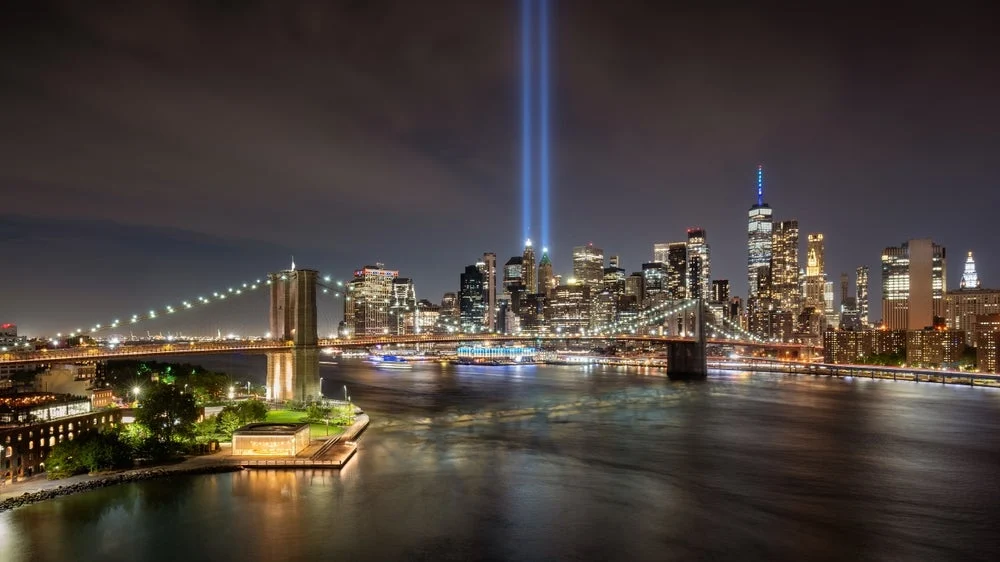
Twenty-five years ago, on September 11, 2001, the global landscape shifted in a matter of 102 minutes, the time between the first impact at the North Tower of the World Trade Center and the collapse of the second tower. For the public relations and communications industry, this day was not merely a historical catastrophe witnessed from afar; it was a fundamental turning point that redefined the profession. Communicators, tasked by trade to find clarity in chaos, found themselves on the front lines of an unprecedented information war, managing internal panic, navigating mass grief, and establishing the protocols for modern crisis management.
As the world marks a quarter-century since the attacks, the reflections of those within the PR community reveal a profession that was forced to mature overnight. From the hallways of major airlines to the offices of global humanitarian organizations, the events of 9/11 stripped away the veneer of corporate messaging, replacing it with a raw, human-centric approach to storytelling and disaster response that persists today.
The Morning of the Attacks: A Chronology of Crisis
The events of September 11 began as a routine Tuesday, but for communicators in New York and Washington, D.C., the timeline of the day became a blur of high-stakes decision-making. At 8:46 a.m., American Airlines Flight 11 struck the North Tower. Initially, many newsrooms and PR offices, including those in the nearby MetLife building and midtown Manhattan, operated under the assumption of a tragic accident involving a small aircraft.
However, when United Airlines Flight 175 struck the South Tower at 9:03 a.m., the reality of a coordinated attack became undeniable. Susana Leyva, then stationed in the United Airlines Crisis Center, recalls the chilling atmosphere as radar screens showed Flight 93 turning around—a harbinger of the fourth crash in Shanksville, Pennsylvania. For those in the aviation industry, the crisis was immediate and existential. The FAA’s subsequent decision to implement a "ground stop," halting all civilian air traffic, created a logistical and communications vacuum that required immediate filling.
By 9:37 a.m., when American Airlines Flight 77 struck the Pentagon, the theater of crisis had expanded to the nation’s capital. Professionals like Debra Silimeo, whose office was blocks from the White House, and Crystal Newcombe Nosal, then a young police officer in Arlington, faced the dual challenge of physical evacuation and professional duty. The collapse of the towers at 9:59 a.m. and 10:28 a.m. marked the end of the immediate attacks but the beginning of a multi-decade era of crisis communications.
Crisis Communications in Action: From the Red Cross to the Pentagon
In the immediate aftermath, the demand for accurate, compassionate information was insatiable. Neal Gorman, working in media relations for the American Red Cross, became a vital link between the grieving public and the relief efforts. His experience reflects the "firehose" of raw input that defines large-scale disasters: managing interviews for weeks, witnessing the "wall of teddy bears" at family assistance centers, and navigating the physical and emotional debris of Lower Manhattan.
The role of the communicator shifted from promotion to public service. At American University, Todd Sedmak worked to elevate voices like Akbar Ahmed, the chair of Islamic Studies, to provide cultural and political context to a stunned global audience. This highlighted a burgeoning need for PR professionals to act as educators, bridging the gap between foreign policy and public understanding.
For those at the site of the attacks, like Laura L’Esperance at Merrill Lynch in the World Financial Center, the crisis was one of physical survival. Trapped by the Hudson River and covered in debris, her eventual transition into veteran-serving nonprofit work underscores a common theme: 9/11 frequently redirected career trajectories toward mission-driven, high-impact communications.
The Evolution of Internal Communications and Employee Welfare
Perhaps the most significant shift occurred within the realm of internal communications. Before 2001, many organizations viewed employee messaging as a secondary concern to external branding. September 11 proved that during a national tragedy, an organization’s primary responsibility is the safety and emotional stability of its workforce.
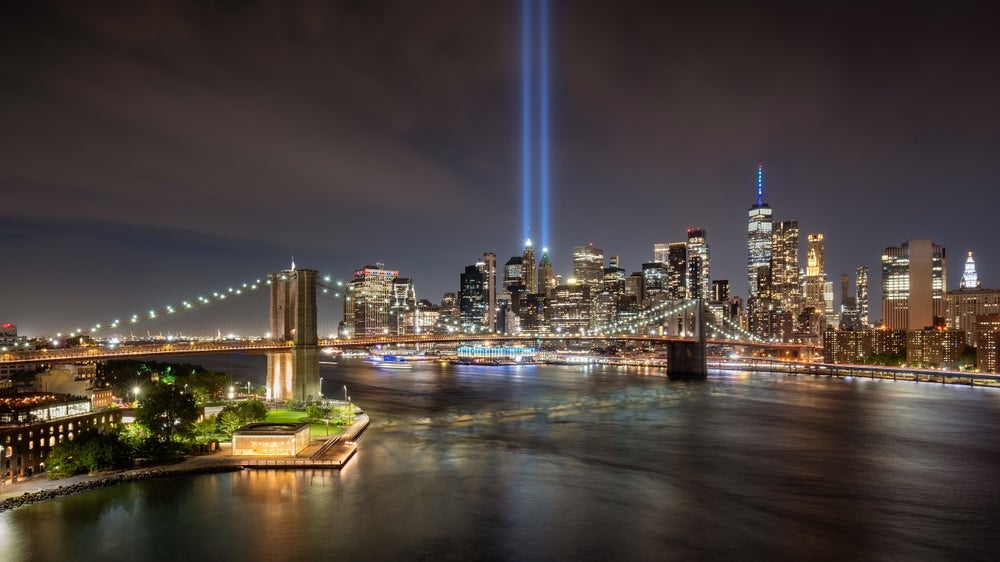
Joseph Caldwell, managing an employee newsletter for a national insurer in the Flatiron District, recalls the silence of Grand Central Station as he worked late into the night to ensure staff were accounted for and informed. Similarly, Meghan Holston, then an NYU student living blocks from the World Trade Center, experienced firsthand the failure of thoughtful internal comms when displaced students were expected to return to classes without books, computers, or psychological support. These gaps in empathy led to a new standard in the industry: the "people-first" approach.
The tragedy also hit the PR industry personally. The loss of Mark Bingham, a PR agency founder and passenger on Flight 93, remains a poignant reminder of the human cost. His former colleagues, such as Netta Conyers-Haynes, remember him not just as a strategist, but as a mentor whose humanity shaped their professional ethics. At Compuware, Kayla Siefker witnessed the devastating impact of losing two colleagues—a PR manager and a product director—on the hijacked planes, forcing the comms team to manage internal grief while maintaining external operations.
Industry Data and the Economic Shift
The attacks had a profound impact on the economics of the communications industry. In the months following 9/11, the travel and tourism PR sector saw a near-total standstill. However, this led to a strategic pivot. Sara Joseph Noyes, then at Weber Shandwick, notes that the industry began to emphasize the role of travel in fostering global understanding and combating the isolationism that terrorism seeks to create.
Data from the era shows a significant spike in the demand for specialized crisis management firms. According to industry analyses, the "Crisis Comms" sub-sector grew by an estimated 30% in the three years following the attacks as corporations realized they were unprepared for "black swan" events. Furthermore, the creation of the Department of Homeland Security in 2002 established a new federal framework for public information, necessitating a new class of public affairs officers skilled in inter-agency coordination.
Supporting Data: The Scale of the Event
- Victims: 2,977 people were killed in the attacks, representing more than 90 nationalities.
- Economic Impact: The estimated cost of the damage to the World Trade Center site and surrounding infrastructure was $60 billion. The total economic impact on New York City was estimated at $83 billion.
- First Responders: Over 400 first responders died on the day of the attacks, but thousands more have since been diagnosed with 9/11-related illnesses, a fact noted by professionals like Crystal Newcombe Nosal who continue to mourn colleagues lost to delayed health effects.
Lasting Lessons: Empathy, Accuracy, and the Power of Storytelling
The lessons learned in the smoke of Ground Zero have become the foundational pillars of modern PR. Jenny Beres of Pink Shark PR reflects on how the "Armageddon" narrative she heard on the radio as an 18-year-old taught her that the way a story is told is as important as the facts themselves. This realization—that communicators hold the power to either incite panic or provide reassurance—remains a guiding principle.
The "Tribute to Heroes" campaign, launched by Debra Silimeo and the U.S. Fire Administration, serves as a masterclass in seizing a "teachable moment." By leveraging the newfound national reverence for firefighters to promote smoke alarm safety, the campaign generated over $10 million in airplay and likely saved lives. It proved that PR, at its best, is a tool for public safety.
Broader Impact and Future Implications
Twenty-five years later, the communications landscape is unrecognizable compared to the pager-and-landline world of 2001. However, the core challenges remain the same. The rise of social media has accelerated the speed of information, making the "clear and calm" response advocated by Filomena Fanelli more difficult but more necessary than ever.
The legacy of 9/11 in PR is one of resilience and responsibility. It taught the industry that titles do not matter in a crisis—humanity does. It reinforced the importance of having a disaster preparedness plan that includes not just logistics, but "corporate positioning statements" that align with community standards, as noted by Kimberly Myers.
As the industry looks toward the next 25 years, the stories of those who were there—the interns watching hotel lobby TVs, the reporters covering "boring" local races who suddenly found themselves documenting history, and the executives who walked hours across bridges to get home—continue to inform the ethical and strategic backbone of public relations. The profession remains dedicated to the principle that even in the darkest moments, finding the right words is not just a job, but a vital public service.