SaaS businesses are experiencing a pivotal shift in their digital marketing strategies, with Search Engine Optimization (SEO) emerging as a cornerstone for sustainable growth. A recent analysis indicates that B2B SaaS companies achieve an impressive average Return on Investment (ROI) of 702% from their SEO efforts. This compelling figure underscores the channel’s potency in driving qualified leads and ultimately, revenue. However, despite this proven efficacy, a significant number of marketing teams continue to rely on SEO tool stacks designed for a bygone era of search, ill-equipped to navigate the complexities of today’s AI-driven landscape. The imperative to update and refine these toolsets has never been more urgent, as visibility in AI-generated answers now rivals, and in some cases surpasses, the importance of a traditional first-page ranking.
The Evolving Landscape of Digital Visibility
The digital ecosystem is in constant flux, with search engines continually refining their algorithms and introducing new functionalities. For SaaS companies, whose business models often hinge on recurring revenue and efficient customer acquisition, adapting to these changes is not merely an option but a strategic necessity.

-
From Keywords to AI Overviews: A Chronological Shift
For decades, SEO was largely a game of keywords, backlinks, and on-page optimization, aiming to secure prominent positions in the "ten blue links" of Google’s search results. Tools developed during this period focused heavily on keyword volume, competitive keyword analysis, and traditional technical audits. However, the advent of sophisticated Artificial Intelligence (AI) and Large Language Models (LLMs) has ushered in a new epoch: the era of Answer Engine Optimization (AEO). Platforms like ChatGPT, Google’s Gemini, Perplexity AI, and increasingly, AI Overviews integrated directly into search results, are transforming how users discover information and solutions. These AI systems often synthesize information from multiple sources to provide direct answers, reducing the need for users to click through to individual websites. For SaaS brands, this means optimizing content not just for traditional search engine crawlers but also for AI models that prioritize clarity, conciseness, and structured data for accurate citation. This shift necessitates a new breed of SEO tools capable of assessing and enhancing content’s "AI readability" and citation potential. -
Why SEO is Indispensable for SaaS Growth
In the highly competitive SaaS market, where customer acquisition costs (CAC) can be substantial, organic search stands out as one of the few channels that offer compounding returns. Unlike paid advertising, which ceases to deliver results the moment spending stops, organic traffic builds over time, providing a sustained flow of qualified leads. This long-term asset accumulation is particularly valuable for SaaS businesses aiming for scalable growth and reduced reliance on costly paid channels. A well-executed SEO strategy ensures that a company’s product, solutions, and educational content are discoverable by potential customers at every stage of their buyer journey, from initial awareness to final decision-making.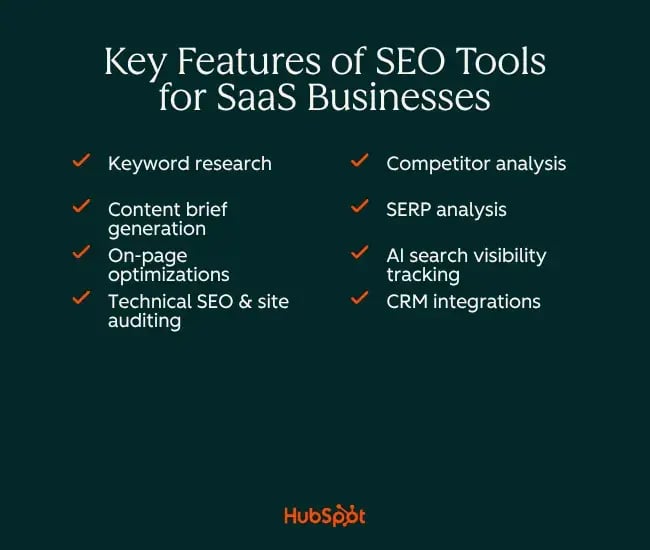
-
The 702% ROI Advantage: A Closer Look
The reported 702% ROI from SEO for B2B SaaS businesses is a testament to the channel’s efficiency. This high return is driven by several factors:- High-Intent Traffic: Organic search often captures users with specific needs and active intent, leading to higher conversion rates compared to other channels.
- Brand Authority and Trust: Ranking highly in search results builds credibility and positions a SaaS brand as an authoritative voice in its industry.
- Cost-Effectiveness Over Time: While initial investment is required, the long-term cost per acquisition through organic channels typically decreases, making it highly efficient.
- Market Reach: SEO allows SaaS companies to reach a global audience without geographical advertising constraints.
- Data-Driven Optimization: Modern SEO tools provide granular data, enabling continuous refinement and maximizing the impact of every piece of content.
Key Pillars of a Modern SaaS SEO Strategy
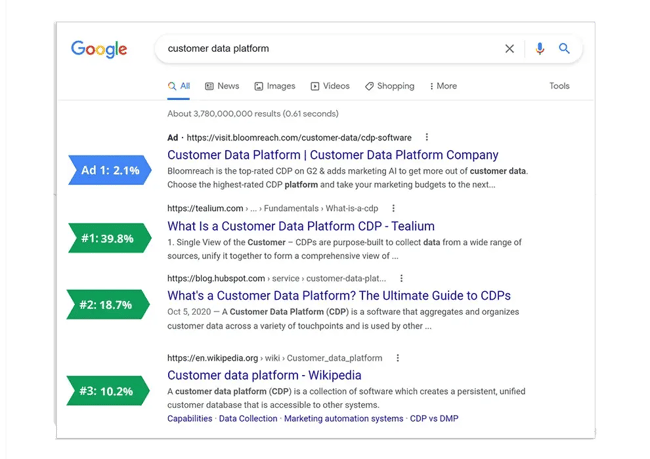
To fully capitalize on SEO’s potential in the AI era, SaaS teams must focus on a multi-faceted approach, supported by a robust and integrated tech stack. The tools that powered growth even two or three years ago might no longer be sufficient.
-
Precision in Research and Competitive Intelligence
For SaaS companies, keyword research transcends merely identifying high-volume terms. It’s about discerning user intent across the entire buyer journey—from problem identification (awareness) to solution comparison (consideration) and vendor selection (decision). The best tools reveal not only what people are searching for but why, providing insights into competitor strategies and uncovering untapped market niches. This requires tools that offer sophisticated intent mapping, competitive keyword analysis, and an understanding of how queries translate into customer needs. As noted by an industry expert, successful SaaS SEO teams often prioritize high-intent, specific queries over generic high-volume ones, leading to more qualified traffic. Google Search Console (GSC) remains a critical first-party resource for this, offering direct insights into a site’s performance in Google search.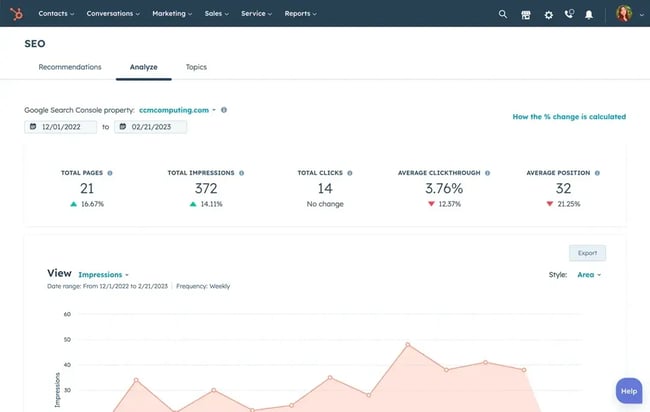
-
Fortifying the Foundation: Technical SEO Auditing
Technical SEO forms the bedrock of any successful online presence. A website plagued by crawl errors, slow page speeds, broken internal links, duplicate content, or indexation issues will struggle to rank, regardless of content quality. SaaS sites, with their frequent updates, expanding product lines, and often complex subdomains, are particularly susceptible to technical debt. Development cycles, focused on new features, often deprioritize SEO hygiene. Therefore, a strong SEO platform must offer automated site crawling, intelligent issue prioritization, and actionable guidance for remediation. As one practitioner emphasized, neglecting technical audits can leave significant ranking potential on the table; establishing a clean technical foundation is paramount before scaling content. -
Crafting Content for Dual Audiences: Humans and AI
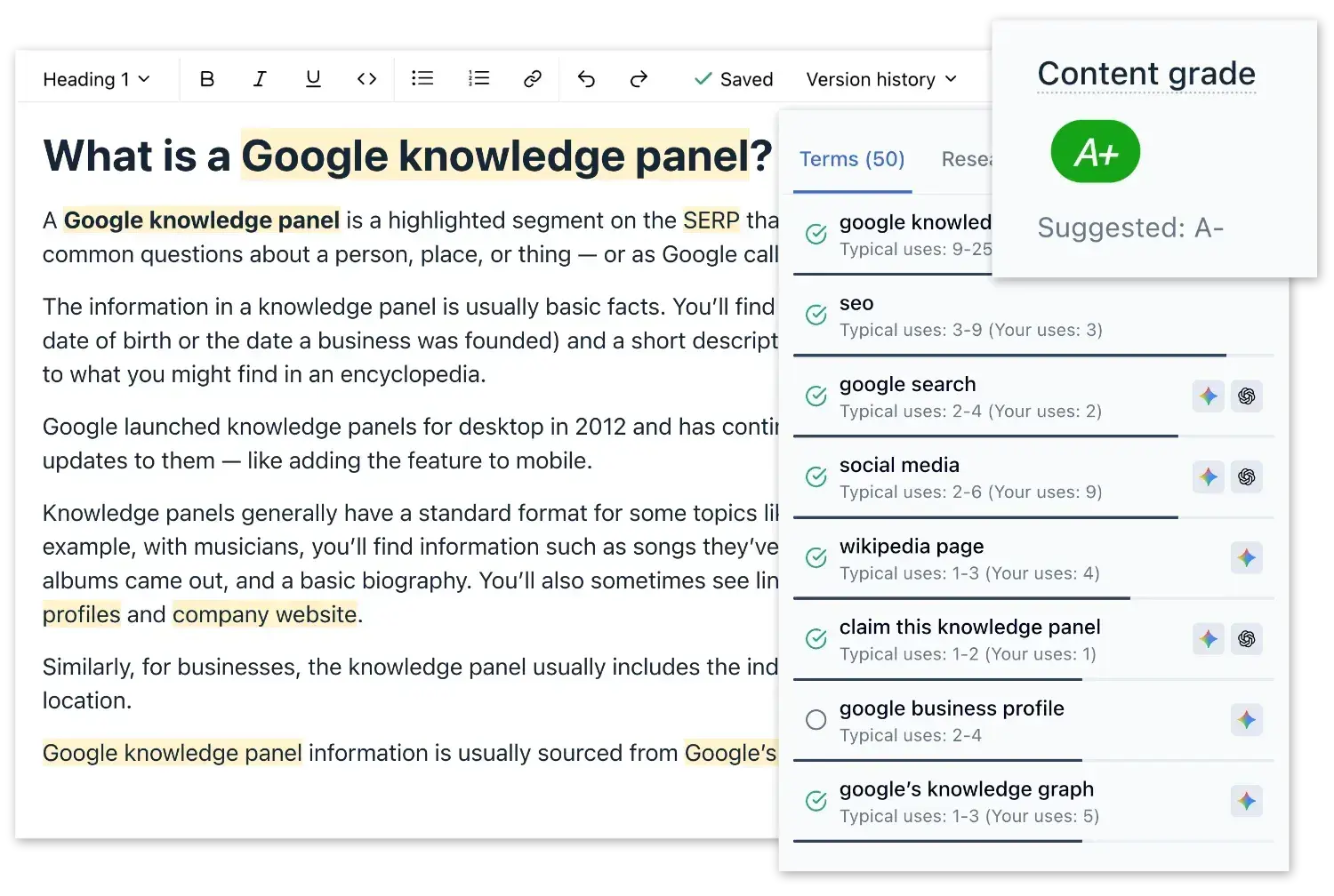
Content optimization tools are no longer a luxury but a necessity. They analyze existing content against top-ranking competitors, providing specific recommendations for improving relevance, topical coverage, and structural organization. For SaaS teams managing a growing volume of content—often involving multiple writers, freelancers, and AI-assisted workflows—these tools ensure a consistent quality benchmark. Features like real-time scoring, semantic term suggestions, readability assessments, and automated brief generation streamline the content creation process, ensuring that every draft is optimized for both human readers and search engine algorithms, including AI models. The ability to generate data-backed briefs rapidly significantly reduces editing costs and accelerates content velocity.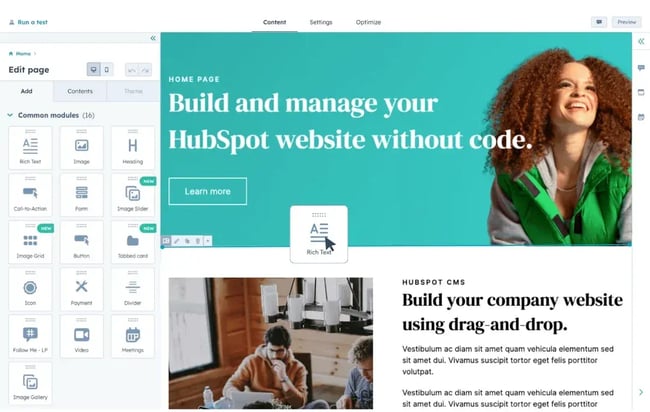
-
Measuring Impact: Attribution and CRM Integration
In the business world, SEO budget allocation is contingent on demonstrating tangible revenue impact. For SaaS companies, this means establishing a clear line of sight from organic traffic to pipeline generation, trial sign-ups, and closed deals. Tools offering customizable dashboards, historical keyword tracking, integration with Google Analytics and Google Search Console, and crucially, native CRM connectivity, are invaluable. This integration allows marketing teams to accurately attribute leads and customers to specific content pieces or SEO initiatives. As one SEO specialist highlighted, the ability to present SEO performance in business terms—not just rankings and impressions—is what differentiates a strategic SEO program from a perceived cost center, a challenge amplified by AI Overviews potentially reducing direct website clicks.
Spotlight on 13 Essential SaaS SEO Tools
The modern SaaS SEO tech stack is a blend of integrated platforms and specialized tools, each serving a distinct purpose in the content lifecycle. Here’s a look at 13 leading tools, categorized by their primary function, along with expert insights.
Driving Content Creation and Optimization
- HubSpot Marketing Hub: An all-in-one platform ideal for SaaS teams seeking to unify SEO management, reporting, and CRM attribution. Its built-in SEO tools offer recommendations across the entire content lifecycle, from topic planning to performance analysis, even for pages hosted outside HubSpot. The unique value lies in its native CRM integration, solving a common pain point of attributing organic efforts directly to revenue. Furthermore, its structured data recommendations and schema guidance are vital for AEO, ensuring content is parsable and citable by AI systems. Pricing: Free edition; paid tiers from $10/month.
- HubSpot Content Hub: This platform supports SaaS SEO by embedding SEO guidance directly within the Content Management System (CMS), facilitating content creation, management, and optimization in a single environment. Its AI content writer assists drafting, while topic cluster frameworks provide clear direction. Critically, Content Hub’s robust support for structured data and schema markup (JSON-LD) allows teams to make content schema-ready from the outset, a key factor for AI systems in accurately parsing and citing information. Pricing: Free edition; paid tiers from $10/month.
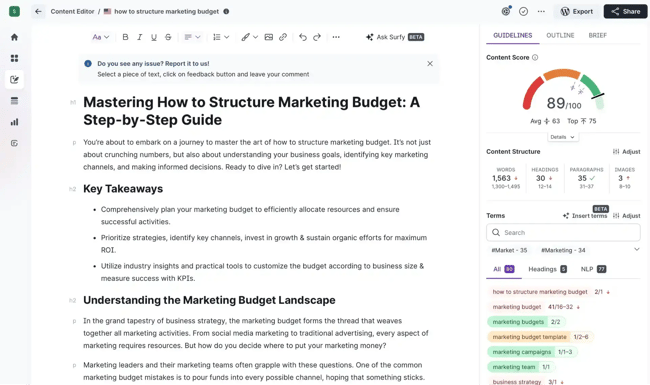
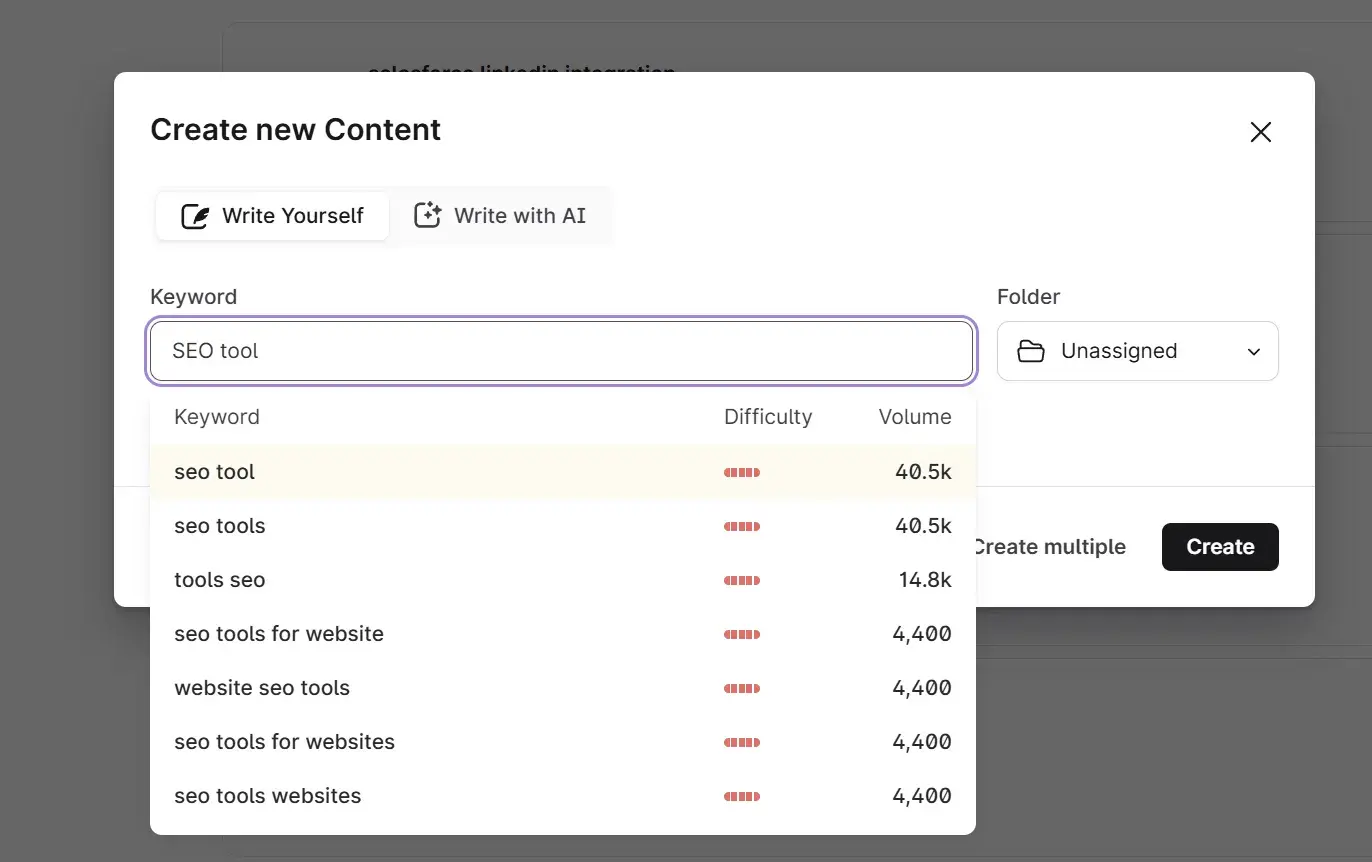
- Surfer SEO: A popular choice for data-driven content planning and optimization. Surfer analyzes top-ranking pages to generate a content score and term-based recommendations, reducing guesswork in the editorial process. Its features include a Content Editor for real-time guidance and a Content Planner for clustering related topics. Manea Stefania, Account & Content Manager at dslx, praises Surfer for aligning content teams on SEO without micromanaging, highlighting its utility in identifying search intent and auto-generating outlines for scaling content output. Pricing: Starts at $99/month (billed yearly).
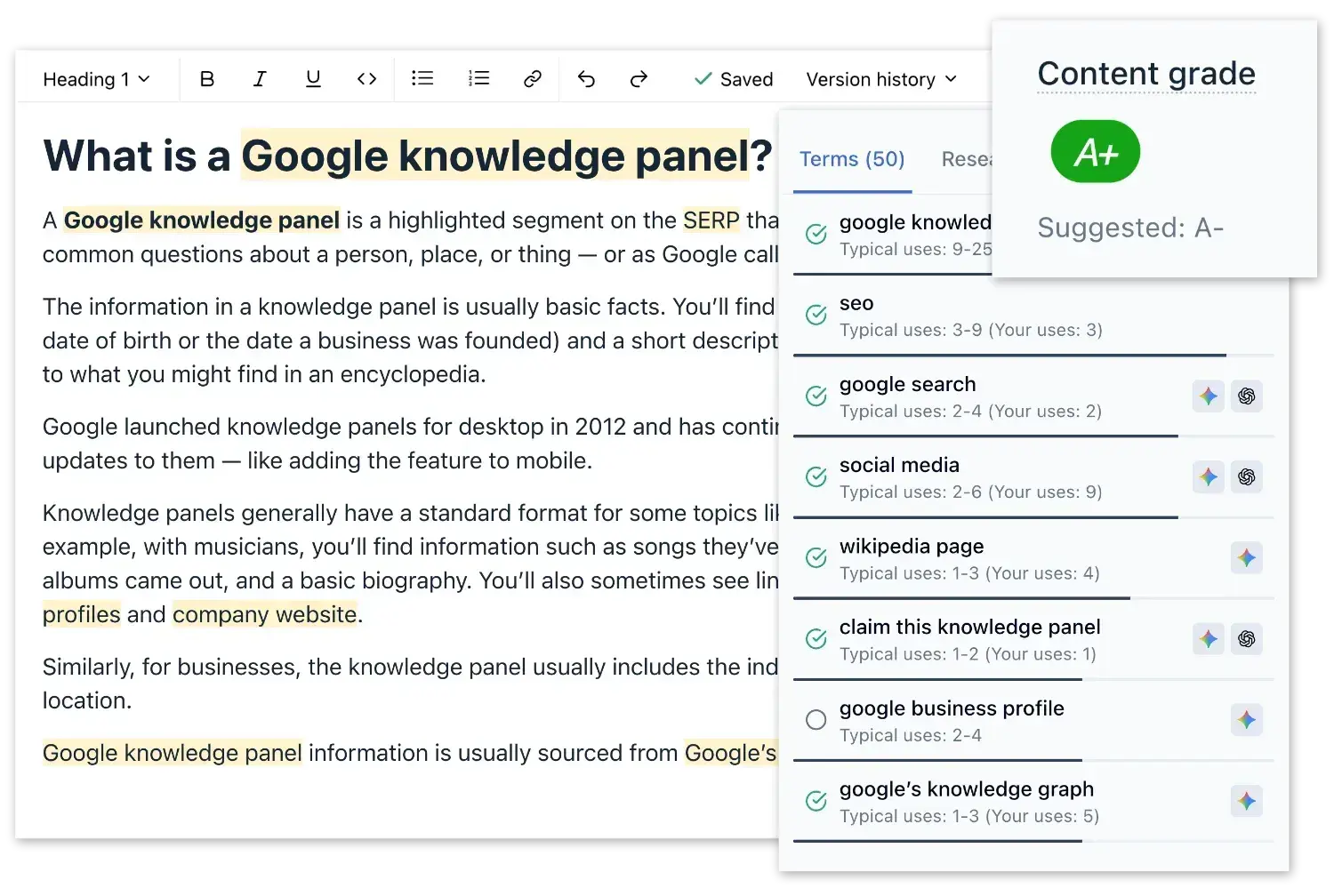
- Clearscope: Focused on content optimization and term coverage checks, Clearscope helps SaaS teams ensure their pages comprehensively address all relevant terms and topics for a given keyword. It provides an intuitive interface for content grading and offers integrations with popular writing environments. Its long-standing presence in the SEO space suggests a deep understanding of search engine interpretation, which is increasingly relevant for AEO performance. Pricing: Starts at $129/month.
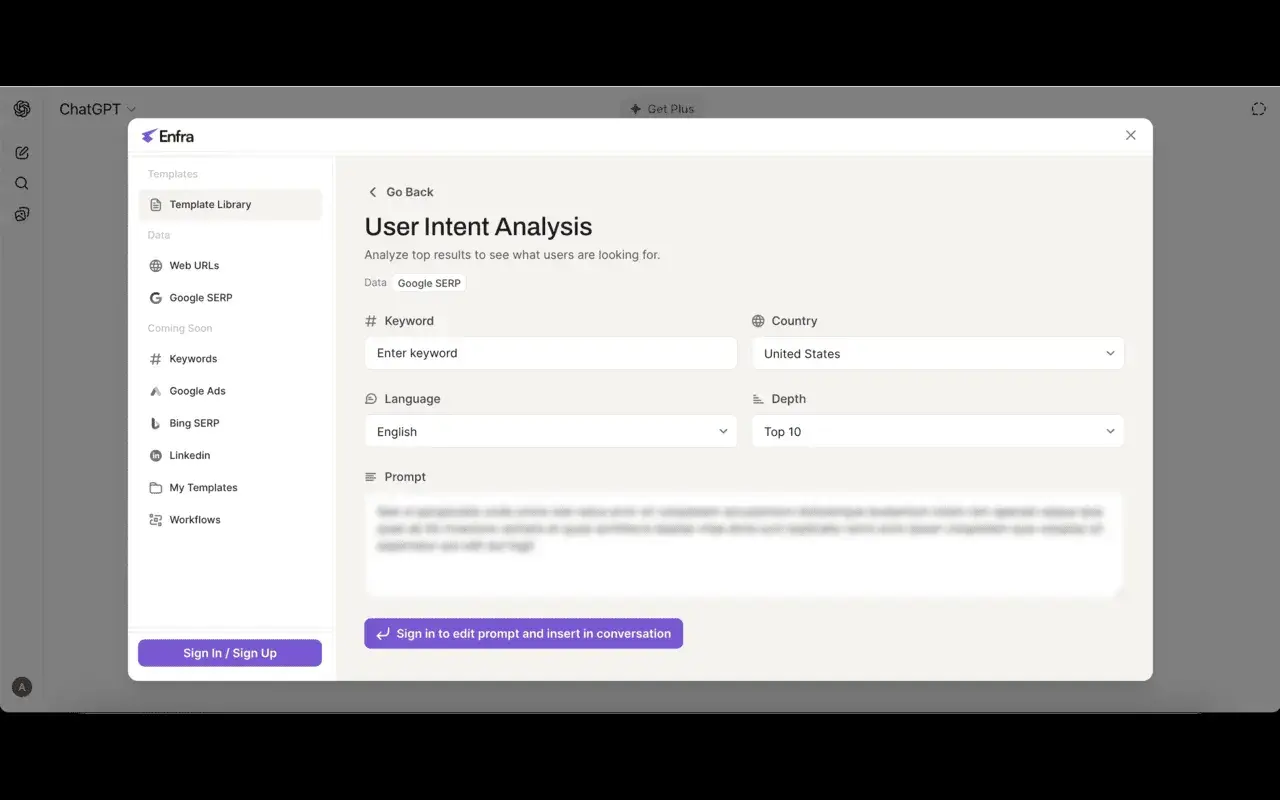
- Enfra Chrome Extension: For SaaS teams leveraging AI writing tools like ChatGPT, Claude, or Gemini, Enfra acts as a crucial bridge, injecting real-time search data into AI workflows. This ensures briefs and drafts reflect current SERP data rather than solely relying on the AI model’s static training data. Liz Bowers, SEO Manager at Mosaic eMarketing, recommends Enfra for its ability to provide live SERP data and GSC metrics, eliminating manual research. She emphasizes its "Compare Content to Top 10" and "Content Plan for ChatGPT" features for optimizing for the Generative Search era. Pricing: Public site does not list standard self-serve pricing.
Strategic Management and AI Visibility
- HubSpot AEO Grader: A free, purpose-built tool from HubSpot designed to analyze website performance in AI search environments such as ChatGPT, Perplexity, and Gemini. It runs automated queries to benchmark brand visibility, identify how AI engines mention and describe the brand, and compare this against competitors. It also assesses source credibility, offering key insights for digital PR. Pricing: Free; HubSpot AEO for ongoing tracking starts at $50/month.
Comprehensive Research and Technical Auditing
- Semrush: One of the most comprehensive all-in-one SEO platforms, Semrush offers extensive capabilities for keyword research, competitor analysis, technical site audits, and increasingly, AI visibility features. Its robust suite allows teams to manage content, backlinks, and technical SEO within a single workspace. Pricing: SEO plans start at $117.33/month (billed annually); AI-enhanced plans may have separate pricing.
- Ahrefs: Renowned for its deep backlink intelligence and organic traffic estimation, Ahrefs is the go-to tool for understanding link profiles for both a company’s site and its competitors. Its vast crawling infrastructure provides reliable data for competitive research and identifying content gaps. Ila Bandhiya, Senior Digital Marketer at Middleware.io, praises Ahrefs for its comprehensive backlink and keyword data, particularly for tracking competitor content performance. Pricing: Starts at $129/month.
- Screaming Frog: Widely regarded as the industry standard for technical SEO audits, Screaming Frog SEO Spider provides granular crawl data to diagnose and resolve site-wide technical issues. It offers raw, unfiltered data on every URL, allowing technical SEO specialists and developers to identify crawl errors, broken links, redirect chains, and indexation problems with precision. Pricing: Free version (500-URL limit); paid license $279/year.
- Google Search Console (GSC): An indispensable, free tool from Google that provides direct communication between a website and Google’s search index. GSC offers invaluable first-party data on search performance (impressions, clicks, CTR, keyword rankings), index coverage, core web vitals, and mobile usability. It’s a foundational tool for any SaaS SEO stack, offering insights into "zero search volume" keywords that paid tools might miss. Pricing: Free.
- Bing Webmaster Tools: This free tool supports site monitoring for Bing search and has expanded its AI features, making it crucial for understanding visibility in AI-generated search results. It provides first-party data on Bing indexation and, increasingly, how content is cited in AI answers across Microsoft’s AI experiences. Importing GSC data offers a quick setup for dual monitoring. Pricing: Free.
Enhancing Site Architecture and Authority
- Link Whisper: A WordPress plugin that automates internal linking, addressing a common challenge for SaaS sites with extensive content archives. It suggests relevant internal links across existing content, helping to build a stronger site architecture, improve link equity distribution, and detect orphaned pages that often go unnoticed by search engines. Pricing: Starts at $97/year (billed annually).
- Yoast SEO: A popular WordPress plugin providing a reliable foundation for on-page SEO and internal linking. It offers on-page analysis, metadata management, schema implementation, and basic internal linking suggestions within the WordPress editor. It’s a comprehensive, lightweight solution for teams looking to cover core SEO fundamentals without requiring deep technical expertise. Pricing: Free version; Premium $9.90/month (billed annually).
Tailoring Your Tech Stack: A Scalability Guide
Not every SaaS team requires the full suite of 13 tools immediately. The optimal tech stack depends on team size, budget, and content output goals.
- For Solo Marketers and Small Teams (1-2):
Prioritize free, first-party data and integrated platforms. Google Search Console, Bing Webmaster Tools, and HubSpot AEO Grader are essential, providing accurate data at no cost. For a core optimization workflow and CRM connection, HubSpot Marketing Hub (with its built-in SEO tools) offers an efficient, unified investment. If on WordPress, the free version of Yoast SEO is a solid choice for on-page basics. - For Growing Teams (3-5):
As a team expands, more structured research, brief generation, and technical auditing become critical. In addition to the foundational tools, adding Semrush or Ahrefs for comprehensive keyword research and competitive intelligence is advisable. Surfer SEO or Clearscope can streamline content optimization and brief generation, ensuring consistency across multiple writers. Screaming Frog (paid version) becomes valuable for regular, in-depth technical audits. - For Enterprise-Level Operations (10+):
Large teams require a shared SEO system that supports numerous contributors, frequent content refreshes, and robust reporting. A comprehensive stack would include HubSpot Marketing Hub and Content Hub for integrated CRM, content workflow, and AEO. Both Semrush and Ahrefs can be utilized for advanced competitive intelligence and specialized tasks (e.g., Ahrefs for deep backlink analysis, Semrush for broader market research and AI visibility). Screaming Frog remains critical for technical specialists, while tools like Link Whisper and Yoast SEO manage internal linking at scale on WordPress. Enfra Chrome Extension further enhances AI-assisted content workflows.
Navigating the Future of SaaS SEO
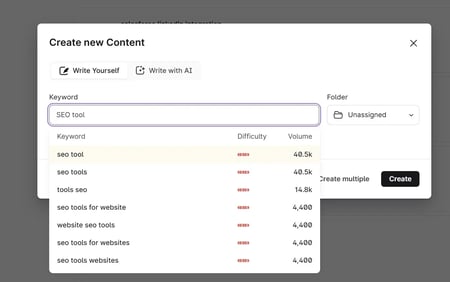
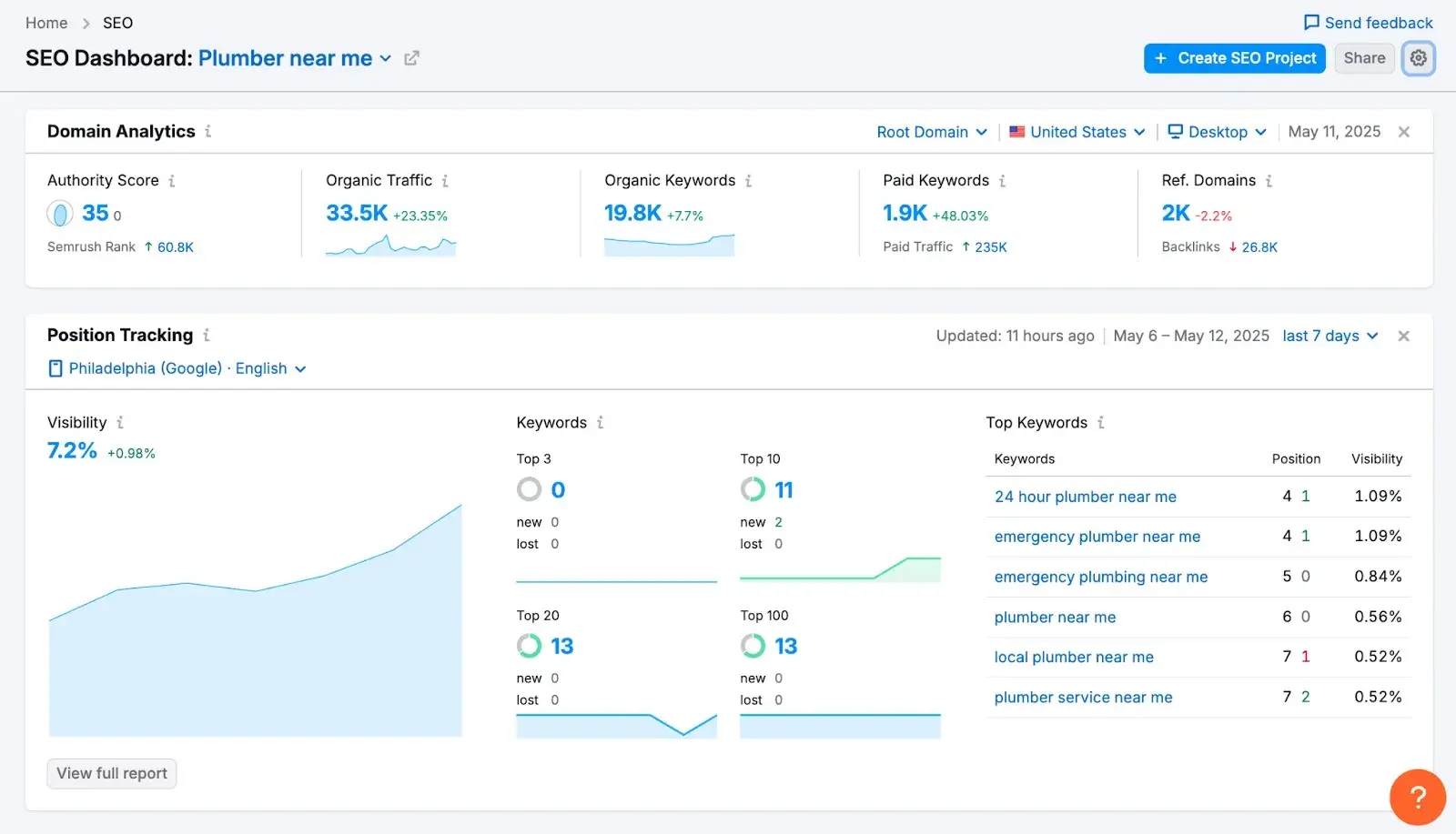
The landscape of search is rapidly evolving, driven by advancements in AI. For SaaS businesses, maintaining a competitive edge means embracing a dynamic, data-driven approach to SEO. The tools highlighted in this guide span every stage of a modern SaaS content operation—from research and briefing to creation, optimization, internal linking, and reporting. The common thread among successful strategies is the reliance on data, not guesswork, to inform every decision.
Ultimately, the ability to connect SEO efforts directly to business outcomes, particularly revenue, is paramount. Integrated platforms, such as HubSpot’s Marketing Hub and Content Hub, offer a distinct advantage by unifying SEO data with CRM, pipeline, and content performance metrics. This holistic view empowers SaaS teams to demonstrate the tangible value of their SEO investments, moving beyond mere rankings and impressions to prove real business impact. In an era where AI-generated answers are reshaping user discovery, a well-chosen and intelligently utilized SEO tool stack is no longer just about visibility; it’s about sustained growth and strategic market leadership.
Frequently Asked Questions About SaaS SEO Tools
- What’s the best way to track AI search visibility for a SaaS brand?
Begin with the free HubSpot AEO Grader to get an immediate snapshot of how ChatGPT, Perplexity, and Gemini represent your brand and its competitors. For ongoing tracking, combine this with the AI Performance dashboard in Bing Webmaster Tools and traditional SEO data from Google Search Console. - How should a small SaaS team prioritize SEO tools on a tight budget?
Prioritize free, first-party data sources like Google Search Console, Bing Webmaster Tools, and HubSpot AEO Grader. For core SEO management, content, and CRM integration, HubSpot Marketing Hub provides a more efficient, unified investment than multiple disconnected tools. - Which SaaS SEO tools integrate best with a CRM for attribution?
HubSpot Marketing Hub offers the strongest native integration for CRM-connected SEO reporting. Its SEO tools seamlessly link with HubSpot Smart CRM, enabling direct attribution of organic traffic to contacts, deals, and closed revenue without custom integrations. - How often should a SaaS company refresh high-intent content?
High-intent pages, such as comparisons, alternative product pages, and bottom-of-funnel category terms, should be reviewed and refreshed at least every 3 to 6 months. This is because competitor content and SERP features in these critical categories tend to shift frequently. - Do I need both a content optimizer and a brief generator?
Not necessarily at the outset. Tools like Surfer SEO combine both brief generation and on-page optimization functionalities, making them a practical, single investment for smaller teams. Larger SaaS teams might eventually opt for separate, specialized tools if they require more detailed briefs, distinct editorial workflows, or more stringent content governance.